Research Articles
Geospatial Intelligence in Drug Development: Optimizing Biomass Transportation with GIS Cost Modeling
This article explores the critical application of Geographic Information Systems (GIS) for modeling and analyzing biomass transportation costs, a pivotal factor in the sustainable and economical sourcing of materials for...
GIS-Driven Biomass Transport Route Optimization: Enhancing Efficiency and Sustainability in Biomass Supply Chains
This article explores the application of Geographic Information Systems (GIS) for optimizing biomass transport routes, a critical challenge in sustainable bioenergy and bioproduct supply chains.
Unlocking Biomedical Potential: A Comprehensive Guide to GIS Spatial Analysis for Biomass Assessment in Drug Development
This article provides a comprehensive methodology for applying Geographic Information Systems (GIS) spatial analysis to the assessment of biomass potential, specifically tailored for researchers and professionals in drug development.
Optimizing Biomass Supply Chains for Drug Discovery: A GIS-Integrated Linear Programming Approach
This article explores the integration of Geographic Information Systems (GIS) and Linear Programming (LP) for optimizing biomass supply chains, a critical component in the early stages of drug discovery.
GIS Fundamentals for Biofuel Supply Chain Planning: A Critical Tool for Sustainable Drug Development Research
This article provides researchers, scientists, and drug development professionals with a comprehensive guide to Geographic Information Systems (GIS) as applied to biofuel supply chain planning.
Spatial Intelligence in Bioprospecting: A GIS Framework for Determining Optimal Collection Scale in Biomass Harvesting for Drug Discovery
This article presents a comprehensive GIS-based methodological framework for determining the optimal spatial scale of biomass collection for drug discovery and biomedical research.
Optimizing Waste Cooking Oil Collection Networks: Advanced GIS and Spatial Analysis Strategies for Biofuel and Pharmaceutical Research
This article provides a comprehensive guide for researchers and pharmaceutical development professionals on leveraging Geographic Information Systems (GIS) and spatial analysis to optimize waste cooking oil (WCO) collection systems.
Decarbonizing Pharma: A Technical Analysis of Biomass Hydrogen vs. SMR for Sustainable Drug Development
This article provides a comprehensive technical comparison of biomass-derived hydrogen and conventional steam methane reforming (SMR) as feedstocks for pharmaceutical manufacturing.
Comparing GHG Reduction in Co-processing Pathways: A Life Cycle Assessment for Sustainable Pharmaceutical Manufacturing
This article provides a comprehensive comparative analysis of greenhouse gas (GHG) emission reductions achieved through different co-processing pathways relevant to pharmaceutical development and manufacturing.
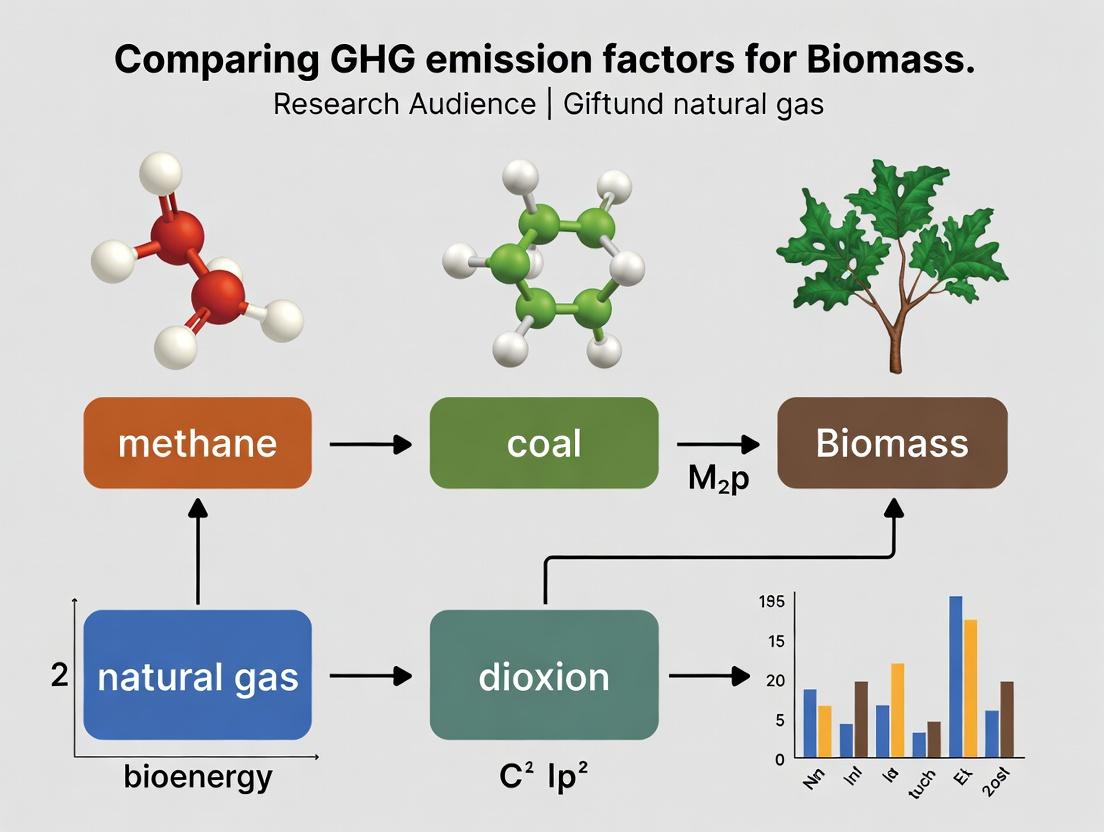
Biomass vs. Coal vs. Natural Gas: A Comprehensive Analysis of Lifecycle GHG Emission Factors for Clean Energy Transition
This article provides a detailed comparative analysis of the lifecycle greenhouse gas (GHG) emission factors for biomass, coal, and natural gas.