Strategies for Biomass Quality Control in Pharmaceutical Supply Chains: From Harvest to High-Value Therapeutics
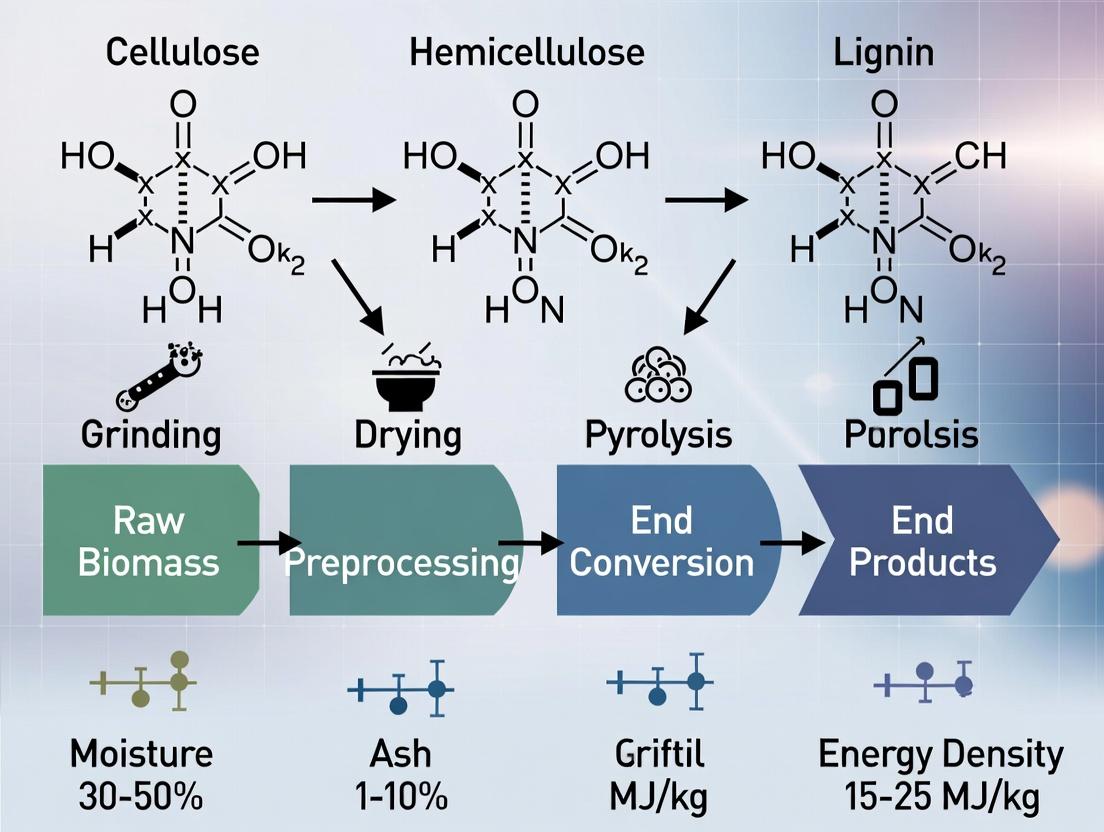
This article provides a comprehensive guide for researchers and drug development professionals on managing inherent biomass variability within the biological supply chain.
Strategies for Biomass Quality Control in Pharmaceutical Supply Chains: From Harvest to High-Value Therapeutics
Abstract
This article provides a comprehensive guide for researchers and drug development professionals on managing inherent biomass variability within the biological supply chain. We explore the root causes of variability in plant, microbial, and marine biomass, detail advanced methodologies for real-time monitoring and predictive modeling, and present robust frameworks for troubleshooting process deviations. The scope includes a comparative analysis of standardization protocols (ASTM, ISO, USP-NF) and validation strategies to ensure batch consistency, ultimately aiming to de-risk the development and manufacturing of biologics, APIs, and complex natural products.
Understanding the Source: Root Causes and Impacts of Biomass Variability in Pharma
Troubleshooting Guide & FAQs
Q1: In our plant cell biomass fermentation, the final product potency (measured by API titer) is consistently 20-30% below the target specification. What are the primary process-related factors we should investigate?
A1: Low potency in biomass fermentation is often linked to upstream process variability. Focus on these key areas:
- Nutrient Feed Strategy: Imbalanced carbon-to-nitrogen (C:N) ratios or phosphate limitation can drastically reduce metabolic flux toward the target API. Implement a designed experiment (DoE) to optimize feed profiles.
- Induction Timing: For inducible expression systems, suboptimal induction point (e.g., based on optical density or growth phase) is a common culprit. Correlate induction timing with specific growth rate data.
- Culture Viability: Late-stage apoptosis or necrosis reduces productive capacity. Monitor viability markers (e.g., membrane integrity stains) alongside titer.
Experimental Protocol: DoE for Nutrient Optimization
- Objective: Identify critical media components affecting API titer.
- Method:
- Perform a fractional factorial screening design focusing on concentrations of key nutrients: Carbon source (e.g., Sucrose), Nitrogen (e.g., KNO₃), and Phosphate (e.g., KH₂PO₄).
- Use a scaled-down bioreactor system (e.g., 250 mL bench-top) with controlled pH and dissolved oxygen.
- Harvest biomass at a fixed time post-induction or at stationary phase.
- Quantify API titer using a validated HPLC-UV method.
- Analyze data using response surface methodology to model the optimal concentration ranges.
Q2: Our HPLC analysis shows an unknown peak co-eluting with the target protein, affecting purity. How can we characterize this impurity and identify its root cause?
A2: A systematic impurity characterization workflow is required.
- Initial Characterization: Collect fractions of the unknown peak for further analysis via LC-MS/MS for molecular weight and peptide mapping. This can identify if it's a product-related variant (e.g., oxidation, deamidation) or a host cell protein (HCP).
- Root Cause Investigation: Based on LC-MS results:
- If a product variant: Review process conditions promoting modification (e.g., high dissolved oxygen for oxidation, pH/temperature shifts for deamidation).
- If an HCP: Analyze your purification chromatography logs. A sudden increase may indicate a change in biomass health leading to cell lysis, or a failure in the purification column's clearance capacity.
Experimental Protocol: Impurity Isolation and Identification
- Objective: Isolate and identify an unknown chromatographic peak.
- Method:
- Scale up the preparative HPLC purification run to collect multiple fractions of the unknown peak.
- Lyophilize the pooled fractions and reconstitute in a minimal volume.
- Perform SDS-PAGE under reducing and non-reducing conditions. A band at a different MW than the target suggests an HCP or aggregate.
- For enzymatic digestion, subject the sample to trypsin digestion followed by LC-MS/MS analysis.
- Search fragment spectra against databases for the target organism (for HCPs) or look for modified peptide sequences of the target API.
Q3: We observe significant variability in biomass stability (e.g., API degradation) between different cryopreservation batches. What are the critical parameters for a robust preservation protocol?
A3: Biomass stability post-preservation is highly sensitive to cryopreservation formulation and process. Key parameters are:
| Parameter | Typical Target | Impact of Deviation |
|---|---|---|
| Cryoprotectant Type & Conc. | 5-10% DMSO or Glycerol | Insufficient: Ice crystal formation, cell rupture. Excessive: Toxicity, reduced viability. |
| Cooling Rate | -1°C/min to -40°C | Too fast: Intracellular ice. Too slow: Solution effect injury. |
| Storage Temperature | Below -135°C (vapor phase LN₂) | Fluctuations above Tg (glass transition) allow degradative reactions. |
| Post-Thaw Culture Medium | Pre-warmed, rich recovery medium | Poor recovery reduces apparent potency of the biomass inoculum. |
Experimental Protocol: Assessing Cryopreservation Efficacy
- Objective: Determine viability and productivity recovery post-thaw.
- Method:
- Prepare identical biomass aliquots from a master culture.
- Test different cryoprotectant formulations (e.g., 5% DMSO vs. 10% Glycerol in growth medium).
- Use a controlled-rate freezer to apply different cooling ramps (e.g., -1°C/min vs. -5°C/min).
- Store aliquots at target temperature for a minimum of 48 hours.
- Rapid-thaw aliquots in a 37°C water bath and transfer to recovery medium.
- Measure key metrics at 24h post-thaw: Viability (trypan blue exclusion), Specific Growth Rate, and Potency (API titer per viable cell volume).
The Scientist's Toolkit: Research Reagent Solutions
| Item | Function in CQA Assessment |
|---|---|
| Cell Viability Assay Kit (e.g., based on resazurin or ATP) | Quantifies metabolic activity of biomass, critical for potency and growth stability assessments. |
| Host Cell Protein (HCP) ELISA Kit | Species-specific immunoassay to quantify residual HCPs, a key purity attribute. |
| Process-Related Impurity Standards (e.g., insulin, benzonase) | Standards for quantifying residuals from upstream processing (cell culture) and downstream purification. |
| Stability-Indicating HPLC/UPLC Method | Chromatographic method optimized to separate degradation products (e.g., oxidized, clipped variants) from the main API peak. |
| Controlled-Rate Freezer | Enables standardized, reproducible cooling profiles for biomass cryopreservation stability studies. |
Visualizations
Title: CQA Identification and Control Workflow
Title: Purity Attribute Clearance in Downstream Processing
Title: Root Causes & Mitigations for Biomass Instability
Troubleshooting Guides & FAQs
Q1: Our Echinacea purpurea extract shows inconsistent alkamide concentrations between batches, despite using the same species. What are the most likely causes and how can we standardize the output? A1: Inconsistent alkamide levels are primarily driven by genotype and harvest timing. To standardize:
- Genotype Control: Shift from seed-based cultivation to using vegetative clones (root cuttings) from a single high-alkamide mother plant to minimize genetic drift.
- Harvest Timing Protocol: Harvest roots at specific phenological stages, not calendar dates. The optimal stage is after seed set but before full senescence. Correlate harvest with a Growing Degree Day (GDD) model where accumulation > 1400 GDD (base 10°C).
- Growth Condition Check: Ensure consistent soil nitrogen; high N (>120 kg/ha) increases biomass but dilutes secondary metabolites.
Q2: We observe high variability in paclitaxel yield from our Taxus baccata cell suspension cultures. Which factor should we optimize first? A2: Growth conditions, specifically elicitor timing, are the primary driver in cell cultures.
- Issue: Unpredictable yield spikes.
- Solution: Implement a staged bioreactor protocol:
- Stage 1 (Day 0-10): Growth phase in B5 medium, optimize for biomass (shake flask at 24°C, dark).
- Stage 2 (Day 11): Elicitation phase. Add methyl jasmonate (100 µM) and shift to production medium (modified B5 with reduced sucrose).
- Critical Control: Harvest precisely 12-14 days post-elicitation. Daily sampling post-Day 10 is required to establish your culture's specific peak paclitaxel accumulation curve.
Q3: How does light quality (spectrum) affect variability in cannabinoid and terpene profiles in Cannabis sativa, and how can we control it in a growth chamber? A3: Light spectrum is a growth condition that directly modulates biosynthetic pathways.
- Problem: Broad-spectrum "white" LEDs lead to inconsistent CBDA/THCA ratios and terpene profiles.
- Fix: Use a programmable LED system with the following phased protocol:
- Vegetative (18h light): 30% Blue (450nm), 70% Red (660nm). Promotes uniform structural growth.
- Flowering (12h light): Introduce 15% Far-Red (730nm) at cycle end to stimulate flowering. Maintain high Red for photomorphogenesis.
- Final 2 weeks: Add 10% UV-B (285-315nm) for 2h midday to consistently upregulate secondary metabolite synthesis.
Q4: When sourcing Hypericum perforatum (St. John’s Wort), how do we minimize variability in hypericin content due to biological drivers across our supply network? A4: This requires controlling all four drivers across the supply chain.
- Species/Chemotype Verification: Use DNA barcoding (ITS2 and rbcL regions) on supplier samples to confirm H. perforatum and not lower-yielding relatives.
- Genotype & Growth SOP: Provide contracted growers with certified high-hypericin clones and a mandated SOP specifying soil pH (6.0-6.5), moderate drought stress, and low N fertilization.
- Harvest Timing Directive: Harvest must occur at 50-70% flowering, measured as the percentage of open flowers on the main inflorescence. Samples exceeding a 10% deviation from target hypericin content (0.3% dry weight) should be rejected.
Experimental Protocols for Key Cited Experiments
Protocol 1: Determining Optimal Harvest Time for Ginsenosides in Panax ginseng Roots Objective: To correlate ginsenoside Rb1 concentration with plant phenology and environmental accumulation.
- Plant Material: Establish a plot of 3-year-old Panax ginsens plants from the same clone line.
- Sampling: At 7-day intervals from August 1 to October 15, destructively harvest 5 plants. Record:
- Phenological stage (leaf senescence %).
- Accumulated GDD (Base 5°C).
- Root fresh/dry weight.
- Analysis: Powder dried roots. Extract with 70% methanol. Analyze ginsenoside Rb1 content via HPLC (C18 column, UV 203nm). Plot Rb1 concentration (%) vs. GDD and vs. senescence %.
Protocol 2: Standardizing Elicitation in Taxus Cell Culture for Paclitaxel Objective: To minimize yield variability by optimizing the timing of methyl jasmonate (MeJA) elicitation.
- Culture Initiation: Subculture Taxus chinensis cells in 250mL B5 medium in 1L flasks. Maintain in dark at 24°C, 110 rpm.
- Elicitor Application: On Day 7 (mid-exponential phase), filter and transfer cells to production medium. Add MeJA from a 100mM stock in ethanol to final concentrations of 50, 100, and 200 µM. Control receives ethanol only.
- Time-Course Harvest: Harvest triplicate flasks from each group every 48h for 16 days. Measure biomass (dry cell weight) and extracellular paclitaxel via LC-MS/MS.
Data Presentation
Table 1: Impact of Biological Drivers on Key Metabolite Variability
| Metabolite (Species) | Primary Driver | Secondary Driver | Controlled Range for Standardization | Typical Variability (Uncontrolled) |
|---|---|---|---|---|
| Hypericin (H. perforatum) | Harvest Timing | Genotype | Harvest at 60% flowering; use certified high-yield clones. | 0.05% - 0.3% dry weight |
| Paclitaxel (Taxus spp.) | Growth Conditions | Harvest Timing | Elicit with 100µM MeJA at Day 7; harvest Day 21 post-elicitation. | 0.5 - 25 mg/L in cell culture |
| Cannabinoids (C. sativa) | Genotype | Growth Conditions | Use clonal propagation; flowering light = 660nm Red + 730nm Far-Red. | THC content can vary ±5% between plants. |
| Ginsenosides (P. ginseng) | Growth Conditions | Harvest Timing | Cultivate for 4 years; harvest at 1400 GDD (Base 5°C) post-senescence. | Year 3 vs Year 4 roots: 2% vs 4% Rb1. |
Diagrams
Title: Biological Drivers Impact on Biomass Properties
Title: Cell Culture Elicitation & Harvest Workflow
The Scientist's Toolkit: Research Reagent Solutions
| Item | Function & Rationale |
|---|---|
| Certified Reference Standards | Pure chemical compounds (e.g., hypericin, paclitaxel, ginsenoside Rb1). Essential for calibrating HPLC/LC-MS instruments to quantify metabolite concentrations accurately, enabling batch-to-batch comparison. |
| DNA Barcoding Kits (ITS2/rbcL) | Contains primers and controls for amplifying specific chloroplast and nuclear DNA regions. Used to verify plant species and identify contaminants or mislabeled biomass at the start of the supply chain. |
| Methyl Jasmonate (MeJA) | A plant hormone elicitor. When added to cell cultures or whole plants at a defined concentration and time, it predictably upregulates the biosynthesis of specific secondary metabolites (e.g., paclitaxel), reducing yield variability. |
| Programmable LED Growth Lights | Allow precise control over light spectrum (blue, red, far-red, UV). This controls plant morphology and secondary metabolism, standardizing growth conditions for photoperiod-sensitive species like Cannabis. |
| Growing Degree Day (GDD) Data Logger | Records temperature data to calculate heat accumulation (GDD). Provides an objective, weather-independent metric to schedule key agricultural events like irrigation, fertilization, and most importantly, harvest timing. |
| Clonal Propagation Materials | Includes rooting hormone and sterile substrate. Enables the production of genetically identical plants from a single high-performing mother plant, eliminating genotype-driven variability in metabolite production. |
Troubleshooting Guide & FAQs
FAQ 1: Why do I observe significant batch-to-batch variability in the bioactivity of my plant extract, despite using the same species and extraction protocol?
Answer: This is a classic symptom of environmental and seasonal influence on metabolite composition. Key factors include:
- Light Intensity/Photoperiod: Alters photosynthetic rates and secondary metabolite pathways.
- Temperature Stress: Can induce or suppress specific defense-related compounds.
- Water Availability (Drought/Rainfall): Impacts primary metabolism and osmotic protectant concentrations.
- Soil Nutrition & Microbiome: Directly influences precursor availability for biosynthesis.
- Harvesting Time (Diurnal & Seasonal): Many metabolites, especially volatiles and alkaloids, fluctuate cyclically.
Troubleshooting Steps:
- Review Metadata: Correlate bioactivity data with detailed cultivation/harvest metadata (GPS, weather data, harvest time).
- Chemical Fingerprinting: Implement untargeted metabolomics (e.g., LC-MS) on each batch to identify which specific metabolites are varying.
- Standardize Source: For critical projects, move to controlled environment agriculture (CEA) or specify narrow geographical and temporal origins in your biomass procurement contracts.
FAQ 2: How can I statistically distinguish between technical artifacts and true biological variation caused by seasonality in my metabolomics dataset?
Answer: Careful experimental design and data processing are required.
Protocol: Differentiating Variation Sources
- Sample Collection: Collect biological replicates (n≥5) from the same field at multiple time points (e.g., monthly). Include pooled Quality Control (QC) samples.
- Sample Preparation & Analysis: Randomize all samples on the analytical run. Inject QC samples every 5-10 injections.
- Data Analysis:
- Pre-processing: Use tools like MS-DIAL or XCMS for peak alignment and integration.
- QC-Based Filtering: Remove features with >30% RSD in the QC samples (technical artifact).
- Statistical Modeling: Apply ANOVA or linear mixed models with "Batch/Run" as a random effect and "Season" as a fixed effect.
- Multivariate Analysis: Use PCA. Clustering by run date suggests technical drift; clustering by harvest date suggests biological variation.
FAQ 3: What is the most robust method for normalizing bioassay data when the test material's potency varies seasonally?
Answer: Employ an internal standard reference specific to your biomass type.
Experimental Protocol: Bioactivity Normalization Using a Marker Compound
- Identify a Seasonally Stable Marker: From historical data, identify a key, pharmacologically relevant metabolite that is consistently present (even if quantity varies).
- Quantify Marker: For each batch, use HPLC or LC-MS/MS to quantify the concentration of this marker compound (e.g., mg/g dry weight).
- Normalize Bioassay Results: Express bioactivity (IC50, EC50) relative to the marker content.
- Formula:
Normalized Bioactivity = (Measured Bioactivity) / [Marker Compound]
- Formula:
- Report: Always report both raw and normalized bioactivity values.
Data Presentation: Impact of Seasonal Harvest on Key Metabolites in Echinacea purpurea Aerial Parts
Table 1: Concentration (mg/g dry weight ± SD) of Key Bioactive Compounds Across Harvest Months (n=4).
| Compound (Class) | May Harvest | July Harvest | September Harvest | Primary Environmental Driver (Correlation) |
|---|---|---|---|---|
| Cichoric Acid (Phenolic) | 12.5 ± 1.8 | 24.3 ± 2.1 | 15.7 ± 1.5 | Photosynthetic Active Radiation (r = 0.89) |
| Alkamides (Alkylamides) | 0.8 ± 0.2 | 3.4 ± 0.5 | 5.1 ± 0.7 | Cumulative Growing Degree Days (r = 0.93) |
| Total Polysaccharides | 325 ± 25 | 180 ± 30 | 280 ± 20 | Soil Moisture at Harvest (r = 0.76) |
Table 2: Corresponding Bioactivity Variability (Anti-inflammatory COX-2 Inhibition Assay, IC50 in μg/mL).
| Harvest Month | Raw Extract IC50 | Normalized to Cichoric Acid Content (IC50/mg) |
|---|---|---|
| May | 45.2 ± 5.1 | 3.62 |
| July | 22.1 ± 3.2 | 0.91 |
| September | 38.7 ± 4.3 | 2.47 |
The Scientist's Toolkit: Research Reagent Solutions
Table 3: Essential Materials for Studying Environmental Impacts on Metabolites.
| Item | Function & Rationale |
|---|---|
| UPLC-QTOF-MS System | High-resolution separation and accurate mass detection for untargeted metabolomic fingerprinting of complex extracts. |
| Stable Isotope-Labeled Internal Standards (e.g., 13C, 15N) | Crucial for absolute quantification in complex matrices via LC-MS/MS, correcting for ionization suppression. |
| Biomass Certified Reference Materials (CRMs) | Provides a benchmark for method validation and inter-laboratory comparison of metabolite quantification. |
| Solid Phase Extraction (SPE) Cartridges (C18, HILIC) | Sample clean-up and fractionation to reduce matrix effects and isolate metabolite classes of interest. |
| Environmental Data Loggers | Records microclimate conditions (light, temp, humidity) at the exact harvest site for correlation studies. |
| Cell-Based Reporter Assay Kits (e.g., Luciferase-based NF-κB, ARE) | Functional screening of bioactivity (anti-inflammatory, antioxidant) in a high-throughput, mechanistic format. |
Visualizations
Workflow for Managing Biomass Variability
Seasonal Stressors & Metabolic Pathway Crosstalk
Technical Support Center
Troubleshooting Guide: Biomass Quality Post-Harvest
Issue 1: Rapid Degradation of Bioactive Compounds in Plant Material Post-Harvest
- Symptoms: Significant (>20%) loss of target alkaloids or phenolic compounds within 24 hours of harvest.
- Potential Causes: Enzymatic browning (polyphenol oxidase activity), microbial proliferation, or oxidative stress.
- Diagnostic Steps:
- Measure sample moisture content and temperature history.
- Perform a quick enzymatic assay (e.g., PPO activity test strip).
- Plate samples on nutrient agar to check microbial load.
- Solution: Immediate pre-cooling to 4°C and implementation of forced-air drying or flash-freezing in liquid N₂ within 2 hours of harvest. Consider an anti-oxidant dip (e.g., 0.5% ascorbic acid).
Issue 2: High Variability in Biomass Composition Between Batches
- Symptoms: Inconsistent yield of active pharmaceutical ingredient (API) during extraction from different harvest lots.
- Potential Causes: Inconsistent pre-processing (drying time/temperature), genetic heterogeneity, or variable soil conditions pre-harvest.
- Diagnostic Steps:
- Review and standardize the time from harvest to processing (the "pre-processing window").
- Analyze a sub-sample for key biomarkers (e.g., via HPLC) before full-batch processing.
- Solution: Implement a Near-Infrared (NIR) spectroscopy check-point for rapid compositional analysis of incoming biomass. Establish Acceptable Quality Ranges (AQR) for key markers and segregate biomass accordingly.
Issue 3: Mycotoxin Contamination Post-Drying
- Symptoms: Detection of aflatoxins or ochratoxins in dried biomass, rendering it unusable.
- Potential Causes: Slow or improper drying allowing fungal growth, or storage at relative humidity >65%.
- Diagnostic Steps: Use ELISA test kits for specific mycotoxins on suspect batches.
- Solution: Ensure drying reduces moisture content to below 12% within 48 hours. Store dried material in airtight containers with desiccant. Maintain a chain of custody log for humidity exposure.
Frequently Asked Questions (FAQs)
Q1: What is the single most critical factor to preserve biomass quality for drug development research? A: The time-temperature profile immediately post-harvest. Minimizing the time until stabilization (by drying, freezing, or extraction) is more critical than any single subsequent step. A delay of even a few hours at ambient temperature can activate degradation pathways.
Q2: How can we quickly assess if our post-harvest handling protocol is effective? A: Implement a "quality decay tracking" experiment. Take sub-samples at fixed intervals post-harvest (0h, 2h, 6h, 24h) and measure a stable, easy-to-quantify marker compound (e.g., chlorogenic acid for many plants). Plot concentration vs. time. An effective protocol will show a flat slope, indicating minimal degradation.
Q3: Our lab receives biomass from multiple suppliers. How do we manage variability? A: Establish a Standard Operating Procedure (SOP) for Incoming Biomass Inspection. This should include recording harvest date, initial weight, photographic documentation, and a mandatory quick-dry step to a uniform moisture content upon arrival before any analytical processing or long-term storage.
Q4: What is the recommended drying method for heat-sensitive compounds? A: Freeze-drying (lyophilization) is optimal for preserving thermolabile compounds. If unavailable, low-temperature forced-air drying (<40°C) with dehumidification is preferable to sun-drying or oven-drying at high temperatures.
Table 1: Impact of Post-Harvest Delay on Alkaloid Content in Catharanthus roseus (Model Medicinal Plant)
| Time to Processing (hours at 25°C) | Vindoline Content (% of Dry Weight) | Vincristine Precursor Content (% of Dry Weight) | Key Degradation Observed |
|---|---|---|---|
| 0 (Control - Immediate freeze) | 0.42 | 0.18 | Baseline |
| 3 | 0.39 | 0.16 | Minimal loss |
| 6 | 0.31 | 0.11 | Significant loss |
| 12 | 0.22 | 0.07 | Severe degradation |
| 24 | 0.15 | 0.03 | >80% loss of precursor |
Table 2: Efficacy of Different Drying Methods on Polyphenol Retention
| Drying Method | Temperature (°C) | Duration (h) | Final Moisture (%) | Total Polyphenols Retained (%) |
|---|---|---|---|---|
| Freeze-Drying | -50 | 48 | 2.1 | 98.5 |
| Shade Drying | 25-30 | 120 | 10.5 | 72.3 |
| Forced Air Oven Drying | 40 | 8 | 5.0 | 85.7 |
| Forced Air Oven Drying | 60 | 4 | 4.8 | 65.2 |
| Microwave-Assisted Drying | 60 (effective) | 0.5 | 4.5 | 88.9 |
Experimental Protocols
Protocol 1: Standardized Post-Harvest Stabilization for Leaf Biomass Objective: To stabilize leaf tissue for consistent phytochemical analysis. Materials: Liquid nitrogen, pre-labeled cryovials, desiccator, freeze-dryer, moisture analyzer. Methodology:
- Harvest & Immediate Quenching: Harvest plant material and immediately submerge in liquid nitrogen within 60 seconds. Record precise time.
- Transport: Keep material submerged in LN₂ or on dry ice.
- Lyophilization: Transfer frozen material to a pre-cooled (-80°C) freeze-dryer. Lyophilize for 48-72 hours until constant weight is achieved.
- Moisture Verification: Use a calibrated moisture analyzer on a separate sample to confirm moisture content <5%.
- Homogenization: Grind lyophilized material in a pre-chilled mill to a fine, homogeneous powder.
- Storage: Store powder in airtight, light-blocking containers at -80°C with desiccant.
Protocol 2: Enzymatic Browning Inhibition Assay Objective: To test the efficacy of anti-browning agents post-harvest. Materials: Fresh biomass samples, 0.1% - 1.0% (w/v) solutions of ascorbic acid, citric acid, sodium metabisulfite, distilled water (control), colorimeter or spectrophotometer. Methodology:
- Sample Preparation: Slice uniform discs (10mm diameter) from fresh tissue.
- Treatment: Immerse discs in treatment solutions for 2 minutes. Blot dry.
- Incubation: Place discs in a controlled chamber (25°C, 85% RH). Photograph and measure color (L, a, b* values) at 0, 30, 60, 120, and 240 minutes.
- Analysis: Calculate browning index (BI). Plot BI vs. time for each treatment to identify the most effective inhibitor.
Diagrams
Post-Harvest Degradation Signaling Pathways
Post-Harvest Handling Decision Workflow
The Scientist's Toolkit: Research Reagent Solutions
Table 3: Essential Materials for Post-Harvest Quality Preservation Research
| Item | Function/Benefit | Example Use Case |
|---|---|---|
| Portable Moisture Analyzer | Rapid, on-site determination of biomass moisture content (%) to determine drying endpoint and storability. | Checking if incoming biomass meets the <12% moisture specification before storage. |
| Liquid Nitrogen Dewar | Provides instant temperature quenching to -196°C, halting all enzymatic and chemical degradation instantly. | Snap-freezing field-collected samples for accurate metabolomic profiling. |
| Vacuum Sealer & Moisture-Barrier Bags | Removes oxygen and creates an airtight seal around dried biomass, preventing oxidation and microbial growth. | Preparing stable, homogeneous reference samples for long-term analytical use. |
| Polyphenol Oxidase (PPO) Activity Test Kit | Quantifies the activity of a key browning enzyme, allowing diagnosis of improper handling. | Troubleshooting dark discoloration in fresh herb samples. |
| Silica Gel Desiccant | Maintains a low-humidity micro-environment within storage containers, preventing moisture reabsorption. | Storing all dried and milled plant powder samples. |
| Calibrated Colorimeter | Objectively measures color change (Lab*), a key physical indicator of chemical degradation. | Standardizing the visual quality assessment of dried material across different researchers. |
| Stabilization Solution Kits | Pre-mixed antioxidant/anti-browning solutions (e.g., ascorbate-citrate blends) for immersion treatment. | Treating delicate fruits or flowers prior to drying to preserve compound integrity. |
Technical Support Center: Managing Biomass Quality in Bioprocessing
Troubleshooting Guides & FAQs
Q1: Our cell culture productivity has high batch-to-batch variability. What are the primary biomass-related root causes? A: Inconsistent biomass quality from your starting raw materials is a leading cause. Key culprits are:
- Variability in nutrient composition of plant-derived hydrolysates or growth media components.
- Inconsistent physical properties (e.g., particle size, density) of solid biomass feedstocks affecting digestion or extraction efficiency.
- Presence of latent inhibitors (e.g., lignins, alkaloids) that vary by crop harvest lot and geography.
Experimental Protocol for Root Cause Analysis:
- Design of Experiment (DoE): Set up a 2^k factorial design testing suspected variables (e.g., media lot, feedstock supplier, pre-processing method).
- Analytical Profiling: For each batch, perform:
- Proximate Analysis: Moisture, ash, protein, lipid, carbohydrate content (AOAC methods).
- Metabolite Profiling: LC-MS/MS for key nutrients and potential inhibitors.
- Physical Testing: Particle size distribution (laser diffraction), viscosity.
- Correlation Analysis: Use multivariate analysis (e.g., PCA, PLS regression) to correlate biomass parameters with critical process outcomes (titer, growth rate).
Q2: How can we mitigate the impact of biomass variability on downstream purification yield? A: Implement real-time monitoring and adaptive control strategies.
Experimental Protocol for Adaptive Control:
- Install In-line Sensors: NIR probes for biomass composition, conductivity/pH for extraction consistency.
- Establish a Golden Batch Profile: Define acceptable ranges for key sensor data from historical high-yield runs.
- Develop Control Logic: Program your bioreactor or purification skid to adjust parameters (e.g., residence time, buffer pH, wash volume) based on real-time sensor deviations from the "golden" profile.
- Validate: Run 10-15 batches with variable feedstock quality and compare yield consistency to historical controls.
Q3: What documentation is required to satisfy regulators about biomass variability management? A: You must provide a comprehensive Control Strategy Document that includes:
- Defined Critical Quality Attributes (CQAs) for your biomass feedstock.
- Justified acceptance criteria for each CQA, linked to process performance data.
- Evidence of supplier qualification and a robust Change Control Protocol for any biomass source change.
- Stability data showing CQA persistence over the planned storage period.
Protocol for Building a Regulatory Submission Package:
- Generate Comparative Data: Perform side-by-side runs (n≥3) with biomass at the upper and lower limits of your acceptance criteria.
- Execute Forced Degradation Studies: Stress the biomass (heat, humidity) and process it to show impact on drug substance CQAs.
- Statistical Analysis: Use equivalence testing (e.g., two one-sided t-tests) to demonstrate product comparability across the range of acceptable biomass variability.
Data Presentation: Impact of Biomass Variability
Table 1: Correlation Between Biomass Impurity Levels and Downstream Yield
| Biomass Feedstock Lot | Lignin Content (% dry weight) | Final API Titer (g/L) | Purification Step Yield (%) | Overall Process Yield (%) |
|---|---|---|---|---|
| Reference Lot A | 2.1 | 4.5 | 78 | 70 |
| Test Lot B | 3.8 | 3.9 | 65 | 57 |
| Test Lot C | 5.2 | 3.1 | 58 | 49 |
| Acceptance Criteria | <4.0 | >4.0 | >70 | >60 |
Table 2: Financial Impact of Unmanaged Variability (Annualized)
| Variability Scenario | Batch Failure Rate | Cost of Investigation / Batch | Lost Revenue / Batch | Total Annual Impact (10 batches) |
|---|---|---|---|---|
| Controlled Supply Chain | 5% | $50,000 | $500,000 | $775,000 |
| High Variability Supply Chain | 25% | $75,000 | $500,000 | $1,437,500 |
| Cost Increase | +20% | +50% | - | +~85% |
Mandatory Visualizations
Diagram 1: Biomass Variability Impact Pathway
Diagram 2: Variability Mitigation Workflow
The Scientist's Toolkit: Research Reagent Solutions
Table 3: Essential Materials for Biomass Variability Research
| Item | Function | Example Product/Catalog # |
|---|---|---|
| Certified Reference Biomass | Provides a consistent, well-characterized baseline for all experiments. Essential for assay calibration. | NIST SRM 8495 (Sugarcane Bagasse) |
| Custom Hydrolysate Blends | Allows systematic study of specific nutrient or inhibitor effects on culture performance. | SAFC Custom Plant Hydrolysate |
| In-line NIR Probe | Enables real-time, non-destructive monitoring of biomass composition (moisture, protein, carbs). | Metrohm NIRS XDS Process Analyzer |
| SPE Cartridges for Inhibitor Removal | Used in protocols to selectively remove suspected inhibitory compounds (e.g., phenolics) from biomass extracts for cause-and-effect studies. | Supelclean LC-18 SPE Tubes |
| Metabolite Profiling Kit | Standardizes the quantification of key nutrients (sugars, amino acids, organic acids) across biomass samples. | Biolog Phenotype MicroArrays |
| Process Design of Experiment (DoE) Software | Statistically plans experiments to efficiently quantify the impact of multiple biomass variables. | JMP Pro, Design-Expert |
Advanced Tools and Protocols for Real-Time Quality Assessment and Prediction
Technical Support Center: Troubleshooting & FAQs
Near-Infrared (NIR) Spectroscopy
Q1: My NIR spectrometer shows consistently low prediction accuracy for biomass moisture content when used in outdoor conditions. What could be the cause? A: This is often due to ambient light interference or sample temperature variation. Direct sunlight contains significant NIR radiation. Solution: Always use the instrument's built-in light shield or create a shaded measurement area. For temperature, develop separate calibration models for different temperature ranges or use temperature correction algorithms.
Q2: The spectra from my portable NIR device are noisy, with low signal-to-noise ratio (SNR). How can I improve this? A: High noise typically results from low battery power, improper sample presentation, or a dirty optical window. Troubleshooting Guide:
- Ensure the battery is >70% charged.
- Increase the number of scans averaged per measurement (e.g., from 32 to 64 scans).
- Clean the measurement window with a soft, lint-free cloth and isopropyl alcohol.
- Ensure the biomass sample is packed uniformly and covers the entire window.
Hyperspectral Imaging (HSI)
Q3: My HSI system produces images with spatial misalignment between spectral bands (smear effect), especially when scanning moving biomass on a conveyor. A: This is a common issue in line-scan HSI for supply chain monitoring. Protocol to Correct:
- Hardware Sync: Ensure the encoder pulse from the conveyor belt is correctly connected to the HSI push-broom camera's external trigger input.
- Software Calibration: Perform a velocity calibration using a standardized patterned target moving at typical belt speeds.
- Post-Processing: Apply spatial calibration algorithms (e.g., based on reference stripes) provided in your HSI software (e.g., ENVI, Hyperspy) to re-align bands.
Q4: How do I calibrate a HSI system for quantitative analysis of lignin content in different biomass types (e.g., switchgrass vs. pine residue)? A: Follow this Detailed Experimental Protocol:
- Sample Preparation: Prepare a minimum of 50 ground biomass samples per species with lignin content (determined by wet lab NREL/TP-510-42618) spanning the expected range (e.g., 5-30%).
- Image Acquisition: Acquire HSI cubes in reflectance mode with 100% white reference (Spectralon) scan every 30 minutes. Maintain consistent sample-to-lens distance and illumination angle.
- ROI Extraction: For each sample image, define at least 5 Regions of Interest (ROIs), extracting average spectra.
- Model Development: Use chemometrics software (e.g., Unscrambler, CAMO). Apply preprocessing: Savitzky-Golay 1st derivative + Standard Normal Variate (SNV). Develop Partial Least Squares Regression (PLSR) models per species.
- Validation: Validate with an independent test set. Report key metrics: R², RMSEP, and RPD.
Portable NMR (Nuclear Magnetic Resonance)
Q5: The portable NMR signal for measuring oil content in seeds is highly inconsistent between replicate samples. A: Portable NMR (e.g., bench-top or single-sided magnets) is highly sensitive to sample positioning and homogeneity. Solution:
- Use a custom-designed, reproducible sample holder/jig.
- Ensure samples are ground to a perfectly uniform particle size.
- Allow samples to thermally equilibrate to the instrument's temperature for 15 minutes before measurement.
- Run a standard reference sample (e.g., known oil content) before each batch to check instrument stability.
Q6: Can portable NMR truly differentiate between bound and free water in biomass for stability assessment during storage? A: Yes, via T2 relaxation time measurements. Experimental Methodology:
- Load a standardized biomass sample (e.g., 5g) into the NMR tube.
- Run a Carr-Purcell-Meiboom-Gill (CPMG) pulse sequence.
- Analyze the resulting decay curve with inverse Laplace transform software to obtain T2 distributions.
- Interpretation: Peaks at shorter T2 (~0.1-10 ms) correspond to water tightly bound to cell walls; peaks at longer T2 (>10 ms) correspond to free, mobile water. An increase in the free water peak over time indicates degradation risk.
Data Presentation: Performance Comparison of In-Field Techniques
Table 1: Comparative Metrics for Rapid Biomass Screening Techniques
| Technique | Key Biomass Parameter Measured | Typical Measurement Time | Approx. Limit of Detection (LOD) | Key Calibration Metric (R²) | Primary Interference Factor |
|---|---|---|---|---|---|
| Portable NIR | Moisture, Cellulose, Lignin | 10-30 seconds | 0.5% w/w (moisture) | 0.85 - 0.95 | Sample Temperature, Particle Size |
| Hyperspectral Imaging (HSI) | Spatial distribution of moisture, ash, sugars | 10-60 sec per sample (depends on size) | 1-2% w/w (constituents) | 0.80 - 0.92 | Ambient Light, Sample Movement, Surface Texture |
| Portable NMR (Benchtop) | Total Moisture, Oil Content, Bound/Free Water Ratio | 1-3 minutes | 0.1% w/w (oil/water) | 0.90 - 0.98 | Magnetic Field Homogeneity, Sample Positioning |
The Scientist's Toolkit: Research Reagent & Material Solutions
Table 2: Essential Materials for In-Field Biomass Quality Screening
| Item | Function & Rationale |
|---|---|
| Spectralon White Reference Panel | Provides >99% diffuse reflectance for calibrating NIR and HSI systems against a known standard, critical for quantitative analysis. |
| NIST-Traceable Particle Size Standards | For verifying and standardizing sample preparation protocols, ensuring consistent scattering properties in NIR/HSI. |
| Desiccant-Packed Sample Bags | For stable, temporary storage of collected biomass samples in-field prior to analysis, preventing moisture change. |
| Known Reference Biomass Materials | Well-characterized biomass (e.g., from NIST or INBio) with lab-validated composition, used for instrument validation and drift checking. |
| Isopropyl Alcohol (IPA) Wipes | For cleaning optical surfaces (NIR, HSI lenses) without leaving residue, maintaining signal fidelity. |
| Precision Sample Holders/Jigs | Custom holders for portable NMR and NIR ensure reproducible sample geometry and positioning, critical for precision. |
| Portable Calibration Validation Kit | A mini-kit containing 3-5 sealed samples with known properties to perform a quick instrument check in the field. |
Mandatory Visualizations
Title: Three-Tier In-Field Biomass Screening Workflow for Supply Chain
Title: Calibration Workflow for NIR/HSI in Biomass Analysis
Troubleshooting Guides & FAQs
FAQ 1: Data Integration & Preprocessing
- Q: After aligning my genomic variants and metabolite peaks, my combined dataset has excessive missing values (>30%). How should I proceed?
- A: Excessive missingness often arises from technical noise or detection limit disparities. Do not use simple mean imputation. Follow this protocol:
- Filter: Remove features (metabolites/genomic loci) with >20% missingness across all samples.
- Impute: For remaining missing values, use a k-nearest neighbors (KNN) imputation method tailored to 'omics' data (e.g.,
impute.knnfrom theimputeR package). Set k = 10 as a starting point. - Validate: Post-imputation, perform a PCA to check if the imputation introduced strong batch artifacts.
- A: Excessive missingness often arises from technical noise or detection limit disparities. Do not use simple mean imputation. Follow this protocol:
- Q: My metabolomics (LC-MS) and genomics (RNA-seq) data are on different scales. What is the optimal normalization and scaling strategy before multivariate modeling?
- A: Use a two-step process to preserve biological variance while enabling integration.
- Within-Assay Normalization:
- Genomics (RNA-seq): Use TMM (Trimmed Mean of M-values) normalization in edgeR, followed by a log₂(CPM + 1) transformation.
- Metabolomics (LC-MS): Use Probabilistic Quotient Normalization (PQN) to correct for dilution effects, followed by log-transformation and Pareto scaling (mean-centered divided by the square root of the standard deviation).
- Between-Assay Integration: After within-assay processing, concatenate the datasets and apply unit variance scaling (autoscaling) to the combined matrix for PLS-R or similar models.
- Within-Assay Normalization:
- A: Use a two-step process to preserve biological variance while enabling integration.
FAQ 2: Model Building & Validation
- Q: My PLS-R model predicting biomass enzymatic digestibility from integrated 'omics' data shows high training R² (>0.9) but near-zero test R² during cross-validation. What's wrong?
- A: This indicates severe overfitting. Troubleshoot using this workflow:
- Feature Selection: Reduce feature dimensionality before PLS-R. Use
sPLS(sparse PLS) via themixOmicsR package to select the most predictive variables from each 'omics' layer. - Hyperparameter Tuning: Systematically tune the number of components (
ncomp) and keepX/Y parameters via repeated (n=10) 5-fold cross-validation. - Check for Data Leakage: Ensure that scaling parameters are fit only on the training fold and applied to the test fold in each CV iteration.
- Feature Selection: Reduce feature dimensionality before PLS-R. Use
- A: This indicates severe overfitting. Troubleshoot using this workflow:
- Q: How do I determine if the interaction between genomic and metabolomic data is statistically improving my quality prediction model?
- A: Implement a nested model comparison protocol.
- Train a model using only genomic data. Record the cross-validated Mean Absolute Error (MAE).
- Train a model using only metabolomic data. Record the CV-MAE.
- Train a model using the integrated dataset. Record the CV-MAE.
- Perform a paired t-test (using the paired prediction errors from the same CV folds) between the integrated model errors and the errors from the best single-omics model. A p-value < 0.05 suggests integration provides a significant improvement.
- A: Implement a nested model comparison protocol.
FAQ 3: Biological Interpretation & Pathway Mapping
- Q: I have identified key integrative features (e.g., a SNP correlated with a metabolite), but how do I map this to a plausible biological pathway affecting biomass quality?
- A: Use a dedicated multi-'omics' pathway analysis tool.
- Input: Your list of significant genomic loci (e.g., SNPs near genes) and metabolite IDs (e.g., HMDB or KEGG IDs).
- Tool: Use the PaintOmics 4 web server.
- Protocol:
- Upload your data layers.
- Select a reference pathway database (KEGG Plant/MapMan for biomass).
- Run the active pathway discovery (APD) algorithm.
- The output will highlight pathways significantly enriched with your submitted features, suggesting mechanistic links for experimental validation.
- A: Use a dedicated multi-'omics' pathway analysis tool.
Experimental Protocols
Protocol 1: Multi-'Omics' Sample Preparation for Biomass Quality Profiling
Objective: To co-extract high-quality RNA (for genomics/transcriptomics) and metabolites (for metabolomics) from the same woody biomass sample (e.g., Populus stem section) to minimize biological variance. Materials: See Research Reagent Solutions table. Method:
- Grinding: Flash-freeze stem segment in LN₂. Pulverize using a pre-chilled cryo-mill. Critical: Keep tissue frozen throughout.
- Split Aliquoting: Weigh out two aliquots of frozen powder (approx. 100 mg each) into pre-weighed, LN₂-chilled tubes.
- Parallel Extraction:
- Aliquot 1 (RNA): Add 1 mL TRIzol. Homogenize. Follow manufacturer's protocol for RNA purification. Include DNase I step. Assess integrity (RIN > 7).
- Aliquot 2 (Metabolites): Add 1.4 mL of -20°C 40:40:20 Methanol:Acetonitrile:Water. Vortex 30 sec, sonicate 10 min on ice, incubate 1 hr at -20°C. Centrifuge (13,000 g, 15 min, 4°C). Transfer supernatant to MS vial.
- Storage: Store RNA at -80°C. Dry metabolite extracts under N₂ gas and store at -80°C until LC-MS analysis.
Protocol 2: sPLS-DA for Classifying Biomass Quality Grades
Objective: To classify biomass feedstocks into "High" or "Low" saccharification yield categories using integrated 'omics' features.
Software: R (v4.3+) with mixOmics package.
Method:
- Data Input: Load your preprocessed, scaled, and concatenated 'omics' matrices (X) and the quality class vector (Y).
- Tuning: Run
tune.splsda()to determine optimalncompandkeepXviacentroid.distmeasure over 50 repeats of 5-fold CV. - Final Model: Run
splsda()with tuned parameters. - Validation: Generate a confusion matrix using
predict()on held-out test samples. Calculate Balanced Error Rate (BER). - Output: Use
plotLoadings()to identify top predictive m/z features (metabolites) and gene/SNP loci for each component.
Data Presentation
Table 1: Performance Metrics of Predictive Models for Lignocellulosic Biomass Enzymatic Digestibility
| Model Type | Input Data | n (Samples) | CV R² (Mean ± SD) | CV RMSE (g/L) | Key Predictive Features Identified |
|---|---|---|---|---|---|
| PLS-R (Single-Omics) | Metabolomics (GC-TOF-MS) | 120 | 0.68 ± 0.08 | 4.21 | 15 metabolites (e.g., Arabitol, Ferulic acid) |
| PLS-R (Single-Omics) | Genomics (GBS SNPs) | 120 | 0.52 ± 0.11 | 5.87 | 8 SNP loci near lignin biosynthesis genes |
| sPLS-R (Multi-Omics) | Integrated Metabo + Geno | 120 | 0.83 ± 0.05 | 3.12 | 22 total (12 metabolites, 10 SNPs) |
| Random Forest (Multi-Omics) | Integrated Metabo + Geno | 120 | 0.79 ± 0.07 | 3.45 | 45 total (28 metabolites, 17 SNPs) |
Table 2: Research Reagent Solutions for Integrated 'Omics' in Biomass Research
| Reagent / Material | Function in Protocol | Key Consideration for Biomass |
|---|---|---|
| TRIzol Reagent | Simultaneous RNA/DNA/protein isolation from Aliquot 1. | Effective for lignified, polyphenol-rich plant tissues. Must be followed by cleanup column. |
| Methanol:Acetonitrile:Water (40:40:20, v/v) | Metabolite extraction solvent for Aliquot 2. Broad polarity coverage. | Pre-chill to -20°C to quench enzymatic activity. Ideal for polar/semi-polar LC-MS. |
| C18 Solid-Phase Extraction (SPE) Plates | Clean-up of metabolite extracts; removal of salts and non-polar contaminants. | Essential for robust LC-MS of complex biomass hydrolysates. Prevents ion suppression. |
| DNase I (RNase-free) | Removal of genomic DNA contamination from RNA prep. | Critical for RNA-seq. Incubate on-column for best results with woody samples. |
| Retention Time Index (RTI) Calibration Mix | Alignment of LC-MS runs across batches for metabolomics. | Use a mix of fatty acid methyl esters (FAMEs) or other compounds spanning the chromatogram. |
| PCR-Free Library Prep Kit | Preparation of DNA libraries for whole-genome sequencing from extracted DNA. | Reduces sequence bias, important for SNP calling in diverse biomass populations. |
Visualizations
Diagram 1: Integrated Omics Workflow for Biomass Quality
Diagram 2: Omics to Trait Pathway Hypothesis
Digital Twins and AI/ML for Forecasting Biomass Quality and Optimizing Harvest Schedules
Technical Support Center
FAQ & Troubleshooting Guide
Q1: Our digital twin's biomass quality forecasts (e.g., moisture, carbohydrate content) have become inaccurate, deviating significantly from recent sensor data. What is the primary troubleshooting step?
- A: Initiate a "Model Drift Diagnostic" protocol. This is often caused by concept drift in the input data. First, retrain your AI/ML forecasting model (e.g., LSTM, Gradient Boosting Regressor) using the most recent 4-6 weeks of labeled sensor and lab data. Compare its performance against the production model on a held-out validation set. If the retrained model's Mean Absolute Percentage Error (MAPE) is >15% better, you have confirmed model drift. Deploy the updated model and recalibrate the digital twin's quality parameters.
Q2: The harvest scheduling optimizer is outputting logistically impossible or highly fragmented schedules. How can we constrain it for practical operations?
- A: This indicates inadequately defined constraints in your Mixed-Integer Programming (MIP) or Reinforcement Learning (RL) agent. Review and implement the following mandatory constraints in your optimization algorithm's objective function:
- Equipment Capacities: Maximum daily harvest area (hectares/day) and transport load (tons/vehicle).
- Temporal Continuity: Minimum harvest block size (e.g., 2 contiguous hectares) to prevent fragmentation.
- Biomass Stability Window: Harvest must occur within 72 hours of the digital twin predicting optimal quality for a given block.
- Protocol: Adjust your model's code to include these hard constraints and re-run the simulation.
- A: This indicates inadequately defined constraints in your Mixed-Integer Programming (MIP) or Reinforcement Learning (RL) agent. Review and implement the following mandatory constraints in your optimization algorithm's objective function:
Q3: Data ingestion from IoT field sensors (moisture probes, drones) into the digital twin platform is failing intermittently, causing gaps in the time-series.
- A: Execute the "Sensor Data Pipeline Integrity Check".
- Step 1: Verify the health and power of edge devices (sensors, gateways).
- Step 2: Check the authentication tokens and quotas for your cloud IoT Core service (e.g., AWS IoT, Google Cloud IoT Core).
- Step 3: Implement a buffering protocol at the gateway level to store 24 hours of data locally during connectivity loss.
- Step 4: In your data pipeline (e.g., Apache NiFi, Kafka stream), add a step to flag and impute short gaps (<6 hours) using linear interpolation based on the digital twin's last known state.
- A: Execute the "Sensor Data Pipeline Integrity Check".
Q4: When simulating different harvest scenarios, the digital twin's prediction of downstream biorefinery yield (e.g., fermentable sugar yield) does not align with small-scale batch testing results.
- A: This suggests a misalignment between the digital twin's predicted biomass properties and the empirical processing model. You must calibrate the "Quality-to-Yield" transfer function.
- Protocol: Conduct a designed calibration experiment:
- Harvest biomass samples across the predicted quality gradient (e.g., moisture 20%-60%, lignin 12%-18%).
- Perform standard pretreatment and hydrolysis assays in triplicate.
- Fit a new multivariate regression (or neural network) model linking the digital twin's predicted quality parameters to the measured sugar yield.
- Update this transfer function within the digital twin framework.
Key Experimental Data Summary
Table 1: Performance Metrics of AI/ML Models for Biomass Moisture Forecasting (Comparative Analysis)
| Model Type | Mean Absolute Error (MAE %) | R² Score | Training Time (hrs) | Optimal For |
|---|---|---|---|---|
| Random Forest | 2.1 | 0.89 | 0.5 | Initial deployment, high interpretability |
| LSTM Network | 1.7 | 0.93 | 3.5 | Capturing complex temporal dependencies |
| Gradient Boosting | 1.9 | 0.91 | 1.2 | Handling non-linear feature interactions |
| ARIMA (Baseline) | 3.8 | 0.72 | 0.1 | Establishing a performance baseline |
Table 2: Impact of Optimized vs. Standard Harvest Schedule on Supply Chain Metrics (Simulation Output)
| Metric | Standard Schedule | AI-Optimized Schedule | % Improvement |
|---|---|---|---|
| Average Biomass Moisture at Gate | 34.5% | 28.2% | 18.3% |
| Quality Spec Compliance Rate | 65% | 92% | 41.5% |
| Harvesting Machine Utilization | 76% | 89% | 17.1% |
| Weekly Transportation Cost | $142,000 | $118,500 | 16.5% |
Experimental Protocol: Calibration of the Digital Twin's Biochemical Property Predictor
Objective: To validate and calibrate the AI module that predicts critical biochemical composition (cellulose, hemlcellulose, lignin) from hyperspectral drone imagery.
Materials: See "The Scientist's Toolkit" below.
Methodology:
- Site Selection & Imaging: Select 50 representative 10m x 10m plots within the biomass cultivation area. Acquire hyperspectral images (400-1000nm range) using a drone-mounted sensor at solar noon.
- Ground Truth Sampling: Immediately after imaging, perform destructive sampling of 5 plants per plot. Samples are flash-frozen in liquid N₂.
- Lab Analysis: Process samples using standardized NREL Laboratory Analytical Procedures (LAPs): LAP for "Determination of Structural Carbohydrates and Lignin in Biomass" to generate ground truth data.
- Data Alignment & Model Training: Extract spectral signatures from the image data for each corresponding plot. Split data into training (70%) and testing (30%) sets. Train a Partial Least Squares Regression (PLSR) or Convolutional Neural Network (CNN) model to map spectral data to lab-measured composition.
- Integration: Deploy the validated model as a microservice within the digital twin architecture, updating the twin's state after each drone survey.
Visualizations
Digital Twin & AI Workflow for Biomass Management
Digital Twin System Architecture Modules
The Scientist's Toolkit: Key Research Reagent Solutions
Table 3: Essential Materials for Biomass Quality Calibration Experiments
| Item / Reagent | Function in Experiment | Example Vendor / Specification |
|---|---|---|
| NREL LAP Kit | Provides standardized protocols and reagent mixes for definitive biomass composition analysis. | National Renewable Energy Laboratory |
| Hyperspectral Imaging Sensor | Captures spectral data (400-1000nm+) used to train AI models for non-destructive quality prediction. | Headwall Photonics, Specim FX series |
| In-situ Soil Moisture & NDVI Probe | Provides continuous, ground-truth time-series data for calibrating satellite/drone imagery and digital twin. | Meter Group TEROS series, Sentek Technologies |
| ANSI/ASAE S358.3 Standard Sieve Set | For consistent particle size reduction of biomass samples prior to lab analysis, ensuring reproducibility. | Custom sieves from W.S. Tyler or Humboldt Mfg. |
| Lignin Standard (Alkali, Klason) | Used as a calibration standard in HPLC/UV-Vis analysis to quantify lignin content accurately. | Sigma-Aldrich (Merck) |
| Enzymatic Hydrolysis Assay Kit | Contains cellulase/xylanase enzyme cocktails and glucose/xylose standards to simulate and measure biorefinery yield. | Megazyme Biofuels Assay Kits |
Blockchain for Enhanced Traceability and Provenance in Complex Global Supply Chains
Technical Support Center: Troubleshooting & FAQs
Context: This support center is designed for researchers and professionals integrating blockchain-based traceability systems into their supply chain operations research, specifically focused on managing biomass quality variability for drug development.
FAQ & Troubleshooting Guide
Q1: During our pilot, sensor data from biomass harvests (e.g., moisture, alkaloid content) is not being written to the blockchain reliably. What could be the cause? A: This is often an "oracle problem." The blockchain cannot natively access off-chain data. Ensure you have a secure oracle service (a trusted hardware or software bridge) configured correctly. Verify:
- The oracle's API endpoint is accessible from your sensor gateway.
- The smart contract address in the oracle configuration matches the deployed contract.
- You have sufficient gas/fees for the data-writing transaction on your network (e.g., Ethereum, Hyperledger).
Q2: We are experiencing high transaction costs when updating provenance records for every small batch of biomass. Is this unavoidable? A: No. High per-transaction costs are common on public, permissionless networks (Mainnet Ethereum). For research and piloting, consider:
- Sidechains/Layer 2: Use a scaling solution like Polygon.
- Permissioned Blockchain: Implement a consortium chain using Hyperledger Fabric or Besu, where costs are negligible.
- Batching: Design your smart contract to accept hashed data arrays, logging multiple batch updates in a single transaction.
Q3: How do we ensure the physical biomass sample matches its digital twin (NFT/Token) on the blockchain? A: This requires a physical-digital anchoring protocol.
- At the point of collection, generate a unique hash from key quality data (e.g., spectral fingerprint, DNA barcode).
- Immediately record this hash on the blockchain, creating the digital asset.
- Attach a QR/RFID tag to the physical sample linked to this blockchain record.
- At any verification point, re-measure the sample, generate a new hash, and compare it on-chain. A mismatch flags tampering or degradation.
Q4: Our consortium members are reluctant to share all data on a transparent ledger. How can blockchain still work? A: Implement a privacy-focused architecture. Use:
- Channels (Hyperledger Fabric): Create separate sub-ledgers for confidential transactions.
- Zero-Knowledge Proofs (ZKP): Generate proofs (e.g., zk-SNARKs) that verify a quality parameter is within a required range without revealing the exact data.
- Off-Chain Storage: Store detailed quality certificates and assays in a distributed file system (IPFS), placing only the immutable content identifier (CID) on-chain.
Q5: How can we trigger automated actions based on biomass quality readings using smart contracts? A: Design smart contracts with predefined logic. Example: A contract for Vinca alkaloid biomass.
Title: Smart Contract Logic for Biomass Quality Compliance
Experimental Protocol: Validating Biomass Provenance with Blockchain
Objective: To verify the integrity and custody trail of a biomass sample from harvest to lab using a permissioned blockchain.
Materials: Biomass samples, RFID tags, handheld spectrometer, IoT sensor module, Hyperledger Fabric network (1.4+), Node.js SDK, Docker.
Methodology:
- Network Setup: Deploy a Hyperledger Fabric network with one channel and organizations representing Harvest Co., Transporter LLC, and Research Lab Inc.
- Smart Contract Deployment: Deploy a chaincode (
provenance.go) defining functions:recordHarvest,transferCustody,verifyProvenance. - Physical Tagging: At harvest, take a spectrometer reading. Generate a composite hash of GPS coordinates, timestamp, and spectral signature. Write hash to an RFID tag attached to the sample container.
- Anchor on Blockchain: Invoke
recordHarvestvia the Harvest Co.'s application, passing the hash and initial quality metrics. This creates the first immutable block. - Custody Transfers: Upon handoff, the receiving party scans the RFID tag and invokes
transferCustody, providing their organizational ID. The smart contract validates the caller is the current owner before updating the state. - Verification at Lab: Before processing, the lab invokes
verifyProvenance, retrieving the entire custody history. They generate a new spectral hash from the sample and compare it to the original hash on the chain.
Data Table: Pilot Results - Traceability System Performance Metrics
| Metric | Traditional Database (Baseline) | Hyperledger Fabric Implementation | Improvement |
|---|---|---|---|
| Data Reconciliation Time | 14.7 hours (± 3.2) | 2.1 minutes (± 0.5) | ~99.8% faster |
| Audit Report Generation | 3.5 days | Real-time (on-chain) | ~100% faster |
| Incidents of Lost Provenance Data | 4 per 100 batches | 0 per 100 batches | 100% reduction |
| Cost per Provenance Record | $0.02 (storage) | $0.05 (compute/network) | 150% increase* |
| Avg. Dispute Resolution Time | 11.2 days | 4.8 hours | ~98% faster |
*Note: Cost increase is offset by reduced losses and audit costs. Permissionless networks (e.g., Ethereum) would show significantly higher costs.
The Scientist's Toolkit: Research Reagent Solutions
| Item | Function in Blockchain Traceability Research |
|---|---|
| Hyperledger Fabric | Permissioned blockchain framework. Allows creation of private channels for confidential biomass quality data between specific supply chain partners. |
| IPFS (InterPlanetary File System) | Distributed storage for large files (e.g., HPLC assay reports, genomic data). Provides a content-addressable hash (CID) to be stored on-chain, ensuring data immutability. |
| Chainlink Oracle | Decentralized oracle network. Securely fetches off-chain data (e.g., real-time temperature from IoT sensors in shipping containers) and delivers it to smart contracts for conditional logic. |
| zk-SNARKs Library (e.g., ZoKrates) | Toolkit for Zero-Knowledge Succinct Non-Interactive Arguments of Knowledge. Enables a supplier to prove biomass meets a minimum quality standard without revealing the exact proprietary assay figure. |
| RFID/NFC Tags with Crypto Chips | Physical tags with embedded cryptographic processors. Can generate and store private keys, allowing the physical asset to sign transactions, strengthening the link between digital and physical twin. |
| Calipers or Spectral Analyzers | Primary data collection devices. Their digital output (e.g., moisture content, chemical spectrum) is the foundational data hashed and anchored to the blockchain to create the immutable quality record. |
Title: Biomass Data Flow from Physical Sample to Blockchain
Standard Operating Procedures (SOPs) for Sampling, Stabilization, and Pre-Processing
Technical Support Center & Troubleshooting
Troubleshooting Guides & FAQs
Q1: Our RNA yield from plant biomass is consistently low and degraded. What are the most likely points of failure in the sampling and stabilization protocol? A: The issue is most often at the initial sampling/stabilization phase. Ensure: 1) Sampling Speed: Biomass must be snap-frozen in liquid nitrogen within seconds of harvest to halt RNase activity. 2) Stabilization Choice: For RNA, immediate immersion in RNAlater or similar stabilization reagent is superior to just freezing for some tissues. 3) Homogenization: Perform grinding in liquid nitrogen before the tissue thaws. Do not allow samples to warm during pre-processing.
Q2: During microbial community sampling from solid biomass, we get inconsistent metagenomic sequencing results between replicates. How can we improve homogeneity? A: Inconsistency typically stems from sub-sampling of a heterogeneous original sample. Follow this protocol: 1) Composite Sampling: Take multiple cores/portions from the entire biomass lot. 2) Homogenization: Use a sterile, cryogenic mill to pulverize the entire composite sample into a fine, homogeneous powder while kept frozen. 3) Sub-sampling for DNA: Only after complete homogenization, aliquot the powder for DNA extraction. This ensures each aliquot is representative.
Q3: Stabilized samples (e.g., in RNAlater) show altered metabolite profiles compared to flash-frozen controls. Is this expected? A: Yes. Chemical stabilizers halt degradation but can cause leaching or chemical interference. Solution: Validate your stabilization method for your target analytes. For untargeted metabolomics, flash-freezing in liquid nitrogen and storage at -80°C remains the gold standard. If using a stabilizer, ensure it's listed in your SOP and its potential impact is considered in data interpretation.
Q4: Our biomass moisture content varies drastically, affecting downstream weight-based measurements. How should we standardize this? A: Implement a mandatory Dry Matter Content (DMC) correction. Protocol: 1) Sub-sample for DMC: Immediately upon receipt, take a representative sub-sample (wet weight, WW). 2) Dry: Dry to constant weight in an oven (e.g., 105°C for 24h for many plant materials). 3) Calculate DMC: DMC (%) = (Dry Weight / Wet Weight) * 100. 4) Correct All Data: Express all analytical results (e.g., metabolite concentration) on a dry weight basis.
Q5: Contamination is suspected during the pre-grinding of multiple biomass samples. What is the correct decontamination procedure for cryogenic mills? A: Cross-contamination invalidates results. Use this cleaning SOP between every sample:
- Disassemble the grinding jar/mortar and pestle.
- Wash with hot, soapy water, then rinse with deionized water.
- Decontaminate: Wipe/soak all parts with 70% ethanol, then 10% bleach (sodium hypochlorite) solution, followed by a final rinse with RNase/DNase-free water.
- Dry completely in a clean environment.
- Pre-chill in liquid nitrogen before adding the next sample.
Table 1: Impact of Stabilization Method on Biomass Analyte Integrity
| Analyte Target | Optimal Stabilization Method | Storage Temp. | Max Hold Time (Benchmark) | Key Degradation Indicator |
|---|---|---|---|---|
| Labile Metabolites | Snap-freeze in LN₂ | -80°C | 4 weeks | 20% drop in [ATP]; rise in lactate/alanine |
| RNA for Seq | RNAlater immersion, then freeze | -80°C | 8 weeks | RIN value < 7.0; 3'/5' bias in RNA-Seq |
| Microbial Diversity | Snap-freeze in LN₂ or -80°C freezer | -80°C | 12 weeks | Shift in Firmicutes/Bacteroidetes ratio >10% |
| Enzymatic Activity | Snap-freeze in LN₂ | -80°C | 2 weeks | Loss of >15% specific activity |
| Proteins | Snap-freeze in LN₂ | -80°C | 24 weeks | Smearing on SDS-PAGE; loss of PTMs |
Table 2: Sampling Plan Statistical Guidance for Heterogeneous Biomass Lots
| Biomass Heterogeneity | Recommended Sampling Approach | Minimum Number of Primary Samples | Composite Sample Size | Statistical Control Metric |
|---|---|---|---|---|
| High (e.g., forest residue) | Stratified Random Sampling | 15-30 per lot | 3-5 kg (reduce by coning/quartering) | Relative Standard Deviation (RSD) < 25% for key analytes |
| Medium (e.g., energy crops) | Systematic Grid Sampling | 10-20 per field/ lot | 1-2 kg | RSD < 15% for key analytes |
| Low (e.g., algal culture) | Simple Random Sampling | 5-10 per batch | 0.5-1 kg | RSD < 10% for key analytes |
Experimental Protocols
Protocol 1: Validating a Stabilization SOP for Transcriptomics Objective: To compare RNA Integrity Number (RIN) and gene expression profiles from biomass stabilized by two methods: immediate snap-freezing (SF) vs. room temperature stabilization in RNAlater (RT-S). Methodology:
- Sampling: From a homogeneous biomass lot, take 10 paired samples within 30 seconds.
- Stabilization: 5 samples are submerged in liquid nitrogen (SF). 5 are placed in 5x volume of RNAlater at room temperature for 24h, then moved to -80°C (RT-S).
- Pre-processing: Cryogenic grinding of all samples under identical conditions.
- RNA Extraction: Use identical, validated kit for all samples.
- QC: Measure RIN (Bioanalyzer), yield, and purity (A260/A280).
- Downstream Analysis: Perform RNA-Seq (at least 20M reads/sample) on all samples. Compare differential gene expression (DEG) analysis between SF and RT-S groups. Use PCA to visualize batch effect.
Protocol 2: Determining Dry Matter Content (DMC) for Biomass Correction Objective: To accurately determine the dry matter percentage of a wet biomass sample for data normalization. Methodology:
- Equipment: Analytical balance, oven, desiccator, moisture-free containers.
- Procedure: a. Pre-weigh a clean, dry container (Weightcontainer). b. Immediately after sampling, add a representative portion of wet biomass (5-10g) to the container. Weigh rapidly (Weightwettotal). c. Place open container in oven at 105 ± 2°C for 24 hours, or until constant weight is achieved. d. Transfer container to desiccator to cool to room temperature (approx. 30 min). e. Weigh container with dried biomass (Weightdry_total).
- Calculation: Wet Biomass Weight = Weightwettotal - Weightcontainer Dry Biomass Weight = Weightdrytotal - Weightcontainer DMC (%) = (Dry Biomass Weight / Wet Biomass Weight) * 100
Visualizations
Title: Biomass Sampling and Pre-Processing Workflow
Title: Decision Tree for Biomass Stabilization Method
The Scientist's Toolkit: Research Reagent Solutions
Table 3: Essential Reagents & Materials for Biomass Stabilization and Pre-Processing
| Item | Function & Rationale | Key Considerations |
|---|---|---|
| Liquid Nitrogen (LN₂) | Provides rapid snap-freezing (-196°C) to instantly halt all biological and enzymatic activity, preserving labile analytes. | Requires approved Dewars and PPE. Hazard: risk of cryogenic burns and asphyxiation. |
| RNAlater Stabilization Solution | An aqueous, non-toxic solution that rapidly permeates tissue to stabilize and protect cellular RNA (and DNA) at ambient temperatures. | Ideal for remote sampling. May affect metabolites. Sample size must be small for proper penetration. |
| Cryogenic Grinding Mill (e.g., Ball Mill) | Homogenizes frozen, brittle biomass into a fine, uniform powder without allowing thawing or degradation. | Essential for representative sub-sampling. Clean meticulously between samples to prevent cross-contamination. |
| Anaerobic Transport Bags/Containers | Maintains an oxygen-free environment during transport for biomass where anaerobic microbial community integrity is critical. | Includes oxygen absorbers. Validated for sample type and hold time. |
| Desiccant Packs & Moisture Barriers | Controls humidity within sample containers during temporary storage or shipping to prevent moisture gain and microbial growth. | Use indicator desiccant. Do not allow direct contact with biomass if not intended. |
| DNA/RNA/Protein Protection Additives | Specific compounds (e.g., EDTA, RNase inhibitors, protease inhibitors) added to lysis or storage buffers to prevent post-homogenization degradation. | Must be compatible with downstream extraction kits and analytical methods. |
Mitigating Risk: Corrective Actions and Process Optimization for Inconsistent Batches
Technical Support Center
Troubleshooting Guide: Biomass Quality Variability
Issue: High Moisture Content in Received Biomass Batches
- Symptom: Biomass fails drying protocol specifications, leading to processing delays and potential microbial growth.
- Potential Causes: Inadequate pre-shipment drying, improper storage during transit, exposure to precipitation.
- RCA Application:
- 5 Whys:
- Why is the biomass moisture content high? The shipment was stored in an open yard during rain.
- Why was it stored in an open yard? The covered storage at the logistics hub was full.
- Why was the covered storage full? A previous shipment was delayed due to customs clearance.
- Why did the customs delay cause a backlog? There is no buffer capacity in the covered storage plan.
- Why is there no buffer capacity? Storage cost optimization did not account for customs clearance variability.
- Ishikawa (Categories): Method (drying protocol), Machine (storage facility capacity), Material (biomass type), Manpower (scheduling decision), Measurement (moisture sensing at hub), Environment (rain).
- 5 Whys:
- Solution: Implement a mandatory tarping protocol for all open-yard storage and revise storage capacity models to include risk buffers for customs delays.
Issue: Inconsistent Particle Size Distribution Across Supplier Lots
- Symptom: Grinding yields are variable, affecting downstream enzymatic hydrolysis efficiency.
- Potential Causes: Wear on supplier's grinding equipment, use of different mesh screens, variability in raw stem thickness.
- RCA Application:
- 5 Whys:
- Why is the particle size inconsistent? The grinding mill screens at Supplier B have varying aperture sizes.
- Why do the screens have varying apertices? They are worn and have not been replaced.
- Why have they not been replaced? The replacement schedule is based on time, not throughput tonnage.
- Why is the schedule based on time? The equipment manual's time-based schedule was adopted without adjustment for our high-volume demand.
- Why wasn't it adjusted? No formal feedback loop exists between our quality audits and the supplier's preventive maintenance plan.
- Ishikawa (Categories): Machine (mill screen wear), Method (PM schedule), Manpower (supplier maintenance team), Measurement (lack of in-line particle size analysis at supplier), Material (high-volume demand).
- 5 Whys:
- Solution: Co-develop a throughput-based preventive maintenance schedule with Supplier B and institute a certificate of analysis for particle size distribution with each lot.
Frequently Asked Questions (FAQs)
Q1: When should I use the 5 Whys vs. an Ishikawa (Fishbone) diagram? A: Use the 5 Whys for simple to moderately complex problems with a suspected linear cause-effect chain. It is quick and focuses on drilling down to a process or system-level root cause. Use the Ishikawa diagram for complex problems with multiple potential contributing factors across different categories. It is ideal for brainstorming sessions with a cross-functional team to visualize all possible causes.
Q2: How do I validate that I've found the true root cause and not just a symptom? A: Test your proposed root cause by asking: "If this cause is corrected, will the problem be permanently eliminated?" If the answer is yes, you likely have a root cause. If the problem could recur or manifest differently, you may have only addressed a contributing factor. The root cause should be a process or system failure that, when fixed, prevents recurrence.
Q3: How can RCA findings be integrated into supply chain operations research for biomass? A: RCA outputs (e.g., "storage capacity planning ignores customs delay variability") become critical inputs for stochastic optimization models. The identified failure modes can parameterize risk variables in supply chain simulations, leading to more robust network designs that account for real-world quality deviations.
Q4: What's the biggest pitfall in performing RCA for quality deviations? A: Stopping at a "people error" or "supplier error" cause without identifying the underlying process that allowed the error to occur (e.g., inadequate training, unclear specifications, missing verification step). Effective RCA focuses on systemic fixes, not blame.
Data Presentation: Common Biomass Quality Deviations and RCA Outcomes
Table 1: Analysis of Documented Biomass Quality Deviations (Hypothetical Data from Literature Review)
| Quality Deviation | Frequency (%) | Primary RCA Tool Used | Most Common Root Cause Category | Typical Corrective Action |
|---|---|---|---|---|
| Excess Moisture Content | 45% | 5 Whys | Environment/ Method | Revised storage & handling SOPs |
| Contaminant (e.g., metal, soil) | 25% | Ishikawa | Method/ Machine | Installation of pre-processing magnets & washing |
| Inconsistent Particle Size | 20% | Ishikawa | Machine | Throughput-based equipment maintenance |
| High Ash Content | 10% | 5 Whys | Material | Revised supplier sourcing geographical criteria |
Experimental Protocol: Validating the Impact of a Root Cause Fix
Title: Protocol for Assessing the Impact of Buffer Storage on Biomass Moisture Consistency. Objective: To empirically determine if introducing covered buffer storage at Logistics Hub X reduces moisture variability in inbound biomass. Methodology:
- Pre-Intervention Phase (4 weeks): Track moisture content of all biomass lots received at Hub X under current conditions (limited covered storage). Record weather data and storage location (covered/open) for each lot.
- Intervention: Install designated, covered buffer storage area equivalent to 15% of average weekly volume.
- Post-Intervention Phase (4 weeks): Implement new SOP mandating use of buffer storage for any lot facing a delay >12 hours. Track moisture content, storage location, and delay times.
- Analysis: Compare the standard deviation of moisture content and the percentage of lots exceeding specification limits between the pre- and post-intervention phases using an F-test and chi-square test, respectively.
The Scientist's Toolkit: Research Reagent Solutions for Biomass Analysis
Table 2: Essential Materials for Biomass Quality Assessment
| Item | Function | Key Application in Quality Control |
|---|---|---|
| Moisture Analyzer (e.g., Halogen) | Precisely determines moisture content by loss on drying. | Verifies shipment compliance with moisture specifications (<15% w/w). |
| Soxhlet Extraction Apparatus | Extracts lipids, resins, and other non-polar components using solvents. | Measures extractives content, which can interfere with downstream processing. |
| Fiber Analyzer (e.g., ANKOM, Van Soest) | Quantifies neutral detergent fiber (NDF), acid detergent fiber (ADF), and lignin. | Determines structural carbohydrate composition critical for yield predictions. |
| Elemental Analyzer (CHNS-O) | Measures carbon, hydrogen, nitrogen, sulfur, and oxygen content. | Calculates ash content indirectly and assesses biomass energy value. |
| Particle Size Analyzer (e.g., Sieve Shaker, Laser Diffraction) | Determines particle size distribution of milled biomass. | Ensures consistent feedstock for enzymatic hydrolysis or pelleting. |
| NIR Spectrometer | Provides rapid, non-destructive prediction of multiple compositional parameters. | For high-throughput screening of inbound lots against calibration models. |
Visualization: RCA Workflow and Supply Chain Integration
Blending Strategies and Homogenization Techniques to Achieve Target Specifications
Technical Support & Troubleshooting Center
FAQs & Troubleshooting Guides
Q1: Our blended biomass powder shows inconsistent assay results (e.g., API potency) after homogenization. What could be the cause and how do we resolve it?
A: Inconsistent results often stem from segregation due to particle size/density differences or inadequate blending time. First, verify the order of addition (e.g., add excipients before API). Use a geometric dilution method for minor components. Ensure the blender (e.g., V-blender, bin blender) is loaded to 50-70% capacity for optimal movement. Perform blend uniformity analysis using stratified sampling (e.g., 10 samples from top, middle, bottom). If variability persists, consider a pre-homogenization step using a comminuting mill or screen to reduce particle size variance before final blending.
Q2: During cell lysis for protein extraction, our homogenizer yields low target protein recovery. How should we adjust the protocol?
A: Low recovery indicates inefficient lysis or protein degradation. Follow this protocol:
- Pre-chill all equipment and buffers to 4°C. Use protease/phosphatase inhibitors.
- For tissue: Dice into <5 mm³ pieces in chilled PBS. Centrifuge at 500 x g for 5 min at 4°C to pellet.
- For mechanical homogenization (e.g., rotor-stator), use short bursts (10-15 sec) followed by 30-45 sec cooling on ice. Repeat 3-5 cycles.
- Monitor lysis efficiency by microscopy or Bradford assay on supernatant after centrifugation (12,000 x g, 15 min, 4°C).
- If recovery remains low, optimize the buffer (e.g., increase salt concentration, add mild detergents like CHAPS) or switch to a gentler method (e.g., Dounce homogenizer) for sensitive proteins.
Q3: We observe "hot spots" and incomplete emulsification when creating lipid nanoparticle (LNP) formulations. What parameters are critical?
A: Incomplete emulsification in LNP formation is typically a function of energy input, aqueous-to-organic phase ratio, and mixing dynamics. Use this microfluidic method:
- Prepare lipid phase in ethanol (e.g., ionizable lipid, DSPC, cholesterol, DMG-PEG) and aqueous phase (e.g., citrate buffer, mRNA) at pH ~4.0.
- Use a herringbone or staggered herringbone microfluidic chip. Set the Total Flow Rate (TFR) to 12 mL/min and the Flow Rate Ratio (FRR, aqueous:organic) to 3:1.
- Ensure chip temperature is maintained at 20-25°C. Collect effluent into a vessel with 4x volume of PBS (pH 7.4) under gentle stirring.
- If spots persist, increase TFR to increase shear or adjust FRR incrementally. Filter through a 0.2 µm sterile filter post-dialysis.
Q4: Our high-pressure homogenization (HPH) process for nanocellulose causes excessive viscosity drop, suggesting polymer degradation. How do we maintain chain length?
A: This indicates over-processing. HPH applies intense shear and cavitational forces. To preserve polymer integrity:
- Reduce homogenization pressure from typical 500-1500 bar to 200-400 bar.
- Limit the number of passes (start with 1-3 passes).
- Cool the sample reservoir to <10°C to dissipate heat.
- Implement a multi-stage strategy: Begin with enzymatic or mild chemical pre-treatment to loosen fibrils, then use low-pressure HPH. Monitor degree of polymerization (DP) after each pass.
Data Presentation
Table 1: Impact of Blender Type and Parameters on Biomass Powder Blend Uniformity (RSD%)
| Blender Type | Capacity Fill (%) | Blending Time (min) | Number of Samples | Potency RSD (%) (Target: ≤5.0%) | Observations |
|---|---|---|---|---|---|
| V-Blender | 50 | 15 | 20 | 3.2 | Optimal for free-flowing powders. |
| V-Blender | 80 | 15 | 20 | 6.8 | Overfilling reduces mixing efficiency. |
| Bin Blender | 60 | 20 | 20 | 2.7 | Good for larger batch sizes. |
| Turbula Mixer | 70 | 10 | 20 | 4.1 | Effective for cohesive materials. |
Table 2: High-Pressure Homogenization Parameters for Different Biomaterial Types
| Biomaterial | Target Output | Pressure (bar) | Cycles | Temp. Control | Mean Particle Size (nm) Achieved | PDI |
|---|---|---|---|---|---|---|
| Liposomal Doxorubicin | Liposome Size | 15,000 psi (~1034 bar) | 5 | Jacketed Cooler (4-10°C) | 85 ± 12 | 0.08 |
| Bacterial Cell Lysate | Protein Yield | 25,000 psi (~1724 bar) | 3 | Ice Bath Between Cycles | N/A (clarified lysate) | N/A |
| Nanocrystalline Cellulose | Fibril Diameter | 500 bar | 10 | Chilled Feed (5°C) | 15 ± 5 (width) | 0.25 |
| Alginate Emulsion | Droplet Size | 800 bar | 2 | Room Temp | 220 ± 30 | 0.15 |
Experimental Protocols
Protocol 1: Stratified Sampling for Blend Uniformity Analysis
- Objective: To assess the homogeneity of a powder blend containing an Active Pharmaceutical Ingredient (API).
- Materials: Thief sampler (validated design), sample cups, analytical balance, HPLC system.
- Method:
- After completing the blending cycle, use a stratified sampling plan. Insert the thief sampler at 10 predefined locations: 3 from the top layer, 4 from the middle, and 3 from the bottom of the blender.
- Withdraw ~3x the unit dose mass from each location. Sub-divide each thief sample to obtain a representative test sample (~unit dose mass).
- Analyze each sample for API potency using the validated HPLC method.
- Calculate the Relative Standard Deviation (RSD%) of the potency results across all 10 samples. Accept criteria: RSD ≤ 5.0%, and all individual results within 10.0% of the mean.
Protocol 2: Microfluidic Preparation of mRNA-LNPs
- Objective: Reproducible formulation of lipid nanoparticles for mRNA delivery.
- Materials: Microfluidic mixer chip (e.g., Precision NanoSystems Ignite), syringe pumps, lipid stocks in ethanol, mRNA in aqueous buffer (pH 4.0), dialysis tubing.
- Method:
- Prepare the lipid phase: Combine ionizable lipid, helper lipid, cholesterol, and PEG-lipid at molar ratio (e.g., 50:10:38.5:1.5) in ethanol to a total concentration of 12.5 mM.
- Prepare the aqueous phase: Dilute mRNA in citrate buffer (pH 4.0) to a concentration of 0.1 mg/mL.
- Load phases into syringes. Set up the microfluidic mixer with a TFR of 12 mL/min and an FRR of 3:1 (aqueous:organic).
- Start pumps simultaneously. Collect the effluent LNP suspension in a vessel containing 4x its volume of 1x PBS (pH 7.4) under gentle magnetic stirring.
- Dialyze against 1x PBS (pH 7.4) for 2 hours at 4°C using a 10 kDa MWCO membrane to remove ethanol and perform buffer exchange.
- Characterize by DLS (size, PDI) and RiboGreen assay for encapsulation efficiency.
Diagrams
Biomass Variability Management Workflow
Microfluidic LNP Formulation Process
The Scientist's Toolkit: Research Reagent Solutions
| Item | Function & Application |
|---|---|
| V-Blender | A standard industrial blender for dry powders; utilizes a "V"-shaped vessel that splits and recombines material to achieve geometric mixing. Critical for pre-formulation blending of biomass-derived powders. |
| High-Pressure Homogenizer (e.g., Avestin, Microfluidics) | Applies extreme pressure (up to 30,000 psi) to force material through a narrow orifice, generating shear and cavitation. Essential for cell lysis, nanoemulsion/nanosuspension production, and fibril liberation from biomass. |
| Microfluidic Mixer Chip (Herringbone) | Provides precise, reproducible laminar flow for rapid mixing of fluids. The gold standard for producing monodisperse lipid nanoparticles (LNPs) and polymer-based nanoparticles with high encapsulation efficiency. |
| Cryogenic Mill (e.g., SPEX SamplePrep) | Mills samples cooled by liquid nitrogen. Prevents thermal degradation of heat-sensitive biomaterials (e.g., plant metabolites, proteins) and maintains the native state of the biomass during size reduction. |
| Dynamic Light Scattering (DLS) / Zetasizer | Measures the hydrodynamic diameter, size distribution (PDI), and zeta potential of nanoparticles in suspension. Key QC tool after homogenization steps. |
| RiboGreen Assay Kit | A fluorescence-based assay specifically designed to quantify RNA. Used pre- and post-LNP formulation to determine mRNA encapsulation efficiency and concentration. |
| Protease Inhibitor Cocktail (e.g., EDTA-free) | A mixture of inhibitors that target serine, cysteine, aspartic, and aminopeptidases. Added to lysis buffers during tissue/cell homogenization to prevent proteolytic degradation of target proteins. |
| Size-Exclusion Chromatography (SEC) Columns | Used for purifying homogenized samples (e.g., protein complexes, nanoparticles) from aggregates or residual free components, ensuring sample monodispersity for downstream assays. |
Technical Support Center: Troubleshooting & FAQs
Frequently Asked Questions
Q1: Our yield of the target bioactive compound has dropped by 40% with a new batch of plant biomass. What should we check first? A1: First, perform a rapid feedstock characterization. Measure moisture content (target: <10%), particle size distribution (ensure >70% within 100-500 µm range), and conduct a quick solvent-based qualitative phytochemical screen. A drop often correlates with high moisture (>15%) or inconsistent particle size, which affects solvent penetration. Adjust pre-processing: dry feedstock at 40°C for 12h if moisture is high, and re-mill to uniform size. For the extraction step, consider a 15-20% increase in solvent volume or a 10% increase in extraction time for this batch.
Q2: How do we adjust pressurized liquid extraction (PLE) parameters when feedstock lignin content is variable? A2: Lignin interferes with the release of intracellular compounds. Use the following adjustment table based on acid-soluble lignin (ASL) quantification:
| Feedstock ASL Content (%) | Recommended PLE Adjustment |
|---|---|
| <18% (Low) | Standard Protocol: 100°C, 1500 psi, 80% Ethanol |
| 18-25% (Medium) | Add 0.1% v/v acid modifier (e.g., formic acid); increase temp to 110°C |
| >25% (High) | Use a two-stage extraction: 1) 120°C, 50% Ethanol for lignin swelling; 2) 100°C, 80% Ethanol for target compound |
Q3: Post-extraction, our HPLC shows new, unwanted peaks. How can we modify purification to maintain purity standards? A3: Unwanted peaks indicate co-extraction of contaminants. Implement an adaptive solid-phase extraction (SPE) clean-up step. Based on the polarity of the new peaks (determined by relative retention time), select the sorbent:
| Unwanted Peak Polarity (vs. Target) | Recommended SPE Sorbent | Elution Adjustment |
|---|---|---|
| More Polar | C18 or Hydrophobic-Lipophilic Balance (HLB) | Wash with 5-10% more water before target elution. |
| Less Polar | Silica or Florisil | Use a less polar primary wash solvent (e.g., hexane:ethyl acetate 8:2). |
| Similar Polarity | Ion-Exchange (CBA or SCX) | Adjust pH of load/wash buffer ±0.5 units to differentially ionize compounds. |
Q4: During membrane filtration, we are experiencing rapid fouling with a new algal strain. What adaptive strategies work? A4: Rapid fouling suggests high polysaccharide or mucilage content. Implement a pre-treatment and real-time monitoring protocol:
- Pre-treatment: Add a enzymatic pre-digestion step (0.1% pectinase/cellulase mix, 30°C, 60 min) or a flocculation step (1 mM CaCl₂).
- Process Adjustment: Switch from a single-stage to a multi-stage cascade filtration. Start with a larger pore size membrane (e.g., 0.45 µm) to remove bulk foulants, then process the permeate through the target 0.22 µm or 10 kDa membrane.
- Monitor: Track Transmembrane Pressure (TMP). If TMP rise exceeds 0.5 bar/min, pause and perform a clean-in-place (CIP) cycle with 0.1M NaOH.
Troubleshooting Guides
Issue: Inconsistent Solid-Liquid Extraction Efficiency Symptoms: Variable compound recovery between batches despite identical time/temp settings. Diagnosis & Protocol:
- Measure feedstock bulk density (g/mL). Variability >15% is problematic.
- Calculate solvent-to-feed ratio (S/F) by mass, not volume. Use: Solvent mass (g) = Target S/F ratio x Feedstock mass (g).
- Adapt agitation speed based on slurry viscosity. Use this guide:
| Bulk Density (g/mL) | Observed Slurry Viscosity | Recommended Agitation |
|---|---|---|
| <0.35 | Low, free-flowing | Orbital shaking, 150 rpm |
| 0.35-0.55 | Medium, creamy | Overhead stirring, 300 rpm |
| >0.55 | High, paste-like | High-shear mixer, 5000 rpm for 30s pulses |
Issue: Poor Column Chromatography Resolution with New Feedstock Symptoms: Broad, merged peaks on chromatogram, target co-eluting with impurities. Diagnosis & Protocol:
- Analyze the crude extract by TLC in 3 different solvent systems to gauge complexity.
- Adapt the gradient elution program. If impurities elute just before/after the target, shallow the gradient. For a standard 60-minute 20-100% B gradient, change to a 90-minute 30-85% B gradient to improve separation.
- If resolution remains poor, switch stationary phase. From standard C18, consider phenyl-hexyl (for aromatic compounds) or pentafluorophenyl (PFP) phases (for planar/isomeric compounds).
The Scientist's Toolkit: Key Research Reagent Solutions
| Item | Function & Relevance to Adaptive Processing |
|---|---|
| Moisture Analyzer | Determines feedstock water content in minutes. Critical for calculating dry-weight yields and adjusting solvent ratios. |
| Particle Size Analyzer | Measures particle distribution. Ensures uniform solvent contact; informs if re-milling is needed. |
| Acid/Base Modifiers (e.g., TFA, NH₄OH) | Small additives (<1%) to extraction solvents to modulate pH, improving compound stability and solubility from variable biomass. |
| Enzyme Cocktails (Pectinase, Cellulase) | Pre-treatment agents to break down variable cell wall polysaccharides, standardizing extractability. |
| HLB Solid-Phase Extraction Cartridges | Versatile, water-wettable sorbents for cleaning up crude extracts of highly variable composition. |
| Simulated Moving Bed (SMB) Chromatography Systems | Advanced purification technology that can be programmed with multiple gradient profiles to adapt to different extract compositions automatically. |
Experimental Protocols
Protocol 1: Rapid Feedstock Quality Assessment for Parameter Adjustment Objective: Quantify key biomass variables (moisture, particle size, crude extract composition) to inform extraction parameter changes within 4 hours. Materials: Analytical balance, moisture analyzer, sieve shaker set (63µm, 100µm, 500µm, 1mm), sonicator, centrifuge, rotary evaporator, HPLC system. Method:
- Representative Sampling: Homogenize the entire batch and take three 100g sub-samples.
- Moisture Analysis: Weigh 5g (W₁) of each sub-sample. Dry in moisture analyzer at 105°C to constant weight (W₂). Moisture % = [(W₁ - W₂)/W₁] x 100.
- Particle Size Distribution: Weigh 50g of dried sample. Sieve for 15 minutes. Weigh mass retained on each sieve. Calculate % distribution.
- Bench-Scale Diagnostic Extraction: Precisely weigh 1.0g of dried, milled sample into a 50mL tube. Add 20mL of 70% ethanol. Sonicate (40 kHz, 40°C) for 20 min. Centrifuge at 8000 x g for 10 min. Filter (0.45 µm). Concentrate 5mL to dryness under nitrogen. Reconstitute in 1mL methanol for HPLC.
- Decision: Use the quantitative data in the tables above (FAQs Q2, Troubleshooting Issue 1) to select adjusted parameters for the full-scale extraction.
Protocol 2: Adaptive Two-Stage Purification for Variable Extract Profiles Objective: Remove newly observed contaminants while maximizing recovery of the target compound. Materials: HPLC with diode-array detector (DAD), preparatory TLC plates, various SPE cartridges (C18, HLB, Silica), solvents (water, methanol, acetonitrile, ethyl acetate, hexane). Method:
- Contaminant Profiling: Inject crude extract onto analytical HPLC. Note retention times (RT) and UV spectra of target and major new peaks.
- Polarity Assessment: Run preparatory TLC of the extract in Hexane:Ethyl Acetate (1:1) and Chloroform:Methanol (9:1). Visualize under UV 254 nm and staining. Compare Rf of target vs. contaminants.
- SPE Sorbent Selection: Based on polarity (see FAQ Q3 table), condition selected SPE cartridge (e.g., 6mL HLB with 5mL methanol, then 5mL water).
- Adaptive Elution Optimization:
- Load 100mg crude extract in 2mL water.
- Wash with 5mL of a weak solvent (e.g., 10% methanol). Collect fraction.
- Elute target with 5mL of a stronger solvent (e.g., 80% methanol). Collect fraction.
- Strip column with 5mL 100% methanol. Collect fraction.
- Analyze all three fractions by TLC/HPLC. Adjust wash/elution solvent strengths in subsequent runs to sharpen separation.
Diagrams
Decision Workflow for Adaptive Biomass Processing
Troubleshooting Rapid Membrane Fouling
Design of Experiments (DoE) to Build Robustness into Downstream Unit Operations
Technical Support Center
Troubleshooting Guides & FAQs
FAQ 1: How do I select the correct screening design when dealing with highly variable biomass feedstock?
- Answer: For initial screening of many factors (e.g., pH, temperature, residence time, enzyme load) with variable biomass, a Fractional Factorial or Plackett-Burman design is recommended. These designs efficiently identify the most influential factors from a large set with minimal runs, crucial when each run uses a variable raw material. Use a Resolution IV design or higher to avoid confounding main effects with two-factor interactions.
FAQ 2: My purification yield is inconsistent despite controlled process parameters. What DoE approach can isolate biomass-quality interactions?
- Answer: This signals noise factors (uncontrolled biomass variability) interacting with your control factors. Implement a Robust Parameter Design (RPD), specifically a Taguchi-style crossed array or a combined array using a Response Surface Model (RSM). Include biomass quality attributes (e.g., moisture content, particle size distribution, lignin variability) as explicit factors in the design to model their interactions with your process parameters.
FAQ 3: How many experimental replicates are necessary for a meaningful DoE with variable biomass?
- Answer: Replication is critical. A minimum of 3 full replicates of the central point in an RSM design is advised. For screening designs, include at least 2-3 replicates of a chosen reference condition across different biomass batches. This provides an estimate of pure error directly attributable to biomass variability, improving model reliability.
FAQ 4: Which responses should I prioritize to measure "robustness" in my unit operation?
- Answer: Measure both performance and variability responses.
- Primary Performance: Yield, purity, activity.
- Robustness Metrics: Standard deviation of replicates, signal-to-noise ratios (S/N), or the coefficient of variation (CV) for key outputs. Optimize for maximum S/N or minimum CV.
Experimental Protocol: Robust Parameter Design for a Chromatography Step
Objective: To optimize binding pH and elution salt gradient slope for maximum antibody yield and minimal yield variance across variable harvest feedstocks.
1. Define Factors & Levels:
- Control Factors (C): C1: Binding pH (6.5, 7.0, 7.5); C2: Gradient Slope (10, 15, 20 mM/mL).
- Noise Factors (N - Biomass Variability): N1: Harvest Cell Viability (Low: 70%, High: 95%); N2: Host Cell Protein Level (Low: 1000 ppm, High: 5000 ppm).
2. Experimental Design:
- Use a combined array. Create a 3^2 (9-run) RSM for control factors. At each of these 9 conditions, run 4 experiments covering all combinations of the two noise factor levels (Low/Low, Low/High, High/Low, High/High).
3. Execution:
- Prepare feedstock from cultures representing the defined noise factor levels.
- Execute the 36 total experiments (9 control conditions x 4 noise conditions) in randomized order.
4. Data Analysis:
- For each of the 9 control conditions, calculate the mean yield and the signal-to-noise ratio (S/N) using the formula for "Larger is Better": S/N = -10 * log10( Σ(1/Yield²) / n ).
- Fit separate polynomial models for Mean Yield and S/N Ratio as functions of Binding pH and Gradient Slope.
- Use multi-response optimization to find factor settings that maximize both mean yield and S/N ratio.
Summary of Quantitative Data: Key Results from a Model Study
Table 1: Example DoE Results for a Filtration Step with Variable Biomass Viscosity
| Control Factor (Cell Homogenization Pressure) | Noise Factor (Biomass Viscosity) | Throughput (L/m²/h) | Standard Deviation (Across Replicates) |
|---|---|---|---|
| Low (500 bar) | Low | 25 | 1.2 |
| Low (500 bar) | High | 18 | 4.5 |
| High (900 bar) | Low | 35 | 1.5 |
| High (900 bar) | High | 33 | 1.8 |
Conclusion: High pressure minimizes throughput variability (increases robustness) against viscosity changes.
Visualization: Experimental Workflow for Robustness DoE
Title: Workflow for Robust Process Development Using DoE
Visualization: Interaction Between Control and Noise Factors
Title: How Control and Noise Factors Determine Robustness
The Scientist's Toolkit: Research Reagent Solutions
Table 2: Essential Materials for DoE in Downstream Processing
| Item | Function & Relevance to Biomass Variability |
|---|---|
| Design of Experiments Software (e.g., JMP, Design-Expert, Minitab) | Enables creation of efficient experimental designs, statistical analysis, and modeling of factor interactions, including noise. |
| Bench-Scale Bioreactor/Fermenter Systems | Allows for the intentional generation of variable biomass feedstocks (different viabilities, titers, impurity profiles) as required noise factors. |
| High-Throughput Microscale Chromatography Systems (e.g., AKTA micro) | Facilitates rapid execution of dozens of DoE runs with minimal consumption of valuable, variable feedstock. |
| Process Analytical Technology (PAT) Tools (e.g., inline pH, conductivity, UV/VIS, Raman) | Provides real-time, multi-attribute data critical for capturing dynamic responses in complex, variable processes. |
| Standardized Buffer & Reagent Kits | Ensures that variability in experimental outcomes is attributable to the designed factors (biomass, process parameters) and not reagent preparation. |
| Proteomic/Impurity Analysis Kits (e.g., HCP ELISA, residual DNA kits) | Quantifies critical quality attributes in the variable feedstock and product, serving as key responses or noise factors in the DoE. |
Implementing a Quality-by-Design (QbD) Framework for the Entire Biomass Supply Chain
Technical Support Center: Troubleshooting Biomass Variability for Research & Drug Development
This support center provides targeted guidance for managing biomass quality variability within a QbD-driven supply chain, as part of operational research for reliable biopharmaceutical feedstock.
FAQs & Troubleshooting Guides
Q1: Our harvested plant biomass shows inconsistent levels of the target bioactive compound. What are the primary pre-harvest factors to investigate? A: Variability often originates from genotypic and environmental interactions. Key factors include:
- Genetic Heterogeneity: Even within certified cultivars, epigenetic differences can affect metabolite production.
- Environmental Stressors: Fluctuations in light intensity, water availability, and soil nutrient composition (especially nitrogen and phosphorus) during the growth phase are critical. See Table 1.
- Troubleshooting Protocol:
- Audit Source: Document seed lot genealogy and growth location GPS coordinates.
- Analyze Growth Conditions: Cross-reference harvest dates with local meteorological data for temperature, precipitation, and solar radiation.
- Test Soil Samples: Perform ICP-MS analysis on soil cores from harvest zones for macro/micronutrient levels.
- Correlate with Assay Data: Use multivariate analysis (e.g., PCA) to link environmental variables with analytical results from HPLC-UV/MS.
Q2: Post-harvest, biomass degradation accelerates during the transportation/logistics phase. How can we model and mitigate this? A: Degradation is a function of time, temperature, and humidity during transit. Implement a stability-indicating testing protocol.
- Primary Issue: Enzymatic activity and microbial growth continue post-harvest if not controlled.
- Troubleshooting Protocol:
- Define Critical Quality Attributes (CQAs): For your biomass, identify 2-3 key degradation markers (e.g., concentration of active, presence of key impurity).
- Perform a Forced Degradation Study: Expose representative samples to stress conditions (e.g., 40°C/75% RH for 24, 48, 72 hrs).
- Establish a Predictive Model: Use the degradation kinetics data to model shelf-life under various transit conditions. Monitor real-time shipment conditions with data loggers.
Q3: The particle size distribution after milling is inconsistent, leading to inefficient extraction. What process parameters should be controlled? A: Milling efficiency is critical for extractable yield and is controlled by equipment parameters and biomass moisture content.
- Troubleshooting Protocol:
- Pre-condition Biomass: Standardize drying to a target moisture content (e.g., 8-12%) before milling.
- Characterize Input: Determine the bulk density and stem-to-leaf ratio of the biomass lot before milling.
- Control Milling Parameters: Systematically vary and record screen size, rotor speed, and feed rate. Analyze output using sieve analysis (see Table 2).
- Correlate with Extraction Yield: Perform standardized small-scale extractions on different particle size fractions and measure yield.
Data Presentation
Table 1: Impact of Pre-Harvest Nitrogen Supplementation on Target Alkaloid Yield in Catharanthus roseus (Model System)
| Nitrogen Treatment Level (kg/ha) | Average Alkaloid Concentration (mg/g Dry Weight) | Standard Deviation (% RSD) | Biomass Yield (tonnes/ha) |
|---|---|---|---|
| 0 (Control) | 4.2 | 22.5% | 1.8 |
| 50 | 5.8 | 18.1% | 2.4 |
| 100 | 6.5 | 12.7% | 2.9 |
| 150 | 6.1 | 15.3% | 3.1 |
Table 2: Sieve Analysis of Milled Biomass Under Different Process Parameters
| Milling Screen Size (mm) | Feed Rate (kg/hr) | Fines (<0.5 mm) | Target Fraction (0.5-2.0 mm) | Oversize (>2.0 mm) | Recommended Use |
|---|---|---|---|---|---|
| 2.0 | 50 | 15% | 78% | 7% | Optimal for extraction |
| 2.0 | 100 | 12% | 70% | 18% | Suboptimal, high rework |
| 4.0 | 50 | 5% | 65% | 30% | Poor, requires re-milling |
Experimental Protocols
Protocol 1: Forced Degradation Study for Transport Modeling
- Sample Preparation: Prepare 20 identical samples (5g each) of milled, homogenized biomass.
- Stress Chambers: Place samples in controlled environment chambers: A) 25°C/60% RH (control), B) 40°C/75% RH.
- Time Points: Remove quintuplicate samples from each chamber at 0, 24, 48, and 72 hours.
- Analysis: Immediately extract each sample using a standardized protocol. Analyze via HPLC for primary active and 3 known degradation products.
- Kinetics: Plot degradation over time. Calculate rate constants (k) for each stress condition.
Protocol 2: Sieve Analysis for Particle Size Distribution (PSD)
- Equipment: Stacked sieve shaker with screens (e.g., 2.0mm, 1.0mm, 0.5mm, pan).
- Sample: Weigh 100g of milled biomass accurately.
- Sieving: Load sample onto top sieve. Shake for 15 minutes at a fixed amplitude.
- Weighing: Carefully weigh the biomass retained on each sieve and the pan.
- Calculation: Calculate percentage weight fraction for each sieve. Report as cumulative distribution.
Mandatory Visualizations
Title: QbD Framework Feedback Loop for Biomass Supply Chain
Title: Controlled Biomass Supply Chain from Farm to Bench
The Scientist's Toolkit: Research Reagent & Material Solutions
| Item | Function in Biomass QbD Research |
|---|---|
| Certified Reference Standards | Essential for quantifying target bioactive compounds and key impurities via HPLC/LC-MS. Ensures data accuracy across labs. |
| Stability-Indicating HPLC Methods | Validated analytical methods capable of separating active compounds from degradation products to assess quality during transit/storage. |
| Portable NIR Spectrometer | A Process Analytical Technology (PAT) tool for rapid, non-destructive in-field or at-receiving assessment of moisture content and key constituents. |
| Data Loggers (T/H) | Small USB devices to monitor temperature and humidity throughout the supply chain. Critical for validating transport models. |
| Controlled Environment Chambers | For conducting forced degradation studies and establishing stability profiles under defined stress conditions. |
| Mechanical Sieve Shaker | For standardizing and verifying particle size distribution of milled biomass, a critical parameter for extraction efficiency. |
| ICP-MS Standards | For elemental analysis of soil and biomass to trace nutrient levels and potential contaminant uptake. |
| Lyophilizer (Freeze Dryer) | Provides gentle dehydration for preparing stable, homogenized biomass reference samples for long-term use in assays. |
Benchmarking Standards and Validating Consistency for Regulatory Compliance
Technical Support Center
Troubleshooting Guides & FAQs
FAQ 1: How do I choose between NIST SRMs, in-house standards, and commercially authenticated materials for my biomass analysis? Answer: The choice depends on your specific need for traceability, cost, and matrix matching. Use NIST Standard Reference Materials (SRMs) for definitive method validation and establishing metrological traceability. Use commercially authenticated materials (e.g., from LGC, Sigma-Aldrich) for routine quality control where a Certificate of Analysis is sufficient. Develop in-house standards for pilot studies, for matrices not commercially available, or for high-volume routine analysis where cost-saving is critical, but always calibrate them against a higher-order standard like an NIST SRM.
FAQ 2: My in-house biomass standard is yielding inconsistent calibration curves. What could be the issue? Answer: Inconsistency typically stems from material heterogeneity or degradation. Follow this protocol:
- Homogenization: Re-homogenize the bulk biomass using a cryogenic mill with liquid nitrogen to achieve a uniform particle size (<100 µm).
- Sub-sampling: Use a rotary divider or a riffler to obtain statistically representative sub-samples. Avoid manual scooping.
- Storage: Divide the standard into single-use aliquots. Store in moisture-proof, opaque containers under inert gas (Ar/N2) at -20°C to prevent oxidative degradation and moisture uptake.
- Verification: Analyze a fresh aliquot alongside the previous problem sample using a validated method (e.g., ASTM E871 for moisture, EN 15104 for C/H/N content). Significant differences indicate degradation or poor homogeneity.
FAQ 3: The analytical results from a new lot of commercially authenticated material deviate from the expected Certificate of Analysis (CoA) values. How should I proceed? Answer:
- Verify Your Protocol: Ensure your analytical method (e.g., calorimetry, CHNS analysis) is performed exactly as per the SOP. Check instrument calibration using a primary standard.
- Contact the Supplier: Provide the supplier with your raw data, CoA lot number, and exact experimental conditions. Reputable suppliers will investigate and may replace the material.
- Cross-Check with an NIST SRM: Run an NIST SRM with a similar matrix (e.g., NIST SRM 8493 Sargasso Sea Biomass) in the same sequence. If the NIST SRM results are within certified limits, it strongly suggests an issue with the commercial material lot. If not, the problem is likely with your analytical process.
FAQ 4: What is the step-by-step protocol for characterizing a new in-house biomass reference material? Answer: Follow this multi-step characterization protocol: Phase 1: Preparation & Homogenization
- Procure a large, representative batch of biomass (>5 kg).
- Dry to a constant weight (<10% moisture) using a freeze-dryer.
- Grind sequentially through a hammer mill and then a cryogenic ball mill.
- Homogenize for 24 hours in a V-blender.
Phase 2: Homogeneity Testing (ASTM D8321 Guide)
- Randomly select 10 sub-samples from the entire batch.
- Analyze each sub-sample in duplicate for a key analyte (e.g., glucan content via NREL/TP-510-42618).
- Perform statistical analysis (ANOVA) on the results. The between-bottle variance should be less than one-third of the total method variance.
Phase 3: Stability Study (ISO Guide 35)
- Store aliquots at multiple temperatures (e.g., -20°C, 4°C, 25°C).
- Analyze samples from each condition at predetermined time points (0, 1, 3, 6, 12 months) for key analytes.
- Use trend analysis to assign an expiration date.
Phase 4: Value Assignment
- Characterize using at least two independent, validated methods (e.g., HPLC for sugars, elemental analysis for C/H/N).
- Calibrate all methods using NIST SRMs where possible.
- The assigned value is the mean of results from all valid methods, with uncertainty expanded using a coverage factor (k=2).
Data Presentation
Table 1: Comparative Analysis of Biomass Reference Standard Types
| Feature | NIST Standard Reference Material (SRM) | Commercially Authenticated Material | In-House Standard |
|---|---|---|---|
| Primary Use | Definitive method validation, establishing traceability | Routine QA/QC, method performance checking | Pilot studies, unique matrices, high-volume use |
| Traceability | Directly to SI units, highest metrological level | Typically to NIST or other recognized standards | Must be established by user to higher-order standard |
| Certified Values | Yes, with expanded uncertainty | Yes (CoA), but uncertainty may not be provided | No, requires full characterization by user |
| Cost | High (~$500-$1000 per unit) | Medium (~$200-$500 per unit) | Low (primarily labor and analysis) |
| Matrix Variety | Limited to high-impact, well-studied materials | Broad and growing | Unlimited, fully customizable |
| Development Time | N/A (purchased) | N/A (purchased) | Long (6-12 months for full characterization) |
| Key Strength | Unquestioned authority for calibration | Convenience and reliability | Cost-effectiveness & perfect matrix match |
Table 2: Example Quantitative Data for Poplar Biomass Standards (Theoretical Values)
| Analyte (wt.%) | NIST SRM 8492 (Poplar Foliage) | Commercial Authenticated (Poplar Stem) | In-House Standard (Project-Specific Hybrid Poplar) |
|---|---|---|---|
| Glucan | 45.2 ± 1.2 | 42.5 ± 0.8 | 48.1 ± 1.5* |
| Xylan | 16.5 ± 0.7 | 18.2 ± 0.6 | 14.8 ± 0.9* |
| Lignin | 22.1 ± 0.9 | 24.5 ± 1.0 | 20.3 ± 1.2* |
| Ash | 3.1 ± 0.2 | 2.2 ± 0.1 | 4.5 ± 0.3* |
| Carbon | 47.85 ± 0.15 | 48.10 ± 0.20 | 46.90 ± 0.25* |
*Uncertainties represent combined standard uncertainty from in-house characterization.
Mandatory Visualizations
Title: Traceability Chain for Biomass Standards
Title: In-House Reference Material Development Workflow
The Scientist's Toolkit: Research Reagent Solutions
| Item | Function in Biomass Standard Analysis |
|---|---|
| Cryogenic Mill | Pulverizes fibrous biomass to a fine, homogeneous powder using liquid nitrogen to prevent degradation. |
| Moisture Analyzer | Precisely determines moisture content (e.g., via loss-on-drying) for dry mass correction. |
| Elemental Analyzer (CHNS/O) | Quantifies fundamental elemental composition (Carbon, Hydrogen, Nitrogen) for energy and stoichiometric calculations. |
| Calorimeter (Bomb) | Measures the higher heating value (HHV) of biomass, a critical property for energy applications. |
| HPLC with RI/UV Detector | Quantifies soluble sugars, organic acids, and degradation products after biomass hydrolysis. |
| UV-Vis Spectrophotometer | Used in enzymatic assays (e.g., for sugar monomers) and for quick lignin content estimation. |
| Reference Materials (NIST SRMs) | Provide the foundational calibration and validation point for all measurements, ensuring data comparability. |
| Inert Gas (Argon/N2) Canister | For creating an oxygen-free environment during storage to prevent oxidative degradation of standards. |
Technical Support Center: Troubleshooting Compendial Method Implementation
FAQs and Troubleshooting Guides
Q1: During assay validation for a botanical extract, I am observing high inter-assay variability (>15% RSD) when following the general monograph for herbal drugs (e.g., USP <563> or Ph. Eur. 2.8.14). What are the primary sources of this variability and how can they be controlled? A: High variability often stems from unmanaged biomass quality. Key troubleshooting steps include:
- Source: Verify the plant's botanical identity and geographical origin against your specifications. Implement a Supplier Qualification Program as per ISO 3310.
- Sample Preparation: For dried plant material, ensure particle size is uniform (e.g., pass through a 710 μm sieve as per Ph. Eur. 2.9.12). Use controlled, low-moisture milling to prevent heat degradation.
- Extraction: Strictly control solvent composition, temperature, and extraction time. Use reflux or sonication apparatus calibrated for consistent power output. Perform a second exhaustive extraction to confirm completeness.
- Analysis: Use an internal standard (where compendial methods allow) to correct for instrument variability and sample preparation losses.
Q2: When testing for residual solvents in a biological excipient per USP <467>, my results conflict with the supplier's Certificate of Analysis. What steps should I take? A: This discrepancy highlights supply chain variability. Follow this protocol:
- Method Verification: Confirm your GC system suitability meets all criteria (resolution, tailing factor).
- Sample Homogeneity: Ensure the tested sample is representative. For solids, use coning and quartering techniques (refer to ISO 19577) before taking the analytical portion.
- Headspace Parameters: Precisely control vial equilibration temperature and time. A deviation of ±1°C can significantly impact equilibrium.
- Calibration: Use freshly prepared calibration standards from traceable reference materials. Compare against a second source standard to rule out calibration error.
- Document & Escalate: Document all parameters and results. Initiate a Quality Agreement investigation with the supplier, referencing the specific batch and your validated method data.
Q3: In microbial enumeration tests for a herbal product (Ph. Eur. 2.6.12, 2.6.13), I encounter overgrowth or inhibition of recovery. How can I validate the method suitability for my specific material? A: This is a critical suitability test (Method Validation per Ph. Eur. 5.1.6). You must perform a Growth Promotion Test and a Bacteriostatic/Fungistatic (B/F) Test.
- Protocol for B/F Test (Bacteria):
- Prepare the sample as per the monograph.
- Inoculate less than 100 CFU of Staphylococcus aureus (ATCC 6538), Pseudomonas aeruginosa (ATCC 9027), and Escherichia coli (ATCC 8739) into separate containers of: a) Sample preparation, b) Sample preparation + neutralizer (if used), c) Buffered sodium chloride-peptone solution pH 7.0 (control).
- Filter the entire contents of each container through a sterile membrane filter (0.45 μm pore size).
- Aseptically transfer the membrane to the surface of Soybean-Casein Digest Agar plates.
- Incubate at 30-35°C for 3-5 days.
- Acceptance Criterion: The recovery of the test organisms from the test preparation (with or without neutralizer) must be within 0.5 to 2.0 times the recovery from the control.
Q4: How do I choose between HPLC-UV vs. HPLC-MS for impurity profiling when a compendial method only specifies chromatography with UV detection? A: The choice depends on the thesis context of managing variability. Use this decision matrix:
| Factor | HPLC-UV (Compendial) | HPLC-MS (Supplementary) |
|---|---|---|
| Primary Use | Regulatory compliance; Quantification of known markers. | Identification of unknown impurities; Structural elucidation. |
| Sensitivity | Moderate (μg/mL range). | High (ng/mL-pg/mL range). |
| Specificity | Lower, co-elution possible. | High, based on mass/charge ratio. |
| Role in Supply Chain | Batch release testing; Verifying consistency with established specs. | Investigating root cause of quality deviations; Fingerprinting for origin tracing. |
| Guidance | Required for compliance. USP <621> chromatography. | Supported by ICH Q3 guidelines for impurity identification. |
Experimental Protocol: Standardized Extraction for Biomass Variability Study
Title: Protocol for Assessing Yield Variability Across Multiple Biomass Batches.
Objective: To quantitatively assess the impact of biomass source variability on extractable matter yield, aligning with Ph. Eur. 2.8.14 and USP <563>.
Materials: Dried, milled plant material (from 5 distinct supply lots), ethanol (96% V/V), purified water, analytical balance (±0.1 mg), drying oven, desiccator, calibrated extraction apparatus (Soxhlet or reflux), vacuum filtration setup, evaporation apparatus.
Methodology:
- Conditioning: Dry the empty extraction thimble and 250mL round-bottom flask at 105°C for 1 hour. Cool in a desiccator for 30 minutes and weigh (M_Flask).
- Sampling: Precisely weigh 5.00 g (±0.01 g) of each milled biomass lot (M_Sample).
- Extraction: Transfer sample to thimble. Extract with 150mL of ethanol-water (70:30 V/V) for 3 hours using continuous reflux.
- Filtration & Evaporation: Cool. Filter extract through a dried, pre-weighed filter paper into the pre-weighed flask. Rinse thimble and filter with 3 x 10mL solvent. Evorate filtrate to dryness on a rotary evaporator (≤60°C water bath).
- Drying & Weighing: Dry flask + residue at 105°C for 2 hours. Cool in desiccator for 45 minutes. Weigh immediately (M_Flask+Residue).
- Calculation: Calculate % extractable matter = [(MFlask+Residue – MFlask) / M_Sample] x 100%.
- Analysis: Perform statistical analysis (ANOVA) on yields from the 5 lots to determine significance of source variability.
The Scientist's Toolkit: Key Research Reagent Solutions
| Item | Function in Compendial Analysis |
|---|---|
| Certified Reference Standards (USP, Ph. Eur.) | Provides the primary benchmark for identity, assay, and impurity quantification, ensuring method accuracy and legal defensibility. |
| Matrix-Matched Calibration Standards | Calibration standards prepared in a blank sample matrix; critical for accurate quantification in complex herbal/biological samples to correct for matrix effects. |
| Internal Standards (e.g., deuterated analogs for MS) | Added in constant amount to sample and standard; corrects for variability in sample preparation, injection, and instrument response drift. |
| Validated Neutralizing Agents (e.g., polysorbate, lecithin) | Used in microbiological tests to inactivate inherent antimicrobial properties of test material, ensuring accurate recovery of viable counts. |
| Validated Cleaning Solvents | For residual analysis in biological product manufacturing; ensures no carryover between samples in chromatography and prevents false positives. |
Diagram: Compendial Method Suitability Testing Workflow
Diagram Title: Suitability Test Decision Flow for QC Methods
Diagram: Key Standards Bodies & Their Document Relationships
Diagram Title: Standards Bodies Guide Biomass Quality Management
Technical Support Center
Troubleshooting Guides & FAQs
Q1: During PCA of biomass feedstock batches, my score plot shows no separation between acceptable and out-of-spec batches, yet univariate tests show differences. What is wrong? A: This typically indicates that the variance captured by the first two principal components (PCs) is not related to the critical quality attributes (CQAs) distinguishing the batches. The chosen PCs may represent noise or process-related variability not linked to your comparability endpoint.
- Action Protocol:
- Correlate PC scores (especially higher PCs like PC3, PC4) with your individual CQAs (e.g., moisture, lignin content, particle size distribution) using Pearson or Spearman correlation.
- Re-run PCA on a pre-filtered variable set. Use Variable Importance in Projection (VIP) scores from a preliminary PLS-DA model (with batch class as Y) to select variables with VIP > 1.0 for the PCA.
- Check for data scaling issues. If variables are on different scales, standardize (unit variance scaling) is essential.
Q2: My PLS model for predicting biomass enzymatic digestibility from spectral data (NIR) is overfitting. How do I improve robustness for supply chain forecasting? A: Overfitting in PLS is often due to too many latent variables (LVs) or non-informative spectral regions.
- Action Protocol:
- LV Selection: Use repeated cross-validation (e.g., 10-fold repeated 5 times) to determine the optimal number of LVs. Plot RMSEcv vs. number of LVs; choose the LV count at the minimum or first point within one standard error of the minimum.
- Variable Selection: Apply interval PLS (iPLS) or genetic algorithm-based variable selection to identify the most predictive spectral regions.
- Validation: Ensure an external test set, representing a new harvest season or supplier, is used for final model validation, not just cross-validation.
Q3: I calculated Cpk for my biomass pellet durability index, but the value is >1.33 even though I have batches failing specs. How is this possible? A: A high Cpk with failing batches suggests a significant issue with the assumption of a normal distribution or the presence of outliers skewing the mean and standard deviation calculation. Process capability indices assume a stable, normally distributed process.
- Action Protocol:
- Create a histogram with a normal distribution curve overlay for your data. Perform a normality test (e.g., Anderson-Darling).
- If data is non-normal, transform the data (e.g., Box-Cox) or use a non-parametric percentile method to calculate Ppk.
- Investigate process stability using an Individual Moving Range (I-MR) control chart. A trending mean will invalidate the Cpk calculation.
Q4: When merging spectral and compositional data for a combined PCA/PLS model, how do I handle the different data types and missing values from different supply chain sources? A: Data fusion and missing data are common in supply chain research.
- Action Protocol for Data Fusion:
- Pre-processing: Autoscale each block of variables (spectral, compositional, process parameters) separately to give them equal initial weight.
- Multiblock PLS or PCA: Use methods like Consensus PCA or MB-PLS which model common and unique variation across different data blocks. This is implemented in tools like SIMCA or the
roplsR package.
- Protocol for Missing Data:
- For small, random missingness (<5%), use imputation (e.g., k-nearest neighbors imputation within the same supplier cohort).
- For structured missingness (e.g., an entire analyte not measured for one supplier), treat the supplier blocks separately or use methods that can handle missing blocks.
Table 1: Comparison of Multivariate & Capability Metrics for Biomass Batch Analysis
| Metric | Formula / Method | Typical Target (Biomass Context) | Interpretation of Result |
|---|---|---|---|
| PCA: Variance Explained | (Eigenvalue / Total Variance) * 100 | PC1+PC2 > 60-70% for good overview | Lower % may require more PCs or signal filtering. |
| PCA: Q-Residual | Squared error between sample and its PCA model reconstruction | Below 95% confidence limit (Hotelling's T²) | High residual = sample doesn't fit model, may be an outlier. |
| PLS: R²Y / Q²Y | R²Y (goodness of fit), Q²Y (goodness of prediction via CV) | R²Y > 0.7, Q²Y > 0.5 (for robust model) | Gap between R²Y & Q²Y > 0.2-0.3 suggests overfitting. |
| PLS: VIP Score | Weighted sum of squares of PLS weights | VIP > 1.0 indicates important X-variable. | Identifies key spectral bands or compositional traits. |
| Process Capability: Cpk | min[(USL - μ) / 3σ, (μ - LSL) / 3σ] | Cpk ≥ 1.33 (capable) | Assumes normality & stability. Ppk is used for actual performance. |
| Process Performance: Ppk | min[(USL - μ) / 3σactual, (μ - LSL) / 3σactual] | Ppk ≥ 1.33 (performing) | Uses overall standard deviation, less sensitive to stability. |
Table 2: Example PLS Model Performance for Predicting Biomass Sugars Yield
| Biomass Type | # of Batches (Train/Test) | Spectral Pre-processing | Optimal LVs | R²Y (Train) | Q²Y (CV) | R²Y (Test) | RMSEP (g/L) |
|---|---|---|---|---|---|---|---|
| Corn Stover | 120 / 30 | SNV + 1st Derivative | 6 | 0.89 | 0.81 | 0.83 | 3.2 |
| Switchgrass | 95 / 25 | MSC + 2nd Derivative | 5 | 0.87 | 0.78 | 0.79 | 4.1 |
| Pine Residue | 80 / 20 | Detrend + Mean Center | 7 | 0.82 | 0.70 | 0.72 | 5.8 |
Detailed Experimental Protocols
Protocol 1: Establishing a PCA Control Chart for Incoming Biomass Shipments
Objective: To monitor multivariate consistency of incoming biomass batches against a historical "golden batch" dataset.
- Reference Database Creation: Assemble NIR spectra and core compositional data (glucan, xylan, ash, moisture) for 50-100 batches from a period of acceptable process performance.
- PCA Model Training: Pre-process spectral data (Standard Normal Variate, SNV). Perform PCA on the standardized data. Retain enough PCs to explain >80% cumulative variance.
- Control Limit Calculation: For the reference set, calculate the 95% and 99% confidence limits for:
- Hotelling's T² (multivariate distance within the model).
- Q-residuals (distance orthogonal to the model).
- Routine Testing: For each new shipment, apply the same pre-processing, project onto the established PCA model, and calculate its T² and Q-residual.
- Decision Rule: Flag batches where T² or Q-residual exceeds the 95% limit for investigation; reject (or divert) batches exceeding the 99% limit.
Protocol 2: Developing a PLS Model for Real-Time Potency Prediction
Objective: To predict final drug substance titer from mid-process bioreactor metabolic profiles (e.g., from HPLC) to enable real-time batch comparability assessment.
- Data Collection: For 20+ historical production batches, collect:
- X-matrix: Metabolic concentration data (e.g., substrates, metabolites, byproducts) at 12, 24, 36, and 48 hours.
- Y-vector: Final measured potency (titer in g/L) at batch completion.
- Data Arrangement & Scaling: Arrange the X-matrix as a single row per batch, with time-points as additional variables. Autoscale all X-variables (mean-center, divide by standard deviation). Mean-center Y.
- Model Training & Validation: Use a leave-one-batch-out cross-validation (LOBOCV) scheme. Iteratively train a PLS-1 model on all but one batch, predict the held-out batch.
- Model Optimization: Plot cross-validated R²Y and Q²Y against the number of LVs. Select the LV count maximizing Q²Y. Validate with permutation testing (Y-randomization) to confirm model significance.
- Deployment: For a new batch, input the 12-48h metabolic profile into the model to generate an early potency prediction. Compare the prediction and its confidence interval to the historical control space.
Visualizations
PCA Workflow for Batch Comparability
Logic Flow for Valid Cpk/Ppk Analysis
The Scientist's Toolkit: Research Reagent Solutions
Table 3: Essential Materials for Biomass Comparability Studies
| Item / Reagent | Function in Batch Comparability Analysis |
|---|---|
| NIR Spectrometer & Probes | For rapid, non-destructive collection of spectral data (fingerprint) of biomass batches. Enables high-throughput screening in the supply chain. |
| ANSI/Academic Standard Biomass | Certified reference material (e.g., NIST Poplar) for calibrating analytical instruments (HPLC, NIR) and validating models across labs. |
| Multivariate Analysis Software | Software platforms (e.g., SIMCA, JMP, R ropls/mixOmics, Python scikit-learn) for performing PCA, PLS, and multiblock analyses. |
| Process Capability Add-ins | Statistical add-ins for Excel (e.g., QI Macros) or Minitab/JMP to calculate Cpk, Ppk, and generate control charts with proper normality tests. |
| Laboratory Information Management System (LIMS) | Tracks all batch data, metadata (supplier, harvest date), and analytical results, ensuring traceability and clean data sets for modeling. |
| Derivatization Reagents for HPLC | Reagents like N-methylimidazole for sugar analysis (to quantify glucan, xylan) to generate precise compositional Y-variables for PLS models. |
Technical Support Center
Troubleshooting Guides & FAQs
Q1: During accelerated stability testing of our botanical extract, we observed a significant deviation in the HPLC fingerprint for a key marker compound. What are the most probable root causes and how should we investigate? A1: This deviation typically stems from chemical degradation or interaction with excipients.
- Investigation Protocol: First, re-analyze the stored samples alongside a freshly prepared sample from the reference standard. Confirm the HPLC system suitability. If the deviation is confirmed, proceed as follows:
- Check Storage Conditions: Verify temperature and humidity loggers for any excursions.
- Analyte-Specific Stress Testing: Subject the pure marker compound to forced degradation (heat, light, acid/base, oxidation) and compare degradation products.
- Excipient Compatibility: Prepare binary mixtures of the extract with each clinical formulation excipient (e.g., filler, binder) and store under accelerated conditions. Analyze by HPLC to identify interaction products.
- Mass Spectrometry (MS) Identification: Use LC-MS to identify the new peak(s) in the degraded sample, comparing fragmentation patterns to hypothesized degradation products.
Q2: Our biomass supplier changed, and the new lot of extract fails the biological potency assay, despite passing chemical specification. How can we manage this variability? A2: This highlights the challenge of chemical equivalence not guaranteeing bioequivalence due to uncharacterized synergistic compounds.
- Management Protocol: Implement a dual-track release specification.
- Immediate Action: Place the new lot on clinical hold. Initiate a bioassay-guided fractionation experiment to identify the active fraction(s) in the previous, potent batch.
- Root Cause Analysis: Using LC-MS/MS, create a comprehensive phytochemical profile of both potent and non-potent batches. Perform multivariate statistical analysis (e.g., PCA, OPLS-DA) to pinpoint co-variant compounds that correlate with bioactivity, beyond the primary markers.
- Long-Term Solution: Develop a Quality by Design (QbD) approach for the supply chain. Define a Critical Quality Attribute (CQA) for biological potency and establish a Design Space for biomass sourcing parameters (geographical origin, harvest time, drying method).
Q3: When scaling up the extraction process from lab to pilot plant, the yield of stabilized extract decreased. What scale-up parameters are most critical? A3: The decrease is likely due to changes in mass and heat transfer. Key parameters are detailed below.
Q4: Our validated ELISA method for an immunomodulatory marker shows high inter-assay variability when testing GMP batches. How can we improve robustness? A4: Variability often arises from matrix effects in complex botanical extracts.
- Optimization Protocol:
- Sample Dilution Linearization: Perform a serial dilution of the extract in assay buffer. The analyte response should be parallel to the standard curve. If not, modify the extraction/dilution buffer to match the standard curve matrix.
- Spike-and-Recovery Experiment: Spike a known amount of the pure analyte into the extract at multiple points along the dilution curve. Calculate recovery (target: 80-120%). Poor recovery indicates interference.
- Alternative Platform Validation: Cross-validate the method using a different technique (e.g., MS-based assay or cell-based bioassay) to confirm the ELISA is measuring the correct entity.
Data Presentation
Table 1: Comparison of Key Stability Parameters for Botanical Extract Batches
| Batch ID | Storage Condition | Time Point (Months) | Assay: Marker Compound Purity (%) | Assay: Biological Potency (IC50, µg/mL) | Assay: Water Content (% w/w) | Conforms to Spec? |
|---|---|---|---|---|---|---|
| CTM-001 | 5°C ± 3°C | 0 (Initial) | 98.5 | 15.2 | 2.1 | Yes |
| CTM-001 | 25°C/60% RH | 6 | 97.8 | 15.5 | 2.3 | Yes |
| CTM-001 | 40°C/75% RH | 3 | 95.1 | 18.7* | 2.8 | No (*Potency shift) |
| CTM-002 | 5°C ± 3°C | 0 (Initial) | 97.9 | 14.8 | 1.9 | Yes |
| CTM-002 | 25°C/60% RH | 6 | 96.3 | 16.1 | 2.0 | Yes |
Table 2: Critical Scale-Up Parameters for Botanical Extraction & Stabilization
| Process Parameter | Laboratory Scale (1 kg biomass) | Pilot Scale (50 kg biomass) | Criticality for Yield | Recommended Control Strategy |
|---|---|---|---|---|
| Extraction Solvent Ratio | 10:1 (v/w) | 8:1 (v/w) | High | Maintain constant solvent-to-feed ratio. |
| Extraction Time | 2 hours | 3 hours | Medium | Scale based on diffusion kinetics; monitor exhaustively. |
| Mixing / Agitation | Magnetic stirring | Mechanical paddle | Very High | Match volumetric power input (W/m³) across scales. |
| Drying Temperature (Spray Dryer) | Inlet 160°C | Inlet 150°C | High | Maintain constant outlet temperature; adjust feed rate. |
| Stabilizer Addition Point | Pre-filtration | Post-concentration | High | Define based on interaction studies; fix in batch record. |
Experimental Protocols
Protocol 1: Bioassay-Guided Fractionation for Potency Verification Objective: To isolate the bioactive fraction(s) from a complex botanical extract. Methodology:
- Preparative Chromatography: The crude extract is fractionated using preparative HPLC or vacuum liquid chromatography (VLC) with a stepped solvent gradient (e.g., Hexane → Ethyl Acetate → Methanol).
- Fraction Collection: Multiple fractions (F1, F2, F3...Fn) are collected, and solvents are removed under reduced pressure.
- Bioactivity Screening: Each dried fraction is reconstituted in DMSO/culture medium and tested in the relevant biological potency assay (e.g., inhibition of a pro-inflammatory cytokine in a cell-based model).
- Iterative Fractionation: The active fraction(s) are subjected to further chromatographic separation (e.g., Sephadex LH-20, semi-prep HPLC) until a pure active compound or a consistent active sub-fraction is obtained.
- Characterization: The final active entity is characterized using NMR and HR-MS.
Protocol 2: Forced Degradation Study for Stability-Indicating Method Validation Objective: To validate that the analytical method can detect and separate degradation products from the active analyte. Methodology:
- Sample Preparation: Prepare separate solutions of the extract in appropriate solvents.
- Stress Conditions:
- Acidic Hydrolysis: 0.1M HCl at 60°C for 1 hour.
- Basic Hydrolysis: 0.1M NaOH at 60°C for 1 hour.
- Oxidative Degradation: 3% H₂O₂ at room temperature for 1 hour.
- Thermal Degradation: Solid state at 105°C for 24 hours.
- Photolytic Degradation: Expose solid and solution to 1.2 million lux hours of visible and UV light (ICH Q1B).
- Neutralization & Analysis: Quench reactions (neutralize acid/base, dilute oxidant). Analyze stressed samples alongside unstressed control using the proposed HPLC-UV/PDA method.
- Method Suitability: The method must demonstrate peak purity (via PDA) for the main analyte and resolution from the nearest degradation peak (Rs > 2.0).
Diagrams
Title: Biomass Variability Management Workflow
Title: Extract Stability & Bioactivity Linkage Pathway
The Scientist's Toolkit: Research Reagent Solutions
| Item | Function in Validation Context |
|---|---|
| Stable Isotope-Labeled Standards (e.g., ¹³C- or ²H-labeled marker compounds) | Used as internal standards in LC-MS for absolute quantification, compensating for matrix effects and ionization variability. |
| Biomimetic Assay Kits (e.g., Cell-based reporter gene assays for NF-κB or Nrf2 pathways) | Functionally validate the biological activity of the extract, linking chemical profiles to a relevant mechanism of action. |
| Adsorbent Resins (e.g., XAD series, Polyamide) | Used for selective enrichment or removal of compound classes (e.g., polyphenols) during stabilization or impurity profiling. |
| Chemometric Software (e.g., SIMCA, MetaboAnalyst) | Essential for multivariate analysis of 'omics data to find correlations between chemical profiles and bioactivity, identifying synergy markers. |
| Forced Degradation Kit | Pre-measured vials of stress agents (HCl, NaOH, H₂O₂) for consistent execution of stability-indicating method validation protocols. |
Technical Support Center
Troubleshooting Guides & FAQs
Q1: Our incoming biomass lot shows acceptable potency but high variability in impurity profile. How do we investigate and document this for the CMC dossier?
- A: This indicates a potential upstream supply chain or pre-processing inconsistency. Follow this protocol:
- Segregate and Sample: Sub-divide the lot into strata based on visual inspection (e.g., color, particle size). Take representative samples from each stratum.
- Analytical Deep Dive: Perform your standard release tests plus advanced profiling (e.g., HPLC-UV/MS fingerprinting, ICP-MS for elemental impurities) on each sub-sample.
- Correlate with Source Data: Map analytical variances back to harvest location, time, and processing conditions using your chain of custody documentation.
- Root Cause Analysis: Determine if the variability is linked to soil composition, harvest time, drying parameters, or transportation.
- CMC Documentation: In the dossier, present the data in a structured table. Justify control strategies by showing how your specification limits and sampling plan accommodate this natural variability, or how supplier corrective actions will minimize it.
Q2: During method transfer to a new supplier, assay results for a key phytochemical are not reproducible. How do we troubleshoot?
A: This often stems from unstandardized sample preparation. Implement a controlled comparative study.
- Standardized Reagent Preparation: Use a single, centrally prepared batch of all solvents, buffers, and reference standards. Ship aliquots to both the transferring and receiving sites.
- Matched Sample Preparation: Provide identical, homogenized biomass samples to both labs.
- Parallel Processing: Both sites follow the exact same, detailed protocol for extraction time, temperature, sonication power, and filtration.
- Data Analysis: Compare the results using statistical equivalence testing (e.g., two one-sided t-tests). The table below summarizes key parameters to control.
Table 1: Critical Method Parameters for Biomass Extraction Reproducibility
Parameter Typical Specification Impact of Variability Particle Size ≤ 2 mm sieve cut Alters surface area, leading to incomplete or variable extraction yield. Extraction Solvent Ratio 1:10 biomass to solvent (w/v) ±5% Directly impacts concentration and solubility equilibrium. Sonication Power & Time 500W, 30 min ± 2 min Inconsistent energy input causes variable compound liberation. Filtration Pore Size 0.45 µm nylon membrane Different pores may retain particulate matter affecting clarity and HPLC column health. HPLC Column Lot Document manufacturer & lot number Column chemistry differences can shift retention times and peak shape.
Q3: How do we design a stability study for a botanical drug substance that accounts for inherent biomass variability?
- A: The study must bracket expected variability. Use multiple API batches derived from biomass lots representing the range of your quality specifications (e.g., high, medium, low potency; high/low impurity loads).
- Study Design: ICH Q1A(R2) guidelines apply. Use accelerated (40°C/75% RH) and long-term (25°C/60% RH) conditions.
- Test Frequency: 0, 3, 6, 9, 12, 18, 24 months for long-term.
- Test Articles: Include at least three API batches from distinct biomass lots.
- Key Stability-Indicating Methods: Assay, degradation products, moisture content, microbial limits.
- CMC Presentation: Present degradation rate data in a table format, demonstrating that all batches within the specification range show similar stability profiles, supporting a single shelf-life for the drug substance.
Q4: What is a systematic approach to qualifying a new biomass supplier within a CMC framework?
- A: Implement a phased, data-driven qualification protocol.
- Phase 1 – Document & Audit: Audit the supplier's GACP (Good Agricultural and Collection Practices) and internal QC documentation. Review their standard operating procedures for harvest, drying, and storage.
- Phase 2 – Small-Scale Testing: Obtain multiple pilot-scale lots (≥3). Perform full compendial and analytical testing against your target profile. Assess lot-to-lot consistency.
- Phase 3 – Process Validation: Use one qualified lot in a GMP manufacture of the drug substance. Demonstrate that it processes as expected and yields intermediate/API meeting all specifications.
- Phase 4 – Ongoing Monitoring: Define a reduced testing regimen for routine lots and a schedule for periodic full verification. Document this plan in the CMC dossier's drug substance section.
The Scientist's Toolkit: Research Reagent Solutions for Biomass Analysis
Table 2: Essential Materials for Biomass Quality Control Experiments
| Item | Function in Experiment |
|---|---|
| Certified Reference Standards (e.g., USP Marker Compounds) | Provides the primary benchmark for quantifying specific active or impurity compounds in chromatographic assays (HPLC, GC). Critical for method validation. |
| Stable Isotope-Labeled Internal Standards | Used in LC-MS/MS assays to correct for matrix effects and variability in sample preparation, improving accuracy and precision for biomarker quantification. |
| Validated DNA Barcoding Primers & Kits | Confirms the correct botanical identity of the raw biomass, detecting adulteration or substitution at the genetic level. |
| Specialized Solid-Phase Extraction (SPE) Cartridges | Purifies complex biomass extracts prior to analysis, removing chlorophyll, lipids, or tannins that can interfere with assays or damage instrumentation. |
| Standardized Microbial Recovery Media | Used in bioburden and specified pathogen testing to ensure accurate enumeration and identification of contaminants from biomass. |
Experimental Protocols
Protocol 1: Biomass Homogeneity Assessment and Representative Sampling Objective: To obtain a representative analytical sample from a heterogeneous biomass lot. Materials: Riffler splitter, mill/grinder with a 2mm sieve, sample quartering cloth, scalable containers. Method:
- Gross Sampling: Take increment samples from at least 10 different locations/containers in the lot (√N+1 rule).
- Composite & Coning/Quartering: Combine increments. For solids, mix on a quartering cloth by repeatedly lifting opposite corners. Flatten and divide into quarters. Discard two opposite quarters.
- Particle Size Reduction: Pass the retained material through a mill with a screen to achieve a uniform particle size (e.g., ≤2mm).
- Riffle Splitting: Use a mechanical riffler to repeatedly split the milled material until a representative test sample size (e.g., 100g) is obtained.
- Documentation: Record sampling locations, weights at each step, and milling parameters.
Protocol 2: Forced Degradation (Stress Testing) Study for Biomass Extract Objective: To establish the stability-indicating capability of analytical methods and identify likely degradation products. Materials: Biomass extract (API), controlled stability chambers, HPLC-DAD/MS system. Method:
- Prepare Samples: Expose the API to various stress conditions:
- Acidic Hydrolysis: 0.1M HCl, 70°C, 24h.
- Basic Hydrolysis: 0.1M NaOH, 70°C, 24h.
- Oxidative: 3% H₂O₂, room temp, 24h.
- Thermal: Solid state, 105°C, 24h.
- Photolytic: ICH Q1B option 2 conditions.
- Neutralize/Quench: Adjust pH or dilute hydrolysis/oxidation samples appropriately.
- Analysis: Analyze stressed samples alongside a control using the proposed stability-indicating HPLC-UV/MS method.
- Evaluation: Assess peak purity (via DAD) and the appearance of new peaks. Demonstrate that the assay accurately quantifies the main component despite degradation.
Visualizations
Diagram 1: Biomass Supply Chain Control Workflow
Diagram 2: Root Cause Analysis for Variability
Conclusion
Effectively managing biomass quality variability is not merely a logistical challenge but a fundamental scientific requirement for reproducible biomedical research and reliable drug development. By integrating foundational knowledge of biological drivers with advanced monitoring methodologies, robust troubleshooting protocols, and rigorous validation frameworks, organizations can transform a variable natural resource into a standardized, high-quality raw material. The future lies in smart, digitally integrated supply chains that leverage predictive analytics and real-time data to pre-empt variability. This proactive control is essential for scaling the production of next-generation biologics, complex natural product-derived APIs, and personalized cell therapies, ultimately ensuring patient safety, regulatory success, and therapeutic efficacy.