Real-Time Precision: How IoT Sensor Networks Are Revolutionizing Biomass Quality Monitoring in Pharmaceutical Development
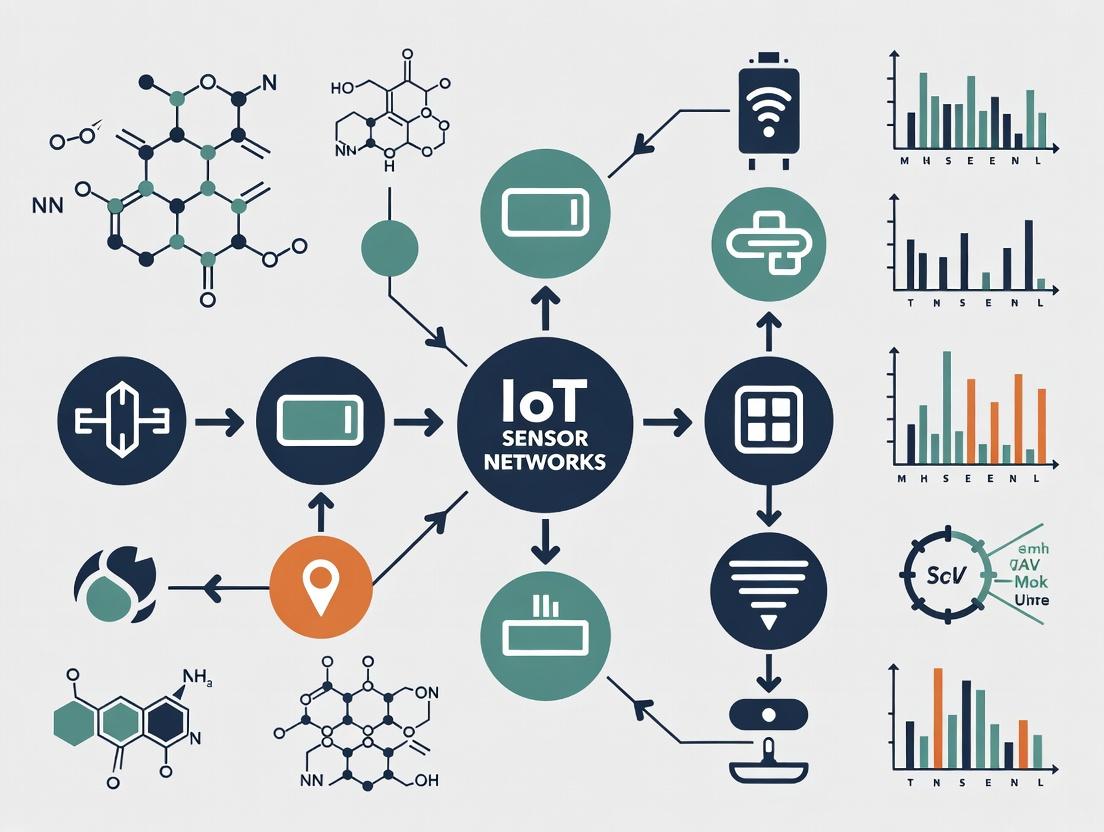
This article provides a comprehensive overview of IoT sensor networks for real-time biomass quality monitoring, tailored for researchers, scientists, and drug development professionals.
Real-Time Precision: How IoT Sensor Networks Are Revolutionizing Biomass Quality Monitoring in Pharmaceutical Development
Abstract
This article provides a comprehensive overview of IoT sensor networks for real-time biomass quality monitoring, tailored for researchers, scientists, and drug development professionals. We explore the foundational principles, from the role of biomass in biopharmaceuticals to core IoT architecture and sensor types (e.g., pH, dissolved oxygen, biomass probes). The methodological section details implementation strategies, data integration platforms (like AWS IoT or Azure), and applications in upstream fermentation and cell culture. We address critical troubleshooting for sensor drift, calibration, and network reliability, alongside optimization techniques for data analytics and predictive modeling. Finally, we validate these systems through comparative analysis with traditional offline methods, discuss regulatory compliance (GMP/GLP), and present case studies demonstrating improved yield and consistency. The conclusion synthesizes the transformative potential of IoT-driven monitoring for accelerating bioprocess development and ensuring product quality.
The Foundation of Smart Bioprocessing: Understanding IoT Sensor Networks for Biomass
Why Biomass Quality is Critical in Biopharmaceutical Production
In biopharmaceutical production, biomass—typically microbial, mammalian, or insect cell cultures—is the foundational biocatalyst. The quality of this biomass directly dictates the yield, post-translational modification fidelity, and overall safety profile of therapeutic proteins, monoclonal antibodies, and advanced vaccines. Critical Quality Attributes (CQAs) of biomass, including viability, metabolic activity, and morphological state, are influenced by upstream process parameters. This document details application notes and protocols within a broader research thesis on deploying IoT sensor networks for real-time, in-line monitoring of these attributes to enable predictive bioprocessing and ensure robust, consistent drug substance production.
Application Notes: Impact of Biomass Quality on Product CQAs
Compromised biomass quality leads to significant downstream challenges, directly impacting product Critical Quality Attributes (CQAs). The following table summarizes key relationships and quantitative impacts.
Table 1: Impact of Biomass Quality Attributes on Biopharmaceutical Production Outcomes
| Biomass Quality Attribute | Target Range (Typical) | Sub-Optimal Condition | Direct Impact on Product CQAs | Process Impact |
|---|---|---|---|---|
| Viability | >90% (Production phase) | <70% | Increased host cell protein (HCP) & DNA levels; Risk of product fragmentation | Reduced titer; Increased purification burden |
| Specific Productivity | 20-50 pg/cell/day (mAb) | <10 pg/cell/day | Low product titer; Inconsistent glycosylation patterns | Extended culture time; Failed lot specifications |
| Apoptosis/Necrosis Rate | <5% (Early phase) | >15% | Elevated impurity load (HCP, proteases); Altered charge variants | Clogged filtration membranes; Reduced step yield in chromatography |
| Glycolytic Rate (Lactate Production) | 0.01-0.05 mmol/10^6 cells/day (Controlled feed) | >0.1 mmol/10^6 cells/day | Acidification, leading to increased acidic charge variants | Requires base addition; osmolality shift affecting cell health |
| Cell Size/Diameter | 14-16 µm (CHO cells) | >18 µm or <12 µm | Indicator of stress or cell cycle arrest; Correlates with reduced productivity | Foaming in bioreactor; Inaccurate cell counting |
Experimental Protocols
Protocol 1: Real-Time Multi-Parameter Biomass Health Assessment using IoT-Enabled Sensors
Objective: To correlate in-line IoT sensor data with offline biomass quality assays for predictive model development. Materials: Bioreactor, IoT-connected sensor suite (pH, DO, capacitance/conductivity for viable cell density, Raman or NIR probe), sterile sampling port, offline analyzer (blood gas analyzer, cell counter, metabolite analyzer). Procedure:
- Sensor Integration: Calibrate and install IoT-enabled in-line sensors for pH, dissolved oxygen (DO), and permittivity-based viable cell density. Connect sensors to a central IoT gateway transmitting data to a cloud-based analytics platform.
- Process Operation: Inoculate a CHO cell bioreactor for monoclonal antibody production. Initiate standard fed-batch process.
- Data Acquisition: Enable continuous, real-time data streaming from all in-line sensors at 1-minute intervals.
- Correlative Offline Sampling: At 12-hour intervals, aseptically sample 20 mL of culture. a. Determine viability and total cell density using a trypan blue exclusion assay on an automated cell counter. b. Quantify key metabolites (glucose, lactate, glutamine, ammonium) using a bioprocess analyzer. c. Determine product titer via Protein A HPLC.
- Data Alignment: Time-synchronize offline analytical data with the high-frequency sensor data streams.
- Analysis: Use multivariate data analysis (e.g., PLS regression) to build models predicting offline metrics (e.g., viability, lactate) from real-time sensor trends.
Protocol 2: Assessing Biomass Stress via Apoptosis Marker Detection
Objective: To quantify early-stage apoptosis as a critical, lagging indicator of biomass quality decline. Materials: Cell culture sample, annexin V binding buffer, FITC annexin V, propidium iodide (PI), flow cytometer. Procedure:
- Sample Preparation: Harvest 1 x 10^6 cells from the bioreactor. Wash cells twice with cold PBS.
- Staining: Resuspend cell pellet in 100 µL of annexin V binding buffer. Add 5 µL of FITC annexin V and 5 µL of PI (50 µg/mL stock). Incubate for 15 minutes at room temperature in the dark.
- Analysis: Add 400 µL of binding buffer and analyze within 1 hour using a flow cytometer. a. Live cells: Annexin V-/PI-. b. Early apoptotic cells: Annexin V+/PI-. c. Late apoptotic/necrotic cells: Annexin V+/PI+.
- Interpretation: A rise in early apoptotic cells (>10%) signals biomass stress, preceding a drop in viability by 12-24 hours, providing a critical window for corrective process intervention.
Visualizations
Real-Time Monitoring and Control Loop
Causes and Effects of Poor Biomass Quality
The Scientist's Toolkit: Key Research Reagent Solutions
Table 2: Essential Materials for Biomass Quality Analysis
| Reagent/Material | Function in Biomass Analysis | Example Application |
|---|---|---|
| FITC Annexin V / PI Apoptosis Kit | Differentiates live, early apoptotic, and late apoptotic/necrotic cell populations. | Protocol 2: Quantifying biomass stress markers. |
| Permittivity-Based VCD Sensors | In-line, non-invasive measurement of viable cell density via capacitance. | Core component of IoT sensor network for real-time biomass monitoring. |
| Bioprocess Metabolite Analyzer (e.g., Cedex Bio) | Automated quantification of key metabolites (glucose, lactate, glutamine, ammonium). | Offline correlation for sensor data models (Protocol 1). |
| Trypan Blue Stain (0.4%) | Vital dye that selectively stains dead cells with compromised membranes. | Standard offline viability and total cell count measurement. |
| Recombinant Protein A Resin | Affinity chromatography resin for specific capture of monoclonal antibodies. | Titer measurement from supernatant to link biomass health to productivity. |
| Multivariate Data Analysis (MVDA) Software | Statistical platform for building predictive models (e.g., PLS, PCA) from complex datasets. | Analyzing IoT sensor data to predict biomass CQAs (Protocol 1). |
This application note defines the architecture of IoT sensor networks within the broader thesis research framework: "Real-time Biomass Quality Monitoring for Advanced Biotherapeutics Production." The objective is to establish a standardized, scalable network that transforms bioreactors into data-rich, cyber-physical systems for predictive process control.
Core Components of a Bioreactor IoT Sensor Network
The system integrates physical sensors, network infrastructure, and data analytics layers.
Table 1: Core IoT Network Components and Functions
| Component Layer | Example Components | Primary Function in Bioreactor Context |
|---|---|---|
| Perception/Sensing | pH, DO, pCO2, Glucose, Cell Density (e.g., capacitance), Temperature, Pressure, Optical (Raman, NIR) probes. | Convert biological/chemical/physical parameters into electrical signals. |
| Edge/Device Layer | Smart Sensor Hubs, Single-Board Computers (S.g., Raspberry Pi), Programmable Logic Controllers (PLCs). | Local data pre-processing, A/D conversion, protocol translation, and initial signal filtering. |
| Network/Connectivity | Wired (Ethernet, RS-485/Modbus), Wireless (Wi-Fi, Bluetooth Low Energy, LoRaWAN), Industrial Switches. | Secure, robust, and time-synchronized data transmission from edge to platform. |
| Platform/Processing | On-premise Servers, Cloud IoT Platforms (e.g., AWS IoT, Azure IoT), Time-Series Databases (e.g., InfluxDB). | Data aggregation, storage, advanced analytics (ML models for biomass quality prediction), and API management. |
| Application Layer | Custom Dashboards (e.g., Grafana), SCADA, Alerting Systems, Digital Twin Interfaces. | Real-time visualization, control loop integration, and researcher-facing tools for decision support. |
Architectural Blueprint & Data Flow
The architecture follows a hybrid edge-cloud model to balance real-time responsiveness with computational depth.
Experimental Protocols for Network Validation & Biomass Correlation
Protocol 4.1: Integrated Sensor Data Acquisition for VCD Prediction
- Objective: To validate IoT network performance by correlating real-time in-line capacitance (Viable Cell Density) data with off-line analytics.
- Materials: See "The Scientist's Toolkit" below.
- Method:
- Network Configuration: Calibrate and connect an in-line capacitance probe to the bioreactor's smart sensor hub. Ensure the hub is configured to sample at 1-minute intervals and stream data via Modbus TCP to the local edge gateway.
- Data Pipeline Setup: On the edge gateway, run a containerized service (e.g., Node-RED) to timestamp, log, and forward data to a cloud-based time-series database. Implement a simple moving average filter at the edge.
- Parallel Sampling: Every 12 hours, perform an aseptic sample withdrawal. Immediately analyze using the benchtop automated cell counter.
- Data Synchronization: Manually input the off-line VCD and viability results into the cloud platform via a structured form, tagging with the corresponding bioreactor run ID and sample timestamp.
- Model Training: Use a batch of completed runs to train a linear regression model (e.g., in Python) correlating processed capacitance signal (independent variable) with off-line VCD (dependent variable).
- Real-time Prediction: Deploy the model coefficients on the cloud platform to generate real-time, predicted VCD values in the researcher dashboard.
Protocol 4.2: Real-time Metabolite Monitoring via Spectral Data Fusion
- Objective: To demonstrate multi-sensor data fusion by integrating Raman spectroscopy data with pH and DO for glucose/lactate trend prediction.
- Method:
- Sensor Integration: Interface the Raman spectrometer's API with the edge gateway via a secure WebSocket connection. pH and DO data are streamed via the standard smart hub.
- Time Alignment: Implement a data alignment microservice on the cloud platform that synchronizes all data streams using ingestion timestamps, creating unified data points.
- Reference Analytics: At defined metabolic phases (lag, exponential, stationary), take samples for HPLC analysis of glucose and lactate concentration.
- Multivariate Analysis: Using historical aligned data (Raman spectra, pH, DO) and HPLC reference data, develop a Partial Least Squares Regression (PLSR) model.
- Deployment: The cloud platform runs the PLSR model on incoming aligned data streams, outputting predicted metabolite concentrations to the dashboard.
The Scientist's Toolkit: Research Reagent Solutions & Essential Materials
Table 2: Key Research Reagents and Materials for IoT-Enabled Bioreactor Studies
| Item Name | Supplier Examples | Function in Experiment |
|---|---|---|
| In-line Capacitance Probe | Aber Instruments (Solo), Hamilton (VisiFerm DO/Cap) | Non-invasive, real-time monitoring of viable cell density via dielectric spectroscopy. |
| Raman Spectrometer with Probe | Endress+Hauser (RSM700), Tornado Spectral Systems | Provides in-line spectral data for multivariate prediction of metabolites (glucose, lactate, titer). |
| Bench-top Automated Cell Counter | Thermo Fisher (Countess), Nexcelom (Cellometer) | Provides gold-standard off-line VCD and viability data for calibrating and validating in-line sensors. |
| Bioanalyzer / HPLC System | Agilent (Bioanalyzer 2100, Infinity II HPLC) | Quantifies critical quality attributes (CQAs) like metabolite concentrations or protein titer for model training. |
| Single-Use Bioreactor (SUB) | Sartorius (BIOSTAT STR), Cytiva (Xcellerex) | Flexible, scalable vessel integrated with pre-installed sensor ports for IoT network deployment. |
| Calibration Standards (pH, DO) | Mettler Toledo, Hamilton | Essential for maintaining sensor accuracy; protocol requires 2-point calibration pre-run. |
| Process Automation Software | Sartorius (SIMCA), Umetrics (MVDA Suite) | Used for developing and validating PLS-R and other multivariate data analysis models from fused IoT data streams. |
Table 3: Performance Metrics of IoT Sensor Networks in Bioreactor Monitoring
| Study Focus | Key IoT-Enabled Metric | Reported Accuracy vs. Off-line | Sampling Frequency | Latency (Sensor to Dashboard) |
|---|---|---|---|---|
| VCD Prediction via Capacitance | Correlation (R²) | R² = 0.95 - 0.99 | 1 - 60 seconds | < 5 seconds |
| Metabolite Prediction via Raman/PLS | Root Mean Square Error (RMSE) | Glucose: RMSE 0.2 - 0.5 g/L | 2 - 5 minutes | < 30 seconds |
| Multi-bioreactor Network Scalability | Data Packet Loss | < 0.1% in wired setups; < 1% in optimized wireless | N/A | N/A |
| Early Anomaly Detection (e.g., Contamination) | Time Advantage over Off-line | 6 - 24 hours earlier detection | Continuous | < 10 seconds for alert generation |
Within the framework of IoT sensor networks for real-time biomass quality monitoring, the selection of appropriate sensor technology is critical. This document provides application notes and detailed protocols for three primary sensor types used for real-time biomass assessment: capacitance, optical density, and metabolite probes. These sensors form the core of a networked bioreactor system, enabling continuous data acquisition for research and drug development.
Capacitance Sensors for Viable Biomass
Application Notes: Capacitance sensors operate on the principle of dielectric spectroscopy, measuring the polarization of cells in a radio-frequency electric field. This signal is proportional to the volume of viable biomass with intact cell membranes, as non-viable cells and gas bubbles do not polarize similarly. It is particularly valuable for distinguishing viable cell concentration (VCC) in processes involving apoptosis or cell lysis, common in mammalian cell culture for biologics production.
Quantitative Data Summary:
Table 1: Comparison of Capacitance Sensor Performance Parameters
| Parameter | Typical Range | Key Advantage | Primary Limitation |
|---|---|---|---|
| Frequency Range | 0.1 - 20 MHz | Selective for viable cells | Requires calibration curve |
| Measurement Range (VCC) | 10^5 - 10^8 cells/mL (mammalian) | Insensitive to gas bubbles & debris | Signal affected by cell size/shape changes |
| In-line Probe Diameter | 12 mm or 19 mm (standard) | Real-time, non-invasive monitoring | Higher initial cost than OD |
| Typical Accuracy | ±10-15% of reading | Direct correlation to viable volume |
Detailed Protocol: In-Line Calibration of a Capacitance Probe for CHO Cell Culture
Objective: To establish a correlation between capacitance (in pF/cm) and off-line viable cell count. Materials: Bioreactor with in-line capacitance probe (e.g., Aber Futura, Hamilton Arc), automated cell counter (e.g., NucleoCounter NC-200), CHO cell culture in exponential growth phase, sterile sample vials. Procedure:
- System Setup: Install and sterilize the capacitance probe in the bioreactor according to manufacturer specifications (e.g., in-situ steam sterilization at 121°C for 20 minutes). Integrate the probe transmitter into the IoT network via a Modbus RTU or TCP/IP gateway.
- Baseline Calibration: With the bioreactor containing only culture medium (no cells), record the baseline capacitance value. This is the "zero" offset.
- Parallel Sampling: Over the course of a batch culture, take representative 2 mL aseptic samples from the bioreactor every 12-24 hours.
- Off-Line Analysis: Immediately analyze each sample for viable cell concentration using the automated cell counter. Perform duplicate counts for statistical reliability.
- Data Pairing: For each sample time point, record the average capacitance reading from the probe (over a 5-minute period centered on the sample time) and the corresponding VCC from the cell counter.
- Model Fitting: Plot VCC (y-axis) against capacitance (x-axis). Fit a linear or second-order polynomial regression model. Upload the model coefficients to the IoT sensor network's data processing layer for real-time VCC estimation.
Title: Capacitance IoT Calibration & Data Flow
Optical Density (OD) and Turbidity Sensors
Application Notes: Optical density sensors measure the scattering and absorption of light (typically at 600-700 nm) by particles in suspension. They provide a rapid, cost-effective estimate of total biomass but cannot distinguish between viable and non-viable cells, or cells and inert particles. They are ideal for microbial fermentation (E. coli, yeast) where cell lysis is minimal in the growth phase.
Quantitative Data Summary:
Table 2: Comparison of Optical Sensor Modalities
| Sensor Type | Wavelength | Measurement Range (OD) | Path Length | Key Consideration |
|---|---|---|---|---|
| Transmission (Broadband) | 600-700 nm | 0 - 5 OD | 2-5 mm | Prone to fouling; requires dilution for high OD |
| Back-Scatter (Nephelometry) | 850+ nm | 0.001 - 200 OD | N/A | Less sensitive to window fouling |
| In-situ Probe (Optical Fiber) | 620 nm, 850 nm | 0 - 100 g/L (dry weight) | 3 mm (transflective) | Suitable for high-density cultures |
Detailed Protocol: Validating an In-Line OD Probe for E. coli Fermentation
Objective: To validate in-line OD readings against off-line spectrophotometer measurements and dry cell weight (DCW). Materials: Bioreactor with in-line OD probe (e.g., Hamilton TruBlue, PreSens), bench-top spectrophotometer, pre-weighed dry glass fiber filters, oven, vacuum filtration unit, E. coli culture. Procedure:
- Probe Installation & Zeroing: Install the sterilized probe. Zero the probe in clean, sterile growth medium before inoculation.
- Correlation with Off-line OD: During fermentation, take samples. Dilute samples linearly with fresh medium to an estimated OD600 < 0.6. Measure diluted sample OD600 in a spectrophotometer (1 cm pathlength). Calculate the original sample OD by multiplying by the dilution factor. Plot in-line probe reading (y-axis) against off-line spectrophotometer OD600 (x-axis) to generate a correlation curve.
- Correlation with Dry Cell Weight (DCW): For key time points, take a known volume (e.g., 10 mL) of broth. Filter through a pre-weighed dry glass fiber filter under vacuum. Wash the filter with 2 volumes of deionized water. Dry the filter at 105°C for 24 hours. Cool in a desiccator and weigh. Calculate DCW (g/L) = (Filter weight with cells - Tare weight) / Sample volume (L). Plot DCW (y-axis) against in-line OD probe reading (x-axis) to establish a biomass correlation.
- IoT Integration: Stream the validated OD data to the network cloud platform, applying the correlation model in real-time to report estimated DCW.
Title: Optical Density Validation Workflow
Metabolite Probes (Biochemical Sensors)
Application Notes: Metabolite probes measure specific extracellular biochemical compounds (e.g., glucose, lactate, glutamate, dissolved O2/CO2) using enzymatic, electrochemical, or optical (fluorescence) principles. They are crucial for monitoring metabolic states and ensuring quality control in sensitive bioprocesses like monoclonal antibody production. IoT integration allows for dynamic feeding strategies (fed-batch) and rapid anomaly detection.
Quantitative Data Summary:
Table 3: Common Metabolite Probes and Their Specifications
| Analyte | Sensor Principle | Typical Range | Response Time (t90) | Key Application |
|---|---|---|---|---|
| Glucose | Enzymatic (Glucose Oxidase) Amperometric | 0.05 - 25 g/L | < 60 sec | Fed-batch control, substrate limitation studies |
| Lactate | Enzymatic (Lactate Oxidase) Amperometric | 0.1 - 15 g/L | < 90 sec | Metabolic shift indicator (Warburg effect) |
| Dissolved O2 | Optical (Fluorescence Quenching) | 0 - 300% air sat. | < 30 sec | Aerobic process control, oxygenation stress |
| pH | Potentiometric (Glass Electrode) | 0 - 14 pH | < 30 sec | Critical process parameter (CPP) for growth |
| CO2 (pCO2) | Severinghaus-type Electrode or Optical | 0 - 500 mmHg | 1-3 min | Control of bicarbonate buffer, metabolic rate |
Detailed Protocol: Implementing a Real-Time Glucose Monitoring & Feedback System
Objective: To maintain glucose at a setpoint (e.g., 2 g/L) in a mammalian cell culture using an in-line enzymatic probe and a networked peristaltic pump. Materials: Bioreactor with in-line sterilizable glucose probe (e.g., YSI 2950, Finesse GlucCell), peristaltic pump with IoT-enabled controller, concentrated glucose feed stock (500 g/L), bioreactor control software with PID algorithm. Procedure:
- Probe Calibration: Prior to sterilization, perform a 2-point calibration of the glucose probe in standard solutions (e.g., 0 g/L and 10 g/L). Confirm calibration post-sterilization with a single-point check using a known standard.
- System Integration: Connect the probe analog output (4-20 mA) to the IoT network's analog input module. Connect the peristaltic pump controller to a digital output module on the same network.
- PID Loop Configuration: In the cloud/edge process control software, configure a PID (Proportional-Integral-Derivative) control loop. Set the glucose concentration as the Process Variable (PV) and the pump speed as the Manipulated Variable (MV). Define the setpoint (SP) as 2.0 g/L. Tune PID parameters (Kp, Ki, Kd) based on process dynamics.
- Feedback Control Operation: During the culture, the control software reads the real-time glucose value from the network. The PID algorithm calculates the required pump speed to correct any deviation from the setpoint. The pump speed command is sent via the network to the pump controller.
- Data Logging & Alerts: All glucose readings, pump commands, and PID calculations are logged. Configure automated alerts if glucose deviates beyond acceptable limits (>±0.5 g/L from SP for >15 minutes).
Title: Glucose Feedback Control via IoT Network
The Scientist's Toolkit: Key Research Reagent Solutions
Table 4: Essential Materials for Sensor-Based Biomass Monitoring
| Item | Function & Application |
|---|---|
| Sterilizable In-line Sensor Probes (Capacitance, OD, Metabolite) | Direct, real-time measurement within the bioreactor; designed for steam-in-place (SIP) sterilization. |
| NucleoCounter NC-200 or Vi-CELL BLU | Provides gold-standard off-line viable cell count and viability for calibration of in-line sensors. |
| Pre-weighed Glass Fiber Filters (0.45 µm pore) | For determining dry cell weight (DCW), a key offline metric for total biomass correlation. |
| Single-Use, Sterile Sampling Systems (e.g., Flownamics, cellSENS) | Enables automated, aseptic sampling for offline analytics without manual intervention. |
| Sensor Calibration Standards (e.g., 0.9% NaCl for OD zero, Glucose/Lactate ampoules) | Essential for pre- and post-run calibration to ensure sensor accuracy and data integrity. |
| IoT Gateway with Modbus/TCP-IP Capability | Bridges legacy sensor signals to modern IP networks for cloud data aggregation and analysis. |
| Process Control Software (e.g., Lucullus PIMS, LabVIEW) | Platform for implementing PID loops, data visualization, and setting alert thresholds. |
| Concentrated Feed/Supplement Stocks (Glucose, Amino Acids) | Used in fed-batch processes where metabolite probes trigger automated feeding protocols. |
Within the context of IoT sensor networks for real-time biomass quality monitoring research, a connected bioprocess represents a paradigm shift. This architecture enables the continuous, non-invasive collection of critical process parameters (CPPs) and quality attributes (CQAs) from bioreactors, transforming raw data into actionable process intelligence. This application note details the implementation protocols for establishing such a data flow, from sensor to cloud-based analytics, to support advanced research in cell culture and fermentation processes.
System Architecture & Data Flow Protocol
A functional IoT network for bioprocessing requires the seamless integration of three tiers. The following protocol establishes a robust data pipeline.
Protocol 2.1: Deploying a Three-Tier IoT Sensor Network for Bioreactor Monitoring
Objective: To install and configure a system for continuous, real-time data acquisition from bench-scale (3L) bioreactors for mammalian cell culture (e.g., CHO cells).
Materials:
- Bioreactor equipped with traditional analog sensors (pH, DO, temperature, pressure).
- Supplementary digital inline sensors (e.g., Raman spectrometer for metabolites, capacitance probe for viable cell density).
- IoT-enabled sensor nodes (e.g., with Modbus RTU/ TCP, analog inputs).
- Industrial IoT Gateway (e.g., equipped with OPC UA server capability).
- Secure network switch and cabling.
- Cloud platform subscription (e.g., AWS IoT Core, Azure IoT Hub, or GCP IoT Core).
- Data visualization/analytics software (e.g., Grafana, Pi Vision).
Procedure:
- Sensor Layer Configuration:
- Mount and calibrate all inline sensors according to manufacturer specifications.
- Connect analog sensors (4-20mA outputs) to the designated channels on the IoT sensor node.
- Connect digital sensors (e.g., via RS-485) to the communication ports on the sensor node. Configure node with unique device ID and sampling frequency (e.g., every 30 seconds).
- Gateway Layer Deployment:
- Physically connect all sensor nodes to the Industrial IoT Gateway via Ethernet.
- On the gateway, configure drivers to read data from each sensor node (using Modbus protocol).
- Establish an OPC UA server on the gateway. Tag each data point (pH, DO, Temp, VCD, etc.) with a unique, descriptive identifier.
- Configure the gateway’s firewall and network settings to allow outbound communication to the cloud on specific ports (e.g., MQTT over TLS on port 8883).
- Cloud Platform Integration:
- On the chosen cloud platform, register the gateway as a new IoT device. Generate and download security certificates (X.509 recommended).
- Install the security certificates on the IoT gateway.
- Configure the gateway to establish a secure MQTT connection to the cloud IoT endpoint using the certificates.
- Create a topic structure (e.g.,
bioreactor/unit01/sensor/do) and map OPC UA tags to MQTT topics for publication.
- Data Validation & Workflow:
- Initiate data flow. Verify time-series data appears in the cloud platform's registry.
- Set up a simple cloud function (e.g., AWS Lambda) to write incoming data to a time-series database (e.g., Amazon Timestream, InfluxDB).
- Connect a visualization tool to the database to create real-time dashboards.
Table 1: Representative Data Flow Metrics & Performance Benchmarks
| Layer | Component | Key Metric | Typical Performance Benchmark | Impact on Research |
|---|---|---|---|---|
| Sensor | Inline Capacitance Probe | Measurement Accuracy | ±5% of reading for VCD range 1e6-1e8 cells/mL | Determines reliability of growth kinetic models. |
| Node/Gateway | Data Transmission | Sampling Frequency | Configurable: 10 sec to 10 min intervals | Higher frequency enables detection of transient process upsets. |
| Network | Gateway to Cloud | Data Latency | < 2 seconds under stable network conditions | Near real-time feedback for monitoring and control algorithms. |
| Cloud | Data Ingestion Pipeline | System Uptime | >99.9% (cloud service SLA) | Ensures data integrity for long-term (14+ day) perfusion studies. |
Diagram Title: Three-Tier IoT Data Flow for Bioprocess Monitoring
Experimental Protocol: Real-Time Correlation of Multi-Sensor Data with Offline Assays
This protocol validates the IoT data stream against gold-standard offline measurements.
Protocol 3.1: Correlating Inline Capacitance Data with Offline Viable Cell Count
Objective: To establish a reliable correlation model between inline permittivity (pF/cm) and offline viable cell density (cells/mL) for a specific cell line and process.
Materials:
- Bioreactor with configured IoT sensor node and inline capacitance probe.
- Automated cell counter or hemocytometer with trypan blue.
- Aseptic sampling kit.
- Cloud database configured per Protocol 2.1.
Procedure:
- Initiate a batch culture of CHO cells in a 3L bioreactor. Begin data logging via the IoT network.
- Synchronization: Note the exact timestamp (
t=0) of inoculation in the cloud database log. - Sampling Schedule: Every 12 hours, perform an aseptic sample withdrawal.
- Immediately analyze sample for total and viable cell density using the offline method.
- Record the exact sampling time.
- Data Alignment:
- In the cloud database, query the inline capacitance value (averaged over a 1-minute window) corresponding to each exact offline sample time.
- Modeling:
- Export paired data (Capacitance vs. VCD) to statistical software (e.g., JMP, Python SciPy).
- Perform linear regression to generate a cell-line specific calibration curve.
- Implementation:
- Upload the regression coefficients (slope, intercept) to the cloud.
- Configure a cloud function to calculate real-time estimated VCD from the live capacitance data stream and populate a new data field in the dashboard.
Table 2: Example Correlation Data from a CHO Cell Batch Run
| Process Time (hr) | Inline Capacitance (pF/cm) | Offline VCD (x10^6 cells/mL) | Estimated VCD from Model (x10^6 cells/mL) | Deviation (%) |
|---|---|---|---|---|
| 24 | 4.5 | 1.2 | 1.18 | -1.7 |
| 48 | 10.1 | 3.1 | 3.05 | -1.6 |
| 72 | 14.8 | 5.9 | 6.12 | +3.7 |
| 96 | 12.2 | 4.8 | 4.73 | -1.5 |
Diagram Title: Workflow for Correlating Inline IoT and Offline Data
The Scientist's Toolkit: Research Reagent & Solution Essentials
Table 3: Essential Research Reagents & Materials for IoT-Enhanced Bioprocess Research
| Item | Function/Application | Key Consideration for Connected Processes |
|---|---|---|
| Inline Biosensors (e.g., capacitance, Raman, NIR probes) | Provide real-time, non-invasive measurements of key variables (VCD, metabolites, product titer). | Must have digital output (e.g., Modbus) compatible with IoT nodes. Calibration stability directly impacts data quality. |
| Single-Use Bioreactor Assemblies | Disposable vessel for cell culture, often pre-fitted with sensor ports. | Ensure ports are compatible with the diameter and fitting type of chosen inline sensors. |
| Cell Culture Media & Feeds | Defined formulations for cell growth and protein production. | IoT data can trigger automated feeding (via gateway) based on metabolite levels (e.g., glucose). |
| Calibration Buffer Solutions (pH 4.0, 7.0, 10.0) | For periodic calibration of traditional electrochemical sensors. | Calibration events and results should be logged digitally in the cloud to track sensor drift. |
| Connection Kits & Cables (e.g., M12, Ethernet, RS-485) | Provide physical link between sensors, nodes, and gateway. | Use industrial-grade, shielded cables in lab environments to reduce signal noise. |
| Cloud Data Analytics License (e.g., for TrendMiner, Seeq, or custom Python) | Advanced time-series analysis, pattern recognition, and predictive modeling. | Essential for extracting research insights from high-density IoT data streams. |
Current Challenges in Traditional Biomass Sampling and the IoT Value Proposition
This document, framed within a thesis on IoT sensor networks for real-time biomass quality monitoring, outlines the significant limitations of conventional biomass sampling methods and presents the value proposition of integrated IoT solutions. The focus is on biomass feedstocks for pharmaceutical and bio-based product development, where quality consistency is paramount.
Current Challenges in Traditional Biomass Sampling
Traditional methods for assessing biomass quality (e.g., for plant-derived APIs, fermentation feedstocks) are characterized by manual, point-in-time sampling leading to critical bottlenecks.
Quantified Limitations
The following table summarizes the core challenges with supporting quantitative data from recent industry analyses.
Table 1: Quantitative Analysis of Traditional Sampling Challenges
| Challenge Category | Specific Issue | Typical Impact / Metric |
|---|---|---|
| Temporal Resolution | Manual, discrete sampling intervals. | Data points often hours or days apart, missing dynamic process variations. |
| Spatial Resolution | Limited number of manual sampling points. | < 0.1% of total biomass volume is typically assayed; high risk of missing heterogeneity. |
| Latency to Analysis | Time from sampling to lab result. | Ranges from 2 hours to 48+ hours, preventing real-time process control. |
| Labor & Cost | Skilled technician time, lab consumables. | Can account for 15-30% of total quality management cost in biorefining operations. |
| Risk of Degradation | Sample degradation during storage/transit. | Key metabolites (e.g., certain alkaloids, terpenes) can degrade by 5-20% before analysis. |
| Data Integration | Manual data logging and transcription. | Error rates in manual entry estimated at 2-4%; data silos delay cross-disciplinary insight. |
Impact on Research & Development
These challenges directly impede research reproducibility, scale-up studies, and the establishment of robust quality attributes (Critical Quality Attributes - CQAs) for regulatory filings. The lack of granular, real-time data extends development timelines and increases risk during technology transfer.
The IoT Sensor Network Value Proposition
IoT-based monitoring proposes a paradigm shift through spatially distributed, connected sensors providing continuous, real-time data streams on key biomass quality parameters.
Key Value Drivers
- Real-Time, In Situ Monitoring: Continuous tracking of parameters (moisture, key metabolites via spectroscopic probes, temperature, pH in slurries) without sample removal.
- High-Density Spatial Mapping: Networks of low-cost sensors reveal previously unmeasurable heterogeneity within a biomass pile or bioreactor.
- Predictive Quality Analytics: Machine learning models applied to real-time data streams can predict final product quality (e.g., predicted API concentration) days in advance, enabling proactive intervention.
- Traceability & Compliance: Automated data logging to immutable ledgers (e.g., blockchain) enhances batch traceability and supports regulatory compliance.
Table 2: IoT-Enabled vs. Traditional Biomass Quality Monitoring
| Parameter | Traditional Method | IoT Sensor Network Approach |
|---|---|---|
| Sampling Frequency | Discrete (e.g., 1/day) | Continuous (e.g., 1/min) |
| Data Latency | High (Hours to Days) | Low (Seconds to Minutes) |
| Spatial Coverage | Sparse (Point Samples) | Dense (Grid Network) |
| Primary Cost Driver | Recurring Labor/Analysis | Capital Investment (Sensor Nodes) |
| Process Control | Reactive/Feedback | Predictive/Feed-Forward |
| Data Integrity | Manual, Error-Prone | Automated, Digitally Secure |
Experimental Protocols for IoT Sensor Validation
Protocol: Validating IoT Moisture Sensors Against Reference Method
Objective: To calibrate and validate wireless in-situ moisture sensors against the standard oven-drying method (ASTM D4442) for biomass (e.g., milled plant material).
Materials: IoT moisture sensor nodes (capacitive or resistive), biomass sample, drying oven, analytical balance, data gateway, cloud dashboard.
Procedure:
- Sensor Deployment: Homogenize a large biomass batch. Insert calibrated IoT sensor probes at 5 predefined depths/locations in a controlled biomass container.
- Reference Sampling: Simultaneously, using a corer, extract a biomass sample from immediately adjacent to each sensor location. Weigh immediately (wet weight, W_wet).
- Drying: Dry reference samples in an oven at 105°C for 24 hours or until constant weight is achieved. Weigh (dry weight, W_dry).
- Data Collection: IoT sensors log moisture data (% vol/vol or % wt/wt) every 15 minutes for the 24-hour period to a central server.
- Calculation & Correlation:
- Calculate reference moisture content:
MC_ref = [(W_wet - W_dry) / W_dry] * 100%. - Extract IoT sensor reading (MC_IoT) averaged over the 5-minute period corresponding to the manual sample time.
- Perform linear regression (MCref vs. MCIoT) to generate a calibration model. Report R² and RMSE.
- Calculate reference moisture content:
Protocol: Networked Monitoring of Biomass Temperature for Stability
Objective: To map spatial temperature gradients in stored biomass to identify hotspots predictive of microbial degradation or quality loss.
Materials: Distributed temperature sensor nodes (e.g., with DS18B20 probes), mesh network protocol (e.g., LoRaWAN), gateway, visualization platform.
Procedure:
- Network Design: Design a 3D grid for sensor placement within a storage silo or pile. Deploy sensor nodes at critical points (center, near walls, top, bottom).
- Baseline Measurement: Record temperature from all nodes simultaneously at a set interval (e.g., every 30 minutes) under stable conditions for 24 hours.
- Perturbation & Monitoring: Introduce a controlled perturbation (e.g., add a batch of warmer biomass, adjust aeration). Monitor network data for 7 days.
- Data Analysis: Use geospatial interpolation on the cloud platform to create daily 3D heat maps. Identify nodes that consistently read >5°C above the spatial median, flagging them as risk zones for targeted manual inspection.
Visualizations
Diagram 1: IoT-Enabled Biomass Quality Monitoring Workflow
Diagram 2: IoT vs Traditional Data Pathway for Research
The Scientist's Toolkit: Research Reagent & Technology Solutions
Table 3: Essential Materials for IoT-Enhanced Biomass Research
| Item | Category | Function & Relevance |
|---|---|---|
| Calibrated Moisture Sensor Probes | IoT Hardware | Provide continuous, in-situ volumetric water content data, critical for stability and processing predictions. |
| Portable NIR/Vis Spectroscopic Sensors | IoT Hardware | Enable real-time, non-destructive estimation of key chemical constituents (e.g., cellulose, lignin, APIs) via calibrated models. |
| LoRaWAN/Wireless Mesh Modules | Network Hardware | Enable long-range, low-power communication between distributed sensors and a central gateway in large storage facilities. |
| Data Logging & Cloud Platform Subscription | Software/Service | Securely aggregates time-series data, provides API for research access, and enables basic visualization and alerts. |
| Reference Analytics (HPLC-MS, GC-MS) | Lab Reagent/Method | Required for developing and periodically validating calibration models for IoT spectroscopic sensors. |
| Standardized Biomass Reference Materials | Research Material | Essential for sensor calibration and inter-experiment reproducibility across different research groups. |
| Edge Computing Microcontroller (e.g., ARM Cortex-M) | IoT Hardware | Allows for preliminary data processing (filtering, feature extraction) at the sensor node, reducing bandwidth needs. |
From Theory to Bioreactor: Implementing IoT Sensor Networks for Live Biomass Tracking
Within the broader thesis on IoT sensor networks for real-time biomass quality monitoring, this protocol details the critical path for deploying robust, sterilizable sensors into bioreactor systems. Successful integration enables continuous, in situ measurement of key process parameters (e.g., pH, dissolved oxygen, glucose, biomass), forming the foundational data acquisition layer for advanced process analytics and control.
Sensor Selection Criteria for Bioprocess Monitoring
Selection is driven by the analyte, process compatibility, and network integration capabilities.
Table 1: Quantitative Sensor Selection Matrix for Common Biomass Quality Parameters
| Parameter | Primary Sensor Technology | Typical Range (Biopharma) | Accuracy (Typical) | Response Time (T90) | IoT Readiness (Digital Output) |
|---|---|---|---|---|---|
| pH | Potentiometric (Glass Electrode) | 2.0 - 12.0 pH units | ±0.01 pH | < 30 sec | Yes (Modbus, Profinet, OPC UA) |
| Dissolved O₂ | Amperometric (Clark-type) | 0 - 100% air saturation | ±0.5% air sat. | < 60 sec | Yes |
| Biomass (Cell Density) | Optical Density (OD) via Absorbance | 0 - 200 OD₆₀₀ | ±0.5% FS | < 1 sec | Yes |
| Glucose | Enzymatic (Amperometric Biosensor) | 0.1 - 50 g/L | ±5% reading | < 120 sec | Emerging (Requires calibration) |
| CO₂ | Infrared (IR) Absorption | 0 - 20% (gas phase) | ±0.2% | < 60 sec | Yes |
| Pressure | Piezoresistive | 0 - 3 bar (absolute) | ±0.1% FS | < 10 ms | Yes |
Detailed Protocols
Protocol 3.1: Pre-Sterilization Sensor Preparation & Calibration
Objective: To ensure sensor accuracy and integrity before steam sterilization (SIP). Materials: Selected sensor, calibration solutions (pH buffers: 4.01, 7.00, 10.01; 0% & 100% O₂ solutions), lint-free wipes, deionized water. Procedure:
- Visual Inspection: Examine sensor for cracks, compromised membranes, or damaged connectors.
- Cleaning: Gently wipe sensor tip with lint-free wipe moistened with deionized water.
- Calibration:
- pH: Immerse in two-point buffer solutions (e.g., 7.00 and 4.01). Record mV output and allow to stabilize. Confirm slope is between 95-102%.
- DO: Perform zero-point calibration in anaerobic sodium sulfite solution. Perform air saturation calibration in water-saturated air at process temperature.
- Documentation: Record all calibration data, slopes, offsets, and serial numbers for traceability.
Protocol 3.2: In-Place Sterilization (SIP) & Viability Testing
Objective: To sterilize the sensor integrated within the bioreactor without performance degradation. Materials: Bioreactor with integrated sensor, autoclave or clean steam supply, data acquisition system. Procedure:
- Installation: Mount sensor in bioreactor port per manufacturer's torque specifications.
- Sterilization Cycle: Subject the assembled vessel to a validated SIP cycle. Typical minimum conditions: 121°C for 30 minutes. Ensure sensor is rated for repeated exposure to these conditions.
- Post-SIP Verification:
- Electrical Check: Verify impedance and polarization voltage (for DO sensors) are within spec.
- Functional Check: Post-sterilization, in the filled vessel, perform an in situ calibration check against a calibrated, sterilized portable meter via a sample port.
- Drift Assessment: Monitor baseline signal stability for 60 minutes. Acceptable drift: <0.5% of full scale per hour.
Protocol 3.3: Integration into IoT Sensor Network
Objective: To connect the sterilized, calibrated sensor to a digital network for real-time data streaming. Materials: Sensor with digital transmitter, network gateway (e.g., Modbus to Ethernet), secured LAN, data platform (e.g., Pi System, MindSphere). Procedure:
- Physical Connection: Connect sensor transmitter to the network gateway via recommended protocol cable (e.g., RS-485 for Modbus).
- Network Configuration: Assign a unique IP address (if Ethernet) or node ID (if fieldbus) to the transmitter. Configure gateway for correct baud rate and parity.
- Data Mapping: Map the sensor's register addresses (holding pH, DO, temperature values) to tags in the data historian or IoT platform.
- Security & Validation: Implement network firewall rules. Validate data integrity by comparing platform-read values against local transmitter display for 24 hours. Confirm latency is < 2 seconds.
Visualizations
Title: Sensor Deployment Workflow
Title: IoT Sensor Network Architecture
The Scientist's Toolkit: Research Reagent & Material Solutions
Table 2: Essential Materials for Sensor Deployment & Calibration
| Item Name | Supplier Examples | Function in Protocol | Critical Specification |
|---|---|---|---|
| NIST-Traceable pH Buffer Solutions | Sigma-Aldrich, Thermo Fisher | Calibration of pH sensors for accurate, legally defensible data. | Certified pH values at 25°C (e.g., 4.01, 7.00, 10.01). |
| Zero-Oxygen Solution (Sodium Sulfite) | VWR, Avantor | Creates anaerobic environment for 0% calibration point of DO sensors. | Freshly prepared, < 0.01 ppm residual O₂. |
| Pre-sterilized, Single-Use Calibration Probes | Hamilton, Sartorius | For post-SIP in situ verification without risk of contamination. | Gamma-irradiated, biocompatible, validated for accuracy. |
| High-Temperature O-Ring Kit | Parker Hannifin, Apple Rubber | Ensures integrity of sensor housing during repeated SIP cycles. | EPDM or FKM material rated for >150°C continuous service. |
| Optical Density Standard Suspensions | Hellma Analytics, Cystron | Calibration and validation of in-line biomass probes. | Defined particle size, stable OD₆₀₀ value. |
| Network Protocol Simulator (Software) | Simply Modbus, OPC Router | Testing data acquisition logic prior to live sensor connection. | Supports Modbus TCP, OPC UA client/server emulation. |
For real-time biomass quality monitoring in pharmaceutical research, integrating heterogeneous sensor data streams is critical. This application note details the implementation of cloud-based data integration hubs using AWS IoT Core and Google Cloud IoT Core, establishing robust protocols for centralized data aggregation, preprocessing, and secure access for downstream analytics in drug development pipelines.
Within a broader thesis on IoT sensor networks for real-time biomass quality monitoring, this work addresses the central challenge of data fusion. Sensor networks measuring critical quality attributes (CQAs)—such as moisture, bioactive compound concentration (via spectroscopic sensors), pH, and temperature—generate high-volume, high-velocity data. A centralized integration hub is essential to aggregate, harmonize, and make this data actionable for research on biopharmaceutical feedstocks.
Platform Architecture & Quantitative Comparison
Core Service Mapping for Biomass Monitoring
Table 1: Platform Capability Mapping for IoT Sensor Data Aggregation
| Capability | AWS IoT Core | Google Cloud IoT Core |
|---|---|---|
| Protocol Support | MQTT, MQTT over WSS, HTTPS, LoRaWAN | MQTT, MQTT over WSS, HTTPS |
| Device Registry | AWS IoT Device Registry | Cloud IoT Core Device Manager |
| Message Broker | AWS IoT Message Broker | Cloud Pub/Sub (integrated) |
| Default Data Pipeline | Rules Engine -> AWS Services (Kinesis, Lambda, S3) | Device -> Pub/Sub -> Dataflow/Analytics |
| Maximum Message Size | 128 KB (MQTT), 128 KB (HTTPS) | 256 KB (MQTT), 10 MB (HTTPS) |
| Security Standard | X.509 certs, IAM policies | X.509 certs, IAM roles |
| Real-time Processing | IoT Analytics, Lambda | Cloud Dataflow, Cloud Functions |
| Typical Latency (Pub to Sub) | < 1 second (regional) | < 1 second (regional) |
| Data Retention (unprocessed) | Not applicable (broker) | 7 days (Pub/Sub retention) |
Table 2: Cost Estimation for High-Frequency Biomass Sensor Network (Monthly, 1000 devices)
| Cost Component | AWS IoT Core (Estimated) | Google Cloud IoT Core (Estimated) |
|---|---|---|
| Messaging ($/M messages) | $1.00 (first 250M) | $0.50 (first 250M, Pub/Sub) |
| Device Registry | $0.08/device/yr (flat) | No charge |
| Data Processing (Lambda/Dataflow) | $0.20 per million GB-s | Varies by compute resource |
| Storage (Cold Archive) | S3 Glacier: ~$0.004/GB | Cloud Storage Coldline: ~$0.007/GB |
| Analytics Dashboard | QuickSight: ~$250/mo | Looker: Custom pricing |
Experimental Protocols for Hub Deployment & Validation
Protocol 1: Establishing a Biomass Monitoring Data Hub on AWS IoT Core
Objective: To create a secure, scalable data ingestion pipeline for multi-parameter biomass sensors.
Materials:
- AWS Account with IoT Core enabled.
- Simulated or physical sensors (e.g., temperature/humidity, NIR spectrometer emulator).
- Sensor certificates (generated via AWS CLI).
Procedure:
- Device Registry Setup: In AWS IoT Core, create a "Thing Group" named
biomass_reactor_sensors. Define a "Thing Type" with attributes:sensor_type,reactor_id,calibration_date. - Security Provisioning: Use the AWS IoT Core console to generate a device certificate, private key, and root CA. Attach an IoT Policy allowing
iot:Connect,iot:Publishto topicbiomass/data/${reactor_id}, andiot:Subscribe. - Rule Configuration: Create an IoT Rule using the Rule Engine.
- SQL Query:
SELECT *, topic(3) as reactor_id FROM 'biomass/data/+'. - Action: Route the message to an AWS Kinesis Data Firehose delivery stream named
biomass-raw-stream.
- SQL Query:
- Data Transformation: Configure the Kinesis Firehose stream to invoke an AWS Lambda function (
payload_transform_lambda) that converts payloads from JSON to Apache Parquet format, enriching data with aprocessed_timestamp. - Destination: Set the Firehose destination to an S3 bucket (
s3://biomass-raw-data) with prefixes partitioned by year, month, and reactor ID. - Validation: Use the AWS IoT Device Simulator to publish test payloads. Verify data flow via CloudWatch Logs and confirm Parquet files arrive in S3.
Protocol 2: Implementing a Data Hub on Google Cloud IoT Core for Real-Time Analytics
Objective: To aggregate sensor data and enable real-time stream processing for anomaly detection in biomass quality.
Materials:
- Google Cloud Platform project with billing enabled.
- Cloud IoT Core, Pub/Sub, Dataflow, and BigQuery APIs enabled.
Procedure:
- Device Registry Creation: In Cloud IoT Core, create a registry named
eu-biomass-monitoringin a regional endpoint. Create devices with IDssensor_reactorA_01, etc. Upload device public keys for authentication. - Topic Configuration: In Cloud Pub/Sub, create a topic named
biomass-sensor-telemetry. Create a subscriptionbiomass-to-bigqueryfor data persistence. - Device Connection: Configure sensors to publish payloads (JSON format) to the Pub/Sub topic via the MQTT bridge. The topic format is
/devices/{device-id}/events. - Stream Processing Pipeline:
- Deploy a pre-built Google Dataflow template (
Pub/Sub to BigQuery). - Specify the input as the Pub/Sub topic
biomass-sensor-telemetry. - Provide a BigQuery table schema (e.g.,
timestamp: TIMESTAMP, device_id: STRING, temperature: FLOAT, spectral_hash: STRING). - Run the pipeline in streaming mode.
- Deploy a pre-built Google Dataflow template (
- Real-time Alerting: Create a second Pub/Sub subscription
biomass-alerting. Use a Cloud Function triggered by this subscription. Code the function to parse messages and call the Cloud Monitoring API to create alerts if any parameter (e.g., pH) exceeds defined thresholds. - Validation: Use the
mqtt-demoPython script from Google's samples to simulate device telemetry. Monitor the Dataflow job dashboard, confirm data appears in BigQuery, and test threshold breaches trigger alerts.
Architectural & Workflow Visualizations
AWS IoT Biomass Data Pipeline
Google Cloud IoT Real-Time Analytics Pipeline
The Scientist's Toolkit: Research Reagent Solutions & Essential Materials
Table 3: Essential Components for IoT-Enabled Biomass Quality Research
| Item / Reagent Solution | Function in Research Context | Example Product/Service |
|---|---|---|
| Calibrated NIR Spectrometer Probe | Non-destructive, real-time measurement of key biomass constituents (moisture, lignin, cellulose). | Texas Instruments DLP NIRscan Nano Evaluation Module |
| Industrial pH & Temperature Sensor | Monitors bioreactor or cultivation substrate conditions critical for metabolic activity. | Honeywell Durafet II pH Sensor with temperature compensation |
| Secure Element Microcontroller | Provides hardware-based cryptographic key storage for device authentication to the cloud hub. | Microchip ATECC608A Crypto Co-processor |
| IoT Device Management Platform | Remote management, firmware updates, and health monitoring for deployed sensor networks. | AWS IoT Device Management, Google Cloud IoT Core Config |
| Time-Series Database | Optimized storage and retrieval of sequential sensor readings for trend analysis. | AWS Timestream, Google Cloud BigQuery (with partitioning) |
| Stream Processing Framework | Enables real-time data transformation, aggregation, and anomaly detection as data enters the hub. | AWS IoT Analytics, Google Cloud Dataflow (Apache Beam) |
| Data Visualization Tool | Creates dashboards for researchers to monitor multiple biomass batches and CQAs in near real-time. | Grafana with cloud connectors, Looker Studio |
This application note details protocols for real-time monitoring within upstream bioprocessing, executed as a critical validation module for a broader thesis on IoT sensor networks for real-time biomass quality monitoring. The research integrates wireless, multi-parameter sensor nodes into bioreactor systems to create a dense data acquisition network. This enables high-resolution, temporal mapping of critical process parameters (CPPs) and key performance indicators (KPIs), moving beyond offline sampling to a dynamic, quality-by-design (QbD) framework for biomass and product quality attribute prediction.
Real-Time Monitoring Platforms & Sensor Technologies
In-Line and At-Line Sensor Suites
Modern bioreactor monitoring employs a hierarchy of sensors connected via IoT gateways.
Table 1: Core IoT-Enabled Sensor Modules for Real-Time Monitoring
| Sensor Type | Measured Parameter | Principle | Frequency | IoT Integration Role |
|---|---|---|---|---|
| Dielectric Spectroscopy | Viable Cell Density (VCD) | Capacitance measurement of polarized cells | Continuous, in-line | Primary biomass health node; streams data for yield prediction. |
| Raman Spectroscopy | Concentrations of glucose, lactate, ammonia, proteins, metabolites | Molecular vibration scattering | Continuous, in-line | Multi-analyte chemical node; feeds PAT models for metabolite control. |
| Dissolved Oxygen (DO) Probe | %DO, kLa | Amperometric (Clark-type) | Continuous, in-line | Process intensity node; informs aeration/agitation control loops. |
| pH Electrode | pH | Potentiometric (glass electrode) | Continuous, in-line | Culture environment node; triggers base/acid addition. |
| In-line Microscope / Image Cytometry | Cell morphology, diameter, viability, aggregation | Digital image analysis | Periodic, at-line | Morphology node; provides visual validation of sensor data. |
| Exhaust Gas Analyzer (Mass Spectrometer) | O₂ uptake rate (OUR), CO₂ evolution rate (CER), respiratory quotient (RQ) | Mass spectrometry | Continuous, at-line | Metabolic flux node; critical for metabolic state inference. |
Data Architecture & Network Workflow
Sensor data is aggregated, pre-processed, and transmitted for analysis.
Diagram Title: IoT Sensor Network Data Flow in Bioprocessing
Experimental Protocols
Protocol A: Establishing a Real-Time Monitoring Suite for CHO Cell Culture
Objective: To implement and calibrate an IoT sensor network for monitoring a CHO cell batch/fed-batch process, correlating real-time data with offline reference analytics.
Materials & Reagents: See Scientist's Toolkit - Section 5.
Methodology:
- Sensor Sterilization & Calibration:
- Calibrate pH and DO probes according to manufacturer protocols prior to installation.
- Sterilize in-situ probes (pH, DO, capacitance, Raman) integrated within the bioreactor vessel via autoclaving (SIP) or install in pre-sterilized ports.
- Connect at-line analyzers (e.g., exhaust gas MS, image cytometer) via sterile sample loops or aseptically interfaced flow cells.
IoT Network Configuration:
- Assign a unique network ID (IP/MAC) to each sensor node.
- Configure wireless gateway to collect data from all nodes at a minimum 1-minute interval.
- Establish secure data pipeline to cloud/edge computing platform.
Bioreactor Inoculation & Process Operation:
- Inoculate bioreactor with CHO cells at a target VCD of 0.3-0.5 x 10⁶ cells/mL.
- Set initial process parameters (e.g., 37°C, pH 7.1±0.1, DO 40%).
- Initiate fed-batch protocol with nutrient feeds starting at day 3.
Real-Time Data Acquisition & Parallel Offline Validation:
- Allow the IoT network to stream data continuously (VCD via capacitance, metabolites via Raman, etc.).
- Perform daily offline sampling for reference analytics:
- Use trypan blue exclusion with a hemocytometer or automated cell counter for VCD and viability.
- Analyze metabolites (glucose, lactate, glutamine, ammonia) via bioanalyzer (e.g., Nova Bioprofile).
- Measure product titer via HPLC or Protein A chromatography.
Data Integration & Model Training:
- Synchronize offline data timestamps with real-time data streams.
- Use multivariate data analysis (e.g., PLS regression) to build models predicting offline KPIs (e.g., titer, viability) from real-time sensor spectra (e.g., Raman).
Protocol B: Monitoring Microbial Fermentation (E. coli) for Scale-Up Studies
Objective: To utilize exhaust gas analysis and soft sensors for real-time calculation of growth rates and metabolic shifts during high-cell-density E. coli fermentation.
Methodology:
- Fermentation Setup:
- Configure a stirred-tank bioreactor with defined minimal or complex media.
- Calibrate and install in-line pH, DO, and temperature probes.
- Connect the exhaust gas line to a mass spectrometer for continuous O₂ and CO₂ analysis.
Sensor Network & Soft Sensor Deployment:
- Configure the exhaust gas analyzer as a primary node in the IoT network.
- Program "soft sensors" within the data platform to calculate:
- OUR = (FlowIn * O₂%In - FlowOut * O₂%Out) / Volume
- CER = (FlowOut * CO₂%Out - FlowIn * CO₂%In) / Volume
- RQ = CER / OUR
Process Execution:
- Inoculate with a defined seed culture.
- Maintain dissolved oxygen >30% via cascade control (agitation → O₂ enrichment).
- Initiate a feed of carbon source (e.g., glycerol) upon initial batch depletion.
Real-Time Metabolic Rate Monitoring:
- Monitor the OUR and CER profiles in real-time via the dashboard.
- Identify metabolic shift from aerobic growth to potential acetate formation (characterized by a sharp rise in CER and RQ >1.1).
- Use this real-time signal to automatically trigger a reduction in feed rate to mitigate overflow metabolism.
Endpoint Correlation:
- At harvest, correlate the integrated OUR/CER profile with final dry cell weight (DCW) and recombinant protein yield.
Table 2: Representative Real-Time Data from Microbial Fermentation
| Process Time (h) | OUR (mmol/L/h) | CER (mmol/L/h) | RQ | Inferred Metabolic State | Corrective Action (via IoT Control Loop) |
|---|---|---|---|---|---|
| 8 | 12.5 | 11.8 | 0.94 | Aerobic Growth | None - Normal |
| 12 | 45.2 | 58.1 | 1.28 | Acetate Formation | Auto-reduce feed rate by 30% |
| 14 | 38.7 | 42.5 | 1.10 | Returning to Aerobic Metabolism | Maintain reduced feed |
| 20 | 22.1 | 19.8 | 0.90 | Growth-Limited | Initiate induction |
Pathway: IoT Data Triggers Process Intervention
Diagram Title: IoT Data-Driven Bioprocess Control Loop
The Scientist's Toolkit: Research Reagent Solutions & Essential Materials
Table 3: Key Materials for Real-Time Monitoring Experiments
| Item | Function & Application | Example Product/Technology |
|---|---|---|
| Single-Use Bioreactor with Sensor Ports | Provides a sterile, scalable vessel with integrated optical sensor patches for pH/DO, and ports for additional probes. | Sartorius BIOSTAT STR, Thermo Fisher HyPerforma |
| In-line Capacitance Sensor | Measures beta-dispersion to provide a label-free, real-time estimate of viable cell density (VCD). | Aber Futura, Hamilton Incyte |
| Raman Spectrometer with Probe | Enables in-situ, multi-analyte concentration monitoring of glucose, lactate, amino acids, and product titer via chemometric models. | Thermo Fisher Raman RXN2, Endress+Hauser Raman RxnAnalyzer |
| Exhaust Gas Mass Spectrometer | Precisely measures O₂ and CO₂ concentrations in exhaust gas for real-time calculation of OUR, CER, and RQ. | Thermo Fisher Prima PRO, Extrel MAX300-IG |
| At-line Image Cytometer | Automatically samples culture, stains cells, and provides detailed morphological analysis (size, viability, aggregation). | Chemometec NucleoCounter NC-202, Cedex HiRes Analyzer |
| Bioanalyzer for Metabolites | Provides rapid, at-line reference measurements for glucose, lactate, glutamine, ammonia, and ions for sensor model calibration. | Nova Biomedical BioProfile FLEX2 |
| Process Data Management Software | IoT platform for aggregating sensor data, performing multivariate analysis, and hosting soft sensors. | Sartorius ProcessPad, Synthace Digital Experiment Platform, Custom Python/Julia stacks |
| Calibration Standards (pH, DO) | Certified buffer solutions and gases for accurate pre-sterilization calibration of electrochemical probes. | Mettler Toledo buffer solutions, N₂/O₂ gas mixtures |
| Sterile Single-Use Sensor Cables | Maintains aseptic integrity while connecting in-situ probes to external transmitters. | Cables from respective sensor manufacturers (e.g., Hamilton, Broadley-James) |
Within the broader thesis on IoT sensor networks for real-time biomass quality monitoring in biopharmaceutical production, a critical research application is the systematic correlation of in-line biomass data with offline Critical Quality Attributes (CQAs) and comprehensive metabolite profiles. This protocol details methodologies for establishing these correlations to enable predictive quality monitoring and enhance process control.
Table 1: Common CQAs and Associated Metabolite Indicators for Mammalian Cell Cultures
| Critical Quality Attribute (CQA) | Target Biomolecule | Key Correlating Metabolite Indicators | Typical Target Range | Impact Level |
|---|---|---|---|---|
| Glycosylation Pattern (e.g., % Afucosylation) | Monoclonal Antibody | UDP-sugars (UDP-GlcNAc, UDP-Gal), Nucleotide Sugars, Ammonia | Afucosylation: 5-15% (process-dependent) | High |
| Charge Variants (Acidic/Basic) | Monoclonal Antibody | Lactate, Ammonium, Specific Amino Acids (e.g., Lys, Gln) | Main Isoform > 70% | High |
| Aggregation (%) | Monoclonal Antibody | Reactive Oxygen Species (ROS) markers, Glutathione ratio, Ammonia | < 2% (usually) | High |
| Potency (Specific Activity) | Therapeutic Protein | ATP/ADP ratio, TCA Cycle Intermediates (e.g., Citrate, Succinate), Essential Amino Acids | Defined per product | Critical |
| Host Cell Protein (HCP) Levels | Process-related impurity | Protease markers, Cell lysis indicators (LDH correlation) | < 100 ng/mg protein | Medium |
Table 2: IoT-Derived Biomass Parameters for Correlation
| Sensor Parameter | Measurement Principle | Correlates With | Frequency of In-line Data Capture |
|---|---|---|---|
| Capacitance (pF/cm) | Dielectric Spectroscopy | Viable Cell Density (VCD) | Every 2-5 minutes |
| Optical Density (OD) | Near-Infrared (NIR) Spectroscopy | Total Cell Density & Packed Cell Volume | Every 30 seconds |
| Dissolved Oxygen (DO) % | Fluorescence Quenching | Metabolic Shift (e.g., Oxidative to Glycolytic) | Every 10 seconds |
| pH | Electrochemical | Lactate/Ammonia production, Cell Health | Every 10 seconds |
| CO2 Evolution Rate (CER) | Off-gas Analysis (IR) | Metabolic Activity, Growth Rate | Every 1-2 minutes |
Experimental Protocols
Protocol 1: Integrated Biomass-IoT Data and Multi-omics Sampling Workflow
Objective: To collect synchronized IoT sensor data, biomass samples, and supernatant for metabolomics and product quality analysis during a fed-batch bioreactor run.
Materials:
- Bioreactor with IoT sensor suite (Capacitance, NIR, DO, pH, off-gas).
- Automated bioreactor sampling system or manual aseptic sampling ports.
- Sample vials for metabolomics (quenching solution pre-filled).
- Centrifuge, microcentrifuge tubes, -80°C freezer.
- LC-MS/MS system for targeted metabolomics.
- HPLC systems for product titer and CQA analysis (e.g., HILIC for glycosylation, CEX for charge variants).
Procedure:
- Process Setup: Initiate a fed-batch bioreactor cultivation according to the established cell line process.
- Data Synchronization: Ensure all IoT sensor clocks are synchronized to a central timestamp (UTC). Record all data (Capacitance, OD, DO, pH, CER, OUR) to a central data lake at a minimum 1-minute interval.
- Scheduled Sampling: At predetermined process milestones (e.g., end of lag phase, exponential growth, stationary phase, decline phase), withdraw a 15-20 mL sample aseptically.
- Sample Division:
- Biomass Count: Transfer 1 mL to a cell counter for reference VCD and viability measurement.
- Metabolomics: Immediately transfer 5 mL of broth into a tube containing 15 mL of cold (-40°C) 60:40 methanol:acetonitrile quenching solution. Vortex, incubate on dry ice for 15 min, then centrifuge (4°C, 10,000 x g, 10 min). Collect supernatant, aliquot, and store at -80°C for LC-MS/MS.
- Harvest: Centrifuge the remaining sample (3000 x g, 5 min). Filter the supernatant (0.22 µm) and aliquot for immediate or frozen (-20°C) CQA analysis.
- Correlative Analysis: Align all datasets (IoT timeseries, VCD, metabolomics, CQAs) using the synchronized timestamps for multivariate statistical modeling.
Protocol 2: Targeted LC-MS/MS Metabolite Profiling for Process Correlation
Objective: To quantify central carbon and energy metabolism metabolites linked to CQAs.
Chromatography:
- Column: HILIC column (e.g., Acquity UPLC BEH Amide, 2.1 x 100 mm, 1.7 µm).
- Mobile Phase A: 95:5 Water:Acetonitrile with 20 mM ammonium acetate, pH 9.0.
- Mobile Phase B: Acetonitrile.
- Gradient: 90% B to 40% B over 10 min, hold 2 min, re-equilibrate.
- Flow Rate: 0.4 mL/min. Column Temp: 40°C.
Mass Spectrometry (Triple Quadrupole):
- Ionization: ESI negative/positive mode switching.
- Detection: Multiple Reaction Monitoring (MRM). Key metabolite transitions (e.g., ATP: 506 > 159, Lactate: 89 > 43, Glutamine: 147 > 130).
- Data Analysis: Use analyte-specific standard curves for quantification. Normalize metabolite levels to VCD or total protein.
Mandatory Visualizations
Diagram Title: Integrated Biomass-CQA-Metabolite Correlation Workflow
Diagram Title: Metabolic Pathway Linking IoT Data to a CQA
The Scientist's Toolkit: Research Reagent Solutions
Table 3: Essential Materials for Biomass-CQA-Metabolite Correlation Studies
| Item | Function in Protocol | Example Product/Catalog |
|---|---|---|
| Quenching Solution for Metabolomics | Immediately halts cellular metabolism to provide a "snapshot" of intracellular metabolite levels, critical for accurate profiling. | Cold (-40°C) 60:40 Methanol:Acetonitrile with internal standards (e.g., ¹³C-labeled metabolites). |
| Targeted Metabolomics Kit | Contains pre-optimized LC-MS/MS methods and MRM transitions for specific pathways (e.g., central carbon, nucleotides), streamlining analysis. | MxP Quant 500 Kit (Biocrates), Cell Energy Phenotype Test Kit (Agilent). |
| Charge Variant Analysis Column | Separates monoclonal antibody charge isoforms (acidic, main, basic) for CQA assessment via cation-exchange chromatography. | ProPac WCX-10 Analytical Column (Thermo Fisher). |
| Glycosylation Analysis Kit | Provides enzymes (PNGase F), fluorescent tags (2-AB), and standards for N-glycan release, labeling, and HILIC analysis. | GlycanLabeling Kit / GlycoWorks RapiFluor-MS (Waters). |
| Capacitance Probe Calibration Standard | Low-conductivity solution with known dielectric properties for calibrating in-line biomass sensors, ensuring accurate VCD correlation. | Hamilton ARC (Adaptive RC) Calibration Solution. |
| Process Data Integration Software | Platform to timestamp, unify, and analyze streaming IoT sensor data with offline analytical results for correlation modeling. | SYNCTI Process Data Management, Process Pulse (Optience), or custom Python/R pipelines. |
Application Note: PAT Dashboard Architecture for Biomass Quality Monitoring
A real-time dashboard for PAT in biomass quality monitoring integrates data from IoT sensor networks, applies chemometric models, and visualizes Critical Process Parameters (CPPs) and Critical Quality Attributes (CQAs) to enable immediate process intervention.
Table 1: Key Metrics for Real-Time Biomass Quality Monitoring Dashboard
| Metric Category | Specific Parameter | Typical Data Source (IoT Sensor) | Target Update Frequency | Alert Threshold (Example) |
|---|---|---|---|---|
| Physical CPPs | Bioreactor Temperature | In-line RTD Probe | 1 second | ±0.5°C from setpoint |
| Dissolved Oxygen (DO) | Optical DO Sensor | 2 seconds | <30% saturation | |
| pH | Sterilizable pH Electrode | 5 seconds | ±0.1 pH units | |
| Biochemical CQAs | Biomass Concentration (Cell Density) | In-line Spectroscopic Probe (NIR/Raman) | 30 seconds | Trend deviation >10% |
| Metabolite Concentration (e.g., Glucose) | Flow-through Analyzer / FTIR | 1 minute | ||
| Product Titer (Therapeutic Protein) | At-line HPLC (with automated sampling) | 15 minutes | ||
| Network Status | Data Packet Loss | IoT Gateway | 10 seconds | >2% over 1 min |
| Sensor Health Status | Sensor Diagnostics | 60 seconds | Any "Fault" flag |
Protocol: Implementing a Real-Time PAT Dashboard for a Microbial Fermentation Process
Objective: To establish a live dashboard visualizing CPPs and CQAs during a E. coli fermentation for recombinant protein production, enabling real-time quality assessment.
Materials & IoT Sensor Network Setup:
- Bioreactor (e.g., 10 L working volume).
- IoT-enabled sensor suite: Calibrated probes for pH, DO, temperature, pressure.
- In-line Near-Infrared (NIR) spectrometer flow cell for biomass and substrate monitoring.
- IoT Data Gateway (e.g., industrial PC running OPC UA server).
- Central Data Historian (e.g., Time-Series Database - InfluxDB, TimescaleDB).
- Dashboard Server (e.g., Grafana, customized Node-RED interface).
- Secure Network Infrastructure.
Procedure:
- Sensor Calibration & Integration: Calibrate all in-line sensors against reference standards prior to sterilization. Configure each sensor's digital output (e.g., 4-20 mA, Modbus, OPC UA) to stream to the IoT Gateway.
- Data Pipeline Configuration: a. On the IoT Gateway, establish a secure data pipeline using MQTT or direct OPC UA subscription to publish sensor readings to the central Data Historian. b. Configure the Data Historian to store raw data and calculated variables (e.g., specific growth rate derived from NIR biomass estimates).
- Chemometric Model Integration: Deploy a validated Partial Least Squares (PLS) regression model (linking NIR spectra to offline biomass assays) on a real-time analytics server (e.g., Python Flask API). Configure the pipeline to stream pre-processed NIR spectra to this API and write the predicted values back to the Data Historian.
- Dashboard Development in Grafana: a. Connect Grafana to the Data Historian as a data source. b. Create visualization panels: * Time-series Graph: Plot DO, temperature, pH, and agitation speed. * Gauge Panel: Display real-time bioreactor volume. * Time-series Graph: Plot predicted biomass (from NIR model) and product titer (from at-line HPLC data, entered manually). * State Timeline: Display phase of fermentation (Lag, Exponential, Fed-batch, Induction). c. Implement alert rules in Grafana based on thresholds in Table 1. Configure alerts to trigger visual highlights on the dashboard and send notifications via email or messaging platform.
- Validation: Run a fermentation batch. Compare dashboard values for key parameters (pH, biomass) against offline measurements at scheduled intervals to confirm accuracy and latency (<1 minute delay).
Diagram 1: PAT Dashboard Data Flow for Biomass Monitoring
Diagram 2: Key Components of a PAT Dashboard Display
The Scientist's Toolkit: Essential Reagents & Materials for PAT Implementation
Table 2: Research Reagent Solutions for PAT Method Development & Calibration
| Item | Function in PAT Context | Example/Notes |
|---|---|---|
| NIR Calibration Standards | To build PLS models for predicting biomass and metabolites from spectral data. | Lyophilized cell pellets of known dry cell weight; glucose/serum standards at known concentrations. |
| Buffer Solutions for Sensor Calibration | For precise calibration of pH and dissolved oxygen sensors prior to batch initiation. | NIST-traceable pH 4.01, 7.00, 10.01 buffers; 0% and 100% DO standards (nitrogen gas/air-saturated medium). |
| Sterilizable Sensor Maintenance Kits | To ensure sensor integrity and data reliability over long fermentation runs. | Electrolyte filling solutions for pH probes, membranes for DO sensors, O-rings, and cleaning solutions. |
| Process Control Standards (e.g., Insulin) | For verifying the performance of at-line or in-line product titer analysis (e.g., HPLC). | Highly purified reference standard of the target biomolecule for quantitative calibration. |
| Data Pipeline Validation Tools | To verify the fidelity and timing of data from sensor to dashboard. | Software tools (e.g., MQTT clients, OPC UA test clients) to inject and trace test data packets. |
Ensuring Accuracy and Reliability: Troubleshooting and Optimizing Your Biomass IoT Network
1. Introduction
Within the research paradigm of real-time biomass quality monitoring for drug development, IoT sensor networks promise unprecedented insight into critical process parameters (CPPs) like pH, dissolved oxygen, metabolite concentrations, and viable cell density. However, the fidelity of this data is undermined by persistent technical pitfalls: Sensor Drift, Fouling, Calibration Failures, and Network Latency. This application note details protocols to identify, mitigate, and correct for these issues, ensuring data integrity for downstream scientific analysis.
2. Pitfall Analysis & Quantification
Table 1: Common Pitfalls, Impacts, and Quantitative Indicators
| Pitfall | Primary Cause | Typical Impact on Biomass Data | Quantifiable Detection Signal |
|---|---|---|---|
| Sensor Drift | Electrochemical degradation, reference electrode depletion. | Gradual offset in readings (e.g., pH ±0.05/day). | Trend line slope ≠ 0 in control buffer; exceeds manufacturer's spec (e.g., >0.1 pH unit/week). |
| Fouling | Protein/cell adhesion, biofilm formation on sensor membranes. | Damped response, increased response time (T90), signal attenuation. | Step response T90 increases >20%; signal amplitude in calibration drops >15%. |
| Calibration Failure | Buffer contamination, automated handler error, sensor fault. | Absolute accuracy loss, making all data invalid. | Calibration point residuals >±5% of span; R² of calibration curve <0.995. |
| Network Latency | Congested bandwidth, packet loss, protocol overhead. | Temporal misalignment of multi-sensor data, control lag. | Jitter >±2s for 1-min sampling; data packet loss rate >1%. |
3. Experimental Protocols for Diagnosis & Mitigation
Protocol 3.1: Concurrent In-Line/At-Line Analysis for Drift & Fouling Detection
- Objective: Quantify drift and fouling by comparing in-line sensor data with gold-standard at-line measurements.
- Materials: Bioreactor with in-line IoT sensors (pH, DO), aseptic sampler, benchtop analyzer (e.g., blood gas analyzer for pH/pCO2/pO2), data logging system.
- Method:
- Synchronize clocks of IoT sensor gateway and at-line analyzer.
- Program in-line sensors for high-frequency sampling (e.g., every 10s).
- At defined intervals (e.g., every 6 hours), perform an aseptic grab sample.
- Immediately analyze the sample in triplicate on the calibrated benchtop analyzer.
- Log the precise timestamp of sample drawing.
- Align at-line measurement timestamp with the corresponding average of in-line sensor values from ±30s surrounding that timestamp.
- Plot the difference (In-line – At-line) over time. A systematic trend indicates drift; increasing variance or step-change errors suggest fouling.
Protocol 3.2: Automated Cyclic Redundant Calibration
- Objective: Detect calibration failures and provide corrective data without manual intervention.
- Materials: Bioreactor with IoT sensor suite, automated calibration fluid injection system (3-way: pH 4.00, 7.00, 10.00 buffers; zero oxygen solution), auxiliary diagnostic sensor (e.g., conductivity to verify buffer presence).
- Method:
- Pre-program calibration cycles (e.g., every 72 hours or after detecting anomaly).
- Initiate cycle: Divert process flow, flush calibration line, inject first buffer.
- Record sensor output at equilibrium. Repeat for all buffers/solutions.
- Analyze calibration curve linearity (R²) and point residuals.
- Decision Logic: If calibration passes, apply new coefficients. If it fails, flag data since last good calibration, trigger alert, and revert to last known good coefficients or redundant sensor data.
- Flush and re-engage process flow.
Protocol 3.3: Network Latency and Packet Loss Assessment
- Objective: Characterize temporal reliability of the sensor data stream.
- Materials: IoT sensor nodes, gateway, time-synchronized network logger (e.g., using NTP), packet analyzer software (e.g., Wireshark).
- Method:
- Implement a heartbeat packet from each sensor node with a monotonically increasing sequence number and transmit timestamp.
- Capture packets at the gateway/aggregator, applying a receive timestamp.
- Calculate Latency = (Receive Timestamp – Transmit Timestamp).
- Calculate Packet Loss = 1 – (Received Sequence Numbers / Total Expected Sequence Numbers).
- Statistical Analysis: Report mean latency, jitter (standard deviation), and 99th percentile latency over a 24-hour operational period.
4. Visualizing System Logic and Workflows
Diagram Title: IoT Sensor Data Validation & Correction Workflow
5. The Scientist's Toolkit: Key Research Reagent Solutions
Table 2: Essential Materials for Sensor Maintenance & Calibration
| Item | Function & Rationale |
|---|---|
| NIST-Traceable pH Buffers (4.01, 7.00, 10.01) | Provide absolute reference points for pH sensor calibration, ensuring data traceability to international standards. |
| Zero-Oxygen Solution (Sodium Sulfite/Cobalt Chloride) | Generates a known 0% air saturation point for amperometric dissolved oxygen sensor calibration. |
| Enzymatic Cleaner (e.g., Protease-based) | Selectively degrades proteinaceous biofilms fouling optical or electrochemical sensor membranes without damaging sensitive materials. |
| Sterile, Deionized Water (Bagged, 0.22µm filtered) | Used for rinsing sensors and fluid paths without introducing contaminants or ions that could affect subsequent measurements or culture sterility. |
| Conductivity Standard Solution (e.g., 84 µS/cm) | Verifies the proper functioning of auxiliary conductivity sensors used to confirm buffer presence during automated calibration cycles. |
| Aseptic Sample Ports & Disposable Tubing Kits | Enable sterile grab sampling for Protocol 3.1, preventing bioreactor contamination during manual verification steps. |
Within the research framework of IoT sensor networks for real-time biomass quality monitoring, erratic data presents a critical challenge. This guide provides application notes and diagnostic protocols to systematically isolate and resolve sources of anomalous biomass data, ensuring the integrity of research in pharmaceutical development and bioprocessing.
Data from IoT biomass monitoring networks can be compromised by several interrelated factors. The following table categorizes primary failure modes based on a meta-analysis of recent (2023-2024) bioprocess monitoring literature.
Table 1: Prevalence and Impact of Erratic Data Sources in IoT Biomass Monitoring
| Failure Mode Category | Typical Frequency of Occurrence* | Approx. Data Deviation Range | Common IoT Sensor Types Affected |
|---|---|---|---|
| Sensor Fouling/Biofilm | 25-40% of long-term (>7-day) fed-batch runs | +15% to +300% (false high bias) | Optical density (OD), Capacitance, Fluorescence |
| Calibration Drift | 60-80% of sensors over 6 months | -20% to +25% (slow bias) | pH, Dissolved Oxygen (DO), OD, Conductivity |
| Electromagnetic Interference (EMI) | 10-20% in unshielded industrial settings | ±5% to ±50% (high-frequency noise) | Capacitance, Dielectric Spectroscopy |
| Network Packet Loss | 1-5% in standard Wi-Fi; <1% in wired/LoRaWAN | NaN or 0 values (gaps) | All networked sensors |
| Aeration/Agitation Artifact | 30-50% in high-shear microbial fermentations | ±10% to ±100% (periodic spikes) | OD, Capacitance, Fluorescence |
| Sample Zone Inhomogeneity | 15-25% in viscous mycelial or algal cultures | ±5% to ±30% (local variance) | All in-line and at-line probes |
Frequency data synthesized from recent studies in *Biotechnology & Bioengineering and Journal of Industrial Microbiology & Biotechnology.
Diagnostic Experimental Protocols
Protocol 3.1: Systematic Root-Cause Analysis for Erratic Signals
Objective: To isolate the component (sensor, network, or process) responsible for erratic biomass data.
Materials:
- IoT sensor node reporting erratic data.
- Reference sensor (benchtop spectrophotometer, microscope for cell counting).
- Calibration standards relevant to the sensor (e.g., latex beads for OD, known conductivity solutions).
- Network diagnostic tool (e.g., packet sniffer like Wireshark, IoT platform log access).
- Data acquisition system (e.g., custom Python/R scripts, historian software).
Methodology:
- Data Triage: Plot the erratic sensor's raw time-series data alongside key process parameters (agitation speed, aeration rate, temperature). Note correlation between spikes/drops and process events.
- Physical Inspection: Aseptically withdraw a sample from the bioreactor at the point of erratic data. Visually inspect the sensor probe for fouling, bubbles, or physical damage.
- In-Situ Verification: Immediately analyze the withdrawn sample using an orthogonal, off-line reference method (e.g., dry cell weight, plate count). Compare the result to the IoT sensor's reading at that moment.
- Network Diagnostic: Access the IoT gateway or platform logs for the timestamp of the erratic event. Check for packet loss, duplicate packets, or timestamp anomalies. Ping the sensor node to assess latency.
- Controlled Environment Test: If possible, remove the sensor (or a replicate) and place it in a known, stable standard solution. Record output for 10-15 minutes. Stable output indicates a process-related issue; instability indicates sensor or local node failure.
- Signal Decomposition: Apply a digital filter (e.g., low-pass) to the raw data. If the filtered signal aligns with expected growth trends, the primary issue is high-frequency noise (suggesting EMI or agitation artifact).
Protocol 3.2: Protocol for Differential Calibration & Fouling Assessment
Objective: To distinguish between sensor calibration drift and surface fouling as causes of persistent data bias.
Materials:
- IoT biomass probe (e.g., capacitance or OD probe).
- Two calibration standards: (A) Process medium only, (B) Process medium with a known concentration of inert scattering particles (e.g., 2µm monodisperse latex beads).
- Cleaning reagents (e.g., 0.5M NaOH, enzymatic cleaner).
- Data logger.
Methodology:
- Pre-Cleaning Baseline: Record the sensor's stable reading in a clean, particle-free buffer.
- Fouling Simulation: Immerse the sensor in a culture-like medium with particles (Standard B). Record the reading (
R_fouled). - Post-Fouling Buffer Check: Gently rinse the sensor and return it to the clean buffer (Step 1). Record the new reading (
R_dirty_buffer). A significant difference from the initial baseline indicates surface fouling altering the optical/electrical interface. - Cleaning: Perform a standardized cleaning cycle appropriate for the sensor.
- Post-Cleaning Calibration: Re-measure the sensor response in Standard A and Standard B.
- Analysis: Calculate two metrics:
- Fouling Index (FI):
FI = |R_dirty_buffer - Initial Baseline| - Calibration Shift (CS):
CS = |Post-cleaning response in Std B - Expected response for Std B|A high FI with a low CS indicates fouling is the primary issue. A high CS indicates inherent calibration drift requiring electronic recalibration.
- Fouling Index (FI):
Visual Diagnostics and Workflows
Title: Diagnostic Decision Tree for Erratic Biomass Data
Title: Signal Decomposition Workflow for Data Analysis
The Scientist's Toolkit: Research Reagent & Material Solutions
Table 2: Essential Reagents and Materials for Biomass Sensor Diagnostics
| Item | Primary Function in Diagnostics | Example Product/Chemical |
|---|---|---|
| Monodisperse Polystyrene Beads | Inert calibration standard for optical density (OD) and capacitance probes. Mimics cell size and scattering properties without growth. | Thermo Scientific Latex Microsphere Suspensions (2µm, 5µm) |
| Enzymatic Probe Cleaner | Breaks down proteinaceous and polysaccharide biofilms on sensor surfaces without damaging sensitive optics or membranes. | Alconox Enzyme Cleaner, Sigma-Aldrich Protease solutions |
| Traceable Buffer Standards | Provides known conductivity and pH for verifying and recalibrating ancillary sensors whose drift can affect biomass interpretation. | NIST-traceable pH 4.01, 7.00, 10.01 buffers; KCl conductivity standards |
| EMI Shielding Mesh/Tape | Temporarily wraps cables or nodes to test for electromagnetic interference as a source of high-frequency signal noise. | Copper foil tape with conductive adhesive |
| Portable Reference Spectrophotometer | Provides gold-standard off-line OD600 measurements to validate in-line IoT optical sensor readings. | Thermo Scientific GENESYS 30, or microvolume units. |
| Data Simulator/Injector Tool | Software tool that can inject simulated, clean sensor data into the IoT network to test data pipeline integrity separately from physical sensor faults. | Custom Python scripts using paho-mqtt, Node-RED inject nodes |
This application note details protocols for advanced data quality assurance within IoT sensor networks for real-time biomass quality monitoring in pharmaceutical research. The focus is on mitigating sensor drift, environmental interference, and single-point failure to ensure reliable data for critical drug development processes.
Advanced Calibration Routines
Multi-Point Nonlinear Calibration Protocol
Purpose: To correct for inherent sensor non-linearity across the operational range. Protocol:
- Reagent & Standard Preparation: Prepare a minimum of five standard solutions (e.g., for a pH sensor, use NIST-traceable buffers at pH 4.01, 7.00, 9.21, 10.01, and 12.45). For gas sensors (e.g., O2/CO2), use certified gas mixtures spanning 0-100% of expected range.
- Environmental Stabilization: Place the sensor array and standards in an environmental chamber controlling temperature at 25°C ± 0.5°C and relative humidity at 50% ± 5% for 60 minutes prior to calibration.
- Data Acquisition: Immerse or expose the sensor to each standard. Record the sensor’s raw output (e.g., voltage, ADC count) at 1 Hz for 180 seconds per standard. Compute the stable mean value for each point.
- Model Fitting: Fit the data to a 2nd or 3rd-order polynomial model:
Calibrated_Value = a*(Raw)^2 + b*(Raw) + c. Use least-squares regression to determine coefficients a, b, c. - Validation: Apply the model to a separate validation standard. The error must be < 1% of full-scale range.
Drift-Compensation via Interval Recalibration
Purpose: To correct for temporal drift using an automated in-situ reference. Protocol:
- System Design: Integrate a sealed, stable reference cell (containing a known concentration analyte) and a micro-fluidic or gas-handling system into the bioreactor or monitoring point.
- Scheduler Programming: Configure the IoT edge device to initiate a recalibration cycle every 24 hours or prior to a critical sampling event.
- Execution Cycle: a. Isolation: Divert sensor from process stream. b. Purging: Flush sensor chamber with inert carrier gas/buffer for 60 seconds. c. Reference Exposure: Expose sensor to the reference cell material for 120 seconds. d. Baseline Correction: Record the deviation (Δ) from the expected reference value. e. Adjustment: Apply Δ as an offset correction to all subsequent measurements until the next cycle. f. Return: Purge and re-connect sensor to process stream.
Redundant Sensor Strategies
Heterogeneous Sensor Fusion Protocol
Purpose: To increase reliability and accuracy by fusing data from different sensor types measuring the same analyte. Protocol:
- Array Deployment: Co-locate at least two sensor types (e.g., for dissolved oxygen, deploy an amperometric Clark-type electrode and a fluorescent optode).
- Synchronized Data Collection: Configure both sensors to sample at an identical frequency (e.g., 0.1 Hz). Timestamp all data using a network-synchronized clock (NTP/PTP).
- Discrepancy Detection: Calculate a moving window (e.g., 10-minute) Pearson correlation between the two data streams. Flag discrepancies where r < 0.7.
- Data Fusion: On unflagged data, apply a Kalman filter to merge the streams, weighting each sensor by the inverse of its historical variance to produce a single, high-confidence output value.
Voting Logic for Fault Detection and Isolation
Purpose: To identify and isolate a faulty sensor within a homogeneous redundant array. Protocol:
- Triplicate Cluster Deployment: Install three identical sensors (S1, S2, S3) in the same physical location.
- Real-Time Comparison: At each time step
t, calculate the pairwise absolute difference: |S1-S2|, |S2-S3|, |S1-S3|. - Thresholding & Voting: Define an allowable deviation threshold
T(e.g., 2x the sensor's stated precision). If two differences exceedTand one is withinT, a fault is identified. Example: If |S1-S2| > T, |S1-S3| > T, but |S2-S3| < T, then S1 is identified as faulty. - Output Selection: The system output is the median value of the two agreeing sensors. An alert is logged to the IoT platform.
Data Presentation
Table 1: Calibration Routine Performance Comparison
| Calibration Method | Avg. Error (%) | Error Reduction vs. 2-Point | Comp. Time (min) | Suitable For |
|---|---|---|---|---|
| Single-Point (Offset) | 3.2 | Baseline | 2 | Stable environments |
| Traditional 2-Point | 1.8 | -- | 5 | Linear sensors |
| 5-Point Nonlinear | 0.5 | 72% | 18 | Critical assays |
| Interval Recalibration | 0.7 (over 7 days) | 61% (vs. drift) | 3 (per cycle) | Long-term monitoring |
Table 2: Redundancy Strategy Impact on System Uptime
| Strategy | Fault Detection Rate | Mean Time To Isolate Fault | Data Availability |
|---|---|---|---|
| Single Sensor (Baseline) | N/A | N/A | 95.0% |
| Homogeneous Triple Voting | 99.2% | < 2 sec | 99.95% |
| Heterogeneous Dual Fusion | 95.5% | < 60 sec (via correlation) | 99.8% |
Visualization
Title: Nonlinear Calibration Workflow
Title: Heterogeneous Sensor Fusion Logic
Title: Triple Redundant Voting System
The Scientist's Toolkit
Table 3: Essential Research Reagent Solutions & Materials
| Item Name | Function in Protocol |
|---|---|
| NIST-Traceable Buffer/Gas Standards | Provide absolute reference points for accurate sensor calibration across the measurement range. |
| Environmental Chamber | Controls temperature and humidity during calibration to isolate sensor response from environmental variables. |
| Micro-fluidic Switching System | Automates sensor exposure to process streams and calibration references for interval recalibration. |
| Stable Reference Cell | Contains a sealed, known-concentration analyte for in-situ drift checks without external standards. |
| Kalman Filter Algorithm Library | Software library for real-time sensor data fusion, reducing noise and improving estimate accuracy. |
| Network Time Protocol (NTP) Server | Ensures microsecond-level synchronization of data timestamps across the IoT sensor network. |
| Triple-Redundant Sensor Mount | Physical housing that co-locates three identical sensors in an identical microenvironment. |
Within a thesis framework on IoT sensor networks for real-time biomass quality monitoring, this document details the application of machine learning (ML) to transform multi-sensor data into predictive insights for biomass cultivation. The focus is on optimizing growth conditions for microbial or algal biomass in biopharmaceutical contexts and detecting process anomalies that compromise product quality.
Data from a standard IoT-enabled photobioreactor monitoring system.
Table 1: Primary IoT Sensor Parameters & Target Ranges for Microbial Biomass
| Sensor Parameter | Unit | Optimal Range for Growth | Sampling Frequency | Purpose in Model |
|---|---|---|---|---|
| Dissolved Oxygen (DO) | % saturation | 30-50% | 1 Hz | Primary growth correlate |
| pH | pH units | 6.8-7.2 | 1 Hz | Metabolic state indicator |
| Temperature | °C | 28-30 | 1 Hz | Enzyme activity driver |
| Optical Density (OD) | AU | 0.1-5.0 | 0.1 Hz | Direct biomass proxy |
| CO2 Evolution Rate | g/L/h | 0.05-0.2 | 0.2 Hz | Metabolic activity |
| Agitation Speed | RPM | 300-600 | 1 Hz | Mixing & mass transfer |
| Substrate Feed Rate | mL/min | 0-10 | 0.1 Hz | Nutrient availability |
Table 2: Example Anomaly Classification from Historical Batches
| Anomaly Type | Key Sensor Deviation | Duration to Detection (Hrs) | Impact on Final Yield (%) |
|---|---|---|---|
| Contamination | DO spike >70%, pH drop <6.5 | 2-4 | -85 to -100 |
| Nutrient Depletion | OD plateau, CO2 rate decline | 6-8 | -30 to -50 |
| Sensor Drift | pH reading divergence >0.3 units | 12-24 | Variable |
| Overfeeding | Substrate accumulation, temp rise | 3-5 | -20 to -40 |
Experimental Protocols
Protocol 3.1: Setup of IoT Sensor Network for Data Acquisition
Objective: To deploy and calibrate a sensor network for continuous, real-time data streaming.
- Sensor Calibration: Calibrate pH and DO probes using standard buffer solutions (pH 4.0, 7.0, 10.0) and zero-oxygen solution, respectively. Record calibration coefficients.
- Network Configuration: Connect all sensors (DO, pH, Temp, OD, CO2) to a central IoT gateway (e.g., Raspberry Pi with ADC hat). Assign a unique IP address to each sensor node.
- Data Streaming Protocol: Implement MQTT protocol for data transmission. Set publishing frequency per Table 1. Stream data to a time-series database (e.g., InfluxDB).
- Validation: Co-locate a reference sensor for 1 hour to validate stream accuracy (allowable error: pH ±0.05, DO ±2%, Temp ±0.5°C).
Protocol 3.2: Training a Predictive Model for Biomass Growth
Objective: To build a Long Short-Term Memory (LSTM) model predicting OD 6 hours ahead.
- Data Preprocessing: From the database, extract 5 historical batches (≥200 hrs each). Perform min-max normalization per feature. Handle missing data via linear interpolation.
- Feature Engineering: Create lagged features (t-1, t-2, t-3 hrs) for DO, pH, Temp, and CO2 rate. The target variable is OD at t+6.
- Model Architecture: Construct a 3-layer LSTM network (128, 64, 32 units) with dropout (0.2). Use Adam optimizer and Mean Squared Error loss.
- Training: Split data 70/15/15 (train/validation/test). Train for 100 epochs with batch size 32. Use early stopping if validation loss doesn't improve for 10 epochs.
- Evaluation: Calculate and report Mean Absolute Error (MAE) and R² on the held-out test set. Deploy model as a REST API.
Protocol 3.3: Real-Time Anomaly Detection Using Autoencoders
Objective: To detect process anomalies in real-time using an unsupervised deep autoencoder.
- Normal Data Curation: Assemble a dataset containing only "normal operation" periods from historical batches (validated by process experts).
- Model Development: Build a symmetric autoencoder with a 7-unit input layer (sensors), encoder layers (7→5→3 units), a 3-unit latent layer, and decoder. Use tanh activation.
- Threshold Determination: Train the autoencoder on normal data. Calculate reconstruction error (Mean Squared Error) for the training set. Set anomaly threshold as the 99th percentile of this error.
- Deployment: In the live stream, pass a 10-minute rolling window of sensor data to the autoencoder. Flag an anomaly if the reconstruction error exceeds the threshold for 3 consecutive windows.
- Alert: Trigger an automated alert (email/SMS) containing the anomaly type and deviating sensors.
Diagrams
Diagram 1: IoT & ML architecture for biomass monitoring
Diagram 2: ML data processing workflow
The Scientist's Toolkit: Research Reagent & Essential Materials
Table 3: Key Research Reagent Solutions & Materials
| Item | Function in Experiment/Research | Example Product/Specification |
|---|---|---|
| pH Calibration Buffer Set (4.0, 7.0, 10.0) | Calibrates pH sensors for accurate metabolic state monitoring. | NIST-traceable, sterile, non-hazardous. |
| Zero-Oxygen Solution (Sodium Sulfite) | Creates 0% DO reference for calibrating dissolved oxygen probes. | 2% (w/v) Sodium Sulfite in deionized water. |
| Synthetic Growth Medium | Defined medium for consistent biomass cultivation (e.g., for E. coli or P. pastoris). | Contains carbon source, salts, vitamins, and selective agents. |
| Sterile Antifoam Emulsion | Prevents foam formation in bioreactors that can interfere with sensors and gas transfer. | Polydimethylsiloxane-based, sterile-filtered. |
| Reference Standard for OD Calibration | Provides a standard curve for correlating optical density to dry cell weight. | Formalin-killed cell suspension or latex microspheres. |
| Data Acquisition IoT Gateway | Aggregates and transmits analog sensor signals to a central database. | Raspberry Pi 4 with high-precision analog-to-digital converter (ADC) hat. |
| Time-Series Database Software | Stores and manages high-frequency, timestamped sensor data for ML analysis. | InfluxDB OSS v2.0 or later. |
| ML Framework | Library for developing, training, and deploying predictive and anomaly detection models. | TensorFlow 2.x or PyTorch 1.12 with scikit-learn. |
Within the scope of a thesis on IoT sensor networks for real-time biomass quality monitoring in pharmaceutical research, optimizing the underlying network infrastructure is a critical prerequisite. Data integrity, security, and scalability are paramount in Good Manufacturing Practice (GMP) environments where sensor-derived data informs critical quality attributes (CQAs) of biologics. This document outlines application notes and protocols for designing a network capable of supporting robust, compliant IoT deployments for research and development.
Application Notes: Core Infrastructure Principles
Security by Design in GMP IoT Networks
A segmented network architecture is non-negotiable. IoT sensors (e.g., pH, dissolved oxygen, biomass probes) reside in a dedicated, firewall-separated zone. All data transmission to data historians or processing servers must use cryptographic protocols. Current guidelines (e.g., NIST SP 800-82 Rev. 3) emphasize device authentication and integrity checking.
Table 1: Security Protocol Comparison for IoT Sensor Data Transmission
| Protocol | Key Strength | Latency Impact | GMP Data Integrity Alignment |
|---|---|---|---|
| MQTT with TLS 1.3 | Encryption & Authentication | Low | High (with client certs) |
| HTTPS (REST API) | Strong Encryption | Moderate | High |
| OPC-UA | Built-in Encryption, Authentication | Moderate | Very High (GMP-validatable) |
| Plaintext UDP/TCP | None | Very Low | Unacceptable |
Scalability for Expanding Sensor Networks
The network must support a dynamic increase in sensor nodes without performance degradation. A recent study (2023) on bioreactor monitoring networks demonstrated that a leaf-spine topology outperforms traditional three-tier architectures, reducing latency by ~40% when scaling from 50 to 500 sensors.
Table 2: Scalability Performance Metrics (Simulated 24-Month Growth)
| Network Topology | Initial 50 Sensors (Avg. Latency) | Scaled to 500 Sensors (Avg. Latency) | Packet Loss at Scale |
|---|---|---|---|
| Three-Tier | 12 ms | 89 ms | 1.2% |
| Leaf-Spine | 10 ms | 52 ms | 0.3% |
| Mesh (Wireless) | 18 ms | 210 ms | 2.5% |
Ensuring Data Integrity for Regulatory Compliance
Data must be ALCOA+ (Attributable, Legible, Contemporaneous, Original, Accurate, plus Complete, Consistent, Enduring, Available). Network design directly impacts this via secure audit trails, timestamp synchronization using IEEE 1588 PTP (Precision Time Protocol), and immutable data logging. A 2024 analysis showed network-induced timestamp drift (>±2 seconds) caused 15% of data integrity flags in pilot studies.
Experimental Protocols
Protocol: Stress Testing Network Scalability for Sensor Node Expansion
Objective: To empirically determine the maximum number of concurrent IoT sensor nodes a proposed network infrastructure can support while maintaining GMP-required latency (<100ms) and zero data loss. Materials: See "Scientist's Toolkit" (Section 5.0). Methodology:
- Configure the testbed network (Leaf-Spine topology).
- Deploy 10 physical sensor simulators, each programmed to emulate data packets from 1 to n virtual sensors.
- Initialize the system with an emulated load of 50 sensors. Record baseline latency and packet loss over 24 hours.
- Incrementally increase the emulated load by 50 sensor nodes every 6 hours.
- At each increment, monitor:
- Latency: Measure round-trip time from sensor simulator to data historian.
- Packet Loss: Count missed packets versus sent packets.
- Switch CPU Utilization: Use SNMP monitoring.
- Continue until packet loss exceeds 0.01% or latency exceeds 100ms consistently for one hour.
- Plot results to identify the performance degradation point.
Protocol: Validating Data Integrity and Security Posture
Objective: To verify the security and integrity of data transmitted from an IoT sensor to a GMP data repository. Materials: See "Scientist's Toolkit" (Section 5.0). Methodology:
- Integrity Test: Install a calibrated bioreactor pH sensor. Stream data via OPC-UA to a data historian.
- Introduce a man-in-the-middle (MITM) test probe on the network segment.
- Attempt to alter a data packet in transit. Verify the OPC-UA session terminates and an alert is logged.
- Attributability Test: Deploy two sensors with unique digital certificates.
- From the central server, revoke the certificate of Sensor A.
- Verify Sensor A's connection is refused and all subsequent connection attempts are logged.
- Verify Sensor B's data continues to flow with a full audit trail (device ID, timestamp).
- Contemporaneity Test: Synchronize all network switches and servers via PTP. Disable PTP on one switch for 5 minutes.
- Compare timestamps of data from sensors downstream of the affected switch with the central NTP server log.
- Verify the system flags data with timestamp anomalies (>±1 second drift).
Mandatory Visualizations
Diagram Title: GMP IoT Network Data Flow & Security Layers
Diagram Title: Protocol: Stress Testing Network Scalability
The Scientist's Toolkit
Table 3: Key Research Reagent Solutions for GMP IoT Network Validation
| Item / Solution | Function in Network Optimization & Validation |
|---|---|
| OPC-UA Test Server/Client Suite | Validates secure, GMP-compliant data exchange between sensors and historians, ensuring built-in metadata and audit trails. |
| Network Packet Broker & Analyzer | Provides visibility into IoT traffic for performance benchmarking and security analysis (e.g., detecting plaintext violations). |
| Hardware-in-the-Loop (HIL) Sensor Simulators | Emulates dozens to hundreds of physical sensors for scalable, repeatable stress testing without requiring live bioreactors. |
| Precision Time Protocol (PTP) Grandmaster Clock | Provides nanosecond-accurate time synchronization across the network, critical for data contemporaneity (ALCOA+). |
| Certificate Authority (CA) Software (On-premise) | Issues and manages unique digital certificates for each sensor and gateway, enabling strong device authentication. |
| Immutable Audit Log Management System | Creates a write-once, read-many (WORM) record of all network access and data transmission events for regulatory inspection. |
Proof of Performance: Validating IoT Sensor Data Against Traditional Biomass Analytics
Within the framework of IoT sensor networks for real-time biomass quality monitoring in bioprocessing, the validation of in-line sensor data against established offline analytical standards is critical. This protocol details the experimental benchmarking of real-time dielectric spectroscopy (for biomass) and fluorescence spectroscopy (for viability) sensors against the offline gold standards of dry cell weight (DCW), trypan blue exclusion, and HPLC for substrate/metabolite analysis. This ensures data integrity for process control and quality-by-design in therapeutic protein and advanced therapy manufacturing.
Experimental Design & Data Table
Objective: To correlate real-time sensor readings with offline measurements across a controlled batch fermentation of CHO-K1 cells producing a monoclonal antibody.
Table 1: Benchmarking Data Summary from a Representative Fed-Batch Run
| Time (Hour) | Real-Time Viable Cell Density (10^6 cells/mL) | Offline VCD (Trypan Blue) (10^6 cells/mL) | Real-Time Total Biomass (Permittivity, arbitrary units) | Offline DCW (g/L) | Glucose (Real-Time, Raman) (g/L) | Glucose (Offline, HPLC) (g/L) | Lactate (Offline, HPLC) (g/L) |
|---|---|---|---|---|---|---|---|
| 0 | 0.5 | 0.52 | 0.8 | 0.21 | 6.5 | 6.45 | 0.1 |
| 24 | 2.1 | 2.05 | 3.5 | 1.02 | 4.8 | 4.72 | 1.8 |
| 48 | 5.8 | 5.92 | 9.2 | 2.85 | 3.2 | 3.15 | 3.5 |
| 72 | 8.5 | 8.32 | 13.1 | 4.10 | 2.1 (Feed pulse) | 2.05 | 4.8 |
| 96 | 10.2 | 10.15 | 15.5 | 5.22 | 5.5 | 5.48 | 3.2 (Consumption) |
| 120 | 7.5 | 7.41 | 14.8 | 5.05 | 4.0 | 3.95 | 2.0 |
Detailed Experimental Protocols
Protocol 2.1: Offline Dry Cell Weight (DCW) Measurement
Principle: Separation of cellular mass from culture broth via filtration, followed by complete drying to constant weight.
- Sample Preparation: Aseptically withdraw a known volume (V, typically 10-50 mL) of homogeneous culture broth.
- Filtration: Tare a pre-dried (80°C for 24h), hydrophilic PVDF membrane filter (0.45 μm pore size, 47 mm diameter). Under vacuum, filter the sample. Rinse the cell pellet with two volumes of pre-warmed, isotonic saline (0.9% NaCl) to remove residual medium components.
- Drying: Transfer the filter with cells to a drying oven at 80°C for a minimum of 24 hours, or until constant weight is achieved.
- Weighing: Cool the filter in a desiccator for 30 minutes. Weigh on an analytical balance (precision ±0.1 mg).
- Calculation: DCW (g/L) = [(Final weight - Tare weight) in g] / [Sample Volume (V) in L].
Protocol 2.2: Offline Viability Assessment via Trypan Blue Exclusion
Principle: Trypan blue dye penetrates only membranes of non-viable cells, staining them blue.
- Dye & Sample Mixing: Mix 10 μL of homogenized cell culture sample with 10 μL of 0.4% trypan blue solution. Incubate at room temperature for 1-2 minutes (do not exceed 5 minutes).
- Cell Counting: Load 10 μL of the mixture into both chambers of a hemocytometer. Using a bright-field microscope at 100x magnification, count both unstained (viable) and blue-stained (non-viable) cells in at least four large corner grids per chamber.
- Calculation:
- Total Cell Count (cells/mL) = (Sum of all cells counted / Number of squares counted) x Dilution Factor (2) x 10^4.
- Viability (%) = [Number of viable cells / Total number of cells] x 100.
- Viable Cell Density (cells/mL) = Total Cell Count x (Viability%/100).
Protocol 2.3: Offline Metabolite Analysis via HPLC
Principle: Quantification of glucose, lactate, amino acids, and other metabolites via separation on a chromatographic column.
- Sample Preparation: Centrifuge 1 mL of culture broth at 13,000 x g for 5 minutes. Filter the supernatant through a 0.2 μm PVDF syringe filter into an HPLC vial.
- HPLC System Setup:
- Column: Rezex ROA-Organic Acid H+ (8%) column (300 x 7.8 mm) or equivalent.
- Mobile Phase: 5 mM H₂SO₄ in HPLC-grade water, isocratic.
- Flow Rate: 0.6 mL/min.
- Temperature: Column oven at 60°C, Refractive Index Detector (RID) at 50°C.
- Injection Volume: 20 μL.
- Analysis: Run samples alongside a calibration curve of known standards (e.g., glucose 0.1-10 g/L, lactate 0.1-5 g/L). Integrate peak areas and interpolate concentrations from the standard curve.
Diagrams: Experimental Workflow & Data Integration
Title: IoT-Enabled Bioprocess Sensor Benchmarking Workflow
Title: Sensor-Offline Data Fusion for Predictive Models
The Scientist's Toolkit: Research Reagent Solutions
Table 2: Essential Materials for Benchmarking Experiments
| Item Name | Function & Rationale |
|---|---|
| In-line Capacitance Probe (e.g., Aber Futura, Hamilton BioTracer) | Measures permittivity changes at radio frequencies, directly correlating to biovolume (total and viable cell density) in real-time. |
| Bench-top Bioreactor with IoT Gateway (e.g., Eppendorf DASbox, Sartorius BIOSTAT STR) | Provides controlled cell culture environment with integrated sensor ports and networked data output. |
| 0.4% Trypan Blue Solution (in PBS) | Vital dye for distinguishing viable (unstained) from non-viable (blue) cells under a microscope. |
| Hemocytometer (e.g., Improved Neubauer) | Standardized grid chamber for manual microscopic cell counting. |
| Pre-weighed PVDF Syringe Filters (0.45 μm & 0.2 μm) | For sterile filtration of samples for DCW (0.45 μm) and HPLC (0.2 μm) analysis. |
| HPLC with RID/UV Detector & ROA Column | Gold-standard system for separating and quantifying small molecules like glucose, lactate, and amino acids in cell culture broth. |
| Lyophilized Metabolic Standards (Glucose, Lactate, Glutamine, etc.) | Required for generating accurate HPLC calibration curves for quantitative analysis. |
| Data Integration Platform (e.g., Python/R with Scikit-learn, PI System, custom SQL DB) | Software environment for correlating time-series sensor data with discrete offline measurements and building calibration models. |
Within the broader thesis research on IoT sensor networks for real-time biomass quality monitoring, this analysis quantifies reported improvements in yield and process consistency from peer-reviewed IoT implementations in bioprocessing and pharmaceutical development. The focus is on sensor networks providing continuous, in-line data for critical process parameters (CPPs) affecting biomass yield and quality.
Table 1: Reported Yield Improvements and Process Consistency Metrics
| Reference (Year) | IoT Implementation Focus | Baseline Yield/Consistency | Post-IoT Implementation Yield/Consistency | Key Metric Improvement | Implementation Context |
|---|---|---|---|---|---|
| Schmidt et al. (2023) | Wireless pH/DO/Temp monitoring in microbial fermentation | 72% ± 8% (target product yield) | 85% ± 3% | +13% absolute yield; 68% reduction in variance | Pilot-scale bioreactor for antibiotic precursor |
| Vega & Li (2022) | Multiparameter optical sensor array for mammalian cell culture | Viable Cell Density (VCD) CV: 12% | VCD CV: 4.5% | 62.5% reduction in coefficient of variation (CV) | mAb production in CHO cells, 5,000L scale |
| Park et al. (2024) | LoRaWAN-enabled Raman spectroscopy for metabolite tracking | Batch-to-batch potency range: 88-94% | Batch-to-batch potency range: 93-95% | Consistency window narrowed by 83% | Fungal fermentation for a secondary metabolite |
| Consortium Report (2023) | Edge-AI for predictive dissolved oxygen control | Standard deviation of final titer: ±15.2% | Standard deviation of final titer: ±6.8% | 55% reduction in titer variability | Multi-site case study, bacterial expression |
Detailed Experimental Protocols
Protocol 3.1: In-line Multi-Parameter Monitoring for Fermentation Yield Optimization (Adapted from Schmidt et al., 2023)
Objective: To quantify yield improvement via real-time monitoring and control of CPPs. Materials:
- Bioreactor system (5-50L working volume).
- Sterilizable in-line IoT sensor probes: pH, dissolved oxygen (DO), temperature.
- Wireless sensor node (e.g., with LoRa or WiFi transceiver).
- Edge gateway for data aggregation.
- Cloud-based dashboard (e.g., Grafana) with custom alerting.
- Standard microbial growth media and inoculum. Procedure:
- Calibration: Calibrate all IoT sensor probes against benchtop standards prior to sterilization-in-place (SIP).
- Baseline Run (Control): Execute fermentation run with standard offline sampling protocol (e.g., every 6 hours for pH, DO, cell density). Record final product yield and calculate process variance across 5 replicate batches.
- IoT-Enabled Run: Deploy calibrated in-line sensors. Set data logging interval to 30 seconds.
- Feedback Control: Integrate sensor data stream with bioreactor control system. Implement Proportional-Integral-Derivative (PID) logic to automatically adjust agitation, aeration, and acid/base addition to maintain DO >30% and pH ±0.2 of setpoint.
- Data Triangulation: Periodically (every 12 hours) perform offline sampling to validate sensor readings.
- Analysis: Compare the time-series of CPPs between control and IoT runs. Calculate the percentage increase in mean yield and reduction in standard deviation across 5 replicate IoT-enabled batches.
Protocol 3.2: IoT-Enabled Spectral Monitoring for Process Consistency (Adapted from Park et al., 2024)
Objective: To enhance batch-to-batch consistency by tracking critical metabolite concentrations in real-time. Materials:
- Production-scale bioreactor.
- Flow cell with in-line Raman or NIR spectroscopic probe.
- IoT Edge device with embedded machine learning model for spectral analysis.
- Secure LoRaWAN network infrastructure.
- Reference samples with known metabolite concentrations for model training. Procedure:
- Model Training: Collect Raman spectra and corresponding offline HPLC data for key metabolites (e.g., product, precursor, by-product) across multiple historical batches. Train a PLS (Partial Least Squares) regression model on the edge device.
- Deployment: Install the flow cell in the bioreactor harvest loop. Connect the spectrometer to the edge device.
- Real-time Prediction: During fermentation, the edge device acquires spectra every 5 minutes, runs the PLS model, and predicts metabolite concentrations.
- Process Adjustment: Define concentration thresholds for the key precursor. If real-time predictions indicate a deviation from the optimal trajectory, trigger a manual or automated feed adjustment.
- Consistency Validation: Upon harvest, compare the final product potency and impurity profile across 10 sequential IoT-monitored batches against the 10 previous conventionally managed batches. Calculate the reduction in batch-to-batch range.
Visualizations
Title: IoT-Enabled Bioreactor Control and Monitoring Workflow
Title: Causal Pathway from IoT Data to Yield and Consistency Outcomes
The Scientist's Toolkit: Key Research Reagent Solutions
Table 2: Essential Materials for IoT-Enhanced Biomass Monitoring Research
| Item | Function in Research | Example/Note |
|---|---|---|
| Sterilizable In-line Sensor Probes | Provide real-time, aseptic measurement of CPPs (pH, DO, pressure, conductivity) directly in the bioreactor. | Must withstand SIP/CIP. Options with integrated wireless (ISM band) transmitters are key. |
| Spectroscopic Probe (Raman/NIR/MID-IR) | Enable non-invasive, in-line monitoring of complex chemical parameters (substrate, metabolite, product concentration). | Crucial for advanced Process Analytical Technology (PAT). Requires robust calibration models. |
| IoT Edge Gateway Device | Aggregates data from multiple sensors, runs local analytics/ML models, and provides secure connectivity to the cloud. | Should support industrial protocols (Modbus, OPC UA) and have compute capability for edge AI. |
| LoRaWAN Network Server & Antenna | Enables long-range, low-power wireless communication for sensors distributed across a large pilot plant or facility. | Ideal for scalable deployments without extensive wiring. Balances range and data rate. |
| Time-Series Database & Cloud Dashboard | Stores high-frequency sensor data and provides visualization, alerting, and remote monitoring capabilities for researchers. | Open-source platforms (Grafana, InfluxDB) are common in research settings for flexibility. |
| Calibration Standards & Validation Kits | Ensure accuracy and reliability of IoT sensor data through routine calibration against traceable references. | Includes pH buffers, DO zero solutions, NIST-traceable references for spectral calibration. |
| Data Orchestration & ML Pipeline Software | Facilitates the cleaning, contextualization, and analysis of IoT data streams to build predictive yield/quality models. | Python-based frameworks (Pandas, Scikit-learn, TensorFlow Lite) are standard. |
This analysis compares the long-term financial and operational viability of implementing a continuous IoT sensor network against traditional manual sampling for biomass quality monitoring in pharmaceutical development. The following tables synthesize current market and research data.
Table 1: Five-Year Total Cost of Ownership (TCO) Projection
| Cost Component | IoT Sensor Network | Manual Sampling | Notes / Assumptions |
|---|---|---|---|
| Initial Capital Expenditure (CapEx) | $45,000 - $75,000 | $5,000 - $15,000 | IoT: 10-20 smart sensors, gateway, server. Manual: Spectrophotometer, HPLC access, labware. |
| Annual Operational Expenditure (OpEx) | $3,000 - $7,000 | $45,000 - $85,000 | IoT: Cloud fees, maintenance, calibration. Manual: Labor (2 FTE @ avg. $60k), consumables, QC. |
| Cost of a Missed Event / Error | $1,000 - $5,000 | $15,000 - $50,000 | IoT: Proactive alerts minimize batch loss. Manual: Reactive discovery leads to larger-scale failure. |
| Data Points per Year | 525,600+ (minute-level) | 520 - 1,040 (1-2 samples/day) | IoT enables real-time kinetics. Manual offers low-temporal resolution. |
| Estimated 5-Year TCO | $60,000 - $110,000 | $230,000 - $440,000 | Manual labor cost is the dominant driver. |
Table 2: Return on Investment (ROI) & Intangible Benefits Analysis
| Metric | IoT Sensor Network | Manual Sampling |
|---|---|---|
| Time to Detection | Seconds to minutes | Hours to days (post-sampling) |
| Personnel Hours Freed/Year | 80-90% reduction in sampling/analysis | Baseline (1,800-2,200 hrs/year) |
| Data Richness & AI Readiness | High-frequency, structured, time-series data suitable for ML models. | Sparse, disconnected data points. |
| Regulatory Compliance Audit Trail | Automated, immutable digital records. | Manual logbooks, prone to transcription errors. |
| Calculated ROI over 5 Years | 200-350% (Payback period: 18-24 months) | N/A (Baseline) |
Experimental Protocols for Comparative Validation
Protocol: Parallel Monitoring of Microbial Biomass Fermentation
Objective: To directly compare data quality, timeliness, and operational burden of IoT versus manual methods during a Saccharomyces cerevisiae batch fermentation for metabolite production.
Materials:
- Bioreactor (10 L working volume).
- IoT Arm: In-line pH, dissolved oxygen (DO), optical density (OD) probes with IoT-enabled transmitters; Edge gateway; Cloud dashboard.
- Manual Arm: Sterile sampling port; Bench-top pH meter; Spectrophotometer (600nm); Off-line HPLC for metabolite analysis.
Procedure:
- Inoculate bioreactor under standard conditions.
- IoT System: Activate continuous data logging from all in-line sensors at 1-minute intervals. Set cloud alerts for DO < 30% saturation or pH beyond 6.8-7.2.
- Manual Sampling: Perform aseptic sampling every 4 hours for 72 hours.
- Immediately measure OD600 and pH off-line.
- Centrifuge sample, filter supernatant, and store at -80°C for batch HPLC analysis post-run.
- Induce a simulated "stress event" at hour 24 (e.g., brief temperature spike).
- Record the time delta between IoT system alert and manual detection via off-line assays.
- Compare kinetic growth curves (OD vs. Time) and metabolic shift profiles from both methods.
Protocol: ROI Calculation Framework for Research Grant Justification
Objective: To provide a standardized formula for calculating the financial ROI of an IoT deployment in a research setting.
Formula:
ROI (%) = [(Net Financial Benefits - Total IoT System Cost) / Total IoT System Cost] * 100
Calculation Steps:
- Quantify Annual Manual Costs (Current State):
- C_manual = (Hourly Wage × Hours Spent Sampling & Analyzing Annually) + Consumables Cost.
- Quantify Annual IoT Costs (Future State):
- C_IoT = (Annualized CapEx Depreciation) + Annual Cloud Subscription + Maintenance Contract.
- Quantify Annual Benefits:
- Bannual = (Value of Prevented Batch Failures) + (Value of Accelerated Research Timeline) + (Cmanual - C_IoT).
- Assign conservative estimates: One prevented batch failure = $20,000. 10% faster time-to-publication = $15,000 in saved grant funding salary.
- Calculate 5-Year Net Present Value (NPV): Apply a discount rate (e.g., 5%) to future cash flows.
- Perform Sensitivity Analysis: Model ROI under different scenarios (e.g., 15% vs. 30% timeline acceleration).
Visualizations: System Architecture & Decision Logic
Decision Workflow: IoT vs. Manual Path Selection
IoT Network Architecture for Biomass Monitoring
The Scientist's Toolkit: Essential Research Reagent Solutions
| Item / Reagent | Function in Biomass Quality Monitoring |
|---|---|
| In-line Smart Sensors (pH, DO, OD) | Provide continuous, real-time analog signals for critical process parameters (CPPs) without sampling. IoT-enabled versions output digital data streams. |
| Edge Computing Gateway | A ruggedized computer that aggregates sensor data, runs initial algorithms (e.g., drift detection), and securely transmits condensed data packets to the cloud. |
| Time-Series Database (e.g., InfluxDB) | A specialized database optimized for storing and rapidly retrieving sequences of data points indexed by time, essential for fermentation trend analysis. |
| Metabolite Standards (e.g., Glucose, Lactate) | Certified reference materials used in off-line HPLC or enzymatic assays to calibrate measurements and validate in-line sensor readings from the IoT system. |
| Cell Culture Media & Supplements | Defined growth medium for consistent biomass production. Variations can be used to intentionally induce stress responses for testing system detection sensitivity. |
| Data Visualization & ML Platform (e.g., Grafana, Python/R) | Software tools to create live dashboards from IoT data and build predictive models for biomass yield or quality attributes based on real-time sensor trends. |
Application Notes: IoT Sensor Networks in GxP Biomass Monitoring
Foundational Regulatory Framework & IoT Integration
In the deployment of IoT sensor networks for real-time biomass quality monitoring within GLP/GMP environments, data generated must adhere to the ALCOA+ principles. These principles are the cornerstone of data integrity as defined by FDA, EMA, and ICH guidelines.
| ALCOA+ Principle | IoT Sensor Network Application | Regulatory Reference |
|---|---|---|
| Attributable | Each data point is linked to a unique sensor ID, operator, and timestamp. | FDA 21 CFR Part 11.10(a), EU GMP Annex 11.2 |
| Legible | Data is recorded permanently in a human-readable and machine-readable format (e.g., JSON, XML). | FDA 21 CFR 211.194(a)(1) |
| Contemporaneous | Sensors record data in real-time; any delay must be documented and validated. | OECD GLP No. 1, §2.2 |
| Original | Data is stored as the first-capture electronic record; certified copies are permitted. | FDA 21 CFR 11.10(e) |
| Accurate | Sensors must be calibrated; error rates must be defined and within tolerance. | USP <1058> Analytical Instrument Qualification |
| Complete | All data, including audit trails and metadata, must be preserved. No deletion. | EU GMP Chapter 4, §4.9 |
| Consistent | Data sequence is secured via immutable audit trails; timestamps follow NTP. | FDA 21 CFR 11.10(e) |
| Enduring | Data is stored on validated, secure servers with defined retention periods. | ICH Q7, §6.10 |
| Available | Data is retrievable throughout the required retention period for review. | FDA 21 CFR 211.180(d) |
Critical Performance Metrics for Validated IoT Networks
Quantitative performance thresholds for IoT sensor networks in a GxP research setting.
| System Attribute | Target Specification (Example) | Validation Test Reference |
|---|---|---|
| Data Packet Success Rate | ≥ 99.7% over 24h | Network Reliability Test |
| End-to-End Data Latency | < 2 seconds for 95% of packets | System Responsiveness Test |
| Sensor Accuracy (vs. Master) | Within ±0.5% of reading | IQ/OQ/PQ for each sensor node |
| System Uptime (Availability) | ≥ 99.5% per calendar quarter | Ongoing Performance Qualification |
| Audit Trail Capture Rate | 100% of user/data actions | Computerized System Validation |
| Time Synchronization (NTP) | All nodes within ±100ms | Network Time Protocol Validation |
Experimental Protocols
Protocol 1: Installation Qualification (IQ) for an IoT Biomass Monitoring Sensor Node
Objective: To document that the IoT sensor node is received as designed and specified, and installed correctly.
Materials: IoT Sensor Node (e.g., with pH, DO, temperature probes), installation kit, calibrated reference instruments, IQ protocol document.
Procedure:
- Verification of Components: Unpack and verify all components against the purchase order and manufacturer's specification list. Record model, serial numbers, and software/firmware versions in the IQ report.
- Site Preparation: Confirm the installation site (e.g., bioreactor port) meets environmental requirements (temperature, humidity, non-interference with other equipment).
- Physical Installation: Mount the sensor node according to the manufacturer's instructions. Secure all connections (power, network). Apply necessary sterile seals for in-line probes.
- Power & Network Connectivity: Apply power. Verify the device boots and obtains a valid IP address on the GMP network segment. Confirm connectivity to the central data server via a diagnostic ping test.
- Documentation: Label the device with a unique asset ID. Attach all manufacturer documentation. The IQ is complete when all steps are signed off by the operator and a qualified reviewer.
Protocol 2: Operational Qualification (OQ) – Accuracy and Precision of Networked Sensors
Objective: To demonstrate that the installed IoT sensor node operates according to its functional specifications over the intended operating range.
Materials: Qualified sensor node, NIST-traceable calibration standards for all measured parameters (e.g., pH buffers, certified DO solution), controlled environment chamber.
Procedure:
- Linearity & Accuracy: Immerse the sensor probes in a minimum of three standard solutions spanning the intended operational range (e.g., pH 4.00, 7.00, 10.01). For each standard, record the value reported by the IoT sensor and the timestamp of transmission to the central server. Compare the sensor reading to the known standard value. Calculate accuracy as % error.
- Response Time: For a dynamic parameter like DO, rapidly transfer the probe from a nitrogen-sparged solution (low DO) to an air-saturated solution. Record the time taken for the sensor to reach 95% of the final stable reading. This must be within manufacturer specs.
- Network Precision (Repeatability): Using a single, stable standard (e.g., pH 7.00), record 10 consecutive readings transmitted by the sensor node at 1-minute intervals. Calculate the standard deviation and %RSD of the received data on the server.
- Data Integrity Check: During testing, have a second analyst manually record values from the sensor's local display (if available). Compare these to the values received and stored on the central server. There must be a 100% match.
- Acceptance Criteria: All results must meet pre-defined criteria (e.g., accuracy within ±1%, RSD <0.5%, data integrity 100%). Document any deviations.
Protocol 3: Performance Qualification (PQ) – Real-Time Monitoring of a Simulated Biomass Batch
Objective: To verify the integrated IoT sensor network performs reliably in an simulated operational environment, delivering ALCOA+-compliant data.
Materials: Bench-top bioreactor, growth media, IoT sensor network (multiple nodes for pH, temp, DO, biomass via turbidity), data server with audit trail enabled, QC samples for offline analysis.
Procedure:
- Test Run Design: Execute a 72-hour simulated batch process in a bioreactor. Program setpoints for pH (e.g., 7.2), temperature (37°C), and DO (30% saturation) with deliberate step-changes to test system response.
- Concurrent Monitoring: Allow the IoT network to monitor and control parameters automatically. Simultaneously, take manual, offline samples at pre-defined intervals (e.g., every 12 hours). Analyze these samples using validated offline methods (e.g., HPLC for metabolites, cell counter).
- Data Correlation: Compare the continuous IoT sensor data trends with the discrete offline analytical results. Establish correlation curves (e.g., turbidity sensor voltage vs. offline cell count).
- System Stress Test: Introduce a network interruption (e.g., disable a router for 5 minutes). Verify that sensor nodes buffer data locally and transmit all queued data upon reconnection without loss or corruption.
- Audit Trail Review: After the run, export the system audit trail. Verify it records all key events: start/stop of batch, calibration events, parameter setpoint changes, and the network interruption/recovery.
- Final Report: Confirm the system collected complete, accurate, and available data for the entire batch, supporting the intended research purpose of real-time biomass quality monitoring.
Diagrams
Title: ALCOA+ Data Flow in IoT Sensor Network
Title: IoT Sensor Node Validation Lifecycle
The Scientist's Toolkit: Key Research Reagent Solutions
| Item/Reagent | Function in IoT-Enabled Biomass Monitoring | GxP Compliance Consideration |
|---|---|---|
| NIST-Traceable Calibration Standards (pH buffers, conductivity, DO ampoules) | Provide the absolute reference for calibrating sensor probes, ensuring Accuracy under ALCOA+. | Must have Certificate of Analysis (CoA) and be stored under controlled conditions. |
| Process-Quality Analytical Reagents (HPLC solvents, reference standards for metabolites) | Used for offline validation of sensor data (e.g., correlating turbidity to cell count via dry cell weight). | Must be sourced from qualified suppliers, tested, and released per GMP. |
| Sterile, Single-Use Sensor Probes & Membranes | Enable aseptic insertion into bioreactors for real-time, in-line monitoring of key parameters. | Sterility must be validated (SAL 10^-6). Installation is part of the batch record. |
| Validated Data Diode or Secure Gateway Appliance | Ensures one-way secure data flow from the GMP process network to the research data server, maintaining data integrity. | Requires specific IQ/OQ to prove no reverse data flow is possible. |
| Audit Trail-Enabled Data Historian Software (e.g., OSIsoft PI, Emerson DeltaV) | The central repository that stores all time-series sensor data with a secure, immutable audit trail. | The software itself must be validated (21 CFR Part 11 compliant). |
Comparative Review of Leading Commercial IoT Solutions for Bioprocess Monitoring
This review is framed within a broader thesis on IoT sensor networks for real-time biomass quality monitoring research. The primary objective is to evaluate and compare leading commercial IoT platforms for their ability to integrate diverse bioprocess sensors (e.g., pH, DO, biomass, metabolites), enable real-time data acquisition, facilitate secure data transmission, and provide advanced analytics for upstream bioprocessing applications in pharmaceutical development.
Comparative Analysis of Commercial IoT Platforms
Information sourced via live search for current offerings, specifications, and published case studies as of latest available data.
Table 1: Feature Comparison of Leading Commercial IoT Solutions for Bioprocessing
| Platform / Vendor | Core IoT Architecture | Key Bioprocess-Specific Features | Supported Sensor Protocols | Data Analytics & Visualization | Security & Compliance (e.g., GxP, 21 CFR Part 11) | Typical Deployment Model |
|---|---|---|---|---|---|---|
| Siemens MindSphere | Cloud-based PaaS | Pre-configured apps for bioreactor monitoring, PAT support, digital twin integration. | OPC UA, Modbus, Profinet, Siemens S7 | Advanced analytics with AI toolbox, customizable dashboards | Role-based access, audit trails, data encryption. Supports GMP environments. | Cloud (AWS, Azure, Alibaba) or on-premise |
| Rockwell Automation FactoryTalk InnovationSuite | Edge-to-cloud | LogixAI for predictive analytics on cell culture, Library of Process Objects for bioprocess units. | EtherNet/IP, OPC UA, Modbus TCP | Historian, ML inference at edge, SeeQ integration | CIP Security, user authentication/authorization, compliant data integrity features. | Hybrid (Edge + Cloud) |
| Merck MilliporeSigma Bio4C Software Suite | Platform specifically for bioprocessing | Orchestrates process equipment, sensors, and ERP. Built-in bioreactor templates, batch reporting. | OPC UA, Modbus, analog/digital I/O | Real-time and batch trend visualization, centralized reporting | Designed for biopharma data integrity, electronic signatures, full audit trail. | On-premise or hosted private cloud |
| Sartorius ambr Crossflow Software | Cloud-connected for benchtop systems | Native integration with ambr 250 bioreactor systems, DOE management, cross-facility data comparison. | Proprietary integration for ambr systems | Comparative analysis across runs and sites, Fed-batch modeling | User management, data backup, EU hosting option. | Software-as-a-Service (SaaS) Cloud |
| Emerson DeltaV Distributed Control System | Distributed control system with IoT edge | Syncade for execution, PAT guidance. Real-time biomass inference via Raman or dielectric spectroscopy. | Foundation Fieldbus, WirelessHART, OPC | Batch analytics, model predictive control (MPC) integration | Native 21 CFR Part 11 electronic records & signatures, cGMP compliant. | Primarily On-premise with cloud options |
Table 2: Quantitative Performance & Cost Indicators
| Platform / Vendor | Max Data Ingestion Rate (Edge) | API Availability (REST/gRPC) | Real-time Alert Types | Scalability (Max Devices/Instances) | Indicative Pricing Model |
|---|---|---|---|---|---|
| Siemens MindSphere | ~50,000 msgs/sec (per gateway) | Full REST API | Threshold, rate-of-change, predictive failure | Millions of assets | Subscription-based (per asset, user, or data volume) |
| Rockwell FactoryTalk | Dependent on ControlLogix processor | REST API via Gateway | Process deviation, quality, maintenance | 100,000+ tags per server | Perpetual license + annual support; cloud subscription |
| Merck Bio4C Suite | Optimized for batch process data cycles | Web Services API | Environmental, procedural, equipment state | Designed for enterprise multi-site | Enterprise-wide licensing (quotation-based) |
| Sartorius ambr Software | Synchronized with bioreactor sampling | Limited external API | DO/pH excursions, growth rate anomalies | Scalable with user licenses | Annual subscription per seat or site |
| Emerson DeltaV | Deterministic <100ms control cycles | OPC UA, Web API | S88 phase alarms, control parameter breaches | 100,000+ I/O points per system | Capital expenditure for system + annual service |
Application Notes & Experimental Protocols
Application Note: Real-Time Biomass Quality Monitoring Using IoT-Integrated Dielectric Spectroscopy
Objective: To monitor viable cell density (VCD) and cell physiology in real-time during a CHO cell fed-batch process using an IoT-enabled dielectric spectroscopy (capacitance) probe, transmitting data to a cloud platform for remote monitoring and predictive analysis.
The Scientist's Toolkit: Key Research Reagent Solutions & Materials
| Item | Function in Experiment |
|---|---|
| CHO Cell Line (e.g., CHO-K1 GS) | Model production host for monoclonal antibodies. |
| Proprietary Chemically Defined Basal & Feed Media | Supports high-density culture and consistent metabolism. |
| Dielectric Spectroscopy Probe (e.g., Aber Futura, Hamilton ARC) | Measures beta-dispersion to determine viable cell volume and concentration. |
| Single-Use Bioreactor (e.g., Sartorius BIOSTAT STR, Cytiva Xcellerex) | Scalable, sterile vessel for process execution. |
| IoT Edge Gateway (e.g., Siemens SIMATIC IPC, Dell Edge Gateway) | Securely connects probe and bioreactor sensors to the cloud platform. |
| Benchling or Similar Electronic Lab Notebook (ELN) | For correlating IoT process data with offline sample results. |
| Metabolite Analyzer (e.g., Cedex Bio, Nova Bioprofile) | Provides offline reference data for glucose, lactate, etc., to validate soft sensors. |
Protocol: Implementing a PAT Workflow for Metabolite Prediction Using IoT Data Fusion
AIM: To create a soft sensor for glucose and lactate concentration by fusing real-time data from pH, DO, temperature, and capacitance sensors via an IoT platform's analytics engine.
Detailed Methodology:
System Configuration & Calibration:
- Install and calibrate all in-line sensors (pH, DO, temp, capacitance) per manufacturer protocols.
- Connect sensors to a bioreactor controller. Connect the controller to an IoT Edge Gateway (e.g., via OPC UA).
- Configure the IoT cloud platform (e.g., Siemens MindSphere, Rockwell FactoryTalk) to ingest the following tags:
Bioreactor1.pH,Bioreactor1.DO,Bioreactor1.Temp,Bioreactor1.Capacitance,Bioreactor1.BaseAdd,Bioreactor1.FeedPump.
Data Acquisition & Offline Correlation:
- Initiate a 14-day CHO cell fed-batch culture in a 5L bioreactor.
- The IoT platform will record all sensor data at 1-minute intervals.
- Parallel Offline Sampling: Take 2x daily samples. Analyze one immediately for reference VCD (via Vi-Cell) and metabolite concentrations (via Cedex Bio). The second sample is for product titer analysis (HPLC).
- Log all manual events (feed additions, inductions, etc.) in the IoT platform's batch report or a synchronized ELN.
Analytics Model Development (Within IoT Platform):
- Data Preparation: Use the platform's tools to align time-series sensor data with offline analyte data.
- Feature Engineering: Calculate derived variables such as
OUR(Oxygen Uptake Rate) from DO and gas flow data,CER(Carbon Evolution Rate) from exit gas analysis, andqP(specific productivity) from capacitance and titer data. - Model Training: Employ the platform's analytics engine (e.g., Python/R integration, built-in ML) to train a multivariate regression model (e.g., Partial Least Squares - PLS) or a neural network. The model uses real-time sensor data and derived features as inputs to predict glucose and lactate concentrations.
Deployment & Real-Time Prediction:
- Deploy the trained model as a "soft sensor" application within the IoT platform.
- The application will output real-time predictions for
Glucose_PredictedandLactate_Predictedon the process dashboard. - Set alerts for when predicted glucose falls below a setpoint (triggering feed addition) or predicted lactate rises above a threshold.
Validation:
- Continue the process, comparing model predictions with daily offline measurements. Calculate the root mean square error (RMSE) and relative error to validate model accuracy.
Visualization: IoT-Enabled Bioprocess Monitoring Workflow & Data Flow
Title: Data Flow in an IoT-Enabled Bioprocess Monitoring System
The evaluated commercial IoT solutions offer robust pathways for implementing real-time biomass quality monitoring within a research thesis framework. Platforms like Siemens MindSphere and Rockwell FactoryTalk provide strong general-purpose IoT with advanced AI capabilities, while Merck's Bio4C and Sartorius ambr software offer deeper bioprocess-native functionality. The choice hinges on the research's specific needs: open flexibility versus tailored biopharma compliance. Successful implementation, as demonstrated in the protocols, requires careful integration of sensor data, IoT connectivity, and cloud analytics to move from simple monitoring to predictive bioprocess control.
Conclusion
The integration of IoT sensor networks for real-time biomass monitoring represents a paradigm shift towards more precise, efficient, and data-driven biopharmaceutical development. By establishing a foundational understanding, implementing robust methodological frameworks, proactively troubleshooting system vulnerabilities, and rigorously validating data against gold standards, research teams can unlock significant value. This approach moves beyond simple monitoring to enable predictive control, dramatically reducing development timelines, enhancing yield reproducibility, and providing the comprehensive data trails required for regulatory submission. The future direction points toward fully autonomous, adaptive bioprocesses where IoT networks, fed by real-time biomass and multi-parameter data, are integrated with AI-driven control systems to self-optimize production. For biomedical research, this technological evolution promises to accelerate the translation of novel therapies from lab-scale discovery to consistent, scalable, and cost-effective clinical manufacturing.