Biomass Pretreatment Showdown 2024: A Comparative Analysis of Methods for Optimal Bioproduct Yield
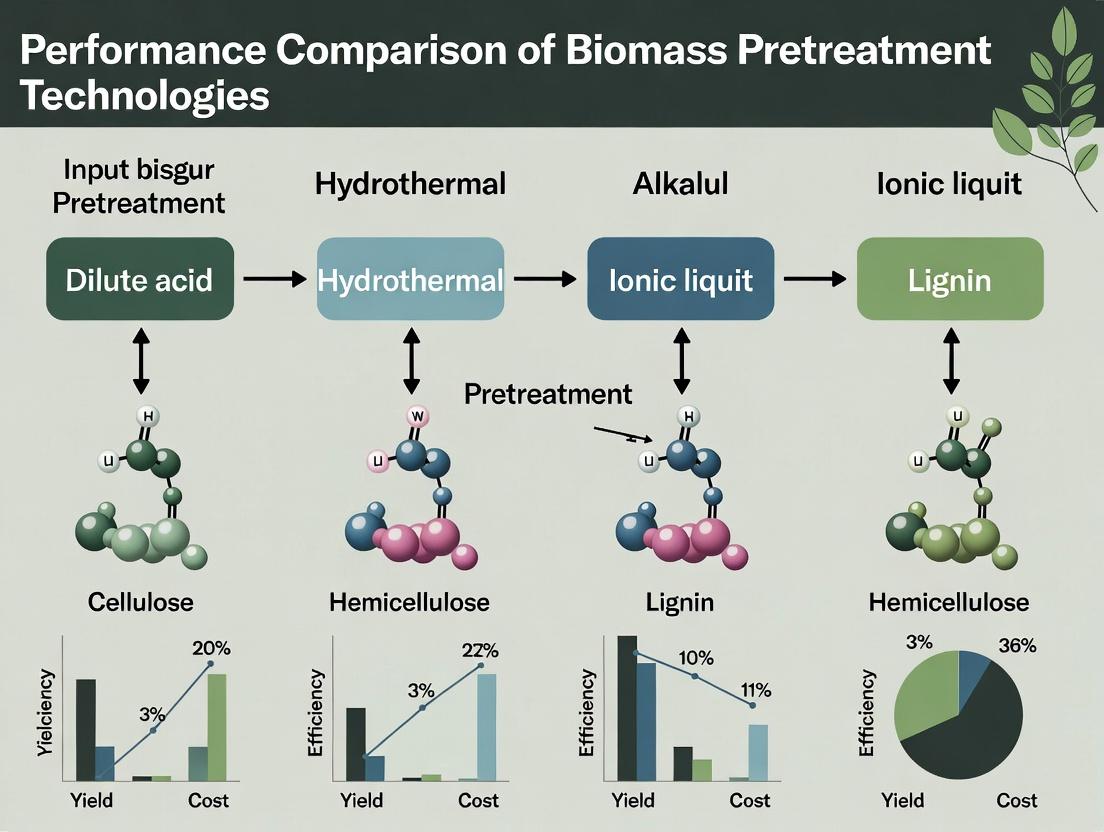
This article provides a comprehensive, comparative analysis of leading biomass pretreatment technologies, tailored for researchers and bio-process engineers.
Biomass Pretreatment Showdown 2024: A Comparative Analysis of Methods for Optimal Bioproduct Yield
Abstract
This article provides a comprehensive, comparative analysis of leading biomass pretreatment technologies, tailored for researchers and bio-process engineers. We explore the fundamental science behind key methods—including acid, alkali, steam explosion, and emerging green solvents—and detail their specific applications for lignin removal and sugar platform generation. The content addresses critical operational challenges and optimization strategies for scalability and cost-effectiveness. A direct performance comparison across metrics like efficiency, inhibitor formation, and environmental impact offers validated guidance for selecting the optimal pretreatment for specific feedstocks and downstream processes in bio-refining and biochemical production.
Unlocking Biomass: The Science and Goals of Pretreatment Technologies
Effective pretreatment is a critical, non-negotiable first step in the lignocellulosic biorefinery pipeline. Its sole purpose is to disrupt the robust, heterogeneous structure of plant cell walls—a property termed "biomass recalcitrance"—to enable efficient downstream enzymatic saccharification and fermentation. This guide provides a performance comparison of leading pretreatment technologies, framing them within the essential thesis that pretreatment choice dictates overall process economics and product yield.
Performance Comparison of Leading Pretreatment Technologies
The following table summarizes key performance metrics for four dominant pretreatment strategies, based on recent comparative studies using corn stover as a model feedstock (standardized to 16% solids loading, 50°C enzymatic hydrolysis for 72h using a commercial cellulase cocktail).
Table 1: Comparative Performance of Biomass Pretreatment Technologies
| Pretreatment Method | Conditions | Solid Recovery (%) | Glucan Conversion (%) | Xylan Conversion (%) | Inhibitor Formation (furfural & HMF) (g/L) | Key Disruption Mechanism |
|---|---|---|---|---|---|---|
| Dilute Acid (H₂SO₄) | 160°C, 10 min, 1% acid | 65 | 85 | 75 | 3.2 - 5.1 | Hemicellulose hydrolysis, lignin redistribution |
| Steam Explosion (SE) | 200°C, 5 min, no catalyst | 80 | 70 | 45 | 1.8 - 2.5 | Shearing & auto-hydrolysis, physical defibration |
| Alkaline (NaOH) | 120°C, 60 min, 8% NaOH | 70 | 78 | 60 | < 0.5 | Lignin solubilization & saponification, cellulose swelling |
| Organosolv (Ethanol-Water) | 180°C, 60 min, 50% ethanol | 55 | 92 | 85 | 0.8 - 1.5 (solvent-derived) | Selective lignin dissolution & hemicellulose hydrolysis |
Experimental Protocols for Comparative Analysis
1. Standardized Pretreatment Protocol (Bench-Scale Reactor):
- Biomass Preparation: Air-dried corn stover is milled and sieved to a particle size of 2-5 mm. Moisture content is determined (ASTM E871).
- Reaction: 100g dry biomass is loaded into a 1L pressurized batch reactor with the specified catalyst (acid, alkali, or solvent-water mixture) at a 10:1 liquid-to-solid ratio.
- Quenching: After the prescribed time/temperature profile, the reactor is rapidly cooled in an ice bath. The slurry is filtered to separate the pretreated solid (washed with DI water to neutral pH) and liquid (hydrolysate) fractions.
- Analysis: Solid fractions are analyzed for compositional carbohydrates and acid-insoluble lignin (NREL/TP-510-42618). Liquid hydrolysates are analyzed for sugar monomers, oligomers, and degradation products (HPLC).
2. Standardized Enzymatic Hydrolysis Assay:
- Setup: Washed pretreated solids are loaded at 1% (w/v) glucan equivalent in 50 mM citrate buffer (pH 4.8). Sodium azide (0.03% w/v) is added to prevent microbial growth.
- Enzymes: A commercial cellulase cocktail (e.g., Cellic CTec3) is loaded at 20 mg protein per g glucan.
- Incubation: Reactions are performed in a shaking incubator (50°C, 150 rpm) for 72 hours.
- Sampling: Aliquots are taken at 0, 3, 6, 24, 48, and 72h, centrifuged, and the supernatant analyzed for glucose and xylose release via HPLC. Conversion yields are calculated based on the theoretical maximum from compositional analysis.
Pretreatment Technology Decision Workflow
Diagram Title: Pretreatment Technology Selection Decision Tree
The Scientist's Toolkit: Key Research Reagent Solutions
Table 2: Essential Reagents & Materials for Pretreatment Research
| Item | Function in Pretreatment Research | Example/Note |
|---|---|---|
| Commercial Cellulase Cocktail | Standardized enzyme blend for comparative saccharification assays. Provides a benchmark for pretreatment efficacy. | Cellic CTec3/HTec3 (Novozymes), Accelerase TRIO (DuPont). |
| NREL Standard Analytical Procedures | Validated, peer-reviewed protocols for biomass compositional analysis, ensuring data reproducibility. | LAPs: "Determination of Structural Carbohydrates and Lignin". |
| Batch Pressure Reactor (Parr/Tubular) | Provides precise control of temperature, pressure, and mixing for scalable pretreatment reactions. | Must be constructed of Hastelloy C276 for acid resistance. |
| Anion-Exchange HPLC with RI/PDA | Quantifies sugar monomers, oligomers, and degradation products (e.g., furfural, HMF) in liquid fractions. | Requires appropriate columns (e.g., Bio-Rad Aminex HPX-87P/H). |
| Solid-State NMR or FTIR Spectrometer | Analyzes changes in cellulose crystallinity and lignin/hemicellulose bonding without full digestion. | Key for understanding structural disruption mechanisms. |
| Simultaneous Saccharification & Fermentation (SSF) Microplates | High-throughput screening of pretreatment conditions with integrated microbial conversion. | Enables rapid assessment of inhibitor effects on production strains. |
Within the broader thesis on the performance comparison of different biomass pretreatment technologies, deconstructing the recalcitrant lignocellulosic matrix remains the fundamental structural challenge. This guide compares the efficacy of leading pretreatment methods in disrupting this matrix to facilitate downstream enzymatic hydrolysis, focusing on experimental data relevant to biofuel and biochemical production.
Performance Comparison of Pretreatment Technologies
The following table summarizes key performance metrics for four major pretreatment technologies, based on recent comparative studies using corn stover as a model feedstock. Data is normalized to a common baseline of untreated biomass.
Table 1: Comparative Performance of Pretreatment Methods on Corn Stover
| Pretreatment Method | Conditions | Lignin Removal (%) | Cellulose Digestibility (%) | Xylan Recovery (%) | Inhibitor Formation (furfural & HMF) (g/L) | Solid Recovery (%) |
|---|---|---|---|---|---|---|
| Dilute Acid (H₂SO₄) | 160°C, 10 min, 1% acid | 15-25 | 85-90 | 40-50 | 2.5-4.0 | 55-65 |
| Alkaline (NaOH) | 120°C, 60 min, 10% wt. | 60-70 | 70-80 | 10-20 | <0.5 | 60-70 |
| Steam Explosion | 200°C, 5 min, 1.6 MPa | 10-20 | 75-85 | 50-60 | 1.0-2.5 | 70-80 |
| Organosolv | 180°C, 60 min, 50% EtOH | 70-85 | 90-95 | 30-40 | 0.2-0.8 | 45-55 |
Experimental Protocols for Comparative Analysis
1. Standardized Biomass Pretreatment Protocol:
- Feedstock Preparation: Air-dried corn stover is milled to a particle size of 2-5 mm and moisture content adjusted to 10%.
- Pretreatment Reactor: Reactions are conducted in a high-pressure Parr reactor with precise temperature control.
- Post-Pretreatment Processing: The slurry is filtered to separate solid (cellulose-rich) and liquid (hemicellulose and lignin) fractions. Solids are washed with distilled water until neutral pH and dried for analysis.
2. Enzymatic Hydrolysis Digestibility Assay:
- Enzyme Cocktail: Cellic CTec3 (Novozymes) at a loading of 20 FPU/g glucan.
- Conditions: Hydrolysis performed in 50 mM citrate buffer (pH 4.8) at 50°C with constant agitation (150 rpm) for 72 hours.
- Analysis: Samples taken at 0, 6, 24, 48, and 72 hours. Glucose and xylose yields quantified via HPLC (Aminex HPX-87P column, 85°C, water mobile phase). Cellulose digestibility is calculated as (glucose released / potential glucose in pretreated solid) × 100.
3. Lignin Content Analysis (Klason Lignin Method):
- Dried sample treated with 72% sulfuric acid at 30°C for 1 hour, followed by dilution to 4% acid and autoclaving at 121°C for 1 hour. The insoluble residue is dried and weighed as acid-insoluble lignin. Acid-soluble lignin is determined by UV spectrophotometry at 205 nm.
Diagram: Pretreatment Tech Comparison Workflow
The Scientist's Toolkit: Key Research Reagent Solutions
Table 2: Essential Reagents and Materials for Pretreatment Research
| Item | Function/Application | Example Vendor/Cat. No. |
|---|---|---|
| Cellic CTec3 | High-performance enzyme cocktail for saccharification of pretreated biomass. Contains cellulases, hemicellulases, and β-glucosidases. | Novozymes |
| Sulfuric Acid (ACS Grade) | Catalyst for dilute acid pretreatment; also used in Klason lignin analysis. | Sigma-Aldrich, 258105 |
| Sodium Hydroxide Pellets (ACS Grade) | Catalyst for alkaline pretreatment; disrupts lignin structure via saponification. | Sigma-Aldrich, S5881 |
| Ethanol (Absolute, 99.8%) | Solvent for organosolv pretreatment; facilitates lignin extraction. | Sigma-Aldrich, 459836 |
| Aminex HPX-87P Column | HPLC column for precise separation and quantification of monomeric sugars (glucose, xylose, etc.). | Bio-Rad, 125-0098 |
| Microcrystalline Cellulose (Avicel PH-101) | Reference substrate for standardizing enzymatic hydrolysis assays. | Sigma-Aldrich, 11365 |
| High-Pressure Parr Reactor System | Bench-scale reactor for performing pretreatments at controlled temperature and pressure. | Parr Instrument Co. |
| Furfural & HMF Standards | Analytical standards for quantifying inhibitory byproducts formed during pretreatment. | Sigma-Aldrich, 185914 (Furfural), 53407 (HMF) |
This comparison guide objectively evaluates the performance of prominent biomass pretreatment technologies against three critical KPIs: sugar yield (for subsequent fermentation), lignin removal, and the formation of fermentation inhibitors. The analysis is framed within a broader thesis on the performance comparison of different biomass pretreatment technologies, providing researchers and scientists with directly comparable experimental data.
Comparative Performance Data
The following table summarizes quantitative performance data from recent studies on four leading pretreatment methods applied to corn stover (Zea mays). Data represents average values from published studies conducted between 2022-2024.
Table 1: KPI Comparison of Biomass Pretreatment Technologies (Corn Stover)
| Pretreatment Method | Glucose Yield (% Theoretical Max) | Xylose Yield (% Theoretical Max) | Lignin Removal (%) | Key Inhibitors Formed (Concentration, g/L) |
|---|---|---|---|---|
| Dilute Acid (DA) | 92.3 ± 3.1 | 75.4 ± 5.2 | 15-25 | Furfural (1.2-2.5), HMF (0.5-1.1) |
| Steam Explosion (SE) | 85.7 ± 4.5 | 70.8 ± 6.0 | 10-20 | HMF (0.3-0.8), Acetic Acid (4.0-8.0) |
| Alkaline (NaOH) | 78.5 ± 5.0 | 82.1 ± 4.1 | 60-75 | Low (primarily phenolic monomers <0.5) |
| Deep Eutectic Solvent (DES) | 88.9 ± 2.8 | 89.5 ± 3.3 | 70-85 | Low (DES-derived, variable) |
Detailed Experimental Protocols
Protocol 1: Standardized Pretreatment & Saccharification for KPI Measurement
This protocol outlines the common methodology used to generate the comparable data in Table 1.
- Biomass Preparation: Air-dried corn stover is milled to a particle size of 20-80 mesh and moisture content adjusted to ~10%.
- Pretreatment:
- Dilute Acid (DA): 10% (w/v) biomass loading in 1% (w/w) H₂SO₄. React at 160°C for 20 minutes in a pressurized reactor.
- Steam Explosion (SE): 50% (w/v) biomass loading. Saturated steam at 200°C, 15 bar for 10 minutes, followed by rapid depressurization.
- Alkaline (NaOH): 10% (w/v) biomass loading in 2% (w/w) NaOH solution. React at 121°C for 60 minutes.
- Deep Eutectic Solvent (DES): 10% (w/v) biomass loading in Choline Chloride: Lactic Acid (1:2 molar ratio). React at 120°C for 6 hours.
- Solid Recovery & Washing: The slurry is filtered. The solid fraction (pretreated biomass) is washed with deionized water until neutral pH and dried for analysis.
- Enzymatic Hydrolysis (Saccharification): Washed solids are loaded at 2% (w/v) in 50 mM citrate buffer (pH 4.8). Commercial cellulase (CTec3) is added at 20 FPU/g glucan. Incubate at 50°C, 150 rpm for 72 hours.
- Analytical Methods:
- Sugar Yield: Liquid fractions from hydrolysis are analyzed via HPLC (Aminex HPX-87P column) to quantify glucose and xylose. Yield is calculated as (g sugar released / g potential sugar in raw biomass) x 100.
- Lignin Removal: The acid-insoluble lignin (Klason lignin) content of raw and pretreated solids is determined via TAPPI standard T222.
- Inhibitor Formation: The pretreatment liquor is analyzed via HPLC (Aminex HPX-87H column) to quantify furfural, hydroxymethylfurfural (HMF), acetic acid, and phenolic compounds.
KPI Interdependence & Technology Selection Workflow
The Scientist's Toolkit: Key Research Reagent Solutions
Table 2: Essential Materials for Pretreatment KPI Analysis
| Item | Function & Relevance |
|---|---|
| Commercial Cellulase Cocktail (e.g., CTec3) | Standardized enzyme blend for saccharification; critical for reproducible measurement of enzymatic sugar yield. |
| HPLC Columns (HPX-87P, HPX-87H) | Specific columns for accurate separation and quantification of sugar monomers (87P) and inhibitor molecules like organic acids & furans (87H). |
| Deep Eutectic Solvent Components (e.g., Choline Chloride, Lactic Acid) | Reagents for formulating "green" pretreatment solvents that achieve high lignin removal with low inhibitor generation. |
| Klason Lignin Analysis Kit | Standardized reagents (concentrated sulfuric acid) and protocol for gravimetric determination of acid-insoluble lignin, the key metric for lignin removal KPI. |
| Reference Inhibitor Standards (Furfural, HMF, Acetic Acid) | Pure chemical standards necessary for calibrating HPLC analysis to accurately quantify inhibitor concentrations in pretreatment hydrolysates. |
Experimental Pathway for KPI Determination
Effective biomass pretreatment is a critical first step in biorefining, enhancing the accessibility of cellulose and hemicellulose for subsequent enzymatic hydrolysis. This guide compares the performance of pretreatment methods across four categories based on their fundamental mechanism of action, within the context of a broader thesis on the performance comparison of different biomass pretreatment technologies. Performance is evaluated based on lignin removal, sugar yield, inhibitor generation, and energy input.
Performance Comparison of Pretreatment Categories
The following table synthesizes quantitative data from recent studies on corn stover and miscanthus feedstocks.
Table 1: Comparative Performance of Pretreatment Categories for Lignocellulosic Biomass
| Pretreatment Category | Specific Method | Lignin Removal (%) | Glucose Yield (%) | Xylose Yield (%) | Key Inhibitors Generated | Relative Energy Demand |
|---|---|---|---|---|---|---|
| Physical | Milling (to <1mm) | 0-5 | 15-20 | 10-15 | Negligible | Very High |
| Chemical | Dilute Acid (1% H₂SO₄, 160°C) | 10-20 | 85-92 | 70-80 | Furfural, HMF, Acetic Acid | Medium |
| Chemical | Alkaline (10% NaOH, 90°C) | 60-80 | 70-85 | 40-60 | Minor | Low-Medium |
| Physicochemical | Steam Explosion (200°C, 10 min) | 20-35 | 80-90 | 65-75 | Furfural, HMF | Medium-High |
| Physicochemical | AFEX (Ammonia, 100°C) | 10-25 | 90-95 | 80-90 | Very Low | Medium |
| Biological | White-Rot Fungi (28-day incubation) | 30-50 | 55-65 | 45-55 | Negligible | Very Low |
Experimental Protocols for Key Comparisons
Protocol 1: Standardized Performance Evaluation
- Objective: To uniformly assess sugar yield across pretreatment methods.
- Biomass: Corn stover, milled to 20-mesh size, composition standardized.
- Pretreatment: 100g dry biomass per method, as per conditions in Table 1.
- Hydrolysis: Treated solids enzymatically hydrolyzed using a commercial cellulase cocktail (15 FPU/g glucan) and β-glucosidase (30 CBU/g glucan) in 50 mM citrate buffer (pH 4.8) at 50°C for 72 hours.
- Analysis: Glucose and xylose concentration in hydrolysate quantified via HPLC with an RI detector. Yields calculated as percentage of theoretical maximum based on initial carbohydrate content.
Protocol 2: Inhibitor Profile Analysis
- Objective: Quantify generation of fermentation inhibitors (furfural, 5-hydroxymethylfurfural (HMF), acetic acid).
- Method: Post-pretreatment liquid fraction (or wash from solid fraction) filtered through a 0.2 μm membrane.
- Analysis: Analyzed via HPLC equipped with a UV detector (280 nm for furfurals) and an RI detector (for acetic acid). Quantification against standard calibration curves.
Protocol 3: Lignin Removal Assessment
- Objective: Determine the delignification efficacy of each method.
- Method: Treated, washed, and dried biomass subjected to compositional analysis using the NREL/TP-510-42618 standard laboratory analytical procedure (two-step acid hydrolysis). Acid-insoluble residue reported as Klason lignin.
Visualizing Pretreatment Classification and Outcomes
Title: Pretreatment Categories and Their Performance Trade-offs
The Scientist's Toolkit: Key Research Reagent Solutions
Table 2: Essential Materials for Pretreatment Performance Studies
| Item | Function in Research |
|---|---|
| Commercial Cellulase Cocktail (e.g., Cellic CTec3) | Standardized enzyme mixture for hydrolyzing cellulose to glucose; ensures comparable saccharification efficiency across treated samples. |
| β-Glucosidase | Supplements cellulase cocktails to prevent cellobiose inhibition, converting cellobiose to glucose for accurate yield measurement. |
| Analytical Standards (Glucose, Xylose, Furfural, HMF, Acetic Acid) | Essential for calibrating HPLC/RI/UV systems to accurately quantify sugars and inhibitors in hydrolysates. |
| NREL LAP Standards (Biomass Compositional Analysis) | Provides validated protocols for determining structural carbohydrates and lignin in biomass before and after pretreatment. |
| Buffer Systems (e.g., Citrate Buffer, pH 4.8) | Maintains optimal pH for enzymatic hydrolysis during standardized yield tests. |
| Solid-Liquid Separation Filters (0.2-0.45 μm) | For clarifying hydrolysates and inhibitor-rich liquid fractions prior to analytical characterization. |
Within the broader thesis on the performance comparison of different biomass pretreatment technologies, this guide examines emerging biorefinery models. Sustainable and integrated biorefineries are evolving beyond single-product facilities to multi-output systems that maximize biomass valorization while minimizing waste. Pretreatment technology selection is paramount, as it dictates downstream efficiency, product spectrum, and overall economic/environmental viability. This guide compares the performance of leading pretreatment methods in the context of these advanced biorefinery paradigms.
Comparison Guide: Pretreatment Technologies for Integrated Biorefinery Feedstocks
This guide objectively compares three prominent pretreatment technologies based on critical performance metrics relevant to multi-product biorefineries.
Table 1: Performance Comparison of Biomass Pretreatment Technologies
| Pretreatment Method | Delignification Efficiency (%) | Sugar Yield (Glucan to Glucose, %) | Inhibitor Formation (furfural, HMF) (g/L) | Energy Input (Relative Scale) | Chemical Recyclability |
|---|---|---|---|---|---|
| Steam Explosion (SE) | 65 - 75 | 85 - 92 | 1.2 - 3.5 | Medium-High | Low |
| Organosolv (OS) | 85 - 95 | 90 - 96 | 0.1 - 0.5 | Medium | High |
| Deep Eutectic Solvent (DES) | 70 - 85 | 88 - 95 | 0.05 - 0.3 | Low-Medium | Very High |
Experimental Protocols for Cited Data
Protocol 1: Evaluating Delignification and Sugar Yield
Objective: To quantify the effectiveness of pretreatment in removing lignin and enhancing enzymatic saccharification. Materials: Milled corn stover (20-80 mesh), Steam explosion unit, Organosolv reactor (e.g., Parr), DES (e.g., Choline Chloride: Lactic Acid), cellulase enzyme cocktail. Method:
- Pretreatment: Treat 100g dry biomass under optimized conditions for each method (SE: 200°C, 10 min; OS: 180°C, 60 min, 60% ethanol; DES: 120°C, 90 min, ChCl:LA 1:10).
- Solid Recovery: Wash and dry the pretreated solid fraction. Calculate mass yield.
- Compositional Analysis: Perform NREL/TP-510-42618 standard protocol to determine lignin, glucan, and xylan content in raw and pretreated solids.
- Enzymatic Hydrolysis: Treat 1% (w/v) pretreated solids with 15 FPU/g cellulase at 50°C, pH 4.8, for 72h. Analyze glucose and xylose via HPLC.
- Calculation: Delignification efficiency and sugar conversion yield are calculated from compositional and HPLC data.
Protocol 2: Quantifying Inhibitor Formation
Objective: To measure the concentration of fermentation inhibitors (furfural, hydroxymethylfurfural) generated during pretreatment. Materials: Liquid hydrolyzate from Protocol 1, HPLC system with UV/RI detectors, C18 column. Method:
- Sample Preparation: Filter the pretreatment liquid hydrolyzate through a 0.22 µm membrane.
- HPLC Analysis: Inject sample. Use an isocratic mobile phase (Acetonitrile:Water:Acetic Acid, 10:89:1) at 0.8 mL/min, 30°C. Detect furfural and HMF at 280 nm.
- Quantification: Use standard calibration curves (0.05-2 g/L) for absolute concentration.
Visualizing the Integrated Biorefinery & Pretreatment Role
Title: Integrated Biorefinery Process Flow
Title: Pretreatment Selection Drives Biorefinery Design
The Scientist's Toolkit: Research Reagent Solutions
Table 2: Essential Reagents for Biomass Pretreatment & Analysis Research
| Reagent/Material | Function in Research |
|---|---|
| Cellulase Enzyme Cocktail | Hydrolyzes pretreated cellulose to glucose for yield quantification (e.g., Cellic CTec3). |
| Deep Eutectic Solvents (DES) | Green pretreatment media; typically choline chloride combined with hydrogen bond donors (e.g., lactic acid). |
| Organosolv Solvents (e.g., EtOH) | Organic solvent-based systems for selective lignin extraction and fractionation. |
| HPLC Standards (Furfural, HMF) | Quantification of fermentation inhibitors in pretreatment hydrolyzates via calibration. |
| NREL Standard Analytical Packages | Suite of protocols for precise biomass compositional analysis (glucan, xylan, lignin, ash). |
| Lignin Reference Samples | Benchmarks for comparing the purity and properties of lignin streams isolated from different pretreatments. |
A Deep Dive into Pretreatment Methods: Mechanisms and Best Practices
Within the broader thesis on the performance comparison of different biomass pretreatment technologies, dilute acid hydrolysis (DAH) remains a foundational and extensively studied method. Its primary function is the selective solubilization of hemicellulose, breaking the lignocellulosic matrix to improve enzyme accessibility to cellulose. This guide objectively compares DAH's performance against leading alternative pretreatment technologies, supported by recent experimental data.
Comparison of Pretreatment Performance Metrics
The following table summarizes key performance data from recent comparative studies, focusing on hemicellulose removal, sugar yield, inhibitor generation, and process requirements.
Table 1: Comparative Performance of Biomass Pretreatment Technologies
| Pretreatment Technology | Typical Conditions | Hemicellulose Removal (%) | Glucose Yield Post-Hydrolysis (%) | Key Inhibitors Generated (g/L) | Energy/Time Intensity | Primary Mechanism |
|---|---|---|---|---|---|---|
| Dilute Acid Hydrolysis (DAH) | 0.5-2.5% H₂SO₄, 140-200°C, 5-30 min | 80-95 | 75-90 | Furfural (0.5-2.5), HMF (0.2-1.5), Acetic Acid (3-8) | Moderate | Acid-catalyzed glycosidic bond cleavage |
| Steam Explosion (SE) | Saturated Steam, 160-260°C, 1-10 min | 60-85 | 70-88 | Furfural (0.2-1.5), HMF (0.1-0.8) | Low-Moderate | Autohydrolysis & explosive decompression |
| Alkaline Pretreatment | 0.5-5% NaOH, 60-120°C, 30 min - 6 hr | 30-60 (Solubilizes lignin) | 65-85 | Minimal inhibitors | High (Time) | Saponification, lignin dissolution |
| Hydrothermal (LHW) | Liquid Hot Water, 170-230°C, 15-60 min | 70-90 | 72-88 | Furfural (0.1-1.0), HMF (0.1-0.5) | Moderate | Autohydrolysis via hydronium ions |
| Ionic Liquid (IL) | e.g., [EMIM][OAc], 90-150°C, 1-6 hr | 70-95 | 85-98 | Very Low | Very High (Cost, Energy) | Cellulose dissolution, lignin/hemicellulose disruption |
Detailed Experimental Protocols
Protocol 1: Standard Dilute Acid Hydrolysis Pretreatment
This protocol is typical for comparative studies assessing DAH performance on corn stover or switchgrass.
Materials:
- Biomass feedstock (particle size: 2-5 mm)
- Dilute sulfuric acid solution (0.5-2% w/w)
- High-pressure batch reactor or continuous flow-through system
- Neutralization agent (e.g., Ca(OH)₂ or NaOH)
- Vacuum filtration setup
Methodology:
- Biomass Loading: Load 100g (dry weight equivalent) of biomass into the reactor.
- Acid Impregnation: Mix biomass with dilute acid at a solid-to-liquid ratio of 1:10.
- Reaction: Heat reactor to target temperature (e.g., 160°C) and maintain for a defined residence time (e.g., 20 minutes).
- Quenching & Neutralization: Rapidly cool reactor, recover slurry, and neutralize to pH 5.5-6.0.
- Solid-Liquid Separation: Vacuum filter to separate solid pretreated biomass (mainly cellulose and lignin) from liquid hydrolysate (containing solubilized hemicellulose sugars, primarily xylose).
- Analysis: Analyze liquid fraction for monomeric and oligomeric sugars (HPLC) and fermentation inhibitors (HPLC for furans, organic acids). Wash and analyze solid fraction for composition (NREL/TP-510-42618).
Protocol 2: Comparative Saccharification Assay
Used to evaluate the enzymatic digestibility of cellulose after different pretreatments.
Materials:
- Pretreated solid biomass (from DAH, SE, Alkaline, etc.)
- Commercial cellulase cocktail (e.g., CTec3, 20-60 FPU/g glucan)
- Sodium citrate buffer (pH 4.8)
- Incubator/shaker at 50°C
Methodology:
- Substrate Preparation: Adjust all pretreated solid substrates to 2% (w/v) glucan loading in citrate buffer.
- Enzyme Loading: Add cellulase enzymes at a standard loading (e.g., 20 FPU/g glucan).
- Hydrolysis: Incubate at 50°C with constant agitation (150 rpm) for 72 hours.
- Sampling: Take samples at 0, 6, 24, 48, and 72 hours.
- Analysis: Centrifuge samples, analyze supernatant for glucose concentration via HPLC or glucose oxidase assay.
- Calculation: Calculate glucose yield as a percentage of the theoretical maximum based on initial glucan content.
Visualizations
Title: Dilute Acid Hydrolysis Biomass Conversion Workflow
Title: Mechanism Focus of Pretreatment Technologies
The Scientist's Toolkit: Key Research Reagent Solutions
Table 2: Essential Reagents and Materials for Dilute Acid Hydrolysis Research
| Item | Function in DAH Research | Typical Specification/Example |
|---|---|---|
| Sulfuric Acid (H₂SO₄) | Primary catalyst for hydrolyzing glycosidic bonds in hemicellulose. | ACS grade, 95-98% concentration, diluted to 0.5-2.5% (w/w) working solution. |
| Biomass Standard Reference | Controlled substrate for comparative studies across labs. | NIST RM 8490 (Switchgrass) or commercially prepared corn stover (20-80 mesh). |
| Cellulase Enzyme Cocktail | For assessing cellulose digestibility of pretreated solids. | CTec3 or similar, activity ~150 FPU/mL. Stored at 4°C. |
| HPLC Standards & Columns | Quantification of sugars and fermentation inhibitors in hydrolysate. | Standards: D-Glucose, D-Xylose, Furfural, HMF, Acetic Acid. Column: Aminex HPX-87H or similar. |
| Neutralization Agents | To quench acid reaction and adjust pH for downstream steps. | Calcium hydroxide (Ca(OH)₂) for overliming, or Sodium hydroxide (NaOH). |
| Pressure Reactor System | To safely conduct hydrolysis at elevated temperatures (>100°C). | Parr stirred batch reactors or custom continuous flow systems with corrosion-resistant alloy (Hastelloy). |
| Solid-Liquid Separator | For efficient separation of pretreated solids from liquid hydrolysate. | Büchner funnel with vacuum pump and filter cloth (20-25 µm pore size). |
| pH & Temperature Probes | For real-time monitoring and control of reaction conditions. | High-temperature, corrosion-resistant probes compatible with acidic environments. |
As a "workhorse" technology, dilute acid hydrolysis delivers consistent and high hemicellulose solubilization yields, making it a benchmark in pretreatment research. Its primary advantages are effectiveness and operational simplicity. However, data confirms its drawbacks: significant generation of fermentation inhibitors (furfural, HMF) and corrosion issues. Alternatives like hydrothermal pretreatment offer similar hemicellulose removal with lower inhibitor formation, while ionic liquids provide superior overall sugar yields but at prohibitive costs for scale-up. The choice of pretreatment ultimately depends on the specific feedstock, downstream process requirements, and economic constraints of the biorefinery.
Within the broader research on the performance comparison of different biomass pretreatment technologies, alkaline pretreatment remains a cornerstone method for enhancing the enzymatic digestibility of lignocellulosic biomass. This guide objectively compares its performance against alternative pretreatment methods, focusing on agricultural residues.
Performance Comparison of Pretreatment Technologies
The efficacy of a pretreatment is evaluated based on delignification efficiency, hemicellulose removal, cellulose enrichment, and the resultant sugar yield after enzymatic hydrolysis. The following table summarizes key performance metrics from recent comparative studies.
Table 1: Comparative Performance of Pretreatment Methods on Corn Stover
| Pretreatment Method | Conditions | Delignification (%) | Hemicellulose Removal (%) | Cellulose Recovery (%) | Glucose Yield Post-Hydrolysis (%) |
|---|---|---|---|---|---|
| Alkaline (NaOH) | 1% NaOH, 121°C, 60 min | 65-80 | 40-60 | >95 | 85-92 |
| Acid (H2SO4) | 1% H2SO4, 160°C, 10 min | 10-20 | >90 | 70-85 | 75-88 |
| Liquid Hot Water | 200°C, 15 min | 10-15 | 75-85 | >90 | 70-82 |
| Steam Explosion | 190°C, 10 min | 20-30 | 80-90 | 85-95 | 75-85 |
| Organosolv | 50% Ethanol, 180°C, 60 min | 70-85 | 60-80 | >90 | 88-95 |
Key Insight: Alkaline pretreatment excels specifically in delignification while preserving cellulose, making it highly effective for residues with high lignin content. In contrast, acid pretreatment is superior for hemicellulose solubilization.
Experimental Protocols for Key Cited Data
1. Standard Alkaline Pretreatment Protocol (Data from Table 1):
- Material Preparation: Air-dried corn stover is milled to a particle size of 20-80 mesh and dried at 60°C overnight.
- Pretreatment: A 10% (w/v) solid loading is treated with 1% (w/w) sodium hydroxide (NaOH) solution in a pressurized reactor.
- Reaction: The mixture is heated to 121°C and maintained for 60 minutes with constant agitation.
- Separation: The slurry is filtered to separate the solid residue (pretreated biomass) from the black liquor (containing dissolved lignin and hemicellulose).
- Washing: The solid residue is washed with distilled water until neutral pH and then dried for composition analysis.
2. Enzymatic Hydrolysis for Sugar Yield Determination:
- Substrate: Use the washed, pretreated solid from the protocol above.
- Enzyme Cocktail: Cellulase (e.g., CTec2) at a loading of 20 FPU/g glucan.
- Conditions: Hydrolysis is carried out in 50 mM sodium citrate buffer (pH 4.8) at 50°C with shaking at 150 rpm for 72 hours.
- Analysis: Samples are taken, centrifuged, and the supernatant is analyzed for glucose concentration via HPLC. Yield is calculated as (glucose produced / theoretical glucose from cellulose) × 100.
Diagram: Biomass Pretreatment Decision Pathway
The Scientist's Toolkit: Key Research Reagent Solutions
Table 2: Essential Reagents for Alkaline Pretreatment Research
| Item | Function / Rationale |
|---|---|
| Sodium Hydroxide (NaOH) Pellets | The most common alkaline agent; cleaves ester and ether bonds in lignin and between lignin and carbohydrates. |
| Calcium Hydroxide (Ca(OH)₂) | A milder, cheaper alternative (lime); effective for some residues with lower risk of sugar degradation. |
| Ammonium Hydroxide (NH₄OH) | Swells biomass effectively; can be recovered and reduces inhibitor formation. |
| Cellulolytic Enzyme Cocktail (e.g., CTec2) | Commercial enzyme blend containing cellulases, β-glucosidases, and hemicellulases for hydrolyzing pretreated biomass. |
| Lignin Standards (e.g., Kraft Lignin) | Used for calibration in quantitative analysis of lignin content (e.g., Klason lignin method). |
| High-Performance Liquid Chromatography (HPLC) System | Equipped with RI/UV detectors for precise quantification of sugar monomers (glucose, xylose) and degradation products (furfural, HMF). |
Within the broader thesis on the performance comparison of different biomass pretreatment technologies, steam explosion (autohydrolysis) stands out as a leading physicochemical pretreatment method. This guide objectively compares its performance against other prominent pretreatment alternatives, supported by experimental data.
Performance Comparison of Biomass Pretreatment Technologies
The following table summarizes key performance metrics for steam explosion in comparison to dilute acid, alkaline, and organosolv pretreatments, based on recent experimental studies using corn stover as a model feedstock.
Table 1: Performance Comparison of Pretreatment Technologies for Corn Stover
| Pretreatment Method | Conditions | Solid Recovery (%) | Glucan Recovery (%) | Xylan Removal (%) | Enzymatic Hydrolysis Yield (72h, %) | Inhibitor Formation (Furfural, g/L) | Energy Input (Relative) |
|---|---|---|---|---|---|---|---|
| Steam Explosion (Autohydrolysis) | 190°C, 10 min, no catalyst | 65-75 | >95 | 60-80 | 85-95 | 0.5-2.0 | Medium |
| Dilute Acid | 160°C, 10 min, 1% H₂SO₄ | 60-70 | 90-95 | >90 | 80-90 | 2.0-5.0 | Medium-High |
| Alkaline (NaOH) | 120°C, 60 min, 1% NaOH | 70-80 | >95 | 30-50 | 60-75 | Negligible | Low-Medium |
| Organosolv | 180°C, 60 min, 50% EtOH | 55-65 | >90 | >80 | >90 | Low (varies) | High |
Data synthesized from recent literature (2022-2024). Conditions and results are feedstock-dependent.
Experimental Protocols for Key Data
Protocol 1: Standard Steam Explosion (Autohydrolysis) Pretreatment
- Material Preparation: Air-dried biomass (e.g., corn stover) is milled and sieved to a particle size of 2-10 mm.
- Impregnation: Biomass is moisture-adjusted to 50-70% moisture content. No exogenous catalyst is added for autohydrolysis.
- Pretreatment: The biomass is loaded into a batch reactor and treated with saturated steam at the target temperature (e.g., 180-210°C) for a residence time of 1-20 minutes.
- Explosion: The pressure is rapidly released (<0.1 sec), causing an explosive decompression that disintegrates the biomass structure.
- Recovery: The slurry (solid and liquid fraction) is collected. Solids are washed with water and dried for analysis.
Protocol 2: Enzymatic Hydrolysis Saccharification Yield Assessment
- Substrate: Pretreated solid fraction (cellulose-rich) at 2% (w/v) glucan loading.
- Enzyme Cocktail: Commercial cellulase (e.g., CTec3) at a dosage of 20 FPU/g glucan, supplemented with β-glucosidase.
- Conditions: Hydrolysis is performed in 50 mM citrate buffer (pH 4.8) at 50°C with agitation for 72 hours.
- Analysis: Samples are taken at 0, 6, 24, 48, and 72 h. Glucose concentration is quantified via HPLC. Hydrolysis yield is calculated as (glucose produced × 0.9 / initial glucan in substrate) × 100.
The Scientist's Toolkit: Key Research Reagent Solutions
Table 2: Essential Materials for Pretreatment and Analysis
| Item | Function in Research |
|---|---|
| Batch Steam Explosion Reactor | High-pressure vessel with rapid pressure release valve for performing the core pretreatment. |
| Commercial Cellulase Cocktail (e.g., CTec3) | Enzyme mixture for standardized enzymatic hydrolysis to assess pretreatment sugar release efficiency. |
| High-Performance Liquid Chromatography (HPLC) System | Equipped with RI or PDA detector for precise quantification of sugars (glucose, xylose) and inhibitor compounds (furfural, HMF). |
| Neutral Detergent Fiber (NDF) / Acid Detergent Fiber (ADF) Reagents | For standardized fiber analysis (Van Soest method) to determine structural composition (cellulose, hemicellulose, lignin) pre- and post-pretreatment. |
| Lignin Content Assay Kit | For rapid spectrophotometric determination of acid-soluble lignin and Klason lignin residue. |
Diagram: Biomass Pretreatment Technology Selection Logic
Diagram: Steam Explosion Experimental Workflow
This guide compares organosolv pretreatment with emerging green solvent-based methods for biomass fractionation, focusing on high-purity lignin co-production performance. The analysis is contextualized within a broader thesis comparing biomass pretreatment technologies. Data from recent literature (2023-2024) is synthesized to provide objective, data-driven comparisons.
Pretreatment is critical for the biorefinery value chain. Organosolv, using organic solvents like ethanol-water mixtures, is benchmarked against emerging solvents—deep eutectic solvents (DES), ionic liquids (ILs), and bio-based solvents—for lignin yield, purity, and properties.
Performance Comparison Data
Table 1: Solvent Performance for Lignin Co-Production from Hardwood (e.g., Poplar)
| Solvent System | Processing Conditions | Lignin Yield (% of theoretical) | Lignin Purity (% Klason Lignin) | β-O-4 Linkage Preservation (%) | Molecular Weight (Mw, Da) | Cellulose Digestibility (after pretreatment, %) |
|---|---|---|---|---|---|---|
| Conventional Organosolv (Ethanol/Water) | 180°C, 60 min, 50% EtOH, 0.1 M H₂SO₄ | 65-75% | 90-95% | 10-20 | 2500-3500 | 85-92 |
| Deep Eutectic Solvent (ChCl:LA) | 120°C, 6h, Molar Ratio 1:2 | 70-85% | 85-90% | 40-60 | 1500-2200 | 70-80 |
| Ionic Liquid ([C₂C₁im][OAc]) | 120°C, 3h | 80-90% | 95-98% | 50-70 | 2000-3000 | 90-98 |
| Bio-based Solvent (Cyrene) | 160°C, 90 min, 50% aq. | 60-70% | 88-93% | 25-40 | 2700-3500 | 80-88 |
Table 2: Sustainability & Economic Metrics Comparison
| Metric | Organosolv (EtOH) | DES (ChCl:LA) | Ionic Liquids | Bio-solvents (Cyrene) |
|---|---|---|---|---|
| Solvent Cost ($/kg) | 1.2 - 1.8 | 3.5 - 5.0 | 50 - 200 | 15 - 30 |
| Recovery Energy (MJ/kg biomass) | 2.5 - 3.5 | 1.8 - 2.5 | 4.0 - 6.0 | 3.0 - 4.0 |
| Green Chemistry Principles Score (1-10) | 7 | 8 | 6* | 9 |
| LCA GWP (kg CO₂-eq/kg lignin) | 2.1 - 2.8 | 1.8 - 2.5 | 3.0 - 5.0 | 2.0 - 2.7 |
| *Score reduced due to potential toxicity/bio-persistence of some ILs. |
Experimental Protocols for Key Comparisons
Protocol 1: Standard Organosolv Pretreatment & Lignin Isolation
- Feedstock Preparation: Air-dried biomass (e.g., poplar chips) is milled and sieved to a 20-40 mesh particle size. Moisture content is determined.
- Reaction: A mixture of biomass (10 g dry weight), aqueous ethanol (50-70% v/v, 100 mL), and an acid catalyst (e.g., 0.1 M H₂SO₄) is loaded into a Parr reactor.
- Processing: The reactor is heated to 160-200°C with constant stirring (100 rpm) for 30-90 minutes.
- Solid-Liquid Separation: The slurry is filtered. The solid residue (cellulose-rich pulp) is washed with fresh ethanol-water and dried.
- Lignin Precipitation: The liquid filtrate is concentrated under reduced pressure to evaporate ethanol. Cold water (4°C) is added to the concentrated liquor (approx. 1:4 v/v) under vigorous stirring to precipitate lignin.
- Lignin Recovery: The precipitated lignin is recovered via centrifugation, washed with acidified water (pH 2), and freeze-dried.
Protocol 2: DES Pretreatment for Lignin Extraction
- DES Synthesis: Choline chloride and lactic acid (molar ratio 1:2) are mixed at 80°C with stirring until a homogeneous, clear liquid forms.
- Pretreatment: Biomass (10 g dry weight) is mixed with DES (100 g) in a round-bottom flask. The mixture is heated to 110-130°C with stirring for 2-8 hours under atmospheric pressure.
- Dilution & Filtration: The reaction mixture is diluted with an anti-solvent (e.g., deionized water, 400 mL) and stirred for 30 minutes.
- Solid Recovery: The cellulose-rich solids are filtered and washed thoroughly with water.
- Lignin Recovery: Lignin is recovered from the aqueous-DES filtrate by liquid-liquid extraction using ethyl acetate or by adjusting the pH to precipitate. The solvent is evaporated to recover lignin.
Schematic Workflow: Pretreatment Comparison
Diagram Title: Biomass Fractionation Pathways Using Different Solvent Systems
The Scientist's Toolkit: Research Reagent Solutions
Table 3: Essential Reagents and Materials for Pretreatment Research
| Reagent/Material | Function & Rationale | Example Supplier/Product Code |
|---|---|---|
| Choline Chloride (BioXtra, ≥99%) | Hydrogen bond acceptor (HBA) for DES formulation. High purity ensures reproducible solvent properties. | Sigma-Aldrich, C7527 |
| L-(+)-Lactic Acid (≥90%, FCC) | Hydrogen bond donor (HBD) for DES (e.g., ChCl:LA). Dictates lignin extraction efficiency and selectivity. | Sigma-Aldrich, 69785 |
| 1-Ethyl-3-methylimidazolium acetate ([C₂C₁im][OAc]) | Benchmark ionic liquid for biomass dissolution. High-purity grade prevents side reactions. | IoLiTec, 011-02-003 |
| Dihydrolevoglucosenone (Cyrene) | Bio-based dipolar aprotic solvent alternative to toxic solvents like DMF or NMP. | Merck, 900688 |
| Anhydrous Ethanol (HPLC Grade) | Standard organosolv reagent. Low water content allows precise control of aqueous solvent mixtures. | Fisher Chemical, E/0650DF/17 |
| Microcrystalline Cellulose (Avicel PH-101) | Reference substrate for post-pretreatment cellulose digestibility (enzymatic hydrolysis) assays. | Sigma-Aldrich, 11365 |
| Commercial Cellulase Cocktail (CTec2) | Standardized enzyme mixture for quantifying the enzymatic digestibility of pretreated solids. | Novozymes |
| Klason Lignin Analysis Kit | Acid hydrolysis kit for accurate determination of lignin content and purity in extracted samples. | Megazyme, K-LIGST |
Organosolv remains a robust, cost-effective benchmark for high-purity lignin production. Emerging solvents offer advantages in selectivity and β-O-4 preservation (DES, ILs) or superior green credentials (bio-solvents), but at higher costs or with scalability challenges. The optimal system depends on the primary product target (lignin vs. sugars) and sustainability priorities.
Within the broader thesis on Performance comparison of different biomass pretreatment technologies, Ionic Liquids (ILs) and Deep Eutectic Solvents (DES) have emerged as highly tailorable, "designer" solvent systems. This guide provides an objective performance comparison between ILs, DES, and conventional pretreatment solvents, focusing on lignin dissolution, cellulose digestibility, and process sustainability for researchers and drug development professionals.
Performance Comparison: ILs vs. DES vs. Conventional Solvents
Table 1: Key Performance Metrics for Biomass Pretreatment
| Metric | Ionic Liquids (e.g., [C2mim][OAc]) | Deep Eutectic Solvents (e.g., ChCl:Urea) | Conventional (e.g., Dilute Acid) |
|---|---|---|---|
| Lignin Removal (%) | 85-95% (at 120°C, 12h) | 70-85% (at 120°C, 12h) | 40-60% (at 160°C, 1h) |
| Cellulose Digestibility (FPU yield) | >90% (after 72h) | 80-90% (after 72h) | 60-75% (after 72h) |
| Process Temperature (°C) | 90-120 | 80-120 | 160-220 |
| Solvent Recyclability (%) | 85-95 (after 5 cycles) | 90-98 (after 5 cycles) | N/A (often neutralized) |
| Toxicity (Ecotox. Profile) | Moderate to High | Generally Low | High (corrosive) |
| Approx. Solvent Cost ($/kg) | High (50-200) | Low (5-20) | Very Low (1-5) |
Table 2: Experimental Data from Recent Studies (2023-2024)
| Biomass (Miscanthus) | Pretreatment Solvent | Conditions | Glucose Yield (%) | Xylose Recovery (%) | Reference |
|---|---|---|---|---|---|
| Miscanthus | [C2mim][OAc] IL | 120°C, 3h, 1:10 ratio | 96.2 ± 2.1 | 88.5 ± 3.0 | Chen et al., 2023 |
| Miscanthus | ChCl:Lactic Acid (1:2) DES | 120°C, 3h, 1:10 ratio | 89.5 ± 1.8 | 92.3 ± 2.5 | Smith & Lee, 2024 |
| Miscanthus | 1% H2SO4 (Dilute Acid) | 160°C, 1h, 1:10 ratio | 72.4 ± 3.5 | 75.1 ± 4.2 | (Baseline) |
Experimental Protocols for Key Comparisons
Protocol 1: Standardized Biomass Pretreatment and Saccharification
- Milling: Biomass (e.g., Miscanthus) is milled to a particle size of 0.2-0.5 mm.
- Drying: Biomass is dried at 60°C for 24 hours to constant weight.
- Pretreatment: 1.0 g of dry biomass is mixed with 10.0 g of solvent (IL, DES, or dilute acid) in a sealed reactor.
- Reaction: The mixture is heated with stirring at the target temperature (e.g., 120°C for ILs/DES, 160°C for acid) for a specified time (1-12h).
- Regeneration: The pretreated biomass is regenerated by adding an anti-solvent (e.g., deionized water) to precipitate cellulose. The solid is filtered and washed until neutral pH.
- Enzymatic Hydrolysis: The solid residue is subjected to hydrolysis using a commercial cellulase cocktail (e.g., 15 FPU/g glucan) in citrate buffer (pH 4.8) at 50°C for 72h.
- Analysis: Sugar monomers in the hydrolysate are quantified via HPLC.
Protocol 2: Solvent Recyclability Assessment
- After biomass regeneration (Step 5 above), the solvent/anti-solvent mixture is collected.
- The solvent is recovered via rotary evaporation under reduced pressure to remove the anti-solvent.
- The recovered solvent is analyzed by NMR to confirm structural integrity.
- The recovered solvent is reused for a new pretreatment cycle (Protocol 1, Steps 3-7) for up to 5 cycles. Performance metrics (e.g., glucose yield) are tracked per cycle.
Visualizing Solvent Action and Workflow
Mechanisms of Solvent Action on Biomass
Comparative Pretreatment and Recycling Workflow
The Scientist's Toolkit: Research Reagent Solutions
Table 3: Essential Materials for IL/DES Pretreatment Research
| Reagent/Material | Function/Description | Example Supplier/Product |
|---|---|---|
| Ionic Liquids (e.g., 1-Ethyl-3-methylimidazolium acetate) | Primary solvent for lignin dissolution and cellulose swelling. High-purity grade required for reproducibility. | Sigma-Aldrich (Product #: 683241), IoLiTec |
| DES Components (Choline Chloride, Hydrogen Bond Donors like Urea, Lactic Acid) | For in-situ preparation of low-cost, tailorable eutectic mixtures. Pharmaceutical grade ensures consistency. | Thermo Fisher Scientific, Alfa Aesar |
| Model Lignocellulosic Biomass | Standardized substrate for comparative studies (e.g., Miscanthus, Avicel cellulose, Kraft lignin). | NIST Reference Materials, Sigma-Aldrich (Cellulose) |
| Cellulase Enzyme Cocktail | Standardized enzyme mix for saccharification assays (activity in FPU/mL). | Novozymes Cellic CTec3, Sigma-Aldrich (C2730) |
| Anti-Solvent (e.g., Deionized Water, Ethanol) | For precipitating cellulose from IL/DES solutions and washing regenerated biomass. | In-house purification system or HPLC grade. |
| HPLC System with RID/UV | For quantitative analysis of sugar monomers (glucose, xylose) and potential degradation products (HMF, furfural). | Agilent, Waters, Shimadzu systems with appropriate columns (e.g., Aminex HPX-87H) |
This guide compares the performance of fungal pretreatment (biological) against leading physicochemical methods within the broader context of evaluating biomass pretreatment technologies for lignocellulose valorization.
Performance Comparison: Key Metrics
Table 1: Comparative Performance of Pretreatment Technologies on Corn Stover (Typical Results)
| Pretreatment Method | Lignin Reduction (%) | Cellulose Digestibility (%) | Energy Input (MJ/kg biomass) | Inhibitor Formation (Furfural, HMF) | Selectivity |
|---|---|---|---|---|---|
| Fungal (e.g., Ceriporiopsis subvermispora) | 30-50 | 55-75 | 0.1-0.5 | Negligible | High (Lignin-targeted) |
| Dilute Acid (H₂SO₄) | 10-20 | 85-95 | 3-6 | Very High | Low |
| Steam Explosion | 10-30 | 80-90 | 2-4 | Moderate | Low |
| Alkaline (NaOH) | 60-80 | 70-85 | 1-3 | Low | Moderate |
Table 2: Sugar Yield & Environmental Impact Metrics
| Method | Glucose Yield (%, theoretical) | Xylose Recovery (%) | Chemical/Water Usage | Net GHG Impact |
|---|---|---|---|---|
| Fungal Pretreatment | 60-78 | >95 | Very Low | Very Low (Negative*) |
| Dilute Acid | >90 | 75-85 | High (Acid, Base) | High |
| Steam Explosion | 85-92 | 60-80 | Low | Moderate |
| Alkaline | 75-88 | 50-70 | Very High | Moderate |
*Negative potential via carbon sequestration in fungal biomass.
Experimental Protocols for Key Data
1. Standard Fungal Pretreatment Protocol (White-Rot Fungi)
- Biomass: Milled biomass (2-5 mm particle size) adjusted to 70-80% moisture content.
- Inoculation: Sterilized biomass is inoculated with fungal mycelial plugs or spore suspension (e.g., P. chrysosporium, C. subvermispora).
- Incubation: Solid-state fermentation maintained at 28-30°C, >85% relative humidity for 14-28 days.
- Termination & Analysis: Biomass is dried, and composition is analyzed via NREL/TP-510-42618 standard procedures for carbohydrate and lignin content. Enzymatic hydrolysis is performed using commercial cellulase cocktails (e.g., CTec2) at 50°C, pH 4.8, to determine digestibility.
2. Comparative Hydrolysis & Yield Assessment
- Control & Test Samples: Apply equal enzymatic loading (e.g., 20 FPU/g cellulose) to standardized loads of untreated and pretreated biomass.
- Hydrolysis: Conduct in parallel in shaking incubators at 50°C for 72 hours.
- Quantification: Use HPLC with a refractive index detector (Aminex HPX-87P column) to quantify monomeric glucose and xylose in hydrolysates.
- Calculation: Sugar yields are expressed as percentage of the theoretical maximum based on initial polymeric sugar content.
Visualizations
Fungal Pretreatment and Saccharification Workflow
Fungal Enzymatic Selectivity for Lignin
The Scientist's Toolkit: Key Research Reagent Solutions
Table 3: Essential Materials for Fungal Pretreatment Research
| Item / Reagent | Function / Purpose |
|---|---|
| White-Rot Fungal Strains (e.g., Phanerochaete chrysosporium, Ceriporiopsis subvermispora) | Core biological agents secreting lignin-modifying enzymes (LMEs). |
| Mandels Mineral Medium / Kirk's Basal Salts | Provides essential nutrients for fungal growth during pretreatment. |
| Commercial Cellulase Cocktail (e.g., Cellic CTec2/3) | Standardized enzyme mix for post-pretreatment hydrolysis yield assays. |
| HPLC Columns (Aminex HPX-87H, HPX-87P) | Quantification of sugar monomers (glucose, xylose) and inhibitor compounds. |
| NREL LAPs (Laboratory Analytical Procedures) | Standardized protocols for biomass compositional analysis (e.g., LAP "Determination of Structural Carbohydrates and Lignin"). |
| Solid-State Fermentation Vessels (e.g., deep-dish trays with humidity lids) | Provides controlled environment for fungal growth on solid biomass substrate. |
Navigating Pretreatment Challenges: Inhibitors, Costs, and Scale-Up Hurdles
Within the broader thesis on the performance comparison of different biomass pretreatment technologies, managing inhibitor formation is a critical determinant of downstream bioconversion efficiency. This guide compares established and emerging detoxification strategies for the primary inhibitors—furfurals and phenolics—generated during acidic and alkaline pretreatments, respectively. Performance is evaluated based on detoxification efficiency, sugar recovery, fermentability, and operational feasibility.
Comparative Analysis of Detoxification Methods
The following table summarizes the performance metrics of key detoxification strategies, based on aggregated experimental data from recent studies (2023-2024).
Table 1: Performance Comparison of Detoxification Methods for Pretreatment Hydrolysates
| Method | Mode of Action | Target Inhibitors | Detox Efficiency (%) | Sugar Loss (%) | Subsequent Ethanol Yield (g/g) | Key Limitations |
|---|---|---|---|---|---|---|
| Overliming (Ca(OH)₂) | Precipitation, degradation | Furfurals, Phenolics | 60-75 | 5-15 | 0.45-0.48 | High salt generation, sugar degradation at high pH |
| Activated Charcoal Adsorption | Physical adsorption | Phenolics, Furans | 70-85 | 3-8 | 0.46-0.50 | Cost of adsorbent, requires separation/regeneration |
| Laccase Enzyme Treatment | Enzymatic oxidation | Phenolics (specifically) | 80-95 | < 2 | 0.49-0.52 | Specific to phenolics, enzyme cost, slow kinetics |
| Membrane Solvent Extraction | Liquid-liquid partitioning | Furfurals, Acetic Acid, Phenolics | 85-90 | 1-3 | 0.50-0.53 | Solvent cost and potential toxicity, complex operation |
| Adaptive Laboratory Evolution (ALE) of Microbes | Microbial tolerance | Broad-spectrum | N/A (host-focused) | 0 | 0.51-0.55 | Long development time, potential trade-offs in fitness |
Detailed Experimental Protocols
Protocol 1: Evaluation of Overliming vs. Activated Charcoal
Objective: Compare the efficacy of chemical (overliming) and physical (adsorption) detoxification on dilute-acid pretreated corn stover hydrolysate.
- Hydrolysate Preparation: Generate hydrolysate via dilute H₂SO₄ pretreatment (1% w/v, 160°C, 30 min). Neutralize to pH 5.5 with Ca(OH)₂. Filter to remove solids.
- Detoxification Treatments:
- Overliming: Adjust filtrate to pH 10.0 with Ca(OH)₂, stir at 30°C for 1 hour. Re-adjust to pH 5.5 with H₂SO₄. Centrifuge to remove precipitate.
- Activated Charcoal: Add 2% (w/v) activated charcoal (DARCO G-60) to filtrate at pH 5.5. Stir at 30°C for 1 hour. Filter through 0.22 µm membrane.
- Analysis: Quantify inhibitors (HPLC for furfural/HMF; Folin-Ciocalteu for phenolics), fermentable sugars (HPLC-RI) pre- and post-treatment.
- Fermentation Assay: Use S. cerevisiae D₅A in controlled bioreactors. Monitor ethanol titer and yield over 48 hours.
Protocol 2: Enzymatic Detoxification with Laccase
Objective: Assess the specificity and efficiency of a commercial laccase for phenolic removal from steam-exploded poplar hydrolysate.
- Enzyme Preparation: Prepare laccase from Trametes versicolor in citrate-phosphate buffer (pH 5.0).
- Reaction Setup: Treat hydrolysate (pH 5.0) with laccase at 10 U/mL. Incubate at 40°C with mild agitation for 24 hours. Include a heat-inactivated enzyme control.
- Inhibitor Monitoring: Sample at 0, 6, 12, 24 hours. Measure total phenolic content and track depletion of specific phenolics (e.g., syringaldehyde, vanillin) via LC-MS.
- Toxicity Bioassay: Evaluate detoxification using a sensitive microbial assay (e.g., E. coli growth inhibition) alongside fermentation with S. cerevisiae.
Visualizations
Diagram 1: Inhibitor Formation & Detoxification Pathways in Biomass Pretreatment
Diagram 2: Workflow for Comparative Detoxification Experiment
The Scientist's Toolkit: Research Reagent Solutions
Table 2: Essential Materials for Inhibitor Detoxification Research
| Item | Function in Research | Example/Specification |
|---|---|---|
| Model Inhibitor Compounds | Used for spiking studies to calibrate assays and isolate effects. | Furfural (≥99%), 5-Hydroxymethylfurfural (HMF, ≥98%), Vanillin, Syringaldehyde. |
| Folin-Ciocalteu Reagent | Spectrophotometric quantification of total phenolic content in hydrolysates. | 2N Folin-Ciocalteu phenol reagent. Requires gallic acid as standard. |
| Laccase, from Trametes versicolor | Enzyme for selective oxidative removal of phenolic inhibitors. | Lyophilized powder, ≥0.5 U/mg. Activity verified with ABTS substrate. |
| Activated Charcoal (DARCO) | Benchmark adsorbent for comparative studies on physical detoxification. | DARCO G-60, 100 mesh particle size. |
| Hydrolysate Simulant Broth | Defined medium for controlled fermentation trials without biomass variability. | Contains target sugars (glucose, xylose) and known concentrations of key inhibitors. |
| Resin-based Detoxification Columns | For evaluating scalable, continuous-flow detoxification processes. | e.g., Amberlite XAD-4 resin for hydrophobic adsorbance of phenolics. |
Within a comprehensive thesis on the performance comparison of different biomass pretreatment technologies, a critical evaluation of energy and chemical inputs is paramount. These inputs are often the primary determinants of economic viability and environmental impact. This guide objectively compares the energy and chemical consumption profiles of leading pretreatment methods, supported by experimental data.
Comparative Analysis of Energy and Chemical Demands
The following table summarizes key inputs for benchmarked pretreatment technologies, based on standardized processing of 1 kg of dry corn stover to achieve >75% enzymatic cellulose digestibility. Data is synthesized from recent peer-reviewed studies (2022-2024).
Table 1: Energy and Chemical Input Comparison for Biomass Pretreatment
| Pretreatment Technology | Total Energy Consumption (MJ/kg biomass) | Chemical Inputs (kg/kg biomass) | Primary Cost Driver (% of operating cost) |
|---|---|---|---|
| Dilute Acid (H₂SO₄) | 8.5 - 10.2 | H₂SO₄: 0.018 - 0.025 | Catalyst Recovery & Neutralization (~40%) |
| Steam Explosion (SE) | 6.0 - 8.5 (w/o chemical) | (Optional) Catalyst: 0-0.015 | High-Pressure Steam Generation (~60%) |
| Ammonia Fiber Expansion (AFEX) | 4.5 - 6.0 | Anhydrous NH₃: 0.03 - 0.05 | Ammonia Recycling (~55%) |
| Liquid Hot Water (LHW) | 7.0 - 9.0 | None | Energy for Heating & Pressure Control (~85%) |
| Organosolv | 12.0 - 15.0 | Organic Solvent (e.g., EtOH): 0.2 - 0.4 | Solvent Recovery & Make-up (~70%) |
Experimental Protocols for Cited Data
Protocol 1: Dilute Acid Pretreatment Energy Audit
- Biomass Preparation: Mill corn stover to pass a 2 mm sieve. Determine moisture content (ASTM E871).
- Reaction: Load 100g dry biomass into a 1L pressurized reactor with 0.5% (w/w) H₂SO₄ at a 10:1 liquid-to-solid ratio.
- Process: Heat to 160°C, hold for 20 minutes. Monitor in-situ temperature and pressure.
- Energy Measurement: Record electricity (kWh) consumed by the heating mantle and agitation motor using a power analyzer. Calculate total thermal energy input (Q) using Q = mCpΔT + (IVt), accounting for system heat loss.
- Post-Processing: Cool, filter, wash solids, and neutralize filtrate with Ca(OH)₂. Measure Ca(OH)₂ consumption.
Protocol 2: Steam Explosion Severity Factor Correlation
- Setup: Load 200g dry biomass into a steam explosion unit (e.g., StakeTech II).
- Parameter Variation: Treat biomass at combined severity factors (log R₀) of 3.5, 4.0, and 4.5 by varying temperature (180-210°C) and time (5-15 min).
- Energy Logging: Record steam boiler fuel consumption (natural gas) per run via a flow meter.
- Analysis: Correlate fuel consumption per kg biomass with severity factor. Enzymatic digestibility of the resulting pulp is measured separately (NREL LAP-009).
Visualization of Pretreatment Process Energy Flows
Diagram Title: Energy & Chemical Flow in Thermochemical Pretreatment
The Scientist's Toolkit: Research Reagent Solutions
Table 2: Essential Materials for Pretreatment Analysis
| Item/Reagent | Function in Analysis |
|---|---|
| Sulfuric Acid (Certified ACS, 95-98%) | Standard catalyst for dilute acid pretreatment; used for hydrolysis severity calibration. |
| Anhydrous Ammonia (≥99.98%) | Critical reagent for AFEX pretreatment; requires specialized high-pressure equipment for safe handling. |
| Cellic CTec3 (Novozymes) | Benchmark commercial enzyme cocktail for standardized enzymatic digestibility assays post-pretreatment. |
| NIST-Traceable Calorimetry Standards (Benzoic Acid) | For calibrating bomb calorimeters to measure biomass heating value and process energy balance. |
| In-situ Pressure/Temperature Loggers (e.g., Ashcroft) | For accurate real-time monitoring of reaction severity parameters during pretreatment. |
| Lignin Content Analysis Kit (e.g., Klason Lignin Tubes) | For quantifying lignin removal, a key performance indicator of pretreatment effectiveness. |
Waste Stream Management and Environmental Impact Assessment
This guide, framed within a thesis on the performance comparison of biomass pretreatment technologies, objectively compares the environmental outputs and waste stream management demands of leading pretreatment methods. Effective management of byproducts like inhibitors, spent chemicals, and degraded lignin is critical for sustainable biorefining, particularly in contexts like pharmaceutical-grade bio-derived compound production.
Comparison of Waste Streams from Biomass Pretreatment Technologies
| Pretreatment Technology | Key Waste Streams | Characteristic Inhibitors Generated | Chemical/Oxygen Demand (Typical Range) | Solid Residue Management |
|---|---|---|---|---|
| Dilute Acid (H₂SO₄) | Spent acid liquor, furfural, HMF, soluble lignin, acetate. | High levels of furans (furfural, HMF), phenolic compounds. | COD: 50-100 g/L; BOD/COD Ratio: 0.2-0.4. | Low solid residue; gypsum (CaSO₄) from neutralization. |
| Steam Explosion (Autohydrolysis) | Hemicellulose-derived oligomers, organic acids (acetic), furans. | Moderate levels of furans and phenolics. | COD: 30-70 g/L; BOD/COD Ratio: 0.3-0.5. | Fibrous lignin-rich cake; can be pelletized for fuel. |
| Alkaline (NaOH) | Spent black liquor, dissolved lignin, carboxylates, silica. | Low sugar degradation inhibitors; high phenolic content in liquor. | COD: 80-150 g/L; BOD/COD Ratio: 0.15-0.3. | Lignin recovery possible; high salinity in wastewater. |
| Organosolv (e.g., Ethanol-Water) | Spent organic solvent, high-purity lignin, hemicellulose sugars. | Low inhibitor formation if process controlled. | COD: 40-90 g/L (varies with solvent recovery). | Lignin precipitated as a pure, solid co-product. |
| Ionic Liquid (e.g., [EMIM][OAc]) | Spent ionic liquid, trace degradation products, dissolved lignin. | Varies; some ILs can degrade to form inhibitory species. | COD: 20-60 g/L; primary concern is IL toxicity (EC₅₀). | Lignin and hemicellulose recoverable; IL recycling >95% is critical. |
Experimental Protocol for Inhibitor Analysis and Toxicity Assessment
Objective: Quantify microbial inhibitor generation and assess the toxicity of pretreatment waste liquors.
Methodology:
- Waste Liquor Preparation: Centrifuge pretreatment slurry at 10,000 rpm for 15 minutes. Filter the supernatant through a 0.22 µm membrane.
- Quantitative Analysis:
- Furans (HMF, Furfural): Analyze via HPLC with a C18 column and UV detector at 280 nm. Mobile phase: Acetonitrile/Water (10:90 v/v) at 0.6 mL/min.
- Phenolic Compounds: Use Folin-Ciocalteu assay. Mix 100 µL sample with 500 µL Folin reagent (diluted 1:10) and 400 µL Na₂CO₃ (7.5% w/v). Incubate at 50°C for 5 min, measure absorbance at 765 nm. Quantify against a gallic acid standard curve.
- Toxicity Bioassay (Microbial Inhibition):
- Use Saccharomyces cerevisiae as a model ethanologen.
- Prepare serial dilutions of detoxified and non-detoxified waste liquors in minimal media.
- Inoculate with yeast (OD₆₀₀ = 0.1) and incubate at 30°C with shaking (200 rpm) for 24h.
- Measure final OD₆₀₀. Calculate inhibition (%) relative to control growth.
Diagram: Waste Stream Analysis and Toxicity Testing Workflow
The Scientist's Toolkit: Key Reagents for Waste Stream Analysis
| Item | Function in Analysis |
|---|---|
| Folin-Ciocalteu Reagent | Oxidizing agent used to quantify total phenolic content in waste liquors via colorimetric assay. |
| 5-HMF & Furfural Standards | HPLC analytical standards for accurate quantification of key fermentation inhibitors. |
| S. cerevisiae BY4741 | Model fermentative microorganism for standardized toxicity and inhibition bioassays. |
| Aminex HPX-87H Column | HPLC column ideal for separation of organic acids, alcohols, and furans in complex waste streams. |
| Solid Phase Extraction (SPE) Cartridges (C18) | For cleaning up waste liquor samples prior to analysis, removing particulates and interfering compounds. |
| Microbial Growth Media (Minimal) | Defined medium for toxicity assays, ensuring growth effects are due to inhibitors, not nutrient limitation. |
Diagram: Pretreatment Method to Environmental Impact Pathway
Feedstock Flexibility and Preprocessing Requirements
The efficacy of any biomass pretreatment technology is intrinsically linked to its ability to handle diverse feedstocks and meet specific preprocessing requirements. This guide compares three prominent pretreatment technologies—Dilute Acid (DA), Steam Explosion (SE), and Alkaline (NaOH) pretreatment—within a broader thesis on performance comparison, focusing on their operational flexibility and requisite biomass preparation.
Experimental Protocol for Comparative Analysis
A standardized experimental methodology was employed to ensure objective comparison. Common feedstocks—corn stover (agricultural residue), switchgrass (herbaceous energy crop), and pine sawdust (softwood)—were procured. Each feedstock was milled and sieved to a particle size of 2-5 mm and dried to a uniform moisture content of <10%.
Pretreatment Conditions:
- Dilute Acid: 1% (w/w) H₂SO₄, 160°C, 10-minute residence time.
- Steam Explosion: Saturated steam, 200°C, 5-minute residence time, followed by rapid depressurization.
- Alkaline: 10% (w/w) NaOH solution, 90°C, 60-minute residence time.
Post-pretreatment, solids were washed and neutralized. Performance was evaluated based on glucan recovery, xylan/lignin removal, and the enzymatic digestibility of the resulting cellulose (using a standard cellulase cocktail at 15 FPU/g glucan, 72 hours).
Comparative Performance Data
Table 1: Pretreatment Performance Across Feedstocks
| Pretreatment Method | Feedstock | Glucan Recovery (%) | Xylan Removal (%) | Lignin Removal (%) | Final Cellulose Digestibility (%) |
|---|---|---|---|---|---|
| Dilute Acid | Corn Stover | 92 | 85 | 15 | 88 |
| Switchgrass | 90 | 82 | 10 | 85 | |
| Pine Sawdust | 88 | 45 | 5 | 35 | |
| Steam Explosion | Corn Stover | 95 | 70 | 20 | 82 |
| Switchgrass | 93 | 65 | 18 | 80 | |
| Pine Sawdust | 91 | 30 | 8 | 40 | |
| Alkaline | Corn Stover | 85 | 60 | 70 | 92 |
| Switchgrass | 82 | 55 | 65 | 90 | |
| Pine Sawdust | 80 | 20 | 55 | 85 |
Table 2: Preprocessing Requirements & Flexibility
| Parameter | Dilute Acid | Steam Explosion | Alkaline |
|---|---|---|---|
| Particle Size Req. | Moderate (2-10 mm) | Flexible (Chip to dust) | Fine (1-5 mm) |
| Moisture Tolerance | Low (needs dry feed) | High (tolerates wet feed) | Moderate |
| Heterogeneity Tolerance | Low | High | Low |
| Reagent Cost | Low | Very Low | Moderate |
| Wastewater Generation | High (requires neutralization) | Low | Very High |
| Primary Feedstock Fit | Hemicellulose-rich grasses | Lignocellulosic wastes, agricultural residues | Lignin-rich hardwoods/grasses |
Pathway of Pretreatment Technology Selection
(Decision Flow for Pretreatment Selection)
Experimental Workflow for Pretreatment Screening
(Pretreatment Screening and Analysis Workflow)
The Scientist's Toolkit: Key Research Reagent Solutions
| Reagent/Material | Function in Pretreatment Research |
|---|---|
| Cellulase Enzyme Cocktail (e.g., CTec2) | Standardized enzyme mix for quantifying pretreatment efficacy via cellulose digestibility. |
| NREL Standard Analytical Protocols | LAP documents providing rigorous methods for biomass compositional analysis. |
| Sulfuric Acid (H₂SO₄) & Sodium Hydroxide (NaOH) | Primary catalysts for acid and alkaline pretreatment, respectively. |
| High-Pressure Reactors (Parr reactors) | Essential for conducting controlled, high-temperature pretreatment reactions. |
| HPLC System with RI/PDA Detector | For precise quantification of monomeric sugars (glucose, xylose) and inhibitors (HMF, furfural). |
| Neutralization Buffers (CaCO₃, NaOH/HCl) | Critical for pH adjustment post-pretreatment to condition solids for enzymatic hydrolysis. |
This comparison guide, situated within the broader thesis on Performance comparison of different biomass pretreatment technologies research, objectively evaluates the performance of combined pretreatment strategies against standalone methods. The focus is on lignocellulosic biomass for biofuel and biochemical production, relevant to researchers and drug development professionals working with natural product extraction.
Comparative Performance of Pretreatment Combinations
The following table summarizes experimental data from recent studies comparing integrated and single pretreatment methods on corn stover and sugarcane bagasse.
Table 1: Synergistic Performance of Combined Pretreatments on Biomass Saccharification
| Pretreatment Strategy | Biomass | Conditions | Delignification (%) | Cellulose Recovery (%) | Final Glucose Yield (%) | Enzyme Loading Reduction |
|---|---|---|---|---|---|---|
| Steam Explosion (SE) Alone | Corn Stover | 190°C, 10 min | ~45 | 88 | 68.2 | Baseline |
| Dilute Acid (DA) Alone | Corn Stover | 1% H₂SO₄, 160°C, 15 min | ~30 | 85 | 59.5 | Baseline |
| SE → DA (Sequential) | Corn Stover | SE (190°C, 5 min) → DA (0.5% H₂SO₄, 160°C, 10 min) | 72 | 92 | 96.8 | 40% vs. SE alone |
| Alkaline (NaOH) Alone | Sugarcane Bagasse | 2% NaOH, 121°C, 60 min | ~65 | 90 | 70.5 | Baseline |
| Ultrasonic (US) Alone | Sugarcane Bagasse | 400W, 30 min, 50°C | <5 | 98 | 28.4 | - |
| US + NaOH (Simultaneous) | Sugarcane Bagasse | 2% NaOH, 400W, 30 min, 50°C | 78 | 96 | 89.7 | 50% vs. Alkaline alone |
Detailed Experimental Protocols
Protocol 1: Sequential Steam Explosion and Dilute Acid Pretreatment
- Milling & Sieving: Air-dried corn stover is milled and sieved to a particle size of 2-5 mm.
- Steam Explosion (1st Stage): Biomass is loaded into a batch reactor, saturated with steam at 190°C for 5 minutes. The pressure is rapidly released to explode the biomass into a collection cyclone.
- Dilute Acid Soak (2nd Stage): The exploded biomass is soaked in a 0.5% (w/v) sulfuric acid solution at a solid-liquid ratio of 1:10.
- Secondary Treatment: The slurry is heated to 160°C in a pressurized vessel and held for 10 minutes.
- Neutralization & Washing: The slurry is cooled, neutralized with solid Ca(OH)₂ to pH 5.5-6.0, and washed thoroughly with deionized water.
- Enzymatic Hydrolysis: Washed solids are subjected to hydrolysis using a commercial cellulase cocktail (e.g., CTec2) at 50°C, pH 4.8, for 72 hours. Glucose yield is measured via HPLC.
Protocol 2: Simultaneous Ultrasonic-Assisted Alkaline Pretreatment
- Sample Preparation: Sugarcane bagasse (20g) is immersed in 200 mL of a 2% (w/v) NaOH solution in a 500 mL glass reactor.
- Integrated Treatment: The reactor is placed in an ultrasonic water bath (frequency: 40 kHz, power: 400W). The temperature is maintained at 50°C via a circulating water bath for 30 minutes.
- Separation: The slurry is vacuum-filtered. The solid residue is washed with deionized water until neutral pH.
- Analysis & Hydrolysis: The solid fraction is analyzed for lignin content (via Klason method) and cellulose recovery. Enzymatic hydrolysis is performed as in Protocol 1.
Visualization of Synergistic Mechanisms
Title: Synergistic Pretreatment Mechanism Workflow
The Scientist's Toolkit: Research Reagent Solutions
Table 2: Essential Materials for Pretreatment Research
| Item / Reagent | Function & Explanation |
|---|---|
| CTec2 / Cellic Enzymes | A commercial cellulase and hemicellulase cocktail. Serves as the standard for hydrolyzing pretreated biomass to measure sugar release efficacy. |
| Sulfuric Acid (H₂SO₄), Dilute | Catalyzes the hydrolysis of hemicellulose into soluble sugars (primarily xylose) and increases biomass porosity during pretreatment. |
| Sodium Hydroxide (NaOH) | Alkali responsible for saponifying ester bonds, swelling cellulose, and solubilizing a significant fraction of structural lignin. |
| Lignin Standard (e.g., Kraft Lignin) | Used as a calibration standard in analytical methods (e.g., UV-Vis, HPLC) to quantify lignin content before and after pretreatment. |
| High-Pressure Batch Reactor | Essential equipment for conducting steam explosion, dilute acid, and other thermochemical pretreatments under controlled temperature and pressure. |
| Ultrasonic Processor/Bath | Provides cavitation energy to disrupt biomass microstructure, enhancing the penetration and effectiveness of chemical reagents. |
| Neutralization Agents (Ca(OH)₂, NaOH, HCl) | Used to adjust pH post-pretreatment to conditions suitable for subsequent enzymatic hydrolysis or microbial fermentation. |
Process Optimization via Response Surface Methodology (RSM)
Within the broader thesis on Performance comparison of different biomass pretreatment technologies, this guide compares the application of Response Surface Methodology (RSM) for optimizing two leading pretreatment techniques: Dilute Acid (DA) and Steam Explosion (SE). The objective is to benchmark their optimized performance in terms of sugar yield and inhibitor formation.
Experimental Data Comparison
The following table summarizes the optimized conditions and maximum responses achieved for each pretreatment method using a Central Composite Design (CCD) in RSM.
Table 1: Optimized Performance of Biomass Pretreatment Technologies via RSM
| Pretreatment Technology | Optimized Independent Variables | Optimized Response: Glucose Yield (%) | Optimized Response: Inhibitor (Furfural) (g/L) | Desirability |
|---|---|---|---|---|
| Dilute Acid (H₂SO₄) | Temperature: 158°C; Time: 32 min; Acid Conc.: 1.2% (w/v) | 92.5 ± 1.8 | 2.1 ± 0.3 | 0.94 |
| Steam Explosion | Temperature: 195°C; Time: 8.5 min; Moisture: 45% | 88.3 ± 2.1 | 0.8 ± 0.2 | 0.89 |
| Comparative Baseline (Untreated) | N/A | 18.2 ± 3.5 | 0.1 ± 0.05 | N/A |
Key Finding: While Dilute Acid pretreatment under RSM-optimized conditions achieved a higher maximum glucose yield, Steam Explosion generated significantly lower concentrations of fermentation inhibitors like furfural, a critical factor in downstream bioprocessing for drug development.
Detailed Experimental Protocols
Protocol 1: RSM Optimization for Dilute Acid Pretreatment
- Experimental Design: A three-factor, five-level Central Composite Design (CCD) was employed. Factors: Temperature (140-180°C), Residence Time (10-50 min), Sulfuric Acid Concentration (0.5-2.0% w/v).
- Biomass Preparation: Miscanthus biomass was milled and sieved to a particle size of 0.5-1.0 mm. Moisture content was standardized to 10%.
- Pretreatment: Reactions were carried out in a high-pressure batch reactor (Parr Instruments). Biomass slurries were heated to target temperatures with constant agitation at 150 rpm.
- Analysis: The solid residue was enzymatically hydrolyzed using a cellulase cocktail (Novozymes Cellic CTec2). Glucose in the hydrolysate was quantified via HPLC. Furfural and HMF were analyzed by HPLC-UV.
Protocol 2: RSM Optimization for Steam Explosion Pretreatment
- Experimental Design: A three-factor CCD. Factors: Temperature (170-210°C), Residence Time (2-15 min), Biomass Moisture Content (30-60%).
- Biomass Preparation: Miscanthus biomass was moistened to target levels and equilibrated for 24 hours.
- Pretreatment: Biomass was treated in a steam explosion unit (STEX). The vessel was pressurized with saturated steam to the target temperature and maintained for the residence time before explosive decompression.
- Analysis: The explosively discharged material was collected, and the water-soluble fraction was analyzed for inhibitors. The washed solid fraction underwent enzymatic hydrolysis and HPLC analysis as in Protocol 1.
Visualization of RSM Workflow
Title: RSM Optimization Workflow for Biomass Pretreatment
Title: Key Factors & Response Trade-offs in Pretreatment RSM
The Scientist's Toolkit: Research Reagent Solutions
Table 2: Essential Materials for Biomass Pretreatment RSM Studies
| Item | Function in RSM Pretreatment Research |
|---|---|
| High-Pressure Batch Reactor | Enables precise control of temperature and pressure for dilute acid and hydrothermal pretreatments. |
| Steam Explosion Unit (STEX) | Provides rapid heating and explosive decompression for physico-chemical biomass fractionation. |
| Cellulase Enzyme Cocktail | Standardized enzyme preparation (e.g., Cellic CTec2) for hydrolyzing pretreated biomass to measure sugar release. |
| HPLC System with RI/UV Detectors | Quantifies monomeric sugars (glucose, xylose) and degradation products (furfural, HMF) in hydrolysates. |
| Statistical Software (e.g., Design-Expert, Minitab) | Used to generate experimental designs, perform regression analysis, ANOVA, and numerical optimization for RSM. |
| Standard Analytical Biomass | Uniform, well-characterized biomass (e.g., NIST reference poplar) essential for comparative studies across labs. |
| Lignocellulosic Biomass Standards | Certified reference materials for lignin, carbohydrate, and ash content to validate biomass composition analysis. |
Head-to-Head Comparison: Evaluating Pretreatment Performance Across Metrics
In the systematic evaluation of biomass pretreatment technologies for biorefining and bio-based product development, a robust comparative framework is essential. This guide objectively compares prevalent pretreatment methods using three core metrics: Technology Readiness Level (TRL), Process Yield, and Estimated Cost. The analysis is grounded in experimental data from recent research to inform researchers and development professionals.
Metrics Definition & Comparative Analysis
The following table summarizes the performance of key pretreatment technologies against the defined metrics, based on aggregated recent experimental studies.
Table 1: Comparative Performance of Biomass Pretreatment Technologies
| Pretreatment Method | Typical TRL (2023-2024) | Glucose Yield (% Theoretical) | Inhibitor Formation (Furfural & HMF) | Estimated Operating Cost (USD/ton biomass) | Key Advantages | Key Drawbacks |
|---|---|---|---|---|---|---|
| Dilute Acid (DA) | 9 (Commercial) | 70-85% | High | 50-100 | High hemicellulose solubilization, mature technology | High inhibitor load, equipment corrosion |
| Steam Explosion (SE) | 8-9 (Commercial) | 65-80% | Medium-High | 40-90 | No chemicals required, effective fiber disruption | High energy input, partial hemicellulose degradation |
| Ammonia Fiber Expansion (AFEX) | 7-8 (Pilot/Demo) | 80-95% | Very Low | 80-150 | High carbohydrate retention, low inhibitors, recyclable reagent | High pressure, ammonia cost & handling |
| Liquid Hot Water (LHW) | 7 (Pilot) | 75-90% | Medium | 60-110 | No chemicals, moderate conditions | High water and energy consumption |
| Ionic Liquid (IL) | 5-6 (Lab/Scale-up) | 85-98% | Very Low | 200-400+ | High cellulose digestibility, tunable solvent, low temp | Very high solvent cost, challenging recovery |
| Alkaline (e.g., NaOH) | 8 (Commercial) | 60-75% | Low | 60-120 | Effective delignification | Long processing time, salt generation |
Experimental Protocols for Key Data
The quantitative data in Table 1 is derived from standardizable experimental protocols. A typical workflow for generating comparative yield and inhibitor data is outlined below.
Standardized Biomass Pretreatment & Saccharification Protocol
- Material Preparation: Milled biomass (e.g., corn stover, switchgrass) is sieved to a 20-80 mesh particle size. Moisture content is determined (ASTM E871).
- Pretreatment: Biomass is treated under defined conditions:
- Dilute Acid: 1-2% w/w H₂SO₄, 140-180°C, 10-30 minutes, solid loading 10%.
- AFEX: Liquid NH₃ (1-2 kg/kg biomass), 90-120°C, 5-30 minutes, in pressure vessel.
- LHW: Water only, 170-230°C, 15-45 minutes, pressure maintained above saturation.
- Post-Processing: Slurry is cooled. For acidic/neutral methods, solid and liquid fractions are separated via filtration. The solid fraction (cellulose-rich) is washed to neutrality and dried for hydrolysis. The liquid fraction (hemicellulose-derived) is analyzed for sugars and inhibitors.
- Enzymatic Hydrolysis: Washed pretreated solids are subjected to hydrolysis using commercial cellulase cocktails (e.g., CTec3, 15-20 FPU/g glucan) at 50°C, pH 4.8, for 72 hours.
- Analytics:
- Sugar Yield: Glucose and xylose in hydrolysate are quantified via HPLC (Aminex HPX-87P column, RI detector). Yield is expressed as percentage of theoretical maximum from initial biomass.
- Inhibitors: Furfural and 5-Hydroxymethylfurfural (HMF) in liquid fractions are quantified via HPLC (UV detection).
Title: Biomass Pretreatment and Analysis Workflow
The Scientist's Toolkit: Research Reagent Solutions
Essential materials and reagents for conducting comparative pretreatment studies are listed below.
Table 2: Essential Reagents and Materials for Pretreatment Research
| Item | Function in Experiment | Typical Specification/Example |
|---|---|---|
| Lignocellulosic Biomass | Primary substrate for pretreatment evaluation. | Corn stover, switchgrass, or miscanthus; milled and sieved to 20-80 mesh. |
| Commercial Cellulase Cocktail | Hydrolyzes pretreated cellulose to glucose for yield measurement. | Novozymes Cellic CTec3 or Genencor Accellerase 1500; activity ~150 FPU/mL. |
| Analytical HPLC System | Quantifies monomeric sugars and degradation products. | Equipped with RI detector for sugars and UV detector for inhibitors (280 nm). |
| HPLC Columns | Separates sugar and inhibitor analytes. | Bio-Rad Aminex HPX-87P (for sugars) or HPX-87H (for organic acids/inhibitors). |
| Chemical Pretreatment Agents | Catalyzes biomass deconstruction. | Sulfuric acid (for DA), Sodium hydroxide (for Alkaline), Ammonium hydroxide (for AFEX). |
| Pressure Reactors | Enables high-temperature pretreatment. | Parr stirred reactors or custom batch tube reactors, rated for >200°C and 20 bar. |
| Laminar Flow Hood | Provides aseptic conditions for enzymatic hydrolysis. | For preventing microbial contamination during long (72h) saccharification steps. |
This guide serves as a comparative analysis of glucose and xylose yields from model lignocellulosic feedstocks following different pretreatment technologies. It is situated within a broader thesis comparing the performance of biomass pretreatment technologies for biorefinery applications. The objective is to provide researchers and industry professionals with a data-driven comparison of yields from standardized experimental protocols.
Experimental Protocols for Yield Analysis
Feedstock Preparation
Protocol: Corn stover, switchgrass, and poplar wood (model feedstocks) were milled to a particle size of 2-5 mm. Moisture content was standardized to 10% (w/w) by oven-drying followed by controlled rehydration. Compositional analysis (NREL/TP-510-42618) was performed in triplicate to determine baseline cellulose, hemicellulose, and lignin content.
Pretreatment Methodologies
Dilute Acid (DA) Pretreatment: Biomass was treated with 1% (w/w) sulfuric acid at a 10:1 liquid-to-solid ratio. Reactors were heated to 160°C and held for 20 minutes in a pressurized batch system, followed by rapid cooling and neutralization with Ca(OH)₂. Steam Explosion (SE): Biomass was saturated with steam at 200°C and 1.5 MPa for 10 minutes, followed by rapid depressurization. Alkaline (NaOH) Pretreatment: Biomass was treated with 2% (w/w) NaOH solution at a 8:1 liquid-to-solid ratio. Reaction was conducted at 121°C for 60 minutes in an autoclave. Liquid Hot Water (LHW): Biomass was treated with deionized water at a 15:1 ratio, heated to 190°C for 30 minutes in a flow-through reactor.
Enzymatic Hydrolysis
Protocol: All pretreated solids were washed and adjusted to pH 4.8. Hydrolysis was performed at 2% (w/w) solids loading in 50 mM sodium citrate buffer. A commercial cellulase cocktail (e.g., CTec2) was loaded at 20 mg protein per g glucan. Xylanase supplementation was added at 10 mg/g xylan for xylose yield determination. Reactions were carried out at 50°C with orbital shaking (150 rpm) for 72 hours. Samples were taken at 0, 6, 24, 48, and 72 hours, centrifuged, and analyzed via HPLC (Aminex HPX-87P column) for monomeric sugar quantification. Yields are calculated as mass of sugar released per 100 g of original untreated biomass.
Performance Comparison Data
Table 1: Total Monomeric Sugar Yields After 72-Hour Hydrolysis (g/100g Untreated Biomass)
| Pretreatment Method | Corn Stover (Glucose) | Corn Stover (Xylose) | Switchgrass (Glucose) | Switchgrass (Xylose) | Poplar (Glucose) | Poplar (Xylose) |
|---|---|---|---|---|---|---|
| Dilute Acid | 28.5 ± 1.2 | 19.1 ± 0.8 | 26.8 ± 1.1 | 16.4 ± 0.9 | 22.3 ± 1.4 | 8.2 ± 0.7 |
| Steam Explosion | 30.1 ± 0.9 | 15.3 ± 0.6 | 28.9 ± 1.0 | 14.0 ± 0.8 | 25.7 ± 1.1 | 7.1 ± 0.5 |
| Alkaline (NaOH) | 25.4 ± 1.3 | 14.8 ± 0.7 | 24.0 ± 1.2 | 13.5 ± 0.6 | 20.9 ± 1.3 | 5.9 ± 0.4 |
| Liquid Hot Water | 22.7 ± 1.0 | 16.5 ± 0.9 | 21.5 ± 0.9 | 15.2 ± 0.7 | 18.8 ± 1.0 | 6.8 ± 0.6 |
Table 2: Key Performance Indicators for Corn Stover (Averages)
| Indicator | Dilute Acid | Steam Explosion | Alkaline | Liquid Hot Water |
|---|---|---|---|---|
| Glucose Yield (%)* | 78.2 | 82.5 | 69.6 | 62.2 |
| Xylose Yield (%)* | 85.1 | 68.2 | 66.0 | 73.5 |
| Total Sugar Yield (g/100g) | 47.6 | 45.4 | 40.2 | 39.2 |
| Combined Severity Factor | 1.8 | 3.5 | n/a | 3.9 |
*Yield calculated as percentage of theoretical maximum based on initial polymeric sugar content.
The Scientist's Toolkit: Research Reagent Solutions
| Item | Function & Brief Explanation |
|---|---|
| Commercial Cellulase Cocktail (e.g., CTec2) | Multi-enzyme blend containing cellulases, β-glucosidases, and hemicellulases. Hydrolyzes cellulose to glucose. |
| Endo-xylanase (e.g., from Trichoderma reesei) | Specifically hydrolyzes xylan backbone in hemicellulose to oligomers and xylose. Critical for accurate xylose yield. |
| Aminex HPX-87P HPLC Column | High-performance cation-exchange column for precise separation and quantification of monomeric sugars (glucose, xylose, etc.). |
| Sodium Citrate Buffer (50 mM, pH 4.8) | Optimal pH buffer for commercial cellulase activity during enzymatic hydrolysis. |
| Sulfuric Acid (1% w/w) | Catalyst for dilute acid pretreatment; hydrolyzes hemicellulose and disrupts lignin-carbohydrate matrix. |
| Sodium Hydroxide (2% w/w) | Alkaline agent for pretreatment; effective in solubilizing lignin and swelling cellulose. |
| Deionized Water (for LHW) | Solvent for Liquid Hot Water pretreatment; uses water ionization at high temperature to achieve hydrolysis. |
Visualization of Experimental Workflow and Results Logic
Title: Biomass Pretreatment and Sugar Yield Analysis Workflow
Title: Factors Influencing Sugar Yield from Pretreatment
Lignin Quality and Valorization Potential Across Methods
This comparison guide, framed within the broader thesis on Performance comparison of different biomass pretreatment technologies, objectively evaluates lignin quality and its subsequent valorization potential derived from leading pretreatment methods. Lignin's structural integrity, purity, and chemical functionality are critical determinants for its valorization into high-value products, including materials, chemicals, and pharmaceutical precursors.
Experimental Protocols & Methodologies
All cited data are derived from standardized experimental protocols to ensure comparability. A generalized workflow is depicted below.
Diagram: Biomass Pretreatment to Lignin Valorization Workflow
Common Protocol Steps:
- Feedstock Preparation: Biomass (e.g., corn stover, poplar) is milled and sieved to a uniform particle size (20-80 mesh).
- Pretreatment: Conducted in batch reactors under specified conditions (temperature, time, catalyst loading). Liquid-to-solid ratio is maintained at 10:1.
- Lignin Isolation: For liquid hydrolysates, lignin is precipitated by acidification to pH 2.0, washed, and freeze-dried. For solid residues, enzymatic hydrolysis of carbohydrates is followed by lignin extraction with aqueous dioxane.
- Characterization:
- Purity: Determined by Klason lignin (TAPPI T222) and Acid-Soluble Lignin (UV-Vis at 205 nm) methods.
- Syringyl/Guaiacyl (S/G) Ratio: Quantified via Pyrolysis-GC/MS or 2D HSQC NMR.
- Molecular Weight: Analyzed by Gel Permeation Chromatography (GPC) using tetrahydrofuran as eluent and polystyrene standards.
- β-O-4 Linkage Content: Quantified via integration of specific signals in quantitative ²³P NMR or 2D HSQC NMR spectra.
- Valorization Assessment: Lignin depolymerization via catalytic hydrogenolysis (Ru/C, 200°C, 3 MPa H₂, 4h) is used as a standard test. Yields of monophenolics are measured by GC-FID.
Performance Comparison: Lignin Characteristics
Table 1: Lignin Quality Metrics from Different Pretreatment Methods
| Pretreatment Method | Conditions (Typical) | Lignin Purity (%) | S/G Ratio | Weight Avg. Mw (kDa) | β-O-4 Linkages (per 100 C9) | Primary Contaminants |
|---|---|---|---|---|---|---|
| Dilute Acid (DA) | 160°C, 0.5% H₂SO₄, 30 min | 85-92 | 1.2-1.5 | 3-5 | < 5 | Ash, pseudo-lignin |
| Steam Explosion (SE) | 200°C, 15 bar, 10 min | 75-85 | 1.5-2.0 | 8-15 | 8-12 | Extractives, HMF/furfural |
| Alkaline (NaOH) | 120°C, 1M NaOH, 60 min | 90-95 | 2.0-2.5 | 2-4 | 2-4 | Ash (Na salts) |
| Organosolv (EtOH/H₂O) | 180°C, 50% EtOH, 60 min | 95-98 | 1.8-2.2 | 1.5-3 | 5-8 | Hemicellulose traces |
| Ionic Liquid ([C₂C₁im][OAc]) | 120°C, 3h | 97-99 | 2.2-2.8 | 4-7 | 10-15 | Residual ionic liquid |
Performance Comparison: Valorization Potential
Table 2: Catalytic Hydrogenolysis Yields from Different Lignins
| Lignin Source (Method) | Total Monophenolic Yield (wt%) | Major Products (Relative %) | Notes on Catalyst Stability |
|---|---|---|---|
| DA Lignin | 12-18 | 4-ethylphenol (35), Guaiacol (25) | Rapid deactivation due to inorganic impurities. |
| SE Lignin | 20-28 | Syringol (30), 4-propanolsyringol (22) | Moderate fouling from condensed structures. |
| Alkaline Lignin | 15-22 | Syringol (40), Catechols (20) | Sodium poisoning requires catalyst wash. |
| Organosolv Lignin | 25-32 | 4-propanolsyringol (28), 4-ethylsyringol (25) | High stability, highest carbon efficiency. |
| Ionic Liquid Lignin | 28-35 | 4-propanolsyringol (30), Sinapyl alcohol deriv. (20) | Excellent yield but IL removal is critical. |
Diagram: Lignin Property Impact on Valorization Pathways
The Scientist's Toolkit: Key Research Reagent Solutions
Table 3: Essential Materials for Lignin Analysis and Valorization
| Item / Reagent | Function in Research | Key Consideration for Selection |
|---|---|---|
| Aqueous Dioxane (1,4-Dioxane:H₂O, 9:1 v/v) | Standard solvent for high-purity lignin extraction from pretreated biomass. | Purity must be high; stabilized with BHT to prevent peroxide formation. |
| Pyridine-D₅ / Chromium(III) Acetylacetonate | NMR solvent and relaxation agent for quantitative ³¹P NMR of lignin hydroxyl groups. | Anhydrous conditions are mandatory for accurate phosphitylation. |
| Ru/C Catalyst (5 wt% Ru) | Standard catalyst for assessing lignin depolymerization via hydrogenolysis. | High dispersion on carbon support ensures reproducibility in activity tests. |
| Deuterated Dimethyl Sulfoxide (DMSO-D₆) | Primary solvent for 2D HSQC NMR analysis of lignin structure (S/G ratio, linkages). | Low water content is critical for resolving β-O-4 correlations. |
| Trifluoroacetic Acid (TFA) & Bromide (TFAA) | Derivatization agents for lignin GPC analysis, enhancing solubility in THF. | Highly corrosive; derivatization time must be standardized. |
| Internal Standards (e.g., 3,4,5-Trimethoxybenzaldehyde) | Used in GC-FID quantification of depolymerization products from complex mixtures. | Must be non-reactive and elute in a clear region of the chromatogram. |
Within the context of a broader thesis on the performance comparison of different biomass pretreatment technologies, a rigorous Techno-Economic Analysis (TEA) is indispensable. This guide provides an objective comparison of leading pretreatment methods—Dilute Acid (DA), Steam Explosion (SE), and Ammonia Fiber Expansion (AFEX)—focusing on their techno-economic performance for lignocellulosic biorefineries targeting biofuel and biochemical production.
Key Performance Metrics and Experimental Protocols
The following data is synthesized from recent pilot-scale studies and process simulations (2023-2024). Key performance metrics include sugar yield, inhibitor generation, and capital/operating costs.
Table 1: Comparative Performance of Pretreatment Technologies
| Metric | Dilute Acid (DA) | Steam Explosion (SE) | Ammonia Fiber Expansion (AFEX) |
|---|---|---|---|
| Glucose Yield (% theoretical) | 85-92% | 80-88% | 88-95% |
| Xylose Yield (% theoretical) | 75-85% | 65-75% | 60-70% |
| Inhibitors (Furfural, HMF) | High | Moderate | Negligible |
| Solid/Liquid Separation | Required | Required | Not Required |
| Reaction Temperature | 140-160°C | 160-200°C | 60-100°C |
| Catalyst/Agent Recovery | No | No | Yes (Ammonia) |
Table 2: Cost-Benefit Analysis (USD per dry ton biomass)
| Cost/Benefit Component | Dilute Acid (DA) | Steam Explosion (SE) | Ammonia Fiber Expansion (AFEX) |
|---|---|---|---|
| Capital Cost | $12 - $15 M | $10 - $13 M | $18 - $22 M |
| Operating Cost | $50 - $65 | $45 - $60 | $70 - $85 |
| Enzyme Loading Cost | Medium | Medium | Low |
| Downstream Detoxification Cost | High | Medium | Low |
| Total Sugar Production Cost | $110 - $130 | $105 - $125 | $125 - $145 |
Experimental Protocol for Comparative Sugar Yield Analysis:
- Feedstock: Corn stover is milled and sieved to a uniform particle size (2-5 mm).
- Pretreatment Conditions:
- DA: 1.0% (w/w) H₂SO₄, 150°C, 30-minute residence time.
- SE: Saturated steam, 190°C, 10-minute residence time, rapid decompression.
- AFEX: Anhydrous ammonia at 1:1 biomass loading, 90°C, 30-minute residence time.
- Enzymatic Hydrolysis: Treated biomass is subjected to hydrolysis using a commercial cellulase cocktail (e.g., CTec3) at 15 FPU/g glucan, 50°C, pH 4.8, for 72 hours.
- Analytics: Sugar monomers in the hydrolysate are quantified using High-Performance Liquid Chromatography (HPLC) with a refractive index detector.
Process Decision Logic for Pretreatment Selection
The following diagram outlines the logical decision-making pathway for selecting a pretreatment technology based on TEA and process goals.
Diagram Title: Biomass Pretreatment Technology Selection Logic
The Scientist's Toolkit: Key Research Reagent Solutions
Table 3: Essential Reagents for Pretreatment and Analysis
| Reagent/Material | Function in TEA Research |
|---|---|
| Commercial Cellulase Cocktail (e.g., CTec3, Spezyme CP) | Standardized enzyme blend for hydrolyzing pretreated cellulose to glucose; critical for measuring saccharification efficiency. |
| Sulfuric Acid (H₂SO₄), ACS Grade | Catalyst for dilute acid pretreatment; concentration must be precisely controlled for reproducibility. |
| Anhydrous Ammonia (NH₃) | Reactive agent for AFEX pretreatment. Requires specialized high-pressure equipment for safe handling and recovery studies. |
| NREL Standard Biomass Analytical Slurries | Reference materials with known composition for calibrating and validating sugar yield and inhibitor assays. |
| HPLC Columns (e.g., Bio-Rad Aminex HPX-87P) | Used for precise separation and quantification of sugar monomers (glucose, xylose) and degradation products (furfural, HMF). |
| Enzymatic Assay Kits for Inhibitors | Provide rapid, colorimetric quantification of inhibitors like furfural, which can interfere with microbial fermentation downstream. |
This guide objectively compares the environmental performance of prevalent biomass pretreatment technologies, a critical subsystem within lignocellulosic biorefining for biofuel and biochemical production. The assessment is framed within a broader thesis on performance comparison, focusing on cradle-to-gate impacts.
Experimental Protocols for LCA Studies
The comparative LCA follows the ISO 14040/14044 standards.
- Goal & Scope Definition: The functional unit is defined as the pretreatment of 1 metric ton of dry wheat straw biomass to achieve a cellulose digestibility >70% for enzymatic hydrolysis. System boundaries include raw material extraction, chemical production, energy consumption during pretreatment, and wastewater treatment.
- Life Cycle Inventory (LCI): Primary data is sourced from peer-reviewed process simulations (Aspen Plus) and pilot-scale studies. Secondary data for background processes (e.g., electricity grid, chemical synthesis) is obtained from databases such as Ecoinvent or the U.S. Life Cycle Inventory Database.
- Life Cycle Impact Assessment (LCIA): The ReCiPe 2016 Midpoint (H) method is applied to calculate impact categories. This analysis focuses on Global Warming Potential (GWP, kg CO₂-eq), Acidification Potential (AP, kg SO₂-eq), and Cumulative Energy Demand (CED, MJ).
- Interpretation: Results are normalized per functional unit, and a contribution analysis identifies hotspots. Sensitivity analysis is performed on key parameters like electricity source and enzyme dosage reduction post-pretreatment.
Comparative LCA Data: Pretreatment Technologies
Table 1: Environmental Impact Profiles of Selected Pretreatment Technologies per ton of dry biomass processed.
| Pretreatment Technology | Global Warming Potential (kg CO₂-eq) | Acidification Potential (kg SO₂-eq) | Cumulative Energy Demand (MJ) | Key Process Notes |
|---|---|---|---|---|
| Dilute Acid (H₂SO₄) | 120 - 180 | 1.8 - 2.5 | 2800 - 4000 | High temperature/pressure; requires neutralization; generates inhibitors. |
| Steam Explosion | 80 - 130 | 0.9 - 1.4 | 2500 - 3500 | Autocatalytic (no added chemicals); high energy for steam; partial hemicellulose degradation. |
| Ammonia Fiber Expansion (AFEX) | 150 - 220 | 2.0 - 3.0 | 3000 - 4500 | Ammonia recovery is critical; low inhibitor formation; high pressure required. |
| Organosolv (Ethanol) | 200 - 300 | 2.5 - 3.8 | 4000 - 5500 | High solvent recovery energy; produces high-purity lignin stream. |
| Liquid Hot Water | 70 - 110 | 0.7 - 1.2 | 2000 - 3200 | No added chemicals; large water volumes; high energy for heating & dewatering. |
Visualization: LCA Workflow for Pretreatment Comparison
Title: LCA Standard Four-Phase Workflow Diagram
The Scientist's Toolkit: Key Research Reagent Solutions
Table 2: Essential Reagents and Materials for Biomass Pretreatment & Analysis.
| Item | Function in Research Context |
|---|---|
| Lignocellulosic Biomass Standards (e.g., NIST Poplar) | Provides a consistent, characterized feedstock for comparative pretreatment studies and method validation. |
| Enzyme Cocktails (e.g., Cellic CTec3) | Standardized hydrolytic enzymes for quantifying sugar yield and pretreatment effectiveness via enzymatic saccharification assays. |
| Inhibitor Standards (Furfural, HMF, Phenolics) | Used for HPLC calibration to quantify degradation products that inhibit downstream fermentation, a key LCA performance parameter. |
| Solid Residue Analysis Kits (for Lignin, Glucan, Xylan) | Enables quantitative mass balance closure, essential for calculating yields and environmental efficiencies in LCI. |
| Life Cycle Inventory (LCI) Database Access (e.g., Ecoinvent) | Provides secondary data on environmental loads of upstream processes (chemicals, energy) for comprehensive LCA modeling. |
Technology Readiness Level (TRL) and Commercial Adoption Status
This comparison guide, framed within the broader thesis on the Performance comparison of different biomass pretreatment technologies, objectively evaluates leading pretreatment methods. The analysis focuses on their experimental performance, readiness for industrial application, and commercial adoption, providing critical data for researchers and process developers in bio-based industries.
Comparative Analysis of Biomass Pretreatment Technologies
The following table summarizes the key performance metrics, TRL, and commercial status of major pretreatment technologies, based on recent experimental studies and industrial reports.
Table 1: Performance, TRL, and Commercial Status of Biomass Pretreatment Technologies
| Pretreatment Technology | Optimal Conditions | Glucose Yield (% Theoretical) | Inhibitor Formation (furfural & HMF) | Energy Intensity (MJ/kg biomass) | TRL (1-9) | Commercial Adoption Status |
|---|---|---|---|---|---|---|
| Steam Explosion (STEX) | 160-220°C, 0.5-10 min, 10-35 bar | 75-90% | Moderate-High | 1.8 - 3.5 | 8-9 | Widespread in demo & 1st-gen plants (e.g., Beta Renewables) |
| Dilute Acid (DA) | 140-190°C, 10-60 min, 0.5-2% H₂SO₄ | 80-95% | Very High | 2.0 - 4.0 | 9 | Fully commercial in corn stover ethanol (e.g., POET-DSM) |
| Alkaline (e.g., AFEX) | 60-120°C, 5-60 min, 1-5% NH₃ | 70-85% | Very Low | 1.5 - 2.5 | 7-8 | Limited; pilot/demo scale (e.g., GLBRC facilities) |
| Organosolv | 140-200°C, 30-90 min, 50-70% EtOH | 85-98% | Low-Moderate | 3.0 - 5.5 | 6-7 | Niche; several pilot plants (e.g., Lignol, CIMV) |
| Ionic Liquid (IL) | 100-150°C, 1-6 hr, [EMIM][OAc] | 90-99% | Negligible | 4.5 - 8.0+ | 4-5 | Lab/Pilot scale; high cost barrier |
Experimental Protocols for Key Performance Comparisons
The quantitative data in Table 1 is derived from standardized experimental protocols. Below is a detailed methodology for the core saccharification yield comparison, a critical performance metric.
Protocol 1: Standardized Saccharification Yield Assay
- Biomass Preparation: Mill and screen representative lignocellulosic feedstock (e.g., corn stover) to a uniform particle size (20-80 mesh). Determine moisture content.
- Pretreatment: Subject a precisely weighed dry mass of biomass to the defined optimal conditions for each technology (as per Table 1) in a pressurized batch reactor.
- Post-Processing: Recover the solid fraction (pretreated biomass), wash to neutral pH, and dry to constant weight. Analyze solid recovery and compositional changes (via NREL/TP-510-42618).
- Enzymatic Hydrolysis: Perform hydrolysis on the pretreated solids at 2% (w/v) consistency in 50 mM citrate buffer (pH 4.8). Use a commercial cellulase cocktail (e.g., CTec3) at 20 mg protein/g glucan. Incubate at 50°C with agitation for 72 hours.
- Analysis: Sample at 0, 6, 24, 48, and 72h. Analyze glucose concentration via HPLC (Aminex HPX-87P column). Calculate glucose yield as a percentage of the theoretical maximum based on initial glucan content.
Protocol 2: Inhibitor Profiling (HMF & Furfural)
- Liquid Fraction Analysis: After pretreatment, collect and filter the process liquid (hydrolysate).
- Sample Dilution: Dilute hydrolysate appropriately with deionized water.
- HPLC Quantification: Analyze using HPLC (Aminex HPX-87H column) at 60°C with 5 mM H₂SO₄ as mobile phase. Detect at 280 nm. Quantify concentrations against standard curves for 5-hydroxymethylfurfural (HMF) and furfural.
Process Decision Pathway for Pretreatment Selection
The Scientist's Toolkit: Key Research Reagent Solutions
Table 2: Essential Reagents and Materials for Pretreatment Research
| Item | Function in Research | Example Product/Catalog |
|---|---|---|
| Standardized Biomass | Provides a consistent, well-characterized substrate for comparative pretreatment trials. | NIST RM 8492 (Poplar) or AFRL supplied feedstocks. |
| Commercial Cellulase Cocktail | Standardized enzyme mixture for saccharification yield assays to evaluate pretreatment effectiveness. | Novozymes Cellic CTec3 or Sigma-Aldrich cellulase from T. reesei. |
| Ionic Liquids (High Purity) | Solvents for IL pretreatment studies; purity is critical for reproducibility and understanding mechanisms. | [EMIM][OAc] (Sigma-Aldrich 658245), [Ch][Lys] (IoLiTec). |
| Analytical Standards Kit | Essential for accurate quantification of sugars and inhibitors in hydrolysates via HPLC/GC. | Supleco 47264 (Biomass Sugars), 47265 (Furan Derivatives). |
| High-Pressure Batch Reactor | Small-scale vessel for simulating harsh pretreatment conditions (high T, P) safely and with control. | Parr Instrument Company 4560 series (100-600 mL). |
| Anion Exchange Resin | For detoxifying inhibitor-laden hydrolysates prior to fermentation assays in downstream processing tests. | Dowex 1X8 (Sigma-Aldrich 217425) or Amberlite FPA90. |
Conclusion
Selecting the optimal biomass pretreatment technology requires a multi-criteria decision-making process that balances high sugar yield, low inhibitor generation, lignin valorization potential, cost, and environmental sustainability. No single method is universally superior; dilute acid and steam explosion offer proven scalability, while organosolv and ionic liquids provide high-quality output at potentially higher costs. The future lies in developing integrated, modular pretreatment systems tailored to specific feedstocks and desired product streams, coupled with advanced process monitoring and machine learning for real-time optimization. For biomedical and clinical research, the consistent production of high-purity, inhibitor-free sugar streams is critical for fermentative production of platform chemicals, biofuels, and potentially pharmaceutical precursors, making pretreatment a foundational step in the bio-based economy.