Benchmarking Bioenergy Systems: Strategies for Optimizing Reliability and Energy Output in 2025
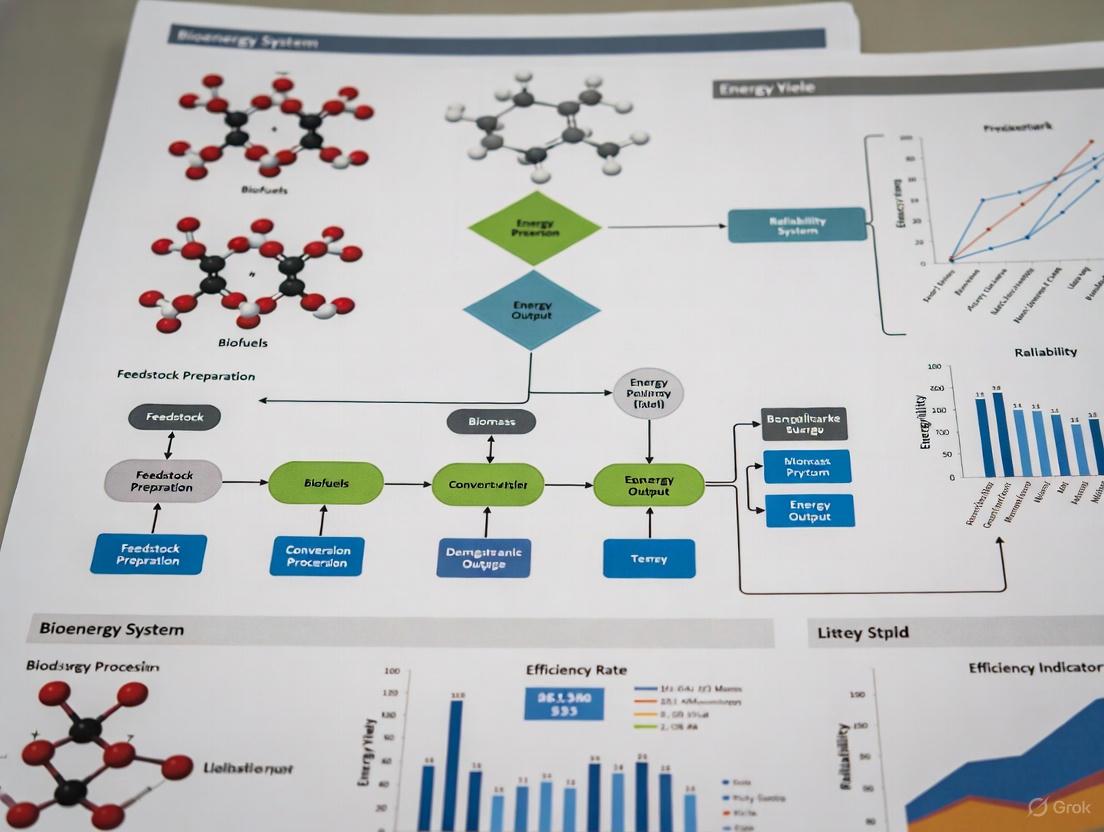
This article provides a comprehensive framework for benchmarking the reliability and energy output of modern bioenergy systems.
Benchmarking Bioenergy Systems: Strategies for Optimizing Reliability and Energy Output in 2025
Abstract
This article provides a comprehensive framework for benchmarking the reliability and energy output of modern bioenergy systems. Tailored for researchers and energy development professionals, it explores foundational concepts, advanced optimization methodologies, common operational challenges, and comparative validation techniques. By synthesizing current research and real-world applications, this review serves as a strategic guide for enhancing the performance, economic viability, and integration of biomass energy within the broader renewable energy landscape, supporting informed decision-making for sustainable energy projects.
Defining Reliability and Output in Modern Bioenergy Systems
Reliability is a cornerstone for the commercial viability and widespread adoption of bioenergy systems. For researchers and scientists developing these technologies, a clear framework for benchmarking reliability is essential. This guide objectively compares the performance of different bioenergy system components based on three core reliability factors: Feedstock Stability, Conversion Technology, and System Maintenance. Performance is evaluated through the lens of energy output consistency, operational continuity, and technical maturity, synthesizing data from current experimental and commercial studies to provide a standardized comparison for drug development professionals and research scientists engaged in sustainable energy solutions.
Feedstock Stability Comparison
Feedstock stability—encompassing consistent availability, predictable composition, and resistance to degradation—is a primary determinant of bioenergy system reliability. Variations in feedstock properties can significantly impact conversion efficiency and lead to undesirable fluctuations in energy output [1]. The table below compares key feedstock types based on critical reliability metrics.
Table 1: Reliability and Performance Comparison of Common Bioenergy Feedstocks
| Feedstock Type | Composition Variability | Energy Density (MJ/kg, approximate) | Pre-processing Requirements | Key Reliability Considerations |
|---|---|---|---|---|
| Woody Biomass (e.g., forest residues) [1] [2] | Low | 18-20 [2] | Drying, sizing | High stability; consistent composition; suitable for long-term storage [1]. |
| Agricultural Residues (e.g., corn stover, straw) [3] [4] | Moderate to High | 15-17 | Collection, densification, drying | Seasonal availability; variable moisture and ash content; logistics can be complex [5]. |
| Energy Crops (e.g., switchgrass) [3] [2] | Low | 17-19 | Harvesting, drying | Cultivated for consistent properties; high yield per acre [2]. |
| Municipal Solid Waste [3] [1] | Very High | 8-11 | Sorting, removal of contaminants | High variability in composition and moisture; requires robust pre-processing [1]. |
| Used Cooking Oils & Fats [3] [6] | Moderate | 35-37 [6] | Filtration, dewatering | High energy density; consistent core composition but variable contamination [6]. |
Experimental Data on Feedstock Impact
The critical influence of feedstock stability on final energy output is demonstrated by research into biodiesel quality. The cloud point and oxidative stability of the final fuel—key indicators of performance and reliability—are directly determined by the feedstock used [6]. For instance, experimental data shows that biodiesel produced from Yellow Grease exhibits a more favorable (lower) cloud point compared to many other feedstocks, making it a more reliable fuel in colder temperatures [6]. Furthermore, the carbon intensity of the resulting biofuel, a key metric in life-cycle assessments and regulatory incentives, is heavily dependent on the feedstock, with waste-based feedstocks typically achieving lower carbon intensities and higher economic incentives [6].
Conversion Technology Reliability
The conversion technology is the engine of the bioenergy system, and its reliability is a function of technological maturity, conversion efficiency, and flexibility in handling different feedstocks. The following table benchmarks the primary conversion pathways.
Table 2: Reliability and Performance Comparison of Bioenergy Conversion Technologies
| Conversion Technology | Technology Readiness Level | Typical Conversion Efficiency | Feedstock Flexibility | Key Reliability Factors |
|---|---|---|---|---|
| Direct Combustion [5] [7] | High (Commercial) | 20-30% (Electricity) [5] | Low to Moderate | Simple operation; high maturity; but can produce emissions affecting operational continuity [2]. |
| Anaerobic Digestion [3] [4] | High (Commercial) | 40-60% (Biogas) [4] | Moderate (best for wet feedstocks) | Robust biological process; handles high-moisture waste; continuous operation possible [3]. |
| Gasification [3] [7] | Medium to High | 60-80% (Syngas) [7] | High | Produces versatile syngas; shorter reaction time than biochemical routes; sensitive to feedstock moisture content [7]. |
| Fast Pyrolysis [4] [7] | Medium (Demonstration) | 60-75% (Bio-oil) [7] | High | High conversion efficiency; produces unstable bio-oil that requires upgrading [4]. |
| Microbial Fuel Cells [3] | Low (R&D) | 30-50% (Electricity) [3] | Low (specific substrates) | Direct electricity generation; simultaneous waste treatment; currently low power density and high costs [3]. |
Experimental Protocol for Technology Benchmarking
To objectively compare the reliability and performance of different conversion technologies, researchers can employ the following standardized experimental protocol, adapted from systematic review methodologies [8]:
- System Boundary Definition: Delineate the scope of the assessment, typically from feedstock reception to final energy carrier production (e.g., syngas, biogas, electricity).
- Feedstock Standardization: Use a common, characterized feedstock (e.g., a specific woody biomass) across all technologies to isolate technology performance from feedstock variability.
- Data Acquisition: Monitor key operational parameters for a continuous 500-hour run, including:
- Temperature and pressure profiles within the reactor.
- Feedstock throughput (kg/h).
- Output yield (e.g., Nm³ of syngas, m³ of biogas, liters of bio-oil).
- Energy content of the output product (e.g., using bomb calorimetry).
- Downtime events and their causes (e.g., catalyst deactivation, slagging, microbial inhibition).
- Efficiency Calculation: Calculate the net conversion efficiency for each technology using the formula: (Energy in useful outputs / Energy in feedstock) × 100%.
- Reliability Metrics Calculation: Determine key reliability indicators:
- Availability: (Total operational hours / Total test period) × 100%.
- Mean Time Between Failures: Total operational hours / Number of unplanned shutdowns.
This protocol enables a head-to-head comparison of technologies based on empirical data for efficiency, operational stability, and required intervention.
Diagram 1: Bioenergy conversion technology pathways.
System Maintenance and Operational Demands
Maintenance requirements directly influence the long-term reliability, economic viability, and operational burden of a bioenergy system. These demands vary significantly by technology.
Table 3: Maintenance and Operational Demands of Bioenergy Systems
| System Component / Process | Maintenance Intensity | Critical Maintenance Tasks | Impact on Reliability |
|---|---|---|---|
| Direct Combustion Boilers [5] [2] | High | Ash removal, heat exchanger cleaning, emission control system checks [2]. | Ash slagging can cause corrosion and downtime; requires regular shutdowns [5]. |
| Gasification Systems [7] | High | Tar removal from filters and reactors, catalyst replacement, refractory lining inspection. | Tar accumulation is a major cause of blockages and system failure [7]. |
| Anaerobic Digesters [3] [2] | Medium | Mixer and pump maintenance, monitoring of microbial health, digestate removal. | Imbalance in microbial consortium can halt gas production; mechanical mixing is a common point of failure. |
| Fuel Handling & Storage [2] | Low to Medium | Fuel quality monitoring, equipment lubrication, moisture control in storage. | Biomass degradation in storage directly lowers energy output and can cause feeding system jams. |
Quantitative Maintenance Impact Analysis
The financial and temporal costs of maintenance are non-trivial. For residential-scale systems, a typical biomass boiler requires annual servicing costing $200–$400, plus chimney cleaning at $150–$300 annually [2]. Projected over a 25-year system lifespan, cumulative maintenance costs can reach $15,000–$25,000, a figure that must be factored into techno-economic analyses and lifecycle assessments [2]. Furthermore, operational data indicates that wood heating systems can demand 4–8 hours of labor monthly for fuel handling, loading, and ash removal, representing a significant operational burden that impacts perceived reliability [2].
The Scientist's Toolkit: Research Reagent Solutions
For researchers designing experiments to probe the reliability factors discussed, the following reagents and materials are essential.
Table 4: Essential Research Reagents and Materials for Bioenergy Reliability Studies
| Reagent/Material | Function in Experimental Research |
|---|---|
| Lignocellulolytic Enzymes | Catalyze the hydrolysis of lignocellulosic biomass into fermentable sugars; used to assess biochemical conversion potential and feedstock reactivity [4]. |
| Metal Oxide Catalysts | Accelerate thermochemical reactions (e.g., in gasification, pyrolysis); used to study tar cracking efficiency and syngas quality improvement [4]. |
| Electrogenic Bacteria | Serve as biocatalysts in Microbial Fuel Cells (MFCs) for direct electricity generation from organic substrates; critical for studying bioelectrochemical system stability [3]. |
| Anaerobic Digestion Inoculum | Provides a consortium of microorganisms to initiate and sustain biogas production; essential for biochemical methane potential assays [3]. |
| Standard Gas Mixtures | Used for calibrating gas analyzers (e.g., for CO, H₂, CH₄, CO₂) to ensure accurate measurement of gasification and digestion outputs [7]. |
Diagram 2: Experimental protocol for technology benchmarking.
This comparison guide provides a systematic benchmarking of global bioenergy systems, focusing on their reliability and energy output as of 2025. As nations intensify efforts to decarbonize energy systems, bioenergy has solidified its role as a critical renewable source, providing dispatchable power and renewable heat alongside intermittent solar and wind resources. The analysis that follows objectively compares technological pathways, regional market developments, and performance metrics across the bioenergy sector, supporting researchers and energy professionals in evaluating system reliability and output efficiency. Based on the most current data available, this snapshot captures the state of technological advancement, investment patterns, and sustainability considerations that define the contemporary bioenergy landscape.
- Market Growth: The global biomass power generation market was valued at $90.8 billion in 2024 and is projected to reach $116.6 billion by 2030, growing at a compound annual growth rate (CAGR) of 4.3% [9].
- Power Generation: Global bioenergy electricity generation peaked at 698 TWh in 2024, representing a 3% year-on-year growth, with Asia leading this expansion [10].
- Capacity Installations: Global biopower capacity reached 151 GW in 2024, with Asia's capacity nearly tripling since 2015 [10].
- Transport Biofuels: Liquid biofuels production reached approximately 192 billion liters in 2024, representing 90% of renewable energy in transport and 4% of total transport energy use [10].
- Investment Trends: The International Energy Agency (IEA) predicts a 13% increase in bioenergy investments for 2025, with Europe comprising 60% of global biogas investment in 2024 [10] [11].
Global Bioenergy Capacity Analysis
Regional Capacity Distribution
Bioenergy capacity development shows distinct geographic patterns influenced by resource availability, policy frameworks, and energy security priorities. The table below summarizes the regional distribution of bioenergy capacity and key growth drivers.
Table 1: Regional Bioenergy Capacity and Growth Drivers (2024-2025)
| Region | Biopower Capacity | Key Growth Countries | Primary Feedstocks | Investment Trends |
|---|---|---|---|---|
| Asia | Leading global capacity (66 GW in 2020); nearly tripled since 2015 [10] [12] | China (30% of global output), India, Japan [10] [12] | Agricultural residues, municipal solid waste [12] | Major investments in biopower facilities; China accounts for 30% of global output [10] |
| Europe | 32 GW (2020); 75% of global bioheat output [10] [12] | Germany, UK, Sweden, Italy, Poland, Netherlands [12] [13] | Wood pellets, forestry residues, agricultural waste [10] | 60% of global biogas investment (2024); strong policy support [10] |
| North America | 18 GW (2020) [12] | United States, Canada [12] [14] | Corn (ethanol), vegetable oils, animal fats (biodiesel) [14] | Significant investments in liquid biofuels; 15.4B gal ethanol (2022) [14] |
| Emerging Regions | Increasing capacity | Brazil, other Latin American countries [10] | Sugarcane (ethanol), agricultural residues [10] | Rising investments in biogas and ethanol; Brazil as key market [10] |
Technology-Specific Capacity
Bioenergy technologies have evolved along multiple pathways, each with distinct technology readiness levels and conversion efficiencies. The current market includes established first-generation technologies and advancing second-generation systems.
Table 2: Bioenergy Technology Capacity and Conversion Efficiency
| Technology Pathway | Global Production/Capacity | Overall Energetic Efficiency Range | Stage of Development |
|---|---|---|---|
| Biopower (Combustion) | 151 GW (2024) [10] | 60-80% (with CHP) [13] | Commercial/Established |
| Biopower (Gasification-ICE) | Growing capacity | 50-75% (with CHP) [13] | Demonstration/Commercialization |
| Bioethanol | 15.4 billion gallons (U.S., 2022) [14] | 35-45% (corn), 50-60% (sugarcane) [15] | Commercial/Established |
| Biodiesel/Renewable Diesel | 3.1 billion gallons (U.S., 2022) [14] | 55-65% [15] | Commercial/Established |
| Biomethane/Biogas | 1.76 EJ (2023); 4% generation capacity increase (2023) [10] | 60-75% (upgraded) [15] | Commercial/Expanding |
| Hydrotreated Vegetable Oils (HVO) | Growing production | 65-75% [15] | Commercial/Expanding |
| Lignocellulosic Biofuels | Limited commercial capacity | 40-50% (projected) [15] | Demonstration/R&D |
Market Trends and Investment Landscape
Current Market Valuation and Projections
The biomass power generation market continues to demonstrate robust growth, valued at $90.8 billion in 2024 and projected to reach $116.6 billion by 2030 with a CAGR of 4.3% [9]. This growth trajectory is underpinned by several key factors:
- Policy Support: Government policies supporting renewable energy adoption, including carbon pricing mechanisms and emission reduction targets, are incentivizing industries to shift toward biomass-based power generation [9].
- Technological Advancement: Significant progress in biomass conversion technologies is improving efficiency and reducing costs. Key advancements include advanced gasification processes, torrefaction technology, and integrated carbon capture and storage solutions [9].
- Waste-to-Energy Expansion: Increasing investment in biomass-based waste-to-energy plants addresses growing waste management challenges while generating electricity, aligning with circular economy principles [9].
Investment Patterns
Investment in bioenergy is rising globally, with distinct regional priorities and technology focus areas:
- Liquid Biofuels Leadership: Investments in liquid biofuels are particularly strong, with Brazil and the United States as key markets [10].
- European Biogas Dominance: In 2024, Europe comprised 60% of global biogas investment, reflecting strong policy support and established supply chains [10].
- Overall Investment Growth: The IEA predicts a 13% increase in bioenergy investments for 2025, signaling continued confidence in the sector's growth potential [11].
Benchmarking Bioenergy System Performance
Experimental Framework for System Reliability Assessment
Research into bioenergy system reliability employs standardized experimental protocols and assessment methodologies to enable cross-technology comparisons. The experimental framework typically includes:
- Life Cycle Assessment (LCA) Methodology: Following ISO standards (ISO 14040:2006, ISO 14044:2006), LCA provides a holistic approach for environmental comparison of alternative technologies through four phases: goal and scope definition, life cycle inventory, life cycle impact assessment, and interpretation of results [13].
- System Boundary Definition: Assessments typically include biomass provision (cultivation, harvesting, processing, transportation), biomass conversion (thermochemical or biochemical processes), and cooling systems where applicable [13].
- Functional Unit Standardization: Analyses are normalized to 1 MWh of primary energy product (PEP) to enable equitable comparisons across different system configurations [13].
- Impact Assessment Categories: Multiple environmental impact categories are evaluated, including global warming potential, acidification, eutrophication, and resource depletion [13].
Comparative Technical Performance of Conversion Technologies
The reliability and energy output of bioenergy systems vary significantly based on conversion technology, feedstock characteristics, and system configuration.
Table 3: Performance Benchmarking of Bioenergy Conversion Technologies
| Technology | Electrical Efficiency | Overall Efficiency (with CHP) | Key Reliability Factors | Technology Readiness |
|---|---|---|---|---|
| Biomass Combustion (ORC) | 10-20% [13] | 60-80% [13] | Stable feedstock supply, regular maintenance [12] | Commercial (9) |
| Biomass Gasification-ICE | 20-30% [13] | 50-75% [13] | Gas cleaning system maintenance, feedstock quality control [13] | Demonstration/Commercialization (7-8) |
| Anaerobic Digestion | 30-40% (electrical from CHP) [15] | 75-85% (with thermal use) [15] | Temperature control, feedstock consistency [12] | Commercial (9) |
| Bioethanol Fermentation | N/A | 35-60% (fuel energy output) [15] | Microbial culture health, contamination prevention [15] | Commercial (9) |
Environmental Performance Benchmarking
Comprehensive environmental analysis using Life Cycle Assessment (LCA) methodology reveals significant variations in environmental impacts across different bioenergy pathways. A comparative LCA of different small-scale biomass-fueled Combined Cooling, Heating, and Power (CCHP) systems shows that:
- The biomass conversion phase (gasification and ORC) contributes most significantly (46-94%) to all environmental impact categories per 1 MWh of primary energy product, followed by the biomass provision phase [13].
- Cooling systems entail only minor environmental burdens (0-22%) across impact categories [13].
- When benchmarked against fossil alternatives, biomass CCHP systems demonstrate significant advantages in climate change impact categories, though they may exhibit higher impacts in other categories such as acidification and eutrophication potential depending on system configuration and feedstock [13].
The following diagram illustrates the systematic benchmarking approach for evaluating bioenergy system reliability and environmental performance:
Research Reagents and Analytical Tools
Standardized analytical procedures and research tools are essential for ensuring comparable results across bioenergy research. The following table details key research solutions used in advanced bioenergy studies.
Table 4: Essential Research Reagents and Analytical Tools for Bioenergy Studies
| Tool/Reagent | Function | Application in Bioenergy Research |
|---|---|---|
| NREL Laboratory Analytical Procedures [16] | Standardized methods for biomass composition analysis | Determining cellulose, hemicellulose, and lignin content in feedstocks |
| CatCost Catalyst Cost-Estimating Tool [16] | Economic evaluation of catalytic processes | Comparing cost-effectiveness of different conversion catalysts |
| ALFABET (Bond Dissociation Energies Estimator) [16] | Prediction of thermodynamics of chemical reactions | Screening potential biomass conversion pathways |
| Bioenergy Scenario Model (BSM) [16] | Policy analysis and scenario modeling | Evaluating impacts of bioenergy policies on market development |
| JEDI Biofuels Models [16] | Economic impact assessment of biofuel plants | Estimating job creation and economic benefits of bioenergy facilities |
| BioFuels Atlas [16] | Geospatial analysis of biomass resources | Mapping biomass availability and optimal plant locations |
| Life Cycle Inventory Databases [13] | Environmental impact data repository | Calculating carbon footprint and other environmental metrics |
Emerging Innovations and Future Outlook
Technological Advancements
Several technological innovations are poised to enhance the reliability and efficiency of bioenergy systems:
- Hybrid Renewable Systems: Integration of biomass with other renewable sources, particularly solar and wind, can provide consistent energy supply when intermittent resources are unavailable [12].
- Advanced Gasification Technologies: Improved gasification processes coupled with efficient gas cleaning systems enhance the viability of biomass gasification for power generation [9] [13].
- Torrefaction Technology: This thermal pretreatment process enhances the energy density and storage capabilities of biomass fuels, producing a material with properties similar to coal [9].
- Artificial Intelligence Applications: AI and machine learning are being deployed to optimize biomass supply chains, predict conversion efficiency, and enhance system reliability [12] [9].
Addressing Research Challenges
Despite substantial advancements, several research challenges persist in bioenergy system optimization:
- Supply Chain Complexity: Effectively utilizing biomass while managing supply chain costs remains a significant challenge, with factors including feedstock availability, transportation expenses, and logistical systems impacting overall efficiency [12].
- Conversion Efficiency Limitations: Current conversion technologies face efficiency barriers, with biochemical routes typically offering lower energy recovery rates compared to thermochemical pathways [12] [15].
- System Integration Challenges: Integrating variable bioenergy sources with existing energy infrastructure requires sophisticated grid management solutions [12].
- Sustainability Measurement: Comprehensive sustainability assessment requires integration of economic, environmental, and social dimensions, with current research often prioritizing economic objectives [12].
The following workflow illustrates the experimental protocol for assessing bioenergy system reliability and environmental performance:
This 2025 snapshot of global bioenergy capacity and market trends demonstrates a sector in transition, balancing established first-generation technologies with emerging advanced bioenergy pathways. With Asia leading capacity growth and Europe dominating investment in biogas, regional specialization reflects local resources, policy priorities, and market structures. The benchmarking analysis reveals significant variations in system reliability and energy output across technological pathways, with gasification-ICE systems generally offering higher electrical efficiency but lower overall efficiency compared to ORC systems when thermal utilization is optimized.
For researchers and industry professionals, these findings highlight several critical considerations. First, technology selection must align with local energy demand patterns—systems with high thermal utilization potential benefit from CHP configurations, while electricity-focused applications may prioritize gasification pathways. Second, sustainability assessments must extend beyond greenhouse gas emissions to include broader environmental impacts and social dimensions. Finally, ongoing innovation in supply chain optimization, conversion efficiency, and system integration will be essential for enhancing bioenergy's contribution to global renewable energy portfolios.
As bioenergy continues to evolve within the broader renewable energy landscape, its unique capacity to provide dispatchable power, utilize diverse feedstocks (including waste streams), and support circular economy principles positions it as a valuable component of comprehensive decarbonization strategies. Future research priorities should focus on enhancing system reliability, reducing costs through technological innovation, and developing integrated sustainability metrics that capture the full spectrum of environmental, economic, and social impacts.
The global transition to a sustainable, low-carbon energy system has positioned biomass energy as a critical renewable resource. The biomass supply chain (BSC) encompasses the integrated processes of sourcing, transporting, processing, and converting organic materials into usable energy products. For researchers and industry professionals, optimizing this supply chain presents complex challenges involving feedstock variability, logistical efficiency, conversion technology selection, and sustainability balancing. The global biomass energy market, valued at $99 billion in 2024, is projected to grow to $160 billion by 2035, reflecting a compound annual growth rate (CAGR) of 4.46% [17]. Parallel growth is observed in specific sectors, with the biomass industrial fuel market expected to expand from $1,856 million in 2025 to $3,316 million by 2031, demonstrating a more robust CAGR of 10.3% [18].
Benchmarking the performance and reliability of these systems requires standardized methodologies for comparing diverse biomass pathways against consistent criteria. This guide provides a comprehensive comparison framework focused on quantitative performance metrics, experimental validation protocols, and systematic analysis of the technological and logistical components that constitute modern bioenergy systems. The critical importance of optimized biomass supply chains is underscored by research indicating that effective utilization must manage costs while addressing feedstock availability, quality, transportation expenses, and complex logistical systems [12].
Biomass Feedstock Profiles and Characteristics
Biomass feedstocks are broadly categorized by origin, composition, and suitability for various conversion pathways. Each feedstock type possesses distinct physical and chemical properties that directly influence energy content, processing requirements, and ultimately, the choice of conversion technology and final energy product.
- Agricultural Residues: This category includes materials such as straw, corn stover, rice husks, and bagasse. They are characterized by their seasonal availability, dispersed geographical distribution, and lower bulk density, which complicates collection and transport. A significant research focus involves optimizing collection systems to avoid conflict with food production and soil health.
- Forestry Residues and Wood Products: This group comprises logging residues (branches, tops), sawdust, and wood pellets from dedicated energy crops. Wood pellets, for instance, are engineered for higher energy density and improved transport efficiency, making them suitable for international markets and co-firing in coal power plants [18] [17].
- Energy Crops: These are plants specifically cultivated for bioenergy production, including fast-growing trees (e.g., willow, poplar) and grasses (e.g., miscanthus, switchgrass). Their key characteristic is higher sustainable yield per hectare, but they require dedicated land and agricultural inputs.
- Organic Wastes: This diverse category encompasses municipal solid waste (MSW), animal manure, and used cooking oil (UCO). Utilizing these feedstocks aligns with waste-to-energy and circular economy principles, reducing landfill use and generating energy from waste streams. The average price of UCO in July 2025 was reported at approximately $1,206 per metric ton, highlighting the economic value of these waste streams [19].
Table 1: Comparative Analysis of Primary Biomass Feedstocks
| Feedstock Category | Key Examples | Average Energy Density (GJ/ton) | Major Advantages | Major Challenges |
|---|---|---|---|---|
| Agricultural Residues | Rice husks, Straw, Corn stover [12] | 12-15 | Abundant, low cost, avoids land-use change | Seasonal, low bulk density, high collection cost |
| Woody Biomass | Wood chips, Pellets, Forestry residues [18] [17] | 16-19 | Higher energy density, established supply chains | Logistics cost, sustainable forestry management |
| Energy Crops | Switchgrass, Miscanthus | 17-19 | High yield potential, dedicated supply | Land use competition, requires agricultural inputs |
| Organic Wastes | MSW, Manure, Used Cooking Oil (UCO) [19] | 10-18 | Waste management benefits, circular economy | Contaminants, heterogeneous composition |
Biomass Conversion Pathways and Performance Metrics
The conversion of raw biomass into final energy products occurs through several distinct technological pathways, each with unique operational parameters, efficiency benchmarks, and suitable applications. The selection of a conversion pathway is a critical decision that depends on feedstock type, desired energy product (e.g., power, heat, liquid fuel), and economic and environmental constraints.
Thermochemical Conversion Pathways
Thermochemical processes use heat and chemical reactions to convert biomass into energy-dense fuels.
- Combustion: This is the most direct and mature method, involving the burning of biomass to produce heat, which can be used directly or to generate electricity via steam turbines. It is widely used in biomass power plants, but its relative simplicity comes with lower conversion efficiency compared to advanced methods.
- Gasification: This process converts biomass into a synthetic gas ("syngas")—a mixture of hydrogen, carbon monoxide, and methane—by reacting the feedstock at high temperatures with a controlled amount of oxygen. The syngas can be used to generate electricity in engines or turbines, or it can be cleaned and further processed into liquid biofuels or chemicals. Technological advancements are continuously improving the thermal conversion efficiency of gasification systems [9].
- Pyrolysis: In this pathway, biomass is thermally decomposed in the absence of oxygen to produce liquid bio-oil, solid biochar, and gaseous products. Fast pyrolysis is optimized to maximize the yield of bio-oil, which can be upgraded into heating oil or, with further treatment, into transportation fuels. Innovations in pyrolysis are focused on improving the quality and stability of the bio-oil produced [9].
Biochemical Conversion Pathways
Biochemical processes utilize enzymes and microorganisms to break down biomass.
- Anaerobic Digestion: This process uses microbes in an oxygen-free environment to decompose wet organic materials (e.g., manure, food waste) into biogas (primarily methane and CO2) and digestate. The biogas can be combusted for heat and power or upgraded to biomethane (Renewable Natural Gas) for injection into the gas grid or use as a vehicle fuel. Growth in anaerobic digestion projects is fueling synergies with broader biomass energy systems [9].
- Fermentation: Primarily used for biomass high in sugars or starches (e.g., sugarcane, corn), fermentation employs yeast to produce bioethanol. Second-generation fermentation technologies are being deployed to convert cellulosic biomass into ethanol, overcoming the food-vs-fuel dilemma associated with first-generation biofuels [20].
Table 2: Performance Benchmarking of Biomass Conversion Technologies
| Conversion Technology | Primary Energy Product(s) | Typical Conversion Efficiency | Technology Readiness Level (TRL) | Scale & Application |
|---|---|---|---|---|
| Combustion [9] | Heat, Electricity | 20-35% (Power) | 9 (Mature) | Large-scale power plants, industrial heat |
| Gasification [9] | Syngas, Electricity, Biofuels | 30-40% (Power) | 7-9 (Commercial) | Medium-large scale, power & CHP |
| Pyrolysis [9] | Bio-oil, Biochar | 60-75% (Liquid Yield) | 6-8 (Demonstration) | Distributed / centralized bio-oil production |
| Anaerobic Digestion [9] [20] | Biogas (Biomethane) | 40-60% (Biogas Yield) | 9 (Mature) | Farm-scale, wastewater treatment, organic waste |
| Fermentation [20] | Bioethanol | 75-85% (Theoretical Sugar) | 9 (Mature) | Large-scale biofuel production |
Experimental Protocols for Biomass System Analysis
To ensure the reliability and comparability of data used for benchmarking bioenergy systems, researchers must adhere to standardized experimental protocols. These methodologies allow for the objective assessment of feedstock quality, conversion process efficiency, and final fuel properties.
Protocol A: Feedstock Proximate and Ultimate Analysis
Objective: To determine the fundamental composition and energy content of a biomass feedstock sample, which are critical parameters for predicting conversion performance. Workflow:
- Sample Preparation: The biomass sample is air-dried, milled, and sieved to a standardized particle size (e.g., < 1 mm) to ensure homogeneity.
- Proximate Analysis:
- Moisture Content: Measure mass loss after drying at 105°C until constant weight.
- Volatile Matter: Measure mass loss after heating to 950°C in a covered crucible for a set time in the absence of air.
- Ash Content: Measure residual mass after combustion in a muffle furnace at 575°C or 750°C.
- Fixed Carbon: Calculated by difference: 100% - (%Moisture + %Volatile Matter + %Ash).
- Ultimate Analysis: Using specialized instrumentation (e.g., CHNS/O elemental analyzer) to determine the weight percentage of Carbon, Hydrogen, Nitrogen, Sulfur, and Oxygen (by difference).
- Calorific Value: Measure the Higher Heating Value (HHV) using an Isoperibol Oxygen Bomb Calorimeter, following ASTM D5865 or equivalent standard.
Protocol B: Biomass Gasification Efficiency and Syngas Quality Assessment
Objective: To quantify the performance of a gasification process and analyze the composition of the produced syngas. Workflow:
- Reactor Setup: Load a precisely measured mass of prepared feedstock into a fixed-bed or fluidized-bed gasification reactor.
- Process Parameter Control: Set and maintain critical operational parameters: temperature (e.g., 700-900°C), agent (air, steam, or oxygen), and feed rate.
- Syngas Sampling and Analysis: After the reactor reaches steady-state conditions, collect syngas samples. Use Gas Chromatography (GC) with a Thermal Conductivity Detector (TCD) to quantify the concentrations of H₂, CO, CO₂, CH₄, and N₂.
- Data Calculation:
- Cold Gas Efficiency (CGE): Calculate as: (Chemical energy in syngas / Chemical energy in biomass feedstock) × 100%.
- Carbon Conversion Efficiency (CCE): Calculate as: (Carbon in syngas / Carbon in biomass feedstock) × 100%.
The following diagram illustrates the logical workflow and data flow for this experimental protocol.
Experimental Workflow for Gasification Analysis
Quantitative Benchmarking of Final Energy Products
The final products of the biomass supply chain must meet specific quality standards to be viable in the energy market. The table below provides a comparative overview of key biomass-derived energy carriers, benchmarking them against conventional fossil fuels and each other based on key energy and economic metrics.
Table 3: Benchmarking of Biomass-Derived Fuels Against Conventional Alternatives
| Energy Product | Feedstock Origin | Energy Density (MJ/L) | Approx. Price Premium vs Fossil Fuel | Key Applications | Notable Producers/Players |
|---|---|---|---|---|---|
| Fuel Ethanol [20] | Corn, Sugarcane | 23.4 | ~0-50% | Gasoline blending, flex-fuel vehicles | Archer Daniels Midland (ADM), Valero, Raízen |
| Biodiesel (FAME) [20] | Vegetable Oils, UCO | 33.0 | ~50-150% | Diesel blending, commercial fleets | Renewable Energy Group (REG), Neste |
| Renewable Diesel (HVO) [20] | Vegetable Oils, Waste Fats | ~34.0 | ~100-200% | Drop-in replacement for diesel | Neste, Valero (Diamond Green) |
| Biomethane / RNG [20] | Landfill, Manure, Waste | 35.8 (as CNG) | ~50-150% | Pipeline gas, heavy-duty transport | Archaea Energy, Aemetis, Brightmark |
| Wood Pellets [18] [17] | Forest Residues, Wood | ~17-18 (MJ/kg) | Varies by market | Power generation (co-firing), heating | Enviva, Pinnacle, Graanul Invest |
| Conventional Gasoline | Crude Oil | 34.2 | (Baseline) | Light-duty vehicles | - |
| Conventional Diesel | Crude Oil | 38.6 | (Baseline) | Heavy-duty transport, machinery | - |
The data reveals significant trends and challenges. For instance, bio-naphtha, a byproduct of renewable diesel and Sustainable Aviation Fuel (SAF) production, maintained a price premium of $800-$900/mt over fossil naphtha in the second half of 2025 [19]. Similarly, bio-olefins like bio-ethylene and bio-propylene can be priced at two to three times their fossil-based equivalents, constraining their use to niche, high-value applications [19]. These premiums highlight the critical challenge of economic competitiveness faced by many biomass-derived products in the absence of strong regulatory mandates or carbon pricing mechanisms.
The Scientist's Toolkit: Key Research Reagents and Materials
Research and development in biomass supply chains and conversion technologies rely on a suite of specialized reagents, catalysts, and analytical materials. The following table details essential items for a laboratory focused on bioenergy system optimization.
Table 4: Essential Research Reagents and Materials for Bioenergy Research
| Reagent/Material | Function in Research | Typical Specification/Purity |
|---|---|---|
| Enzymes (Cellulase, Hemicellulase) | Catalyze the hydrolysis of cellulose and hemicellulose into fermentable sugars in biochemical pathways. | ≥ 90% activity, filtered |
| Methanogenic Inoculum | Provides the microbial consortium for initiating and maintaining anaerobic digestion processes. | Active digestate from a stable biogas reactor |
| Gasification Agent (O₂, Steam) | The reactive medium in a gasifier; determines syngas composition (e.g., O₂ for higher CO/H₂, steam for higher H₂). | Industrial grade (O₂), Ultra-pure (Steam) |
| Catalysts (Zeolites, Ni-based) | Accelerate chemical reactions in thermochemical processes (e.g., cracking, reforming) to improve bio-oil quality or syngas composition. | Varies (e.g., ZSM-5, Ni/Al₂O₃), >98% |
| Analytical Gases (H₂, CO, CO₂, CH₄) | Used for calibration of Gas Chromatographs (GC) and other analyzers for accurate quantification of gas composition. | Certified calibration standard mixes |
| Solvents (Dichloromethane, Acetone) | Used for extraction of bio-oil components, cleaning reactor systems, and sample preparation for analysis. | HPLC Grade, >99.9% purity |
| Elemental Analysis Standards | Certified reference materials for calibrating CHNS/O analyzers to ensure accurate elemental composition data. | Certified, traceable to NIST |
Integrated Biomass Supply Chain Workflow
A holistic view of the biomass supply chain is essential for identifying optimization points and bottlenecks. The entire process, from biomass cultivation to the delivery of the final energy product, involves multiple interconnected stages, each with its own technological choices and logistical requirements. The integration of digital technologies and AI is emerging as a key trend to optimize logistics, feedstock matching, and overall supply chain efficiency [21] [17].
Integrated Biomass to Energy Workflow
This guide has provided a structured framework for benchmarking biomass supply chains, from diverse feedstocks to a variety of final energy products. The quantitative data, experimental protocols, and comparative tables presented allow researchers and industry professionals to objectively assess the performance, reliability, and economic viability of different bioenergy pathways. The steady market growth and ongoing technological innovations, particularly in areas like Bioenergy with Carbon Capture and Storage (BECCS), advanced biofuels, and AI-driven logistics optimization, underscore the dynamic nature of this field [17].
The key to advancing bioenergy lies in addressing persistent challenges such as feedstock supply chain consistency, conversion efficiency, and the high cost premiums of many bio-products. Future research must continue to focus on integrated optimization approaches that enhance the economic, environmental, and social sustainability of the entire biomass energy system, solidifying its role in the global transition to a clean energy future.
The pursuit of sustainable and reliable bioenergy systems necessitates a critical evaluation of the raw materials at its foundation: biomass feedstocks. The characteristics of these feedstocks—ranging from their chemical composition to their physical properties—profoundly influence the efficiency, yield, and environmental footprint of energy conversion processes. Within the context of benchmarking bioenergy system reliability and energy output, selecting the appropriate feedstock is not merely a preliminary step but a determinant factor in the technological and economic viability of the entire energy production chain. This guide provides an objective comparison of key biomass feedstocks, focusing on their inherent properties and their resultant impact on energy conversion performance, supported by quantitative data and standardized experimental protocols. As the global biomass power generation market progresses, projected to grow from US$90.8 billion in 2024 to US$116.6 billion by 2030, such a comparative analysis becomes indispensable for researchers and industry professionals aiming to optimize bioenergy systems [22].
Feedstock Classification and Key Characteristics
Biomass feedstocks can be broadly categorized based on their origin and suitability for different generations of biofuel production. First-generation feedstocks, primarily food crops like maize and sugarcane, have faced criticism for creating a "food-versus-fuel" dilemma [23]. Consequently, research has pivoted towards advanced, non-food based feedstocks. Second-generation feedstocks, derived from lignocellulosic materials such as agricultural residues (e.g., corn stover, wheat straw), forestry residues, and dedicated energy crops (e.g., switchgrass, miscanthus), are characterized by their abundance and non-competition with food supply chains [23] [24]. Third-generation feedstocks primarily encompass algae, noted for their high lipid content and rapid growth rates without requiring arable land [23] [24]. A emerging category, sometimes termed fourth-generation, involves genetically modified feedstocks or processes designed for carbon-negative bioenergy through integrated carbon capture [23].
The suitability of a feedstock for a specific conversion pathway is largely dictated by its biochemical and physical composition. Key characteristics include:
- Lignocellulosic Content: The proportions of cellulose, hemicellulose, and lignin determine the recalcitrance of the biomass to biochemical breakdown and its suitability for thermochemical processes [23].
- Moisture Content: High moisture content favors biochemical pathways like anaerobic digestion, while thermochemical processes like combustion and gasification require drier feedstocks [24].
- Energy Density: This affects the overall energy output and logistics; for instance, torrefaction and pelletization are pre-treatment methods used to enhance energy density [22] [24].
- Ash Content and Composition: High ash content can lead to slagging and fouling in thermal conversion systems, reducing efficiency and increasing maintenance [24].
The following diagram illustrates the logical relationship between major feedstock categories and their primary conversion pathways, highlighting the diversity of usage routes in the bioenergy landscape.
Comparative Analysis of Feedstock Performance
A critical step in benchmarking bioenergy systems is the direct comparison of feedstock performance across standardized metrics. The following tables synthesize experimental data on energy output, greenhouse gas (GHG) emissions, and utilization costs associated with different feedstock categories and conversion technologies. This data, derived from life cycle assessment (LCA) and techno-economic analysis (TEA) studies, provides a foundation for objective evaluation [25] [24].
Table 1: Energy Output and GHG Performance by Feedstock Category and Conversion Technology
| Feedstock Category | Specific Example | Conversion Technology | Energy Output (MJ/kg feedstock) | GHG Emissions (kg CO₂eq/MJ) |
|---|---|---|---|---|
| Crop Residue | Corn Stover | Gasification | 10.5 - 15.8 | 0.010 - 0.025 |
| Forest Residue | Pine Bark | Combustion | 12.0 - 14.5 | 0.008 - 0.020 |
| Animal Manure | Cattle Manure | Anaerobic Digestion | 0.1 - 0.5 | 0.015 - 0.035 |
| Municipal Food Waste | Organic Fraction MSW | Anaerobic Digestion | 0.5 - 1.2 | 0.020 - 0.045 |
| Woody Biomass | Wood Chips | Pyrolysis | 15.0 - 18.0 | 0.005 - 0.015 |
| Algae | Microalgae (Lipid-extracted) | Hydrothermal Liquefaction | 8.0 - 12.0 | 0.050 - 0.100 |
Table 2: Economic and Operational Metrics for Selected Feedstocks
| Feedstock | Estimated Pre-treatment Cost (USD/ton) | Utilization Cost (USD/MJ) | Technology Readiness Level (TRL) | Key Operational Challenge |
|---|---|---|---|---|
| Wood Chips | 20 - 40 | 0.01 - 0.03 | 9 (Mature) | High moisture variability |
| Corn Stover | 30 - 60 | 0.02 - 0.04 | 7-8 (Demonstration) | Low bulk density, collection logistics |
| Animal Manure | 10 - 25 | 0.03 - 0.06 | 9 (Mature) | High moisture, low energy density |
| Municipal Food Waste | 40 - 80 | 0.04 - 0.08 | 8 (Commercial) | Feedstock contamination, variability |
| Switchgrass | 25 - 50 | 0.02 - 0.05 | 7-8 (Demonstration) | Seasonal harvesting, storage losses |
| Algae | 100 - 300 | 0.08 - 0.15 | 5-6 (Pilot) | High capital and operational costs |
Data in Table 1 indicates that thermochemical pathways like gasification and pyrolysis generally yield higher energy output per kilogram of feedstock compared to biochemical pathways like anaerobic digestion [25]. However, biochemical pathways can be more suitable for wet feedstocks like manure and food waste. Table 2 highlights the economic trade-offs, showing that while mature technologies like wood chip combustion have lower costs, emerging feedstocks like algae face significant economic hurdles [25] [24]. A key insight from recent European energy system modeling is that the value of biogenic carbon for negative emissions (via BECCS) or as a feedstock for e-fuels can be higher than its value for pure bioenergy provision, which can reshape feedstock prioritization [26].
Detailed Experimental Protocols for Benchmarking
To ensure the reliability and reproducibility of biomass conversion data, standardized experimental protocols are essential. The following sections outline detailed methodologies for two key types of analyses used in benchmarking feedstock performance.
Protocol for Life Cycle Assessment (LCA) of Biomass Feedstocks
1. Goal and Scope Definition:
- Objective: To quantify and compare the environmental impacts of different biomass feedstocks from cradle-to-grave.
- Functional Unit: Define a basis for comparison, typically 1 Megajoule (MJ) of net energy output or 1 kilogram of biofuel produced [24].
- System Boundaries: Include all stages: feedstock cultivation/harvesting, transportation, pre-processing, conversion to energy, and end-use. Emissions from land-use change must be considered if applicable.
2. Life Cycle Inventory (LCI):
- Data Collection: Compile quantitative data on all energy and material inputs and environmental releases for each stage within the system boundary.
- Feedstock Production: Document inputs like fertilizers, pesticides, water, and diesel fuel for agricultural operations. For residues, use allocation methods to partition impacts from the primary product.
- Conversion Process: Use mass and energy balance data from pilot or commercial-scale plants. Key parameters include conversion efficiency, catalyst consumption, and emissions of CO2, CH4, N2O, SOx, NOx, and particulates.
3. Life Cycle Impact Assessment (LCIA):
- Impact Categories: Calculate the potential impacts in selected categories, most critically Global Warming Potential (GWP) over a 100-year horizon, expressed in kg CO2-equivalent per functional unit [25].
- Calculation: Apply standardized characterization factors (e.g., from the IPCC) to the LCI data to aggregate emissions into impact category scores.
4. Interpretation:
- Sensitivity Analysis: Identify the most influential parameters (e.g., feedstock yield, conversion efficiency, transport distance) and assess the robustness of the results by varying these parameters [24].
- Uncertainty Analysis: Evaluate the uncertainty in the final results to provide a confidence interval for the comparisons.
Protocol for Techno-Economic Analysis (TEA) of Conversion Pathways
1. Process Modeling and Design:
- Basis: Develop a detailed process flow diagram for the biomass conversion pathway (e.g., gasification + Fischer-Tropsch synthesis).
- Mass and Energy Balance: Use simulation software (e.g., Aspen Plus) or engineering calculations to model the complete process, ensuring mass and energy conservation. This yields key performance data such as overall energy efficiency and product yields.
2. Capital Cost Estimation:
- Equipment Costs: Estimate the purchase cost of all major equipment (reactors, pumps, turbines, etc.).
- Total Capital Investment (TCI): Calculate the TCI by summing the installed equipment costs (using installation factors) and adding costs for indirect capital, land, and working capital.
3. Operating Cost Estimation:
- Fixed Operating Costs: Include labor, maintenance, overhead, and insurance.
- Variable Operating Costs: The most significant is typically the feedstock cost. Also include costs for catalysts, utilities (water, electricity), and waste disposal [24].
4. Economic Analysis:
- Minimum Selling Price (MSP): Calculate the MSP of the bioenergy product (e.g., USD per liter of biofuel or USD per MWh of electricity) required for the project to achieve a specified rate of return (e.g., 10%) over its lifetime.
- Uncertainty and Risk Analysis: Perform a Monte Carlo analysis or sensitivity analysis on key variables (e.g., feedstock price, product value, capital cost) to understand the economic risks and drivers of the project's viability [24].
Essential Research Reagents and Materials
The experimental benchmarking of biomass feedstocks relies on a suite of specialized reagents, analytical standards, and software tools. The following table details key items essential for researchers in this field.
Table 3: Key Research Reagent Solutions and Materials for Biomass Analysis
| Reagent/Material | Function/Application | Technical Specification Notes |
|---|---|---|
| NREL LAPs | Provides standardized laboratory analytical procedures for biomass composition (e.g., determining structural carbohydrates and lignin). | Essential for ensuring reproducible quantification of cellulose, hemicellulose, and lignin content [23]. |
| ANSI/ASABE S593 | Standard for defining and classifying solid biofuels, including terminology and specifications. | Critical for consistent reporting of feedstock physical properties like particle size and moisture content. |
| LCA Software (e.g., OpenLCA, SimaPro) | Software platforms used to model life cycle inventory data and calculate environmental impact assessments. | Enables systematic and standardized comparison of the environmental footprint of different feedstocks and pathways [24]. |
| Process Simulation Software (e.g., Aspen Plus) | Used for rigorous process modeling, mass/energy balancing, and preliminary techno-economic analysis of conversion pathways. | Allows for in-silico optimization of process parameters before pilot-scale testing. |
| Syngas Analysis Standards | Certified gas mixtures (CO, H₂, CO₂, CH₄, N₂) for calibrating analyzers (e.g., GC-TCD) during gasification experiments. | Ensures accurate measurement of syngas composition and yield, key metrics for process efficiency. |
| Lipid Extraction Solvents | Chloroform-methanol mixtures used in standardized methods (e.g., Bligh & Dyer) for quantifying lipid content in algal biomass. | Vital for assessing the biofuel potential of third-generation algal feedstocks [24]. |
| Anaerobic Digestion Inoculum | A metabolically active consortium of microorganisms used to initiate and maintain the anaerobic digestion process in biochemical methane potential tests. | The source and activity of the inoculum must be standardized to ensure comparable results across different labs. |
The Role of Bioenergy in Achieving Net-Zero Emissions and Grid Stability
Bioenergy, derived from organic materials known as biomass, is a cornerstone of global strategies to achieve net-zero emissions and enhance grid stability. As a renewable and versatile energy source, it directly supports the decarbonization of energy systems and provides a reliable, dispatchable power supply that complements variable renewables like solar and wind [12] [23]. The modern bioenergy sector has experienced significant growth; in 2022, it accounted for 5.8% of global total final energy consumption (TFEC), with notable increases in the transport and industrial sectors [27]. Projections suggest the global biomass market will expand from USD 134.76 billion in 2022 to exceed USD 210.5 billion by 2030 [12].
This guide objectively compares the performance of different bioenergy pathways—including solid biomass, liquid biofuels, and biogas—against conventional fossil fuels and other renewable alternatives. The analysis is framed within a broader thesis on benchmarking bioenergy system reliability and energy output, providing researchers and scientists with quantitative data, standardized experimental protocols, and essential toolkits for evaluating bioenergy systems.
Bioenergy Pathways and Technology Comparison
Bioenergy can be produced from a diverse range of feedstocks and converted into various forms of energy through multiple technological pathways. Second-generation feedstocks, such as agricultural residues (e.g., straw, husks) and forestry by-products (e.g., wood chips, sawdust), are particularly advantageous as they do not compete with food production and promote waste valorization in a circular economy [23]. Third-generation feedstocks, primarily algae, offer high photosynthetic efficiency and carbon capture capabilities, while emerging fourth-generation approaches aim for carbon-negative bioenergy through integrated carbon capture and storage (BECCS) [28] [23].
Table 1: Comparative Analysis of Bioenergy Conversion Pathways and Outputs
| Conversion Pathway | Feedstock Examples | Primary Energy Outputs | Key Process Parameters | Typical Energy Yield/ Efficiency | Grid Stability Value |
|---|---|---|---|---|---|
| Biochemical (Anaerobic Digestion) | Animal manure, organic waste, energy crops | Biogas (CH₄, CO₂) | Temperature (35-55°C), pH (6.5-7.5), retention time (20-40 days) | ~50-60% conversion efficiency [23] | High (Dispatchable baseload) |
| Thermochemical (Combustion/Gasification) | Wood chips, agricultural residues, biocoal | Heat, Electricity, Syngas (CO, H₂) | Gasification temp: 800-1200°C; Equivalence ratio: 0.2-0.3 [23] | Electrical efficiency: 20-35% [12] | High (Dispatchable, schedulable) |
| Biochemical (Fermentation) | Sugarcane, corn, lignocellulosic biomass | Bioethanol, Biohydrogen | Temperature (30-35°C), specific microorganism strains (e.g., S. cerevisiae) | Bioethanol: ~400 L/ton dry biomass [23] | Medium (Liquid fuel for storage) |
| Thermochemical (Pyrolysis) | Algal biomass, wood waste | Bio-oil, Biochar, Syngas | Pyrolysis temp: 400-600°C; heating rate: 10-100°C/s [28] | Bio-oil yield: 50-75 wt% [28] | Medium (Energy densification) |
| Algae-Based CCUS | Microalgae (e.g., Chlorella, Spirulina) | Biodiesel, Biogas, Bioethanol | Light intensity: 150-200 µmol/m²/s; CO₂ concentration: 5-15% [28] [29] | CO₂ fixation: 0.3-1.2 g/L/day [29] | Variable with integration |
Table 2: Global Production and Capacity Metrics for Key Bioenergy Types (2023-2024)
| Bioenergy Type | Global Production/Capacity | Key Countries/Regions | Remarks & Trends |
|---|---|---|---|
| Liquid Biofuels | 175.2 billion litres (2023) | Brazil, USA, Indonesia, India | 7% increase from 2022; Blending mandates (e.g., B35 in Indonesia, E20 in India) driving growth [27] |
| Sustainable Aviation Fuel (SAF) | 1.8 billion litres (2024) | USA, EU, Indonesia, South Korea | 200% increase from 2023; Still only 0.53% of aviation fuel demand [27] |
| Biopower Capacity | 150.8 GW (2024) | China, France, USA, Brazil | Record increase of 4.6 GW in 2024; China and France each added 1.3 GW [27] |
| Biogas | 15,789 ktoe (2023, EU) | Germany, Italy, France | 6% increase in Europe (2023); Germany leads with ~50% of EU production [27] |
The following diagram illustrates the interconnected pathways of bioenergy production from feedstock to final energy application, highlighting its role in carbon cycling and grid stability:
Bioenergy Production Pathways and Climate Benefits
Experimental Protocols for Bioenergy System Benchmarking
Protocol for Algal Biomass Carbon Sequestration Efficiency
Objective: Quantify CO₂ fixation rates and biomass yield of microalgae strains under controlled conditions.
Materials:
- Photobioreactors (e.g., 5 L tubular or flat-panel)
- Selected microalgae strains (Chlorella vulgaris, Scenedesmus obliquus)
- Air pumps with CO₂ mixing system (0.03-15% CO₂)
- Artificial lighting system (150-200 µmol/m²/s)
- Analytical equipment: pH meter, spectrophotometer, dry weight oven
Methodology:
- Inoculum Preparation: Grow algae in BG-11 medium to late exponential phase.
- System Setup: Fill reactors with 4 L sterilized medium; inoculate to initial optical density (OD680) of 0.1.
- Environmental Control: Maintain temperature at 25±2°C; provide continuous illumination; aerate with air mixture containing 5%, 10%, and 15% CO₂ (v/v) for test groups, with ambient air (0.04% CO₂) as control.
- Monitoring: Daily measurements of OD680 and pH. Sample (50 mL) collected every 48 hours for dry weight analysis.
- Analysis:
- Biomass concentration: Determine via dry weight (filter through pre-weighed 0.45µm membrane, dry at 105°C to constant weight).
- CO₂ fixation rate: Calculate using formula: ( R{CO₂} = (Xt - X0) \times Cc \times (M{CO₂}/MC) / t ) where ( Xt ) and ( X0 ) are final and initial biomass (g/L), ( C_c ) is carbon content (~50%), ( M ) is molar mass, and ( t ) is time [28] [29].
Protocol for Life Cycle Assessment (LCA) of Bioenergy Systems
Objective: Evaluate environmental impact of bioenergy systems, focusing on global warming potential (GWP) and non-renewable energy demand.
Materials:
- LCA software (SimaPro, OpenLCA)
- Background databases (ecoinvent, Agri-footprint)
- Process inventory data (feedstock production, conversion, transport)
Methodology:
- Goal and Scope: Define functional unit (e.g., 1 MJ energy delivered, 1 km driven).
- System Boundaries: Include all stages from biomass cultivation to energy conversion and distribution (cradle-to-grave).
- Inventory Analysis: Collect data on material/energy inputs, emissions, and waste flows for each process.
- Impact Assessment: Calculate impact categories using standardized methods (e.g., ReCiPe 2016, IPCC GWP 100a).
- Interpretation: Identify hotspots and improvement opportunities through sensitivity analysis [30] [31].
Table 3: Key Inventory Data for LCA of Different Bioenergy Feedstocks
| Input/Output | Jatropha Biodiesel (per km driven) | Algae Biodiesel (per km driven) | Fossil Diesel (per km driven) |
|---|---|---|---|
| Agricultural Inputs | Fertilizer: 0.02-0.05 g N/P/K; Water: 10-50 L (irrigated) | Fertilizer: 0.1-0.3 g N/P; Water: 15-25 L (closed system) | - |
| Direct Emissions | CO₂: 8-25 g (biogenic); NOx: 0.1-0.3 g; PM: 0.01-0.05 g | CO₂: 5-15 g (biogenic); NOx: 0.05-0.2 g; PM: 0.005-0.03 g | CO₂: 85-120 g (fossil); NOx: 0.3-0.6 g; PM: 0.02-0.08 g |
| Land Use | 0.5-2.0 m²a | 0.1-0.5 m²a (photobioreactor) | 0.05-0.2 m²a (infrastructure) |
| GWP (CO₂ eq.) | 15-50% reduction vs. fossil diesel [31] | 40-80% reduction vs. fossil diesel [28] | Baseline (100%) |
| Non-Renewable Energy Demand | 20-60% reduction vs. fossil diesel [31] | 30-70% reduction vs. fossil diesel [28] | Baseline (100%) |
Grid Integration and Stability Analysis
Bioenergy provides distinct advantages for grid stability through its dispatchability and reliability compared to variable renewable sources. In 2024, renewables met two-thirds of increased global power demand, but fossil fuels continued to fill gaps, pushing CO₂ emissions up by 0.8% [32]. Bioenergy's role in grid stability includes:
- Biomass power plants provide baseload and dispatchable generation, mitigating intermittency of solar and wind power. Global biopower capacity reached 150.8 GW in 2024, a record 4.6 GW increase from 2023 [27].
- Hybrid renewable systems combine biomass with solar/wind, using bioenergy as a controllable source when variable generation is low. Advanced smart grids employ demand response and energy storage for optimal integration [33].
- Biopower in developing regions enhances energy access and grid reliability. In sub-Saharan Africa, decentralized biomass systems provide electricity where grid access is limited (only 14% in rural Mali) [30].
The following diagram illustrates bioenergy's role in a stable, integrated renewable grid:
Bioenergy Integration in Renewable Electricity Systems
The Researcher's Toolkit: Essential Reagents and Materials
Table 4: Essential Research Reagents and Materials for Bioenergy System Analysis
| Reagent/Material | Specification | Research Application | Key Function |
|---|---|---|---|
| Algae Growth Media (BG-11) | Contains NaNO₃, K₂HPO₄, MgSO₄·7H₂O, CaCl₂·2H₂O, citric acid, microelements | Algal biomass cultivation for carbon capture and biofuel production | Provides essential macronutrients and micronutrients for optimized algae growth and lipid production [28] [29] |
| Arbuscular Mycorrhizal (AM) Fungi | Rhizophagus irregularis or similar species | Bioenergy crop cultivation trials | Forms mutualistic associations with plant roots, enhancing nutrient/water uptake and reducing fertilizer requirements [31] |
| Anaerobic Digestion Inoculum | Granular sludge from operational biogas plants | Biochemical methane potential tests | Provides microbial consortium (hydrolytic, acidogenic, acetogenic, methanogenic bacteria) for efficient biomass conversion to biogas [23] |
| Lipase Enzymes | Candida antarctica Lipase B (immobilized) | Biodiesel production via transesterification | Catalyzes conversion of algal/plant lipids to fatty acid methyl esters (biodiesel) under mild conditions [23] |
| Gas Chromatography System | Equipped with FID/TCD detectors, capillary columns | Biofuel composition and quality analysis | Quantifies and identifies volatile compounds in biofuels (e.g., fatty acid profiles in biodiesel, methane content in biogas) [31] |
Bioenergy systems present a viable pathway for achieving net-zero emissions and enhancing grid stability through multiple technological pathways. Quantitative benchmarking demonstrates significant life cycle advantages, including 40-80% GWP reduction for algae-based biofuels compared to fossil diesel and substantial contributions to dispatchable power capacity [28] [27]. However, challenges in supply chain optimization, conversion efficiency, and land-use impacts require continued research using the standardized protocols and tools outlined.
Future advancements hinge on integrating bioenergy with other renewables in smart grids, developing carbon-negative bioenergy through BECCS, and optimizing sustainable feedstock use. For researchers, focusing on algal carbon capture efficiency, LCA standardization, and hybrid renewable system modeling will be crucial for maximizing bioenergy's role in a comprehensive net-zero strategy.
Advanced Tools and Techniques for System Optimization
Mathematical Modeling for Biomass Supply Chain Optimization
Mathematical modeling is paramount for optimizing the complex, multi-stage logistics of biomass supply chains (BSCs), which are critical for advancing renewable bioenergy. This guide provides a comparative analysis of predominant modeling paradigms—from traditional operations research methods to emerging artificial intelligence (AI) techniques. It benchmarks their performance in addressing core optimization challenges, including cost minimization, logistical efficiency, and resilience to disruptions. Supported by experimental data and detailed methodologies, this review serves as a strategic resource for researchers and industry professionals in selecting and deploying appropriate modeling frameworks for robust and economically viable bioenergy systems.
The biomass supply chain encompasses a sequence of interconnected activities, from the collection of raw materials like forestry residues and agricultural waste to their transportation, storage, preprocessing, conversion into energy or biofuels, and final distribution [34] [35]. The inherent complexities of these chains, such as biomass seasonality, geographical dispersion of resources, and quality variations, present significant technical and economic challenges. Logistical costs, particularly for transportation, can constitute the majority of the total supply chain expense, often determining the economic feasibility of biomass exploitation [35] [36].
Mathematical modeling provides a structured framework to navigate this complexity, enabling stakeholders to make informed strategic and tactical decisions. The primary objectives of BSC optimization models include maximizing profit, minimizing total cost, reducing greenhouse gas emissions, and enhancing supply chain resilience against disruptions [34] [36]. Over the years, the modeling landscape has evolved from deterministic linear programming to sophisticated techniques that handle uncertainty, non-linearity, and the integration of real-time data, including the recent adoption of machine learning (ML) and artificial intelligence (AI) [37] [38].
Comparative Analysis of Modeling Approaches
This section benchmarks the performance of different modeling methodologies used in biomass supply chain optimization. The comparison is structured based on the models' objectives, solution methods, and their ability to handle real-world constraints.
Table 1: Comparison of Traditional Optimization Approaches
| Modeling Approach | Primary Objective | Key Strengths | Typical Computational Complexity | Reported Cost Reduction/ Efficiency Gain | Handling of Uncertainty |
|---|---|---|---|---|---|
| Mixed-Integer Linear Programming (MILP) | Profit maximization, cost minimization [39] | High solution quality for well-defined problems; clear optimality gaps [39] | High for large-scale instances [39] | Used for strategic network design [39] | Requires robust or stochastic extensions [36] |
| Genetic Algorithm (GA) | Maximizing profit from energy sales [36] | Effective for complex, non-linear problems [35] | Moderate to High [36] | Outperformed SA with 2.9% better deviation in a case study [36] | Heuristic search can handle parameter variability |
| Simulated Annealing (SA) | Maximizing profit from energy sales [36] | Good convergence properties; avoids local optima [35] | Moderate to High [36] | Effective for large-scale problems [36] | Heuristic search can handle parameter variability |
| Tabu Search (TS) | Logistics cost optimization [35] | Effective for combinatorial routing problems [35] | Moderate | Applied to minimize operational costs in an integrated manner [35] | Can incorporate memory to avoid cycling |
Table 2: Comparison of AI and Integrated Modeling Approaches
| Modeling Approach | Primary Application | Key Strengths | Reported Predictive Accuracy / Performance | Data Requirements | Handling of Uncertainty |
|---|---|---|---|---|---|
| Artificial Neural Networks (ANN) | Biomass delivery prediction, supplier selection [38] | Handles dynamic, non-linear, and incomplete data [38] | High predictive accuracy (MAE=0.16, MSE=0.02, R²=0.99) [38] | Can function with incomplete datasets [38] | Highly adaptable to dynamic market conditions [38] |
| Modular ANN for Biomass Delivery | Procurement and supply optimization for CHP plants [38] | Integrates technical, economic, and geographic parameters [38] | Identified cost-effective and quality-compliant sources [38] | Robust to data scarcity in biomass markets [38] | Supports real-time logistics decisions [38] |
| Matheuristic (Fix-and-Optimize) | MILP model for demand selection & supply chain planning [39] | Significantly reduces computational time while preserving solution quality [39] | Validated on a real-world case study [39] | Based on MILP model requirements | Improves planning under uncertainty [39] |
| Multi-stage Stochastic Programming | Design of resilient supply chain networks [36] | Explicitly models and mitigates disruption risks [36] | Improved network resilience [36] | High (requires probability distributions of disruptions) | Core feature of the methodology |
Key Performance Insights from Experimental Data
- AI vs. Traditional Methods: A case study on a Polish CHP plant demonstrated that an ANN-based Biomass Delivery Management model achieved a high predictive accuracy with a mean absolute error of 0.16 and an R² of 0.99, effectively optimizing supplier selection and transport routes with incomplete data [38].
- Heuristic Performance: In a supply chain design problem considering disruptions, a direct comparison showed that a Genetic Algorithm provided better solutions than Simulated Annealing, with a 2.9% lower deviation from the optimal benchmark [36].
- Computational Efficiency: For complex MILP models incorporating demand selection, a fix-and-optimize matheuristic strategy was shown to drastically reduce computational time while maintaining high solution quality, making it practical for real-world applications [39].
Experimental Protocols and Methodologies
To ensure reproducibility and provide a clear framework for benchmarking, this section outlines the standard experimental protocols for developing and validating the discussed models.
Protocol for Developing AI-Based Predictive Models (e.g., ANN)
This protocol is based on the methodology described for the ANN-based Biomass Delivery Management model [38].
- Data Collection and Preprocessing: Gather historical operational data from a biomass-fired CHP plant. Key input variables include biomass type, supplier location, unit price, moisture content, calorific value, transport distance, and annual demand.
- Model Architecture Design: Design a modular artificial neural network. The structure typically includes an input layer, one or more hidden layers with non-linear activation functions, and an output layer predicting metrics like delivery cost or quality compliance.
- Model Training and Validation: Split the dataset into training and testing subsets. Train the ANN using algorithms like backpropagation. Validate the model's predictive performance against the test set using metrics such as Mean Absolute Error, Mean Squared Error, and the R-squared coefficient.
- Model Deployment and Decision Support: Integrate the trained model into a decision-support system. Use it for real-time tasks such as supplier selection, route optimization, and inventory planning based on dynamic input parameters.
ANN Development Workflow
Protocol for Multi-Objective Resilient Supply Chain Design
This protocol is derived from models that incorporate sustainability and disruption risks [36].
- Problem Scoping and Parameter Definition: Define the supply chain network, including biomass fields, collection hubs, biorefineries, and demand points. Identify potential disruption scenarios and sustainability criteria.
- Mathematical Model Formulation: Develop a multi-objective Mixed-Integer Linear Programming model. The objective functions typically aim to maximize total profit while minimizing environmental impact and accounting for disruption risks.
- Algorithm Selection and Solution: Employ metaheuristics such as Genetic Algorithms or Simulated Annealing to solve the complex model. Tune the algorithm parameters for optimal performance.
- Scenario Analysis and Validation: Test the model with various problem sizes and disruption scenarios. Compare algorithm performance using deviation metrics and validate the solution's robustness and economic viability.
Resilient Supply Chain Design
The Scientist's Toolkit: Essential Research Reagents and Solutions
In the context of mathematical modeling for BSCs, "research reagents" refer to the core computational tools, software, and data resources essential for building, testing, and validating optimization models.
Table 3: Key Research Reagents for Biomass Supply Chain Modeling
| Tool/Resource | Category | Primary Function in BSC Modeling | Example Applications |
|---|---|---|---|
| Anaerobic Digestion Model No. 1 (ADM1) | Biochemical Process Model | Simulates complex biochemical reactions in anaerobic digesters to predict biogas output [40]. | Modeling biogas production from manure; estimating electricity and heat generation potential [40]. |
| Mixed-Integer Linear Programming (MILP) Solver | Optimization Software | Solves complex optimization problems with discrete and continuous variables to find optimal network designs [39]. | Strategic facility location, transportation planning, and demand selection [39]. |
| Genetic Algorithm & Simulated Annealing | Metaheuristic Framework | Finds high-quality solutions for complex, non-linear, or NP-hard problems where exact methods are infeasible [36]. | Solving large-scale, multi-objective supply chain models under disruption [36]. |
| Artificial Neural Network (ANN) Library | Machine Learning Tool | Builds predictive models that learn from data to forecast costs, optimize routes, and manage inventory [38]. | Biomass delivery management, supplier selection, and real-time logistics decision support [38]. |
| Geographic Information System (GIS) | Spatial Analysis Tool | Integrates real-time spatial data for route optimization and facility location analysis [38]. | Analyzing biomass availability, transport routes, and optimal placement of collection hubs. |
| Techno-Economic Databases | Data Resource | Provides reliable cost, efficiency, and performance parameters for energy technologies [41]. | Informing model parameters for economic feasibility studies and life-cycle assessments. |
Geographic Information Systems (GIS) for Strategic Biomass Logistics
The strategic logistics of biomass feedstock present a formidable challenge for the bioenergy sector, directly influencing system reliability, energy output, and economic viability. Geographic Information Systems (GIS) have emerged as a critical technology for optimizing these complex supply chains, integrating spatial data on resource availability, transportation networks, and infrastructure placement. Within the context of benchmarking bioenergy system reliability, GIS provides the spatial intelligence necessary to transform dispersed, variable biomass resources into predictable, consistent energy feedstocks. This guide objectively compares the performance of various GIS-based methodological frameworks and their alternatives for biomass logistics planning, providing researchers and scientists with validated experimental data and protocols to inform their bioenergy system designs.
Comparative Analysis of GIS Methodologies for Biomass Assessment
Different GIS methodological approaches offer varying advantages for specific biomass logistics challenges. The table below summarizes the core characteristics, performance metrics, and optimal use cases for several prominent approaches documented in recent scientific literature.
Table 1: Performance Comparison of GIS-Based Methodologies for Biomass Logistics
| Methodology | Spatial Analysis Technique | Reported Accuracy/Performance | Data Requirements | Optimal Application Context |
|---|---|---|---|---|
| Spatial Autocorrelation Analysis | Global & local indices (Moran's I, Geary's C, Getis' G) [42] | Identified high-value correlation clusters in WCO collection (r=0.87 with income) [42] | Municipal production data, demographic/economic data | Determining optimal collection scale (local vs. regional) for heterogeneous feedstocks [42] |
| Multimodal Remote Sensing & Machine Learning | Random Forest algorithm with LiDAR, Sentinel-2, NAIP imagery [43] | RMSE: 27.19 Mgha⁻¹, R²: 0.41 for AGB estimation [43] | FIA plot data, LiDAR, multispectral imagery, soil maps | Large-area aboveground biomass estimation for forestry residues [43] |
| Multi-Model Integration for Biogas Potential | BMP, S-ADM1, and ML models combined with GIS [44] | Maximum inter-model output deviation: 13.4% [44] | Crop yield statistics, laboratory BMP experiments, field surveys | Township-level biogas potential assessment from agricultural residues [44] |
| GIS-Fuzzy Multi-Objective Optimization | GIS analysis combined with fuzzy methods for facility siting [45] | Enables energy self-sufficiency; reduces air pollutants from transportation [45] | Agricultural land data, road networks, rainfall, flood zones | Integrated food-biofuel-bioenergy supply chain network design [45] |
Experimental Protocols for GIS-Based Biomass Logistics
Protocol 1: Spatial Autocorrelation for Feedstock Collection Strategy
This methodology determines the optimal geographical scale for biomass collection systems.
Workflow Description: The protocol begins with comprehensive data collection on biomass availability at the municipal level, including quantities of waste cooking oils (WCOs) and lignocellulosic biomass [42]. Researchers then apply spatial autocorrelation analysis using global and local indices (Moran's I, Geary's C, Getis' G) to identify significant spatial clustering patterns of biomass resources [42]. The analysis continues with correlation testing between biomass density and socio-economic variables (e.g., per capita income, tourist activity) [42]. Finally, the results inform the design of collection infrastructure—either small autonomous units for concentrated areas or mobile processing systems for widely dispersed resources [42].
Protocol 2: Multimodal Remote Sensing for Forest Biomass Estimation
This protocol enables large-area aboveground biomass (AGB) estimation essential for forecasting woody biomass availability.
Workflow Description: Researchers first acquire and process multimodal remote sensing data, including LiDAR, Sentinel-2 satellite imagery, and National Agriculture Imagery Program (NAIP) data [43]. Simultaneously, they compile field data from Forest Inventory and Analysis (FIA) plots, ensuring temporal alignment with remote sensing acquisitions [43]. The process continues with variable extraction from the remote sensing data, generating a comprehensive set of explanatory variables (e.g., canopy height from LiDAR, vegetation indices from multispectral data) [43]. Following variable selection to reduce dimensionality, researchers build and optimize Random Forest models through hyperparameter tuning, concluding with spatial prediction and accuracy validation against held-out FIA plots [43].
Protocol 3: Multi-Model Integration for Biogas Potential Assessment
This approach combines multiple anaerobic digestion models with GIS to quantify biogas production potential from agricultural residues.
Workflow Description: The protocol initiates with multi-source data collection, including official crop statistics, remote sensing imagery, field surveys, and laboratory analyses of biomass composition [44]. Researchers then apply three distinct modeling approaches in parallel: Biochemical Methane Potential (BMP) assays, simplified Anaerobic Digestion Model No. 1 (S-ADM1), and machine learning algorithms (Gradient Boosting, Random Forest) [44]. The outputs from these models are integrated and reconciled, acknowledging and quantifying inter-model variability. Finally, the validated production potentials are mapped within a GIS environment using gridding techniques to visualize spatial patterns of biogas availability and electricity generation potential at the township scale [44].
The Researcher's Toolkit: Essential Solutions for GIS-Based Biomass Logistics
Table 2: Essential Research Reagents and Tools for GIS Biomass Logistics
| Tool/Solution | Function | Application Example |
|---|---|---|
| Random Forest Algorithm | Machine learning for predictive modeling of biomass yields | Estimating aboveground forest biomass with multimodal remote sensing data [43] |
| Spatial Autocorrelation Indices | Quantify spatial clustering patterns in biomass distribution | Identifying optimal collection areas for waste cooking oils based on income correlation [42] |
| LiDAR Data | Provides 3D forest structure information for biomass estimation | Calculating canopy height metrics correlated with aboveground biomass [43] |
| IoT-Enabled Sensor Networks | Real-time monitoring of biomass quality and quantity | Tracking moisture content in biomass feedstocks during storage and transport [46] |
| Multi-Spectral Imagery | Vegetation health and density assessment through spectral indices | Generating NDVI and other indices for crop residue estimation [43] |
| Blockchain Technology | Secure data exchange and provenance tracking in supply chains | Creating transparent certification systems for sustainable biomass [46] |
| Anaerobic Digestion Models | Predict biogas production potential from various feedstocks | Estimating methane yield from agricultural residues at township scale [44] |
The methodological comparisons and experimental data presented demonstrate that GIS technologies are not merely mapping tools but essential analytical platforms for optimizing biomass logistics. The quantitative performance metrics—from spatial autocorrelation coefficients to model RMSE values—provide researchers with benchmarkable data for selecting appropriate methodologies based on specific biomass characteristics and geographic contexts. The integration of multi-modal data sources, machine learning algorithms, and spatial statistics within GIS environments represents the current state-of-the-art in bioenergy logistics planning. For drug development professionals engaging with bioenergy applications, these GIS protocols offer validated, reproducible methods for ensuring reliable biomass feedstock supply, ultimately supporting more predictable energy output and enhanced system reliability in bioenergy production. Future advancements in Industry 4.0 technologies, particularly IoT sensing and blockchain traceability, promise to further enhance the precision and transparency of GIS-driven biomass supply chains [46].
AI and Neural Networks in Predicting Biomass Quality and HHV
The accurate prediction of biomass quality, particularly the Higher Heating Value (HHV), is a critical determinant in designing and optimizing bioenergy systems [47]. The HHV represents the maximum amount of energy recoverable from a fuel and is traditionally measured using an adiabatic oxygen bomb calorimeter, a method that can be time-consuming and expensive [48] [47]. In response, researchers have turned to Artificial Intelligence (AI) and Artificial Neural Networks (ANNs) to develop faster, cost-effective, and accurate predictive models. The application of these tools represents a significant shift from traditional linear regression models and complex ordinary differential equation systems, which often struggle with the highly nonlinear relationships and diverse data characterizing biomass feedstocks [49] [47]. This guide provides an objective comparison of the performance of various AI methodologies in predicting biomass HHV, detailing experimental protocols, and benchmarking their reliability for researchers and scientists in the field.
Performance Benchmarking: A Comparative Analysis of AI Models
Extensive research has been conducted to benchmark the performance of different machine learning approaches and training algorithms for HHV prediction. The following tables summarize key quantitative findings from recent studies, offering a clear comparison of model efficacy.
Table 1: Comparative Performance of Machine Learning Models for HHV Prediction (Based on a 532-Sample Databank)
| Model | Training R² | Testing R² | Average Absolute Relative Error (AARE) | Key Strengths |
|---|---|---|---|---|
| Multilayer Perceptron Neural Network (MLPNN) | 0.9500 | 0.9418 | 2.75% (Learning)3.12% (Testing) | Superior accuracy, robust generalization [47] |
| Cascade Feedforward Neural Network (CFFNN) | Information Missing | Information Missing | Information Missing | Modified MLP with direct input-output connections [47] |
| Random Forest (RF) | Information Missing | Information Missing | Information Missing | Handles high-dimensional data well [47] |
| Group Method of Data Handling (GMDH) | Information Missing | Information Missing | Information Missing | Self-organizing network that learns optimal structure [47] |
| Least-Squares Support Vector Regressor (LSSVR) | Information Missing | Information Missing | Information Missing | Effective in high-dimensional spaces [47] |
| Recurrent Neural Network (RNN) | Lower than MLPNN | Lower than MLPNN | Higher than MLPNN | Performance was inferior to MLPNN on the same databank [47] |
Table 2: Performance of ANN Training Algorithms for HHV Prediction (Proximate Analysis Inputs)
| Training Algorithm | Performance Note |
|---|---|
| Levenberg-Marquardt (lm) | One of the best-performing algorithms for HHV prediction [48] |
| Bayesian Regularization (br) | One of the best-performing algorithms for HHV prediction [48] |
| BFGS Quasi Newton | Among algorithms resulting in outputs that correlated well with measured HHV [50] |
| Fletcher-Powell Conjugate Gradient | Among algorithms resulting in outputs that correlated well with measured HHV [50] |
| Polak-Ribiére Conjugate Gradient | Among algorithms resulting in outputs that correlated well with measured HHV [50] |
| Gradient Descent | Performance noted as less effective compared to leading algorithms [50] |
Table 3: Impact of Input Data and ANN Architecture on HHV Prediction Accuracy
| Factor | Impact on Model Performance | Experimental Findings |
|---|---|---|
| Input Data Type | Combined Ultimate & Proximate Analysis (UAPA) > Individual Analyses | ANN models trained on UAPA datasets provided more accurate predictions than those using only ultimate or proximate analysis [48]. |
| Activation Function | Sigmoidal > Linear | Sigmoidal functions (tansig, logsig) provided better prediction results than linear functions (poslin, purelin). The best correlation coefficients were observed with tansig [48]. |
| Network Architecture | Deeper networks can capture complex relationships | An optimal architecture of 4-11-11-11-1 (3 hidden layers with 11 neurons each) for proximate analysis data achieved an adjusted R² of 0.967 [51]. |
| Feature Selection | Improves model generalizability and accuracy | Volatile matter, nitrogen, and oxygen content were identified as having a slight effect on HHV and can be ignored for a more robust model [47]. |
Experimental Protocols in AI-Driven HHV Prediction
The development of a reliable ANN model for HHV prediction follows a structured experimental workflow, from data acquisition to model validation.
Data Acquisition and Preprocessing
The foundation of any robust AI model is a high-quality, comprehensive dataset. Data is typically sourced from public databases like the Phyllis database (for lignocellulosic biomass) or aggregated from extensive literature reviews [51] [47]. A typical dataset for this purpose includes hundreds of biomass samples, each characterized by:
- Proximate Analysis: Moisture content, volatile matter, ash, and fixed carbon [51] [47].
- Ultimate Analysis: Carbon, hydrogen, nitrogen, sulfur, and oxygen content [47].
- Experimentally Measured HHV: Serves as the target output for the model, usually determined via a bomb calorimeter [47].
Prior to model training, feature selection is a critical step. Techniques like multiple linear regression and Pearson’s correlation coefficients are used to identify and exclude input variables with a slight effect on HHV, such as volatile matter, nitrogen, and oxygen content, to enhance model performance and generalizability [47].
ANN Model Development and Training
The core experimentation involves designing, training, and validating the neural network.
- Data Partitioning: The full dataset is randomly divided into three subsets: a training set (typically 70-80%) for model learning, a validation set (10-15%) to tune hyperparameters and prevent overfitting, and a testing set (10-15%) for the final evaluation of the model's predictive performance on unseen data [48] [51].
- Architecture Optimization: Researchers experiment with different network structures, including the number of hidden layers (often 1-3) and the number of neurons in each layer (e.g., 3-15) [48] [49]. The optimal configuration is determined iteratively based on validation set performance.
- Algorithm and Function Selection: As shown in Table 2, various training algorithms (e.g., Levenberg-Marquardt, Bayesian Regularization) and activation functions (e.g.,
tansig,logsig) are tested. Sigmoidal activation functions have been demonstrated to outperform linear functions for this specific task [48].
The model's performance is evaluated using statistical metrics such as the coefficient of determination (R²), root mean squared error (RMSE), and mean absolute error (MAE). The entire process often involves multiple randomised runs to ensure result reliability [48].
Figure 1: Experimental Workflow for ANN-Based HHV Prediction Model Development
Successfully implementing AI for biomass quality prediction requires a suite of computational and data resources.
Table 4: Essential Research Reagent Solutions for AI-Based HHV Prediction
| Tool Category | Specific Examples | Function in Research |
|---|---|---|
| Programming & Modeling Environments | MATLAB, Python (with libraries like Scikit-learn, TensorFlow, PyTorch) | Provides the core platform for building, training, and validating custom ANN and other machine learning models [50] [51]. |
| Biomass Property Databases | Phyllis Database, Literature-Complied Databanks | Supplies the essential experimental data (proximate, ultimate, HHV) required for training and testing data-driven models [51] [47]. |
| Feature Selection Tools | Pearson Correlation Analysis, Multiple Linear Regression | Identifies the most significant biomass properties influencing HHV, allowing for the creation of simpler, more robust models [47]. |
| Data Visualization Software | MATLAB Plotting, Python Matplotlib/Seaborn | Enables exploratory data analysis, correlation assessment, and visualization of model performance metrics [51]. |
| Graphical User Interface (GUI) Tools | Custom MATLAB/Python GUIs | Allows for the development of user-friendly applications for real-time HHV prediction, making trained models accessible to non-experts [51]. |
The benchmarking of AI models for predicting biomass HHV demonstrates that Artificial Neural Networks, particularly MLP models trained with sophisticated algorithms like Levenberg-Marquardt and utilizing combined ultimate-proximate analysis data, currently set the performance standard. The comparative advantage of ANNs lies in their ability to model the complex, nonlinear relationships inherent in diverse biomass feedstocks, consistently achieving high R² values (>0.94) and low prediction errors (<3.5% AARE) [48] [47] [51]. While alternative models like Random Forest and LSSVR are viable, the experimental data indicates that a well-constructed ANN provides the highest accuracy and generalizability. The ongoing integration of feature selection and the development of user-friendly interfaces are further enhancing the reliability and practical application of these AI tools, solidifying their role as indispensable assets for researchers aiming to optimize the reliability and energy output of modern bioenergy systems.
Life Cycle Inventory (LCI) for Comprehensive Environmental and Energy Analysis
Life Cycle Inventory (LCI) is the critical, data-intensive foundation of any Life Cycle Assessment (LCA), providing the quantifiable basis for evaluating the environmental and energy performance of products and systems, including bioenergy. For researchers benchmarking bioenergy system reliability and energy output, a robust LCI transforms theoretical models into verifiable, auditable environmental metrics [52].
Foundational Concepts of Life Cycle Inventory
A Life Cycle Inventory is a complete, quantified list of every flow of materials, energy, water, emissions, and waste that passes through a product system, from raw material extraction ("cradle") to end-of-life ("grave") [52]. It is the second phase in the standardized LCA framework according to ISO 14040, following the goal and scope definition and preceding the Life Cycle Impact Assessment (LCIA) [53] [54] [55].
The compilation of an LCI is often the most time-consuming phase of an LCA [55]. Its core function is to provide a comprehensive "shopping list" of all inputs and outputs, which is essential for a credible impact assessment [55]. Without a rigorous LCI, an LCA can drift by as much as 20%, losing credibility with regulators, customers, and investors [52].
The Role of LCI in Bioenergy Systems Research
For research focused on benchmarking bioenergy systems, the LCI provides the essential data backbone. It allows for an objective comparison of different bioenergy pathways—such as biodiesel versus bioethanol, or anaerobic digestion versus gasification—based on their resource use, energy output, and environmental releases throughout their life cycles. This data-driven approach is fundamental to assessing system reliability and net energy yield, moving beyond simplistic output metrics to a full accounting of environmental costs and benefits.
Methodological Framework: Building a Life Cycle Inventory
Constructing a reliable LCI requires a structured, iterative protocol to ensure data completeness, consistency, and transparency. The following workflow and detailed methodology outline the critical steps for researchers.
Figure 1: The iterative workflow for building a Life Cycle Inventory.
Detailed Experimental and Data Collection Protocols
Step 1: Define Goal, Scope, and Functional Unit The scope must define the system boundary (e.g., "cradle-to-gate" for biofuel up to factory gate or "cradle-to-grave" for full life cycle), ensuring it aligns with the benchmarking goal [56] [54]. The functional unit provides a standardized reference for all calculations, such as "1 megajoule of net energy output" or "1 kilometer driven by a passenger vehicle," enabling fair comparisons between different bioenergy systems [57].
Step 2: Map Processes and Create a Flow Diagram Draw a detailed schematic with numbered nodes representing each unit process (e.g., biomass cultivation, harvesting, transport, pre-treatment, conversion, distribution). This visual map prevents gaps and overlaps in the subsequent data collection [52].
Step 3: Collect Primary Data Gather high-resolution, site-specific data from the foreground system. For bioenergy research, this includes [52] [55]:
- Resource Inputs: Mass of fertilizer, water, and diesel used per hectare of biomass cultivation.
- Energy Flows: Direct fuel consumption for agricultural operations and transport, plus grid electricity and thermal energy consumption at the conversion facility (collected from energy meters and plant SCADA systems).
- Emissions and Wastes: Direct air emissions (CH₄, N₂O) from soil, water emissions from runoff, and solid wastes.
Step 4: Incorporate Secondary Data For background processes not directly measured, use high-quality, peer-reviewed LCI databases. In bioenergy studies, these often cover the production of fertilizers, pesticides, machinery, and grid electricity. To aim for an Environmental Product Declaration (EPD), secondary data should not exceed 50% of the total inventory [52]. Key databases include:
- ecoinvent: A comprehensive global database.
- U.S. Life Cycle Inventory (USLCI) Database: Provides gate-to-gate and cradle-to-grave data for U.S. materials and processes [58].
- GaBi Database: Used in major industry studies, such as those by worldsteel [56].
Step 5: Model the Product System In LCA software (e.g., OpenLCA, SimaPro, GaBi), link all the collected foreground data with background datasets to create a digital model of the entire product system [52] [55]. The model translates physical data into environmental impacts, scaling all inputs and outputs to the defined functional unit.
Step 6: Verify Mass and Energy Balance A critical quality check involves verifying that the total mass and energy inputs approximately equal the outputs (products, emissions, waste). A mass-energy balance with a deviation of less than 5% is considered coherent and green-lights the inventory for the next phase [52].
Step 7: Document Assumptions and Uncertainty Transparently record all data sources, allocation choices (see section 3.2), and assumptions. This documentation is crucial for the critical review process under ISO 14044 and for benchmarking studies where methodological consistency is key [52] [54].
Critical Data Types and Comparative Analysis
A robust LCI relies on synthesizing different data types and categories to build a complete environmental profile. The distinction between foreground and background data is particularly important for interpreting results and understanding uncertainty.
Foreground vs. Background Data in LCI
Table 1: Comparison of Foreground and Background LCI Data
| Aspect | Foreground Data | Background Data |
|---|---|---|
| Definition | Site-specific data directly measured or collected from the product system under study [55]. | Generic data from databases representing industry averages or scientific studies [55]. |
| Source Examples | - Supplier-specific information- On-site meter readings (electricity, water)- Process sheets from a specific bioenergy plant [52] [55]. | - ecoinvent database- U.S. LCI Database [58]- GaBi database [56]. |
| Role in Model | Represents the unique, core processes of the studied system. | Provides the environmental impact of background processes (e.g., electricity grid, chemical production). |
| Typical Use | Modeling the specific biomass supply chain and conversion technology. | Modeling the production of fertilizers, fuels, and capital equipment. |
Quantitative LCI Data: A Generic Bioenergy Example
The following table summarizes key quantitative data categories that must be compiled for a comprehensive LCI of a bioenergy system. Actual values will vary significantly based on technology, feedstock, and location.
Table 2: Key Quantitative Data Categories for a Bioenergy System LCI
| Life Cycle Stage | Inputs | Outputs | Example Data Collection Method |
|---|---|---|---|
| Biomass Cultivation | - Seeds (kg/ha)- Fertilizer (N, P, K kg/ha)- Pesticides (kg/ha)- Diesel for machinery (L/ha)- Irrigation water (m³/ha) | - Biomass yield (kg/ha)- Field emissions (N₂O, NOx kg/ha)- Water runoff | Farm management records, emission models (e.g., IPCC guidelines) |
| Biomass Transport | - Diesel fuel (L/km)- Vehicle type (payload, Euro standard) | - CO₂, NOx, SOx, PM emissions (kg/t-km) | Logistics records, freight invoices, emission factor databases |
| Bioenergy Conversion | - Biomass feedstock (t)- Electricity (kWh)- Natural gas (MJ)- Chemicals (kg)- Water (m³) | - Bioenergy product (e.g., electricity in kWh, biofuel in L)- CO₂ (biogenic & fossil)- NOx, SOx, PM (kg)- Ash/Slag waste (kg) | Plant SCADA systems, utility bills, continuous emission monitoring systems |
| Distribution & Use | - Energy for distribution (kWh) | - Combustion emissions (if applicable) | Engineering calculations, emission factor databases |
| End-of-Life | - Transport for waste disposal (t-km) | - Emissions from waste treatment- Recycled/recaptured materials (kg) | Waste management reports, literature data |
Handling Multifunctionality and Co-products
The treatment of co-products is a critical methodological challenge in bioenergy LCI. The ISO standards recommend avoiding allocation by using system expansion where possible [56]. For example, in a biorefinery producing both bioethanol and distillers' grains, system expansion would credit the system by avoiding the production of an equivalent animal feed product (e.g., soybean meal). The environmental burden of the shared processes is then adjusted by this credit. The alternative allocation method (partitioning inputs/outputs by mass, energy, or economic value) is less preferred but sometimes necessary [56].
Successfully compiling a research-grade LCI requires a suite of specialized tools and reagents. The following table details key solutions for the experimental LCI process.
Table 3: Essential Research Reagent Solutions for LCI Compilation
| Tool / Solution | Function | Application Example in Bioenergy LCI |
|---|---|---|
| LCA Software (OpenLCA, SimaPro, GaBi) | Provides modeling environment to link processes, manage data, and perform calculations, minimizing errors and ensuring traceability [52]. | Creating a digital model linking biomass cultivation, transport, and conversion to calculate the total emissions per MJ of biofuel. |
| Primary Data Collection Kits (Flowmeters, Energy Loggers) | Tools for on-site measurement of key resource flows (water, fuel, electricity) to obtain high-accuracy primary data [52]. | Precisely measuring the in-feed natural gas and process water consumption at a biogas upgrading plant. |
| LCI Databases (ecoinvent, USLCI, GaBi) | Provide verified, peer-reviewed secondary data for background processes, ensuring comprehensive system boundary coverage [58] [55]. | Sourcing the lifecycle data for the production of urea fertilizer used in biomass cultivation. |
| Allocation & System Expansion Protocols | A standardized methodological framework to handle multi-output processes, a common feature in biorefineries [56]. | Applying system expansion to credit a biodiesel system for the co-produced glycerol, displacing conventional glycerol production. |
| Uncertainty & Sensitivity Analysis Scripts | Computational tools to assess the robustness of LCI results and identify which data uncertainties most significantly impact the final footprint [57]. | Determining how variations in biomass yield or conversion efficiency affect the confidence interval of the net energy output result. |
A meticulously compiled Life Cycle Inventory is the cornerstone of credible environmental and energy analysis for bioenergy systems. By adhering to standardized protocols, rigorously differentiating between foreground and background data, and transparently handling co-products, researchers can generate reliable, comparable data. This robust LCI foundation is indispensable for objectively benchmarking the true reliability and net energy output of evolving bioenergy technologies, thereby informing sound scientific and policy decisions in the transition to a sustainable energy future.
Application of Organic Rankine Cycle (ORC) for High-Efficiency Heat Conversion
The Organic Rankine Cycle (ORC) is a well-established thermodynamic process that converts low- and medium-grade heat into electrical energy, serving as a critical technology for enhancing the efficiency and reliability of bioenergy systems. The core principle of ORC is similar to a traditional steam Rankine cycle but utilizes an organic working fluid with a lower boiling point and higher molecular mass, making it exceptionally suitable for utilizing lower-temperature heat sources (typically 75–400 °C) that are common in renewable energy applications [59] [60]. This capability is paramount for benchmarking bioenergy system reliability and energy output, as it provides a consistent method for electricity generation from biomass combustion, industrial waste heat, geothermal energy, and solar thermal power [61] [62].
For researchers and scientists, particularly in the field of drug development where stable and reliable energy systems can underpin critical laboratory and production facilities, understanding ORC's performance against alternatives is essential. Its modularity, ability to operate unattended, and compatibility with distributed generation models make it a viable candidate for ensuring energy resilience [60] [63]. This guide provides an objective, data-driven comparison of ORC technologies, focusing on performance metrics crucial for academic and industrial research in bioenergy and related sectors.
Technological Comparison: ORC vs. Alternative Cycles
Performance Comparison of ORC Configurations and Alternative Technologies
When benchmarking thermal energy conversion systems, it is vital to compare ORC against other established technologies and its own internal configurations. The following table summarizes key performance indicators from experimental studies and commercial data, providing a basis for objective comparison.
Table 1: Performance comparison of ORC configurations and alternative heat-to-power technologies.
| Technology / Configuration | Typical Capacity Range | Suitable Heat Source Temperature | Reported Electrical Efficiency | Key Advantages | Key Limitations |
|---|---|---|---|---|---|
| Basic ORC | 1 kW - 40 MW [60] [64] | 90°C - 400°C [64] | 4.2% - 9.5% (Micro-scale) [63] [65] | Simpler system, lower initial cost, wide range of sizes [60] | Lower efficiency compared to advanced configurations [61] |
| Regenerative ORC (R-ORC) | Small to medium scale [61] | Medium temperature ranges | 1.83% - 25.5% higher than basic ORC [61] | Superior energy/exergy efficiency, better economic contribution [61] | Higher complexity and potentially higher cost |
| Traditional Steam Rankine Cycle | Large scale (often >1 MW) | High temperature (>400°C) | High at large scale and high temperature | Ideal for high-temp, large-output applications [64] | Inefficient at low-temp/small-scale, water treatment needed, erosion issues [60] [64] |
| Solar Photovoltaics (PV) | Any scale | N/A (Direct light conversion) | 15% - 25% (Module efficiency) | Declining costs, high maturity, easy installation | Intermittent output, requires energy storage for reliability |
| Kalina Cycle | Medium to large scale | Low to medium temperature | Potentially higher for some sources | Uses water-ammonia mixture, non-isothermal boiling | Higher complexity, fewer commercial examples |
The choice of working fluid is a critical research and design parameter in ORC systems, significantly impacting performance, safety, and environmental impact. Experimental studies systematically evaluate fluids based on their thermodynamic properties, stability, and environmental indicators like Ozone Depletion Potential (ODP) and Global Warming Potential (GWP) [62].
Table 2: Comparison of common ORC working fluids based on experimental studies.
| Working Fluid | Type | Experimental Net Power Output | Experimental Efficiency | Notes (Safety, Environmental Impact) |
|---|---|---|---|---|
| R245fa | HFC | 1.321 kW (net work) [66] | Max exergy efficiency: 27.346% [66] | Common in research, high GWP, non-flammable [66] |
| R1233zd(E) | HFO | Lower than R245fa under same conditions [66] | Similar net power generation efficiency to R245fa [66] | Low GWP, potential replacement for R245fa, poor compatibility with some seals [66] |
| R123 | HCFC | N/A | Max net work efficiency: 4.4% at 120°C HST [66] | Being phased out due to ODP |
| R290 (Propane) | Hydrocarbon | 0.9 kW (electric output) [66] | N/A | Natural fluid, low GWP, but highly flammable [66] |
| Silicone Oils | Siloxane | N/A | N/A | Used in high-temperature applications (>300°C) [60] |
ORC System Workflow and Performance Relationship
The following diagram illustrates the core thermodynamic process of a basic ORC system and the key factors that influence its performance, which is essential for understanding experimental setups.
ORC System Process and Performance Factors
Experimental Protocols for ORC Performance Benchmarking
A standardized experimental protocol is essential for generating reliable and comparable data on ORC system performance, which is the cornerstone of rigorous bioenergy research.
Protocol for Steady-State ORC Performance Characterization
This protocol is adapted from methodologies used in recent experimental studies to evaluate ORC performance under controlled conditions [66] [65].
System Commissioning and Leak Check: Assemble the closed-loop ORC system, comprising the expander, pump, evaporator, condenser, and regenerator (if applicable). Pressurize the system with the working fluid and an inert gas to the maximum expected operating pressure and check for leaks with a bubble solution or helium leak detector.
Instrumentation and Data Acquisition (DAQ) Setup: Calibrate and install all sensors:
- Temperature: PT100 or T-type thermocouples at the inlet/outlet of each component.
- Pressure: Piezoresistive transducers at the inlet/outlet of the pump, evaporator, and expander.
- Flow Rate: Coriolis mass flow meter for the working fluid.
- Electrical Power: Power analyzer to measure generator output and pump motor input.
- Connect all sensors to a DAQ system for high-frequency data logging (e.g., 1 Hz).
Baseline Data Collection: Establish stable thermal conditions for the heat source (e.g., hot thermal oil at a setpoint temperature) and heat sink (cooling water). Allow the system to stabilize for a minimum of 30 minutes with no change in key parameters (±1°C, ±0.1 bar).
Parametric Testing: Systematically vary one operating parameter while holding others constant. For each setpoint, allow the system to reach a new steady state before recording data for at least 10 minutes.
- Heat Source Temperature: Vary the inlet temperature of the thermal oil in 5-10°C increments across the operating range (e.g., 110°C to 150°C) [65].
- Pump Speed: Adjust the pump frequency to change the working fluid mass flow rate.
- Expander Load: Modify the electrical load on the generator to alter the expander's rotational speed.
Data Analysis and Performance Calculation: For each steady-state data point, calculate the following performance metrics:
- Net Power Output (Ẇnet): Ẇgenerator - Ẇpump
- Thermal Efficiency (ηth): Ẇnet / ṁhot × cp,hot × (Thot,in - Thot,out)
- Exergy Efficiency (ηex): Ẇnet / Ėx,heat source
Workflow for ORC Experimental Analysis
The diagram below outlines the logical workflow for conducting and analyzing an ORC experiment, from setup to result interpretation.
ORC Experimental Workflow
The Scientist's Toolkit: Essential Reagents and Materials for ORC Research
This section catalogs key materials and reagents essential for experimental ORC systems, providing a quick reference for researchers designing their own test rigs.
Table 3: Essential research reagents and materials for experimental ORC systems.
| Item Name | Function / Role in Experiment | Technical Specifications & Examples |
|---|---|---|
| Organic Working Fluids | Acts as the thermodynamic medium that undergoes phase changes to convert heat into work. | R245fa: Common reference fluid for low-temperature ORCs. R1233zd(E): Low-GWP alternative. Hydrocarbons (e.g., R290): Flammable but low environmental impact [66] [60]. |
| Heat Transfer Fluids (HTF) | Transfers heat from the primary source (e.g., biomass burner, solar collector) to the ORC evaporator without direct contact. | Thermal Oils: Stable at high temperatures (up to 400°C). Pressurized Water/Steam: For lower temperature ranges [60] [65]. |
| Scroll Expander | Serves as the expansion device where the high-pressure vapor expands to produce mechanical shaft work. Often a modified scroll compressor. | Hermetic type: Integrated generator. Open type: Coupled to external generator. High isentropic efficiency (can exceed 80%) [62]. |
| Plate Heat Exchanger | Facilitates efficient heat transfer in the evaporator and condenser due to high surface-area-to-volume ratio. | Brazed or Gasketed plates: Made of stainless steel. Suitable for high pressures and compact systems [63]. |
| Magnetic Drive Pump | Circulates the organic working fluid in the closed loop while preventing leakage. | Leak-free operation: Critical for maintaining fluid charge and preventing emissions. Must handle organic fluids [63]. |
| Data Acquisition (DAQ) System | Measures and records temperature, pressure, flow rate, and power data for performance calculation and control. | Modules: For thermocouples, RTDs, pressure transducers, and analog signals. Software: For real-time monitoring and data logging [66] [65]. |
Objective comparison confirms that ORC technology occupies a unique and vital niche in the landscape of high-efficiency heat conversion, particularly for low- to medium-temperature bioenergy applications. Its superiority over traditional steam cycles at smaller scales and lower temperatures, coupled with the proven efficiency gains of regenerative configurations, makes it a dependable technology for enhancing energy output and reliability in distributed generation [61] [64]. The experimental data and protocols provided herein offer a framework for researchers to benchmark ORC systems consistently.
Future research, crucial for advancing this field, should focus on the development of novel, low-GWP working fluids with optimal thermodynamic properties and improved material compatibility [66] [67]. Furthermore, investigating multi-cycle and cascading ORC systems promises to unlock higher overall efficiencies by better matching the heat release curve of the source [67]. Finally, the integration of advanced control strategies and AI-driven optimization for operation under transient, real-world conditions will be key to maximizing energy yield and economic viability, solidifying ORC's role in a sustainable and resilient energy future.
Addressing Critical Challenges in Bioenergy Production
In the pursuit of benchmarking bioenergy system reliability and energy output, managing biomass feedstock variability emerges as a foundational challenge. The inherent heterogeneity in moisture and inorganic (ash) content across different biomass sources directly impacts combustion efficiency, conversion process stability, and ultimately, the economic viability of bioenergy production [23] [68]. Fluctuations in moisture content lead to significant variations in the calorific value of feedstock, causing unstable combustion, increased emissions of NOx and CO, and even unscheduled plant shutdowns [69]. Similarly, high and variable ash content can lead to slagging, fouling, and increased maintenance costs, thereby reducing the overall efficiency and reliability of the energy conversion process [68]. This guide objectively compares contemporary analytical technologies and strategies designed to characterize and mitigate these variabilities, providing researchers with critical data to inform system design and operational protocols.
Comparative Analysis of Moisture Measurement Technologies
Accurate, real-time moisture content (MC) measurement is paramount for predicting operating parameters and organizing combustion effectively. Traditional loss-on-drying methods, while reliable, are offline and cannot provide the continuous data needed for dynamic process control. Several online technologies have been developed to address this gap.
Table 1: Comparison of Online Moisture Measurement Technologies for Biomass
| Technology | Underlying Principle | Reported Accuracy/Performance | Key Advantages | Key Limitations |
|---|---|---|---|---|
| Near-Infrared (NIR) Spectroscopy [69] | Measures absorption of NIR light by water molecules | R² = 0.86-0.88 [69] | Rapid measurement (seconds); Portable systems available | Provides single-point data; Can be influenced by particle size and biomass type |
| LiDAR-based Sensing [69] | Correlates the intensity of laser light reflected from the biomass surface with its moisture content | Standard Error of Performance (SEP) < 2% (controlled lab conditions) [69] | Non-contact; Can provide spatial distribution data; Insensitive to temperature variations (20-50°C tested) [69] | Signal intensity is distance-dependent (40-150 cm tested); Requires calibration for different biomass compositions [69] |
| Acoustic Sensing [69] | Analyzes sound wave speed and amplitude changes induced by moisture | Optimal accuracy only within 8-20% MC range [69] | Can be cost-effective for specific applications | Limited effective moisture range; Accuracy can be compromised in noisy industrial environments |
| Radio Frequency (RF) Sensing [69] | Measures changes in RF signals caused by water's dielectric properties | Specific accuracy not reported in search results | Can be fully embedded in biomass flow | Invasive method; Potential for sensor damage in abrasive feedstocks |
Among these, LiDAR-based sensing represents a significant innovation. The experimental protocol for establishing its calibration curve involves preparing dried biomass samples, re-wetting them to specific moisture levels, and using a LiDAR sensor at a fixed distance to measure echo intensity. A predictive model is then developed by correlating the known moisture content (via loss-on-drying) with the LiDAR signal, effectively addressing variability through advanced sensing [69].
Methodologies for Assessing and Managing Inorganic Content
High inorganic content, measured as ash, lowers the energy density of biomass and causes operational problems like slagging and fouling. Standard laboratory analysis involves burning the sample at high temperatures (e.g., 550°C) to determine the residual ash mass. However, for pre-processing and quality control, other strategies are critical.
Table 2: Strategies for Mitigating the Impact of Inorganic Content
| Strategy | Methodology | Impact on Ash Content & Process Efficiency |
|---|---|---|
| Feedstock Sourcing & Blending | Sourcing from low-ash biomass (e.g., wood residues) and blending with higher-ash feedstocks (e.g., agricultural residues) [68] | Homogenizes feedstock quality, reduces average ash content, and mitigates slagging potential. |
| Pre-Processing: Washing/Leaching | Subjecting biomass to water or mild acid solutions to dissolve and remove water-soluble alkali salts (potassium, sodium) and chlorine [23] | Can significantly reduce ash content, particularly the most problematic elements responsible for slagging and corrosion. |
| Pre-Processing: Debarking | Mechanically removing the bark from forest-derived biomass before chipping or pelleting [68] | Notably decreases the ash content, as bark typically contains higher mineral concentrations from soil contact. |
| Pelletisation | Densifying agricultural residues into pellets [68] | Improves overall fuel quality and consistency, including standardized ash content, enhancing handling and combustion properties. |
The principle of using waste and residual biomass, such as agricultural and forestry residues, is a key strategy. It not only avoids the food-versus-fuel dilemma but also often utilizes materials with more consistent properties, thereby enhancing the sustainability and reliability of the bioenergy supply chain [23] [70] [68].
Integrated Workflow for Feedstock Variability Management
A systematic approach, integrating assessment, pre-processing, and real-time monitoring, is essential for managing feedstock variability in research and industrial settings. The following workflow synthesizes the discussed technologies and strategies into a coherent process for ensuring bioenergy system reliability.
Integrated Feedstock Management Workflow
Essential Research Reagent and Material Solutions
For researchers designing experiments in this field, a standardized toolkit of reagents and materials is crucial for ensuring reproducible and accurate results.
Table 3: Research Reagent Solutions for Feedstock Analysis
| Reagent/Material | Function in Experimental Protocol |
|---|---|
| Drying Oven (105°C) | Provides standard conditions for determining moisture content via the loss-on-drying method, serving as the benchmark for calibrating other sensors [69]. |
| Muffle Furnace (550°C) | Used for the standard gravimetric analysis of ash content by combusting organic matter and weighing the residual inorganic minerals [68]. |
| Laboratory Mill / Grinder | Achieves consistent particle size reduction (e.g., to ~2 mm) for homogeneous sub-sampling, which is critical for obtaining representative analytical results for both moisture and ash [69]. |
| Desiccator | Provides a moisture-free environment for cooling dried or ashed samples before weighing to prevent moisture absorption from the atmosphere, which would skew mass measurements. |
| Reference Biomass Samples | Certified or in-house standardized samples with known moisture and ash content for quality control, calibration, and cross-validation of analytical methods across experiments. |
The reliability and energy output of bioenergy systems are inextricably linked to the consistent quality of biomass feedstock. This comparison guide demonstrates that mitigating variability in moisture and inorganic content is not a single-step process but an integrated strategy. It begins with rigorous characterization, employs appropriate pre-processing and blending to homogenize key parameters, and is sustained by modern real-time monitoring technologies like LiDAR. For researchers and industry professionals, adopting this holistic view is essential for benchmarking system performance, reducing operational costs and downtime, and advancing the role of bioenergy in a sustainable energy future. The experimental data and protocols provided here serve as a foundation for developing robust, data-driven management practices for biomass feedstocks.
Optimizing Combustion Efficiency and Reducing Flame Instability
Combustion processes are fundamental to numerous industrial applications, including power generation, process heating, and material drying. However, conventional combustion systems face significant challenges in balancing efficiency with environmental impact, particularly regarding flame instability and pollutant emissions [71]. Flame instability manifests as variations in flame shape, position, and stability, leading to combustion oscillations, flame extinction, or incomplete combustion [72]. These issues are particularly pronounced in systems utilizing emerging sustainable fuels such as hydrogen and ammonia, which exhibit complex combustion characteristics due to their unique physicochemical properties [73].
The pursuit of optimized combustion systems is increasingly critical within the broader context of benchmarking bioenergy system reliability and energy output research. As the global energy landscape transitions toward decarbonization, hydrogen and ammonia have emerged as promising carbon-free energy carriers that can facilitate long-term storage and long-distance transport of renewable energy [73]. Nevertheless, their combustion introduces specific technical challenges, including thermo-diffusive instabilities and increased nitrogen oxide (NOx) formation, necessitating advanced optimization strategies [71] [73].
This comparison guide objectively evaluates current research methodologies and technological approaches for enhancing combustion efficiency while mitigating flame instability, with particular emphasis on hydrogen-enriched and ammonia-blended fuel systems. By synthesizing experimental data and computational findings from recent studies, this analysis aims to establish performance benchmarks and inform future research directions in bioenergy system development.
Comparative Analysis of Fuel Compositions and Combustion Performance
Quantitative Assessment of Hydrogen-Ammonia-Methane Blends
Experimental and numerical investigations have systematically evaluated the impact of various hydrogen-ammonia-methane fuel blends on combustion performance and emission characteristics. The comparative analysis reveals significant trade-offs between combustion efficiency, flame stability, and pollutant formation across different fuel compositions.
Table 1: Performance Comparison of Hydrogen-Ammonia-Methane Fuel Blends [71]
| Fuel Case | Fuel Composition (Vol%) | Peak Temperature (K) | CO Emissions (ppm) | NOx Emissions (ppm) | Combustion Efficiency (%) |
|---|---|---|---|---|---|
| Case (a) | 70% H₂, 30% CH₄ | 2002 | 112 | 78 | 98.7 |
| Case (b) | 50% H₂, 30% CH₄, 20% NH₃ | 1965 | 158 | 115 | 97.9 |
| Case (c) | 30% H₂, 30% CH₄, 40% NH₃ | 1892 | 245 | 142 | 96.2 |
| Case (d) | 50% H₂, 50% NH₃ | 1847 | 312 | 168 | 95.1 |
The data demonstrates that increasing ammonia content in fuel blends consistently reduces peak combustion temperatures due to its lower energy density (18.6 MJ/kg compared to 55.5 MJ/kg for methane) [71]. This temperature reduction positively impacts thermal NOx formation but simultaneously increases carbon monoxide (CO) emissions due to reduced oxidation rates at lower temperatures. The optimal balance between emission control and combustion efficiency appears to reside in intermediate ammonia concentrations (20-40%), which moderate the trade-offs between different performance metrics.
Flame Stability and Combustion Characteristics
Flame stability represents a critical performance parameter, particularly in micro-combustion applications and systems utilizing high-hydrogen fuels. Research has demonstrated that hydrogen enrichment significantly enhances flame stability by enabling ignition at lower energy thresholds and expanding blow-off limits [72]. Experimental studies on micro-combustors have shown that adding small amounts of hydrogen to methane extends the blow-out limit from 0.6 m/s to 4.0 m/s, substantially improving operational stability [72].
However, hydrogen combustion introduces its own challenges, particularly regarding thermo-diffusive instabilities. Under technically relevant conditions, hydrogen and ammonia-hydrogen blends exhibit intrinsic thermo-diffusive instabilities that can increase burn rates by a factor of three to five [73]. These instabilities result from the differential diffusion of heat and chemical species, causing flame front wrinkling and accelerated burning rates that complicate combustion control. Direct Numerical Simulations (DNS) have revealed that these instabilities have a leading-order effect on flame dynamics, with effects that persist and even amplify across a wide range of Karlovitz and Reynolds numbers [73].
Table 2: Flame Stability Performance Across Different Combustor Designs [74] [72]
| Combustor Design | Flame Stability Enhancement Method | Blow-off Limit Improvement | NOx Reduction | Combustion Efficiency |
|---|---|---|---|---|
| Conventional Burner | Base case | Baseline | Baseline | 94.5% |
| Folded Flame Pattern | Fuel staging | +25% | 31% reduction | 96.8% |
| Dual Reaction Zone | Heat recirculation + baffles | +42% | Not reported | 98.2% |
| Micro-combustor | Hydrogen enrichment (10-15%) | +567% (0.6 to 4.0 m/s) | Increased | 95.5% |
Advanced combustor designs, such as those incorporating folded flame patterns with fuel staging and dual reaction zones with heat recirculation, have demonstrated substantial improvements in both flame stability and emission characteristics [74] [72]. The integration of machine learning with computational fluid dynamics (CFD) has further accelerated the optimization of these designs, enabling more efficient exploration of the parameter space and identification of configurations that simultaneously enhance multiple performance metrics [74].
Experimental Protocols and Methodologies
Numerical Simulation Approaches
Computational Fluid Dynamics (CFD) has emerged as a powerful tool for analyzing and optimizing combustion systems, enabling detailed visualization of fluid movement, fuel-air mixing, and heat transfer during combustion [71]. The standard methodology involves several systematic steps:
Geometry Creation and Mesh Generation: Developing a accurate computational domain representing the combustion chamber geometry, typically with structured or unstructured grids. For industrial burner simulations, nozzle diameters of 0.25 mm are commonly specified based on industrial standards [71].
Model Selection and Configuration: Implementing appropriate physical models including:
- k-omega turbulence models for flow characterization
- Non-premixed combustion models for fuel-air mixing
- Radiation models accounting for heat transfer
- Chemical reaction mechanisms specific to the fuel blend [71]
Boundary Condition Specification: Defining inlet velocities for fuel and air streams, pressure boundaries, and wall conditions. For fuel staging applications, multiple injection points with varying fuel distributions are configured [74].
Solution Iteration and Convergence: Employing pressure-based solvers with coupled algorithms to resolve the reacting flow equations until convergence criteria are met for continuity, momentum, and energy equations [71].
Validation and Verification: Comparing numerical results with experimental data where available to ensure model accuracy and reliability [74].
Advanced implementations incorporate detailed chemical kinetics mechanisms to accurately capture pollutant formation pathways, particularly for nitrogen-containing fuels like ammonia [71]. The integration of machine learning with CFD has further enhanced optimization capabilities, with Support Vector Regression models trained on CFD-generated data to guide design modifications and reduce reliance on trial-and-error experimentation [74].
Experimental Combustion Diagnostics
Experimental validation of combustion performance employs sophisticated diagnostic techniques to quantify efficiency, stability, and emissions:
Temperature Measurement: Non-intrusive techniques including:
- Thin-filament pyrometry for flame temperature mapping
- Infrared thermography for surface temperature distributions
- Thermocouple arrays for point measurements with corrections for radiation losses [72]
Emission Analysis: Continuous sampling of exhaust gases using:
- Non-dispersive infrared sensors for CO and CO₂
- Chemiluminescence analyzers for NOx quantification
- Paramagnetic oxygen analyzers for excess air determination [71]
Flame Stability Characterization: Multiple complementary approaches:
Flow Field Characterization: Particle image velocimetry to map velocity fields and recirculation zones that influence flame stabilization [74]
These experimental protocols enable comprehensive assessment of combustion performance across varying operational conditions and fuel compositions, providing essential validation data for computational models.
Research Reagent Solutions and Essential Materials
Key Research Materials and Their Applications
Combustion optimization research employs specialized materials and analytical solutions to enhance performance metrics and investigate fundamental processes:
Table 3: Essential Research Reagents and Materials for Combustion Optimization
| Material/Reagent | Function/Application | Key Characteristics | Research Context |
|---|---|---|---|
| Synthetic Ilmenite | Oxygen carrier for chemical looping combustion | Enables inherent CO₂ separation, suitable for CLC and CLH processes | Chemical looping studies with biomass gasification [75] |
| Aluminum Nitride (AlN) | High thermal conductivity inner wall material | Enhances heat transfer and temperature uniformity | Micro-combustor composite wall design [72] |
| SiO₂ Aerogel | Low thermal conductivity outer insulation | Minimizes heat losses, maintains high reaction temperatures | Dual-layer combustor wall configurations [72] |
| Ammonia (NH₃) | Carbon-free alternative fuel | Zero carbon emissions, but increases NOx formation | Hydrogen-ammonia fuel blending studies [71] |
| Hydrogen (H₂) | High-reactivity fuel additive | Enhances flame speed and stability, widens blow-off limits | Hydrogen-enrichment in micro-combustors [72] [73] |
| Torrefied Wood Pellets | Bio-based reducing agent | Substitute for coal in blast furnace injection systems | Biomass utilization in industrial processes [75] |
These materials enable researchers to manipulate critical combustion parameters including heat recirculation, reaction rates, and temperature distributions. The strategic combination of materials with contrasting properties, such as high-conductivity Aluminum Nitride paired with insulating SiO₂ Aerogel in composite wall structures, demonstrates how material selection can directly impact combustion performance through thermal management [72].
Advanced Diagnostic and Computational Tools
Modern combustion research relies on sophisticated analytical instruments and computational resources:
Direct Numerical Simulation (DNS): High-fidelity computational approach resolving all relevant scales of flame structure and turbulence, enabling detailed assessment of intrinsic flame instabilities under controlled conditions [73].
Gas Chromatography-Mass Spectrometry: Identification and quantification of intermediate species and reaction products during combustion processes.
Scanning Electron Microscopy with Energy-Dispersive X-ray Spectroscopy (SEM-EDS): Detailed analysis of ash morphology and composition during biomass combustion [75].
High-Performance Computing Infrastructure: Essential for large-scale DNS databases, with projects requiring hundreds of millions of core hours on supercomputers like SuperMUC, JUWELS, and CLAIX [73].
These tools enable unprecedented insight into complex combustion phenomena, particularly for unstable hydrogen and ammonia-hydrogen flames where traditional modeling approaches often prove inadequate.
The optimization of combustion efficiency and flame instability represents a critical research domain within the broader context of benchmarking bioenergy system reliability and energy output. Experimental and computational studies demonstrate that fuel composition manipulation, particularly through hydrogen and ammonia blending, coupled with advanced combustor designs incorporating heat recirculation and fuel staging, can significantly enhance performance metrics.
The integration of machine learning with computational fluid dynamics has emerged as a transformative approach, enabling more efficient exploration of design parameters and identification of configurations that simultaneously address multiple optimization objectives. Support Vector Regression models trained on CFD-generated data have demonstrated particular utility in guiding design modifications, achieving demonstrated NOx reductions of 31% while maintaining combustion efficiency [74].
Future research directions should prioritize the reconciliation of competing performance objectives, particularly the balance between NOx control and combustion efficiency in ammonia-hydrogen systems. Additionally, the translation of laboratory-scale findings to industrial applications represents a critical challenge requiring further investigation. The development of robust predictive models capable of accounting for intrinsic flame instabilities in hydrogen-based fuels will be essential for advancing combustion system design and optimizing bioenergy system reliability across diverse operational contexts.
Overcoming Logistical and Economic Hurdles in the Biomass Supply Chain
The biomass supply chain represents a critical component of the renewable energy sector, yet it faces persistent logistical and economic hurdles that impact its reliability and energy output. Biomass, comprising organic materials such as agricultural residues, energy crops, and forest waste, typically exhibits inherent variability in moisture content, irregular shapes, and low bulk density [76]. These fundamental characteristics create cascading challenges throughout the supply chain, resulting in inefficient transportation, storage difficulties, handling complications, and ultimately, increased operational costs that undermine economic viability [76] [77]. For biorefineries and power plants, these inconsistencies directly translate to operational inefficiencies, increased downtime, and suboptimal energy conversion, presenting significant barriers to achieving consistent bioenergy system performance [76].
This guide objectively compares three predominant strategies—artificial intelligence-driven optimization, advanced preprocessing technologies, and integrated supply chain design—for overcoming these challenges. The analysis is framed within a rigorous benchmarking context, focusing on experimental data and performance metrics relevant to researchers and scientists working on bioenergy system reliability.
Comparative Analysis of Strategic Approaches
Table 1: Strategic Approaches to Biomass Supply Chain Optimization
| Strategic Approach | Core Mechanism | Reported Economic Impact | Key Technological Enablers | Primary Limitations |
|---|---|---|---|---|
| AI & Neural Network Optimization [38] | Predictive modeling for supplier selection, routing, and blending | 20-30% reduction in transport costs [38] | Modular Artificial Neural Networks (ANNs), GIS integration | Dependence on data quality and availability |
| Mechanical Preprocessing & Densification [76] [77] | Increasing bulk density via grinding, drying, and pelleting | Improved energy density; reduced storage footprint and transport costs [76] | Hammer mills, pellet mills, IR moisture sensors [78] | High initial capital investment for equipment |
| Integrated Supply Chain Design [79] | Coordinating harvesting, storage, and pre-processing into a unified system | Enables use of existing infrastructure (e.g., coal chain); reduces specific costs [79] | Torrefaction, depot-based preprocessing, quality standardization | Complexity in managing multiple stakeholders and processes |
Table 2: Documented Performance Outcomes
| Performance Metric | AI-Driven Logistics [38] | Mechanical Preprocessing [76] | Integrated Supply Chain [79] |
|---|---|---|---|
| Bulk Density Improvement | Not Primary Focus | 3-10x increase (loose to densified) | Varies by design and technology |
| Transport Cost Reduction | 20-30% | 15-25% (per load) | Significant for main shipping routes |
| Feedstock Quality Consistency | High (via predictive blending) | Medium-High | High (via system-wide control) |
| Implementation Timeline | Medium (model development) | Short to Medium | Long-term infrastructure development |
Experimental Protocols & Methodologies
AI-Based Logistics Optimization Protocol
A 2025 study developed a modular Artificial Neural Network (ANN)-based Biomass Delivery Management (BDM) model to optimize procurement for a fluidized bed Combined Heat and Power (CHP) plant [38]. The experimental protocol was as follows:
- Data Acquisition and Input Parameters: Researchers collected historical operational data covering technical parameters (biomass type, moisture content, calorific value), economic factors (unit price, transport costs), and geographic variables (supplier locations, transport distances, road conditions) [38].
- Network Architecture and Training: A feedforward neural network with backpropagation learning was implemented. The model structure included input layers for predictor variables, hidden layers for pattern recognition, and output layers generating predictions for optimal supplier selection and cost-effective delivery routes [38].
- Validation and Performance Metrics: The model was validated against empirical plant data. Predictive accuracy was quantified using Mean Absolute Error (MAE = 0.16), Mean Squared Error (MSE = 0.02), and Coefficient of Determination (R² = 0.99), demonstrating high reliability within the studied operational scope [38].
This protocol demonstrates that ANNs can effectively handle incomplete datasets typical of biomass markets and generalize recommendations based on dynamic input variables [38].
Biomass Preprocessing Experimental Protocol
Research from the USDA Agricultural Research Service outlines a standardized methodology for evaluating mechanical and thermal preprocessing technologies:
- Material Characterization: Initial biomass is analyzed for moisture content (via near-infrared sensors [78]), particle size distribution, and bulk density [76].
- Preprocessing Application: Biomass undergoes one of several treatments:
- Mechanical Commutation: Size reduction using hammer mills or grinders to achieve uniform particle size [77].
- Thermal Drying: Reducing moisture content to prevent degradation during storage and improve combustion efficiency [77].
- Densification: Processing through pellet mills or briquetting equipment to increase bulk density [76].
- Quality Assessment: Processed biomass is evaluated for energy density (MJ/m³), durability, storage stability, and handling characteristics [76] [77].
The key success metric is the improvement in conversion-ready feedstock quality, enabling biorefineries to operate closer to their designed capacities [76].
Technological Workflows & System Integration
AI-Driven Logistics Optimization Workflow
The following diagram illustrates the operational workflow of the ANN-based biomass delivery management system, demonstrating how data flows through the optimization process:
Integrated Biomass Supply Chain Architecture
The following diagram maps the complete biomass supply chain, highlighting critical control points where logistical and economic interventions occur:
The Researcher's Toolkit: Essential Reagents & Materials
Table 3: Key Research Reagent Solutions for Biomass Supply Chain Studies
| Reagent/Material | Function in Research Context | Experimental Application |
|---|---|---|
| Advanced IR Moisture Sensors [78] | Precise, non-destructive moisture content measurement | Real-time quality monitoring during storage and preprocessing; critical for predicting biomass degradation. |
| Densification Equipment [76] | Increases biomass bulk density through pelletizing/briquetting | Production of uniform experimental samples for conversion testing; logistics optimization studies. |
| Near-Infrared (NIR) Spectroscopy [78] | Rapid compositional analysis of biomass feedstock | Determining lignin, cellulose, hemicellulose content without destructive sampling. |
| Artificial Neural Network Software [38] | Modeling complex, non-linear relationships in supply chain data | Developing predictive models for supplier selection, route optimization, and cost minimization. |
| Torrefaction Reactors [79] | Thermal pretreatment to improve biomass properties | Producing stable, energy-dense bioenergy carriers for storage and transport studies. |
For researchers benchmarking bioenergy system reliability, the evidence indicates that no single solution universally surmounts all biomass supply chain challenges. The optimal approach depends on specific regional resources, infrastructure, and end-use requirements. AI-driven optimization demonstrates superior performance in dynamic routing and cost reduction but requires robust data infrastructure [38]. Mechanical preprocessing directly addresses fundamental biomass limitations like low bulk density but involves significant capital investment [76] [77]. Integrated supply chain designs offer the most comprehensive solution, particularly for international markets, but require sophisticated coordination and long-term planning [79].
Future research should focus on hybrid models that combine elements from all three strategies, particularly integrating ANN optimization with strategic preprocessing depot placement. Such integrated approaches promise to enhance both the logistical efficiency and economic viability of biomass, ultimately improving the reliability and energy output of bioenergy systems within the broader renewable energy landscape.
Strategies for Integrating Bioenergy with Intermittent Renewables
The global transition to a sustainable energy system necessitates the deep integration of diverse renewable energy sources. Intermittent renewables, such as solar and wind power, are limited by their variable nature, which does not align with energy demand profiles [80]. Bioenergy, derived from organic materials like agricultural waste, wood, and algae, presents a dependable and controllable alternative [81]. Framed within the context of benchmarking bioenergy system reliability and energy output research, this guide objectively compares the performance of bioenergy integration strategies against other alternatives. It provides synthesized experimental data, detailed methodologies, and essential research tools to support scientists and professionals in developing robust, integrated renewable energy systems.
Technological Integration Strategies and Performance Comparison
The integration of bioenergy with intermittent sources enhances system reliability and ensures a consistent energy supply. Several technological configurations have been developed and tested, each with distinct performance characteristics.
Hybrid Renewable Energy Systems (HRES) with Energy Storage
HRES combine multiple renewable energy sources and energy storage systems (ESS) to mitigate the limitations of any single technology [80]. Bioenergy often serves as a stable, dispatchable backbone within these systems.
- Role of Bioenergy: Unlike intermittent sources, biomass is a more dependable and controllable source of energy, increasing its value for providing base-load power or filling gaps when solar and wind are unavailable [81].
- ESS Function: Energy storage systems are critical for managing intermittency. They store energy during periods of low demand and release it during high demand, thus maintaining balance [80]. A sample 24-hour charge-discharge cycle for an ESS is shown in Figure 1.
Quantitative Performance Comparison of Integration Strategies
The following table synthesizes experimental data and key findings from various integrated system studies, providing a benchmark for performance comparison.
Table 1: Performance Metrics of Bioenergy-Integrated Hybrid Systems
| System Configuration | Key Performance Metrics | Experimental/Methodological Approach | Primary Application |
|---|---|---|---|
| Biomass-Fuelled Power Cycle with Reverse Osmosis Desalination [81] | • Exergy Efficiency: 44%• Pollution Index: 0.7644 kg/kWh• Total Unit Cost of Exergy: 32.7 USD/GJ• Output Net Power: 2615.9 kW | Thermoeconomic assessment & multi-objective optimization using machine learning, varying parameters like gas turbine inlet temperature and compressor pressure ratio. | Combined power and fresh water generation for populated, arid regions. |
| Wind-Solar-Biomass-ESS Hybrid System [82] | • Enhanced power quality (voltage & frequency stability).• Reduced operational costs & dependency on fossil fuels.• Feasibility determined via Net Present Cost (NPC) and Levelized Cost of Energy (LCOE). | Techno-economic analysis and system optimization performed using HOMER Pro software. | Providing reliable and efficient power generation for general consumer demand. |
| Biomass Gasification with GT and Bottoming Cycles [81] | • Overall energy efficiency: 52.84%• Overall exergy efficiency: 46.59%• Largest irreversibility: Biomass gasification unit (12,685 kW) | Comprehensive thermodynamic analysis of an integrated plant producing power, hydrogen, clean water, and warmth. | Multi-generation for industrial-scale utilities. |
| Supercritical CO2 Cycles with Biomass & Coal [81] | • Biomass-to-electricity energy efficiency: ~44%• Biomass-to-electricity exergy efficiency: ~41% | Thermodynamic and economic analyses at design point, integrating biomass gasification with a coal power plant. | Augmenting existing fossil fuel power plants for improved sustainability. |
Experimental Protocols for System Assessment
To ensure the reliability and comparability of data in bioenergy research, standardized experimental and analytical protocols are essential. Below are detailed methodologies for key assessment areas.
Thermoeconomic and Multi-Objective Optimization Protocol
This protocol, derived from a study on a biomass-based power and water-generation system, assesses both economic and thermodynamic performance [81].
- 1. System Definition and Modeling: Define the system boundaries and components. Develop a detailed mathematical model that simulates the system's energy and exergy flows. For the referenced study, this involved a biomass-fueled power cycle integrated with a double-stage reverse osmosis unit.
- 2. Parameter Selection: Identify key independent variables that significantly impact system performance. These often include:
- Gas turbine inlet temperature
- Compressor's pressure ratio
- Cold end temperature differences in key heat exchangers
- 3. Objective Function Formulation: Establish the goals for optimization. In the cited work, two scenarios were used:
- Scenario 1: Minimize pollution index and total unit cost of exergy products, while maximizing exergy efficiency.
- Scenario 2: Minimize emission index and total unit cost of exergy products, while maximizing output net power.
- 4. Machine Learning-Based Optimization: Employ optimization algorithms (e.g., genetic algorithms, particle swarm optimization) to navigate the multi-objective problem space and identify the Pareto-optimal set of configurations. The optimal values are those that best satisfy all objective functions simultaneously.
Techno-Economic Analysis (TEA) Protocol
This protocol is critical for evaluating the economic viability and design optimization of Hybrid Renewable Energy Systems (HRES) [82].
- 1. Component and Resource Modeling: In software like HOMER Pro, define the technical and cost specifications of all system components (solar PV arrays, wind turbines, biomass generators, converters, ESS). Input the local renewable resource data (solar irradiance, wind speed, biomass feedstock cost and availability).
- 2. Load Profiling: Define the electrical (and thermal, if applicable) load that the system must serve, typically on an hourly basis over a year.
- 3. System Simulation: The software simulates the system's operation over its lifetime, determining energy flows, operational status, and lifecycle costs.
- 4. Economic Metric Calculation: The simulation outputs key economic indicators:
- Net Present Cost (NPC): The total cost of installing and operating the system over its lifetime.
- Levelized Cost of Energy (LCOE): The average cost per kWh of electrical energy produced.
- Return on Investment (ROI): The financial return expected from the project.
- 5. Sensitivity Analysis: Analyze how sensitive the optimal system configuration and its economics are to changes in key parameters like fuel prices or capital costs.
The Scientist's Toolkit: Research Reagent Solutions
This section details essential materials, software, and analytical frameworks used in bioenergy and hybrid systems research.
Table 2: Key Reagents and Tools for Bioenergy Integration Research
| Item/Category | Function in Research | Specific Examples / Notes |
|---|---|---|
| Biomass Feedstocks | The primary raw material for bioenergy processes; composition affects gasification efficiency and syngas quality. | Agricultural waste (e.g., maize stalks [81]), demolition wood [81], municipal waste, algae. |
| Gasification Agents | Used in reactors to convert solid biomass into syngas; choice of agent influences syngas heating value. | Air, steam, oxygen [81]. Downdraft fluidized bed configurations can produce higher heating value syngas. |
| Analysis Software | For modeling, simulation, and optimization of integrated system performance, economics, and reliability. | HOMER Pro (for techno-economic analysis [82]), engineering modeling software (for thermodynamic simulation [81]). |
| Optimization Algorithms | To solve complex, multi-objective optimization problems and identify optimal system designs and operations. | Genetic Algorithms (GA), Particle Swarm Optimization (PSO) [80], and other hybrid algorithms. |
| Energy Storage Systems (ESS) | A critical component to buffer intermittency in HRES; subject to optimization for type and capacity. | Battery Energy Storage (BES), Pumped Hydro (PHES), Compressed Air (CAES), Thermal Energy Storage [80]. |
System Workflow and Policy Context
The integration of various components into a coherent system requires a well-defined workflow. Furthermore, the research and deployment landscape is significantly shaped by policy environments.
Logical Workflow for HRES Integration
The following diagram illustrates the logical process of designing and operating a hybrid system that effectively leverages bioenergy's firming capacity.
Policy and Market Frameworks
Research and deployment do not occur in a vacuum. Supportive policies are crucial for accelerating integration.
- Tax Credits and Mandates: In the United States, tax credits have historically driven wind and solar deployment, though recent shifts are compressing timelines [83]. Globally, blending mandates are powerful drivers for liquid biofuels (e.g., Brazil's B20 biodiesel mandate by 2030, Indonesia's B35) and nascent Sustainable Aviation Fuel (SAF) markets [27].
- Foreign Entity of Concern (FEOC) Rules: New supply chain restrictions are pressuring developers to diversify sources and invest domestically, impacting project costs and timelines [83].
- State-Level Variations: In the U.S., states act as swing factors, with Renewable Portfolio Standards (RPS) driving a significant portion of renewable additions, though momentum is uneven [83].
Benchmarking the reliability and energy output of bioenergy systems within hybrid configurations reveals a clear strategic advantage. The experimental data and protocols outlined in this guide demonstrate that bioenergy's dispatchability and controllability effectively mitigate the intermittency of solar and wind power, leading to enhanced system reliability, improved power quality, and economically viable energy solutions. While policy landscapes evolve, the fundamental technical synergy between bioenergy and other renewables, particularly when optimized with energy storage, provides a resilient and sustainable pathway for decarbonizing the energy supply, especially in hard-to-abate sectors like aviation and industrial heat [21] [27]. For researchers, continued focus on optimizing these integrated systems through advanced algorithms and rigorous techno-economic and thermoeconomic assessment will be pivotal to unlocking their full potential.
The efficient conversion of lignocellulosic biomass into biofuels and bioproducts is a cornerstone of the modern bioeconomy. However, the inherent structural complexity of biomass, characterized by recalcitrant lignin and crystalline cellulose, necessitates effective pretreatment to enable downstream processing. This guide objectively compares three fundamental pretreatment pathways—drying, densification, and torrefaction—within the broader context of benchmarking bioenergy system reliability and energy output. Designed for researchers and industry professionals, this analysis synthesizes recent experimental data to evaluate the technological performance and economic viability of each approach, providing a foundation for informed process selection in biorefinery operations.
Drying is often the initial pretreatment step, reducing moisture content to prevent microbial degradation during storage, reduce transportation costs, and improve the efficiency of subsequent thermochemical conversions. It is a foundational process that enhances the effectiveness of other pretreatments.
Densification involves the agglomeration of biomass into pellets or briquettes under high pressure, with or without binders. This process significantly increases the bulk density of the material, improving its handling, storage, and transportation economics. Densification enhances the volumetric calorific value and produces a uniform feedstock for further thermochemical conversion [84].
Torrefaction is a mild thermochemical pretreatment conducted at 200–300 °C in an inert or low-oxygen atmosphere. This process fundamentally alters the chemical and physical structure of biomass, resulting in a fuel with increased energy density, improved grindability, and enhanced hydrophobicity (water resistance) [85] [86]. It involves the decomposition of hemicellulose, partial degradation of cellulose, and minor transformation of lignin, leading to reduced O/C and H/C ratios, which moves the fuel properties closer to those of coal [87] [85].
Table 1: Comparative Analysis of Pretreatment Technologies
| Parameter | Densification | Torrefaction | Combined Torrefaction & Densification |
|---|---|---|---|
| Primary Objective | Improve bulk density & handleability | Increase energy density & fuel properties | Produce high-quality, energy-dense solid biofuel |
| Key Process Conditions | High pressure, temperature (~100°C) | 200-300°C, inert atmosphere, ~1 hour [85] | Torrefaction followed by densification [84] |
| Typical Energy Density Increase | 2- to 3-fold (e.g., from ~2 to ~15 GJ/m³) [84] | Calorific value increase of 14-24% [87] | Superior energy density vs. either process alone [84] |
| Product Characteristics | Dense pellets/briquettes; can be hydrophilic | Brittle, hydrophobic biochar/biocoal [85] | Hydrophobic, stable pellets with high mechanical strength |
| Advantages | Easy handling, transport, and storage; uniform feedstock | High energy density; improved grindability; storage stability | Optimized fuel properties for combustion and trade |
| Challenges/Limitations | High energy consumption; potential for recrystallization [88] | High process energy requirements [85] | Higher overall capital and operational costs |
Experimental Data and Performance Benchmarks
Recent studies provide quantitative benchmarks for the performance of these pretreatments across different feedstocks.
Torrefaction Performance on Olive Biomass
Research on olive leaves and pomace demonstrates torrefaction's efficacy. Dry torrefaction at 230 °C for 80 minutes significantly improved fuel properties:
- Olive Leaves: The O/C ratio dropped from 0.51 (raw) to 0.25 (torrefied), and the H/C ratio from 1.51 to 1.17, approaching the quality of lignite. The calorific value increased by 24%, from 18.0 MJ/kg to 22.2 MJ/kg [87].
- Olive Pomace: The calorific value saw a 14% increase, from 23.2 MJ/kg to 26.3 MJ/kg under the same conditions [87].
Wet torrefaction, using superheated steam, achieved similar improvements in calorific value but 8- to 12-fold faster than dry torrefaction, highlighting a significant advantage in process kinetics [87].
Comparative Pretreatment for Bioethanol and Lipid Recovery
A study on transgenic sugarcane (oilcane) compared hydrothermal, ammonia, and ionic liquid pretreatments for bioethanol and lipid production [89]. The results underscore how pretreatment selection critically impacts downstream sugar and ethanol yields:
Table 2: Sugar and Ethanol Yields from Oilcane Pretreatment
| Pretreatment Method | Total Sugar Yield (g/L) | Ethanol Titer (g/L) | Ethanol Productivity (g/L/h) |
|---|---|---|---|
| Soaking in Aqueous Ammonia (SAA) | 253.73 | 100.62 | 2.08 |
| Hydrothermal (HT) | 213.10 | 64.47 | 0.53 |
| Ionic Liquid (IL) | 154.20 | 52.95 | 0.36 |
Soaking in Aqueous Ammonia (SAA) yielded the highest sugar concentration and most fermentable hydrolysate, attributed to its lower production of inhibitors like acetic acid compared to hydrothermal pretreatment [89]. Furthermore, pretreatment type influenced co-product recovery; lipid retention was higher following hydrothermal pretreatment compared to ammonia or ionic liquid methods [89].
Advanced Integrated Pretreatment
Emerging technologies focus on combining pretreatments for superior outcomes. One study developed a binary chemical densification pretreatment (DLCA(SA-MS)) under mild conditions (121°C). This method achieved over 95% sugar retention and 90% enzymatic sugar conversion, producing a high concentration of fermentable sugar (212.3 g/L) with superior fermentability. The resulting lignin-rich residue was successfully valorized into a bio-adsorbent for wastewater treatment, enabling full-component utilization of the biomass [90].
Experimental Protocols
To ensure reproducibility, detailed methodologies for key experiments are provided below.
- Feedstock Preparation: Dry olive leaves and olive pomace are crushed to a particle size of ≤ 1.0 mm. High-moisture pomace is pre-dried to a moisture content of ~4%.
- Torrefaction Reactor: Process is conducted in a laboratory-scale reactor capable of maintaining an inert atmosphere (e.g., with N₂).
- Process Parameters:
- Temperature: Set point of 230 °C.
- Residence Time: 80 minutes.
- Atmosphere: Inert (oxygen-free).
- Product Collection: The solid biochar is collected after cooling. Condensable volatiles are captured in a cooling trap for analysis of compounds like furfural and HMF.
- Analysis:
- Proximate & Ultimate Analysis: Determine moisture, ash, volatile matter, and fixed carbon content (proximate), and C, H, O, N content (ultimate).
- Calorific Value: Measured using a bomb calorimeter.
- Structural Analysis: SEM for surface morphology and BET for surface area and pore volume.
- Feedstock: Bagasse from oilcane lines (e.g., 1565, 1566) and wildtype sugarcane, milled to 1-2 cm.
- Pretreatment Methods:
- Hydrothermal (HT): 10% (w/v) solid loading in a tubular reactor at 180 °C for 10 minutes. Reaction is quenched in cold water.
- Soaking in Aqueous Ammonia (SAA): Biomass is treated with 18% ammonium hydroxide at 75 °C for 3.5 hours with agitation, then dried.
- Ionic Liquid (IL): Biomass is treated with 10% (w/w) Cholinium Lysinate at 140 °C.
- Enzymatic Hydrolysis: Fed-batch high-solid loading (e.g., 50% w/v) hydrolysis using commercial cellulase enzymes.
- Fermentation: Hydrolysates are fermented using a standard ethanologenic microorganism (e.g., Saccharomyces cerevisiae).
- Analysis:
- Sugar Analysis: HPLC of hydrolysates to quantify glucose, xylose.
- Ethanol Titer: HPLC or GC to measure final ethanol concentration.
- Inhibitors: Analysis of acetic acid, furans, and phenolic compounds.
- Lipid Extraction: Gravimetric analysis after solvent extraction of raw and pretreated bagasse.
Biomass Pretreatment Workflow
The following diagram illustrates the integrated decision-making workflow and technological pathways for biomass pretreatment, from feedstock selection to final application.
The Scientist's Toolkit: Key Research Reagents and Materials
Table 3: Essential Reagents and Materials for Pretreatment Research
| Item Name | Function/Application | Specific Example |
|---|---|---|
| Cholinium Lysinate ([Ch][Lys]) | An ionic liquid solvent effective at solubilizing lignin and hemicellulose, enhancing enzymatic digestibility [89]. | Pretreatment of oilcane bagasse at 140°C [89]. |
| Aqueous Ammonia (NH₄OH) | An alkaline pretreatment agent that solubilizes lignin with minimal sugar decomposition, leading to highly fermentable hydrolysates [89] [91]. | Soaking in Aqueous Ammonia (SAA) at 18% concentration, 75°C [89]. |
| Sulfuric Acid (H₂SO₄) & Metal Salts | Binary catalyst system used in densification pretreatment to achieve high sugar retention and conversion under mild conditions [90]. | DLCA(SA-MS) pretreatment at 121°C [90]. |
| Superheated Steam | Reaction medium for wet torrefaction, enabling rapid biomass decomposition and production of hydrophobic biochar [87]. | Fluidized bed torrefaction of olive pomace and leaves [87]. |
| Commercial Cellulase Enzymes | Catalyze the hydrolysis of structural carbohydrates into fermentable monosaccharides following pretreatment [89]. | High-solid loading enzymatic hydrolysis of pretreated oilcane bagasse [89]. |
Benchmarking Performance Across Different Bioenergy Configurations
{/* Main content structured as an academic comparison guide */}
Comparative LCA: Biomass-Only vs. Cofiring vs. Gasification Systems
The decarbonization of the global energy system necessitates robust, evidence-based evaluations of renewable energy technologies. Among these, bioenergy systems present a complex landscape of trade-offs between efficiency, economic viability, and environmental impact. This guide provides a systematic comparison of three central bioenergy pathways—biomass-only combustion, biomass-coal co-firing, and biomass gasification—through the analytical lens of Life Cycle Assessment (LCA). Framed within a broader thesis on benchmarking bioenergy system reliability and energy output, this analysis synthesizes current research to quantify global warming potential (GWP), efficiency, and other critical environmental indicators. The objective is to offer researchers, scientists, and policy-makers a definitive reference grounded in experimental data and standardized LCA methodologies (ISO 14040-14044) to inform research direction and technology selection [92].
Table 1 provides a high-level summary of the typical performance ranges for the three systems based on current LCA literature, offering a quick reference for initial technology screening.
Table 1: Comparative Performance Summary of Bioenergy Systems
| System Characteristic | Biomass-Only Power Plant | Biomass-Coal Co-firing | Advanced Biomass Gasification |
|---|---|---|---|
| Typical GWP (kg CO₂ eq/MWh) | 150 - 300 [93] [94] | 517 - 935 (Heavily coal-dependent) [95] | 6.2 - 240 [92] |
| Typical Energy Efficiency (%) | ~20-30% [92] | Similar to base coal plant, efficiency impacted by biomass quality [95] | 33.8 - 38.76% [92] |
| Carbon Capture & Storage (CCS) Compatibility | Compatible (BECCS) [92] | Compatible (BioCCS) [96] | Highly compatible and efficient [92] |
| Key Environmental Trade-offs | Carbon neutral potential; impacts from biomass supply chain [94] | Reduces fossil CO₂ vs. pure coal; but high overall emissions from remaining coal [95] [93] | Highest efficiency and lowest emissions; potential for polygeneration [92] [97] |
Detailed System Analysis & LCA Data
This section delves into the specific life cycle assessment findings, experimental protocols, and technological nuances for each bioenergy system.
Biomass-Only Power Generation
Dedicated biomass power plants utilize 100% biomass feedstock, typically through direct combustion or gasification.
- Environmental Performance: The GWP of biomass-only systems is highly dependent on feedstock type, supply chain logistics, and conversion technology. LCA studies report a wide range, from 150 to 300 kg CO₂ eq/MWh for systems using agricultural wastes like rice husks [93]. The carbon neutrality of biomass is contested in LCA; while combustion emits biogenic CO₂, the growth phase of biomass sequesters carbon. The net effect is heavily influenced by supply chain emissions from activities like harvesting, processing, and transportation [94].
- Experimental Data: An LCA of power generation from rice husks (100% biomass) reported a GWP of 300 kg CO₂ eq/MWh, alongside a eutrophication potential of 4.742 kg PO₄ eq and a smog formation potential of 0.012 kg C₂H₄ eq [93].
- Techno-Economic Context: Conventional biomass combustion plants often suffer from low energy efficiency, typically below 30%, due to factors like high moisture content in the feedstock and the application of inefficient power cycles [92].
Biomass-Coal Co-firing
Co-firing involves substituting a portion of coal with biomass in existing coal-fired power plants. It is a transitional strategy that reduces fossil fuel consumption without requiring entirely new infrastructure.
- Environmental Performance: The primary environmental benefit is a reduction in fossil-based GHG emissions compared to pure coal combustion. The extent of reduction is proportional to the biomass co-firing ratio. However, the absolute GWP remains high (517-935 kg CO₂ eq/MWh) because a large fraction of coal remains in the fuel mix [95]. LCA must account for both the coal and biomass supply chains. Studies show co-firing also reduces SOₓ, NOₓ, and ash emissions compared to pure coal [95] [93].
- Experimental Data: A study comparing seven co-firing scenarios with different coal-to-biomass ratios found that a 15% biomass mix could significantly reduce acidification potential to 57.39 kg SO₂ eq, compared to 164.08 kg SO₂ eq for 100% coal. The same study confirmed that 100% biomass (rice husk) achieved the lowest GWP (300 kg CO₂ eq/MWh) among the tested scenarios [93].
- Techno-Economic Context: This approach is valued for its practicality and lower initial investment. The levelized cost of electricity (LCOE) for a supercritical coal plant can be around $0.071/kWh, rising to $0.078/kWh with 20% sawdust co-firing [95]. System performance is sensitive to biomass quality and type.
Biomass Gasification Systems
Gasification converts biomass into a synthetic gas (syngas), which can be used for power generation in engines, turbines, or advanced cycles. It represents a more technologically advanced pathway.
- Environmental Performance: Advanced gasification systems can achieve the lowest life cycle emissions. An LCA of a system integrating biomass gasification with a semi-closed supercritical CO₂ cycle and chemical looping air separation (BG-CLAS-sCO₂-ORC) reported a remarkably low GWP of 6.2 kg CO₂ eq/MWh and a system efficiency of 38.76% [92]. This high efficiency and near-complete carbon capture potential make it a leading candidate for carbon-negative energy (BECCS).
- Experimental Data & Polygeneration: Beyond electricity, gasification enables polygeneration. A study on a small-scale, off-grid downdraft gasifier (Power Pallet 30) showed it could co-produce electricity and high-value biochar. The syngas had a Lower Heating Value of 6.31 MJ·m⁻³, and the solid biochar was successfully steam-activated into activated carbon with a specific surface area of 565.87 m²·g⁻¹, creating an additional revenue stream and minimizing waste [97].
- Techno-Economic Context: Gasification-based systems, especially BIGCC, achieve higher exergy efficiency (up to 33.8%) than conventional combustion [92]. The LCOE for the advanced BG-CLAS-sCO₂-ORC system was calculated at $57.38/MWh, demonstrating economic competitiveness alongside superior environmental performance [92].
Methodological Protocols for LCA in Bioenergy
To ensure comparability between studies, LCA practitioners must adhere to standardized protocols. The following workflow outlines the critical phases of an LCA study for bioenergy systems.
Diagram 1: LCA Methodology Workflow. The diagram outlines the four core phases of a Life Cycle Assessment based on ISO 14040 standards, from defining the goal to interpreting the results.
Critical Experimental and Methodological Considerations:
- Functional Unit: The basis for comparison must be consistent. A kilowatt-hour (kWh) or megawatt-hour (MWh) of electricity delivered to the grid is the most appropriate functional unit for power generation systems [92] [94].
- System Boundaries: Most LCAs employ a cradle-to-gate approach, encompassing biomass cultivation, harvesting, transport, processing, and conversion. Some studies use cradle-to-grave, which includes infrastructure and end-of-life disposal [93].
- Impact Assessment Method: The ReCiPe 2016 method is widely used, allowing calculation of multiple impact categories like Global Warming Potential (GWP), Acidification Potential (AP), Eutrophication Potential (EP), and Smog Formation Potential [93].
- Handling Biogenic Carbon: Accounting for biogenic carbon cycles is a critical differentiator. Methodologies should transparently distinguish between fossil and biogenic CO₂ emissions and account for carbon stock changes associated with biomass harvest [94].
- Sensitivity Analysis: Key parameters such as power plant efficiency, biomass feedstock type and origin, and transportation distance significantly influence LCA results and must be tested via sensitivity analysis [92] [95] [94].
The Scientist's Toolkit: Research Reagents & Materials
Table 2 details key materials, reagents, and software tools essential for conducting experimental research and LCA modeling in the field of bioenergy systems.
Table 2: Essential Research Tools for Bioenergy and LCA Studies
| Tool/Reagent | Function/Description | Representative Use-Case |
|---|---|---|
| CHNS628 Analyzer | Determines the carbon, hydrogen, nitrogen, and sulfur content in solid fuel samples. | Ultimate analysis of biomass feedstock, coal, and resulting biochar to determine elemental composition and heating value [97]. |
| LCA Software & Databases | Models material/energy flows and calculates environmental impacts. Common databases: Ecoinvent. | Creating life cycle inventory models and applying impact assessment methods like ReCiPe 2016 to quantify GWP, AP, etc. [93]. |
| Downdraft Gasifier | A type of gasification reactor where biomass and gas flow co-currently downward, typically producing lower tar syngas. | Small-scale, off-grid combined heat and power (CHP) production and biochar co-production for research [97]. |
| Oxygen Carriers (e.g., Fe-based) | Metal oxides used in Chemical Looping processes to provide oxygen for combustion/gasification without direct air contact. | Enabling efficient carbon capture in advanced systems like BG-CLAS-sCO₂ by producing a pure CO₂ stream [92]. |
| Proximate Analyzer | Determines the moisture, volatile matter, fixed carbon, and ash content of a solid fuel. | Standard fuel analysis to predict combustion behavior and classify feedstock quality [97]. |
This comparative LCA guide elucidates the clear performance hierarchy among the three bioenergy systems. While biomass co-firing offers a practical transitional pathway with immediate emission reductions over pure coal, its environmental profile is substantially inferior to dedicated bioenergy systems. Conventional biomass combustion is hampered by low efficiency, whereas advanced biomass gasification, particularly when integrated with high-efficiency power cycles like sCO₂ and carbon capture technologies, emerges as the superior option. It achieves the highest electrical efficiency (approaching 39%) and the lowest life cycle global warming impact (as low as 6.2 kg CO₂ eq/MWh), positioning it as a cornerstone technology for a reliable, high-output, and low-carbon energy future [92]. Future research should focus on optimizing gasification kinetics, developing robust oxygen carriers, and standardizing LCA methodologies to further enhance the reliability and sustainability of bioenergy systems.
Quantifying Fossil Energy Savings and Greenhouse Gas Emission Reductions
In the pursuit of a decarbonized energy system, benchmarking the performance of renewable alternatives against conventional fossil fuels is paramount. This guide provides a quantitative comparison of bioenergy systems against fossil fuel benchmarks, contextualized within broader research on energy system reliability and output. As global energy transitions proceed unevenly, with only 13.5% of necessary low-emissions technologies deployed to meet Paris-aligned targets [98], rigorous assessment of bioenergy's potential becomes increasingly critical for researchers and policymakers. Bioenergy accounted for 5.8% of global total final energy consumption in 2022 [27], representing a significant renewable resource whose optimal application requires systematic evaluation across technological, economic, and environmental dimensions.
Quantitative Performance Comparison: Bioenergy vs. Fossil Fuels
Economic Competitiveness and Cost Structures
Renewable energy technologies now demonstrate decisive cost advantages over fossil fuel alternatives. According to the International Renewable Energy Agency (IRENA), 91% of new renewable power projects commissioned in 2024 were more cost-effective than any new fossil fuel alternatives [99]. The levelized cost of electricity (LCOE) for renewables has decreased substantially, with onshore wind projects averaging USD 0.034/kWh (53% cheaper than the lowest-cost fossil fuel alternative) and solar photovoltaics averaging USD 0.043/kWh (41% cheaper than fossil alternatives) [99]. This cost competitiveness extends to industrial applications, where biomass energy offers 30-50% lower fuel costs compared to diesel or furnace oil, with a return on investment period of 12-18 months for industrial biomass heating systems [100].
Table 1: Comparative Economic Analysis of Energy Sources
| Parameter | Fossil Fuels | Bioenergy Systems | Data Source |
|---|---|---|---|
| Levelized Cost of Electricity (LCOE) | Baseline | 41-53% lower for solar PV and onshore wind | [99] |
| Industrial Fuel Cost Volatility | High, tied to global markets | Low, based on local biomass | [100] |
| Return on Investment Period | 3-5 years | 12-18 months for heating | [100] |
| Avoided Fossil Fuel Costs (2024) | - | USD 57 billion (new renewables) | [99] |
| Maintenance Requirements | Frequent due to residue buildup | Minimal due to cleaner combustion | [100] |
Emission Reduction Potentials
Bioenergy systems demonstrate significant variation in their greenhouse gas mitigation potential depending on application specificity, feedstock type, and conversion technology. A comprehensive analysis of bioenergy utilization across 111 countries from 2000-2021 revealed curvilinear relationships between bioenergy deployment and emission reductions, with optimal outcomes achieved through modern bioenergy applications rather than traditional uses [101]. The emission reduction potential is particularly pronounced in specific sectors: sustainable aviation fuel (SAF) production tripled between 2023-2024, reaching 1.8 billion liters, yet still only accounted for 0.53% of global aviation fuel demand [27]. Liquid biofuel production reached 175.2 billion liters in 2023, a 7% increase from the previous year [27], displacing substantial fossil fuel consumption in transportation.
Table 2: Greenhouse Gas Emission Performance Metrics
| Bioenergy Application | Emission Reduction Potential | Current Deployment Scale | Key Constraints | |
|---|---|---|---|---|
| Sustainable Aviation Fuel | 200% production increase (2023-2024) | 1.8 billion liters (0.53% of aviation demand) | Feedstock availability, policy support | [27] |
| Liquid Biofuels (Transport) | 7% production growth (2022-2023) | 175.2 billion liters annually | Feedstock competition, land use | [27] |
| Biopower Generation | Avoided fossil fuel use valued at USD 57 billion (2024) | 150.8 GW global capacity | Grid integration, capital costs | [27] [99] |
| Industrial Heat | 30-50% reduction in carbon emissions vs. fossil fuels | Growing in textiles, cement, food processing | Feedstock supply chains | [100] |
| Second-Generation Biofuels | Highest climate-effectiveness among hydrogen applications | Limited commercial deployment | Technology maturity, investment | [102] |
Experimental Protocols for Bioenergy System Assessment
Life Cycle Assessment Methodology
Comprehensive evaluation of bioenergy systems requires standardized life cycle assessment (LCA) protocols to quantify fossil energy savings and emission reductions. The following experimental framework adapts methodologies employed in recent global assessments [101] [102]:
System Boundary Definition: Establish cradle-to-grave boundaries encompassing biomass cultivation, harvesting, processing, transportation, conversion, distribution, and end-use. For comparative analyses, include parallel assessment of fossil fuel systems providing equivalent energy services.
Inventory Development: Compile comprehensive energy and material inputs across the value chain, including direct and indirect emissions. For bioenergy systems, account for biogenic carbon cycles, soil carbon changes, and non-CO2 greenhouse gases (CH4, N2O) with global warming potentials of 28 and 265 times that of CO2 respectively over a 100-year timeframe [101].
Allocation Procedures: Apply system expansion or partition allocation when dealing with multi-product bioenergy systems (e.g., biorefineries producing fuels, power, and chemicals). Economic, energy, or mass-based allocation factors should be explicitly justified.
Impact Assessment: Calculate fossil energy savings as the difference between fossil energy inputs for bioenergy versus reference fossil systems. Compute greenhouse gas emission reductions using IPCC characterization factors with 100-year time horizon, expressed as CO2-equivalent emissions per unit of energy service delivered.
Uncertainty and Sensitivity Analysis: Employ Monte Carlo analysis to quantify parameter uncertainty. Conduct sensitivity tests on critical parameters including feedstock yields, conversion efficiencies, and soil carbon dynamics.
Techno-Economic Assessment Protocol
Capital Cost Estimation: Document all equipment, engineering, and construction costs for bioenergy facilities. Differentiate between nth-plant and pioneer plant costs where applicable.
Operating Cost quantification: Itemize feedstock, labor, maintenance, and overhead costs. For feedstock costs, include location-specific pricing and seasonal variations.
Revenue Stream Identification: Account for primary energy product sales, co-product credits, and potential environmental credit markets (e.g., renewable energy certificates, carbon credits).
Financial Modeling: Calculate levelized cost of energy using standardized discount rates (e.g., 3.8% for developed markets, up to 12% for emerging economies [99]) and project lifetimes consistent with industry standards (20-30 years).
Bioenergy System Pathways and Performance Relationships
The following diagram illustrates key pathways for bioenergy conversion and their relationships to performance metrics relevant for researchers assessing system reliability and energy output:
Diagram 1: Bioenergy conversion pathways and performance evaluation framework. This workflow illustrates the relationship between biomass feedstocks, conversion technologies, final energy products, and key performance metrics including cost reduction potential, emission reductions, and reliability indicators.
Bioenergy Application Priority Assessment
Strategic prioritization of bioenergy applications maximizes their contribution to climate goals, particularly given resource constraints and varying technological readiness. The following diagram evaluates different bioenergy applications based on their technological complexity and emission reduction potential:
Diagram 2: Bioenergy application prioritization framework. Applications are evaluated based on their technological complexity and emission reduction potential, highlighting priority areas for research and deployment investment. Green nodes represent high-priority applications with superior climate effectiveness, while red indicates applications with limited benefits.
Research Reagent Solutions for Bioenergy Studies
Table 3: Essential Research Materials and Analytical Tools for Bioenergy System Evaluation
| Research Tool Category | Specific Examples | Application in Bioenergy Research | Key Performance Metrics | |
|---|---|---|---|---|
| Feedstock Characterization Tools | Proximate/ultimate analyzers, calorimeters, FTIR spectrometers | Quantify biomass energy content, composition, and conversion potential | Heating value, moisture content, volatile matter, fixed carbon | [101] |
| Life Cycle Assessment Software | OpenLCA, GREET, SimaPro | Model environmental impacts across bioenergy value chains | Fossil energy savings, GHG emission reductions, land use impacts | [101] [102] |
| Process Simulation Platforms | Aspen Plus, SuperPro Designer | Optimize conversion pathways and predict system performance | Conversion efficiency, energy balance, production costs | [102] |
| Emission Monitoring Equipment | GC-MS, FTIR gas analyzers, particulate samplers | Quantify criteria pollutants and greenhouse gas emissions | CO2, CH4, N2O, CO, NOx, SOx, particulate matter | [101] |
| Techno-Economic Assessment Models | NREL Bioenergy TEA models, custom spreadsheet tools | Evaluate economic viability of bioenergy systems | Levelized cost of energy, net present value, return on investment | [99] [100] |
Benchmarking bioenergy against fossil fuels reveals significant advantages in both fossil energy savings and greenhouse gas emission reductions, though performance varies substantially across applications and technological pathways. Modern bioenergy systems have demonstrated the capacity to reduce emissions by 30-50% compared to fossil alternatives in industrial settings [100], while bioenergy's share of global total final energy consumption continues to grow, reaching 5.8% in 2022 [27]. The most climate-effective applications include sustainable aviation fuels, industrial heat, and second-generation biofuels, while certain traditional biomass uses may offer limited benefits [101] [102]. As global energy transitions proceed at approximately half the required pace to meet Paris Agreement targets [98], strategic prioritization of high-impact bioenergy applications, supported by rigorous experimental assessment and standardized protocols, remains essential for researchers and policymakers navigating the path to decarbonization.
Economic and Operational Benchmarking of Different Plant Scales
Benchmarking the economic and operational performance of bioenergy plants is fundamental for steering research, investment, and policy towards sustainable and reliable energy systems. The scaling of biomass conversion facilities—from micro-scale units to large-scale power plants—introduces complex trade-offs between capital outlay, operational efficiency, and environmental impact. Within the broader context of benchmarking bioenergy system reliability and energy output, this guide provides a structured comparison of different plant scales. It synthesizes current technical, economic, and environmental data to offer researchers and development professionals a clear framework for evaluation. The analysis spans multiple technologies, including anaerobic digestion and gasification for combined heat and power (CHP), and incorporates key performance indicators (KPIs) such as levelized cost of electricity (LCOE), net present value (NPV), and overall energetic efficiency.
Methodological Framework for Benchmarking
A robust benchmarking methodology requires standardized protocols for data collection, analysis, and interpretation. This section outlines the core experimental and analytical approaches used to generate the comparative data presented in this guide.
Economic Performance Assessment
The primary metric for comparing the cost-competitiveness of different energy plants is the Levelized Cost of Electricity (LCOE). The LCOE represents the per-unit cost of electricity generated over a plant's operational lifetime, calculated using the following standard formula [103] [104]:
LCOE = (Total Lifetime Cost) / (Total Lifetime Electricity Generated)
Where total lifetime costs include:
- Capital Costs (CAPEX): Initial expenses for plant construction and equipment, often expressed in €/kW or $/kW [105].
- Operational Costs (OPEX): Ongoing expenses for fuel, maintenance, and labor.
- Financing Costs: Cost of capital, accounted for via the discount rate.
For feasibility analysis of specific projects, investment appraisal methods such as Net Present Value (NPV) and Internal Rate of Return (IRR) are employed. A sensitivity analysis is typically conducted to assess the impact of variable parameters like energy prices, investment costs, and feedstock ratios on these economic indicators [106].
Technical and Environmental Performance Assessment
- Technical Efficiency: The overall energetic efficiency of a biofuel production plant is defined as the ratio of the total energy output (including the main biofuel product and all other by-products with energetic value) to the total energy input (including raw materials, auxiliaries, and externally sourced process energy) [15].
- Environmental Performance: Performance is often evaluated by calculating greenhouse gas (GHG) emissions per MWh of electricity produced, considering the entire lifecycle from feedstock production to conversion [103]. Other local factors, such as odor emissions and their impact on the surrounding community, are also relevant for a comprehensive assessment [107].
The following diagram illustrates the integrated workflow for conducting a holistic benchmark of a bioenergy plant.
Economic Benchmarking Across Scales
Economic performance is highly sensitive to plant scale, technology, and local economic conditions. The following table summarizes key economic indicators from various international case studies.
Table 1: Economic Performance Benchmarking of Different Bioenergy Plant Scales
| Plant Scale & Technology | Location | Key Economic Findings | Primary Data Source |
|---|---|---|---|
| Micro Biogas (20-50 kW) | Slovenia | NPV: Negative or marginal; Long payback periods; Highly sensitive to energy prices and feedstock mix. | Case Study [106] |
| Micro Biogas (100-250 kW) | Slovenia | Improved NPV; Shorter payback periods, especially with maize silage co-digestion. | Case Study [106] |
| Biomass Gasification-CHP (225 kW) | Italy | LCOE: 388 €/MWh; Requires significant subsidies to compete. | Techno-economic Analysis [104] |
| Dedicated Biomass Plants (Converted from Coal) | Virginia, USA | LCOE: 93-143 $/MWh (without RECs); 83-133 $/MWh (with RECs). | Performance Review [103] |
| General Biomass Power Plants | North America | Capital costs show clear economies of scale; larger capacities have lower $/MW costs. | IRENA Data, Open-Source Benchmark [105] |
Analysis of Economic Trends
The data reveals clear economies of scale. Smaller plants, such as micro biogas units below 50 kW, often struggle with financial viability without optimization or subsidies due to high unit investment costs [106] [104]. In contrast, larger plants benefit from lower per-unit capital costs [105]. The LCOE is a critical differentiator; for instance, the LCOE of small-scale gasification-CHP in Italy (388 €/MWh) is substantially higher than that of larger dedicated biomass plants in the U.S. (83-143 $/MWh), even before accounting for renewable energy incentives [103] [104].
Financial incentives play a pivotal role. The U.S. case shows that Renewable Energy Certificates (RECs) can reduce the LCOE by 7-10%, enhancing competitiveness [103]. Furthermore, feedstock management is a key cost factor. The Slovenian case study highlights that adding energy-dense substrates like maize silage to slurry-based digesters significantly improves the economic efficiency of micro biogas plants [106].
Operational and Environmental Benchmarking
Operational performance encompasses conversion efficiency and environmental footprint, which are influenced by technology choice and plant configuration.
Table 2: Technical and Environmental Performance Indicators for Bioenergy Pathways
| Bioenergy Pathway | Overall Energetic Efficiency | Key Environmental Performance Notes | Technology Readiness |
|---|---|---|---|
| Biodiesel (Oil Crops) | 52-67% | GHG reduction vs. fossil diesel. Well-established (Conventional) | |
| Bioethanol (Starch/Sugar) | 49-64% | GHG reduction vs. fossil gasoline. Well-established (Conventional) | |
| Biomethane (Anaerobic Digestion) | 52-66% | Avoids methane release from waste; odor can impact local property prices [107]. Commercial (Conventional) | |
| Bioethanol (Lignocellulosic) | ~50% (Projected) | Higher potential GHG savings. Demonstration / R&D Stage (Advanced) | |
| Synthetic Fuels (Biomass-to-Liquid) | 42-55% (Projected) | Higher potential GHG savings. Demonstration / R&D Stage (Advanced) | |
| Biomass Power Plants | N/A | Lower NOx, SO2, and CO2/MWh than coal, but higher than nuclear, solar, or wind [103]. Commercial |
Analysis of Operational and Environmental Trends
From a technical standpoint, conventional biofuel pathways like biodiesel and bioethanol demonstrate relatively high and mature energetic efficiencies. Advanced biofuels from lignocellulosic materials, while promising for their use of non-food feedstocks, are still in development and exhibit a wider range of projected efficiencies [15].
Environmentally, bioenergy plants present a middle-ground profile. They offer substantial GHG emission reductions compared to fossil fuels, particularly coal, but their lifecycle emissions are generally higher than those of wind, solar, and nuclear power [103]. Beyond GHG emissions, local externalities must be considered. A long-term study in Germany found that odor emissions from biogas plants, particularly those using gaseous inputs, can cause small but statistically significant decreases ( -0.4% to -1.3%) in nearby residential property prices, underscoring the importance of considering odor control in plant planning and design [107].
Essential Research Toolkit for Bioenergy Benchmarking
The following reagents, software, and analytical tools are fundamental for conducting experimental research and economic modeling in the field of bioenergy benchmarking.
Table 3: The Scientist's Toolkit for Bioenergy System Research
| Tool/Reagent Solution | Primary Function in Research | Application Context |
|---|---|---|
| Geographic Information Systems (GIS) | Identify optimal plant locations based on feedstock availability and logistics. | Site Suitability Analysis [106] |
| Data Envelopment Analysis (DEA) | A non-parametric method for benchmarking the relative efficiency of multiple plants with complex inputs and outputs. | Performance & Efficiency Benchmarking [108] |
| Life Cycle Assessment (LCA) Software | Quantify environmental impacts, including GHG emissions, across the entire bioenergy lifecycle. | Environmental Performance [103] [15] |
| Techno-Economic Analysis (TEA) Models | Integrate technical process parameters with cost data to calculate LCOE, NPV, and IRR. | Economic Feasibility Studies [106] [104] |
| Anaerobic Digestion Assay Kits | Standardized reagents for measuring biochemical methane potential (BMP) of various feedstocks. | Feedstock Characterization [106] |
This comparison guide demonstrates that the scale of a bioenergy plant is a primary determinant of its economic, operational, and environmental profile. A clear trade-off exists: while larger plants benefit from economies of scale, yielding a lower LCOE and stronger financial indicators, smaller, decentralized plants offer benefits for localized waste management and energy security but require targeted support, feedstock optimization, and careful management of local externalities like odor to be viable. From a reliability standpoint, bioenergy provides dispatchable power, but its broader role in a decarbonizing energy system is nuanced—it offers significant GHG advantages over fossil fuels but cannot match the near-zero emissions of wind and solar during operation. Future research should focus on standardizing benchmarking methodologies, as called for in related fields like wastewater treatment [108], and on integrating the performance of bioenergy with other renewable alternatives under evolving market conditions [104]. For researchers and policymakers, the key is to align plant scale and technology with local feedstock availability, energy market structures, and environmental priorities to maximize the contribution of bioenergy to a sustainable and reliable energy system.
Benchmarking the reliability and energy output of bioenergy systems is fundamental for strategizing the global transition to renewable energy. This analysis provides a comparative evaluation of bioenergy system performance across three critical regions: the United States, Europe, and China. These regions represent diverse policy environments, technological adoption rates, and feedstock strategies, offering a robust framework for understanding the factors that drive successful bioenergy integration. For researchers and scientists focused on scalable energy solutions, this comparison delivers essential quantitative data on system outputs, operational efficiencies, and capacity growth, setting a benchmark for global bioenergy development.
The methodology for this analysis involves a direct comparison of regional performance metrics, including installed capacity, generation trends, and market characteristics. Experimental protocols for key bioenergy conversion technologies—combustion, gasification, and anaerobic digestion—are detailed to provide a standard for evaluating system efficiency and output. Furthermore, the analysis is contextualized within each region's unique policy landscape and strategic approach, from the U.S.'s focus on technological innovation and waste-to-energy to Europe's mature sustainability-focused market and China's rapid, government-driven capacity expansion.
Regional Performance Comparison
The quantitative performance of bioenergy systems varies significantly across the U.S., Europe, and China, reflecting differing stages of market maturity, policy support, and strategic priorities. The following tables summarize key performance indicators and market characteristics for these regions, based on the most current data available.
Table 1: Comparative Bioenergy Performance Metrics (2024-2025)
| Region | Installed Capacity (GW) | Recent Capacity Growth | Market Size (USD) | Primary Feedstock | Key Growth Driver |
|---|---|---|---|---|---|
| United States | (See Report Text) [109] | 4-year decline in onshore wind; slow CCS/H2 deployment [110] | $988.1M (2025 Revenue) [109] | Municipal Solid Waste, Wood Waste [109] | Federal Tax Credits (IRA), RPS [111] [110] |
| Europe | 150.8 (Global, 2024) [27] | Solid biomass generation declined 11.3% in EU (2023) [27] | $90.8B (Global 2024, inc. Europe) [9] | Wood Pellets, Agricultural Residues [9] | Green Deal, REPowerEU, strict sustainability criteria [112] [27] |
| China | 150.8 (Global, 2024) [27] | Record 4.6 GW global growth led by China & France (2024) [27] | $25.7B (Projected 2030 Market) [9] | Agricultural Waste, Municipal Waste [9] | 5-Year Plans, 2030 Solar/Wind Target [112] |
Table 2: Regional Market Characteristics & Outlook
| Region | Market Concentration | Core Technology | Performance Outlook (2025-2030) |
|---|---|---|---|
| United States | High (Covanta Holding Corp ~55% share) [109] | Direct-fired Combustion, Waste-to-Energy [109] | Projected growth driven by data center demand & federal incentives [109] [110] |
| Europe | Fragmented, with key players (Drax, Vattenfall) [113] | Combined Heat & Power (CHP), Advanced Gasification [9] | Steady growth (4.3% CAGR to 2030), driven by circular economy policy [9] |
| China | Government-led development | Utility-scale Biopower Plants [113] | Fastest regional growth, aiming for 1,200 GW solar/wind by 2030 [112] |
Experimental Protocols for Bioenergy Conversion
To standardize the benchmarking of bioenergy system performance, detailed experimental protocols for the primary conversion technologies are essential. The following methodologies outline standard procedures for assessing the efficiency, energy output, and operational parameters of combustion, gasification, and anaerobic digestion systems. These protocols provide a reproducible framework for researchers to evaluate and compare system reliability.
Combustion Technology Protocol
Objective: To determine the electrical efficiency and steam production of a direct-fired biomass combustion system.
- Feedstock Preparation: Obtain homogeneous solid biomass feedstock (e.g., wood pellets, agricultural residues). Reduce particle size to <2 cm and determine moisture content (ASTM E871) and proximate analysis (ASTM D3172).
- System Calibration: Calibrate the boiler's pressure and temperature sensors, and the steam turbine's electrical generator using traceable standards.
- Experimental Run: Feed the prepared biomass into the combustion boiler at a controlled rate. Maintain a constant steam pressure (e.g., 60 bar) and temperature (e.g., 450°C).
- Data Acquisition: Record the following parameters at 5-minute intervals over a 6-hour steady-state period:
- Input: Mass flow rate of biomass (kg/h), Lower Heating Value (LHV) of feedstock (MJ/kg).
- Output: Steam flow rate (kg/h), steam pressure & temperature, electrical power output from the turbine (kWh).
- Data Analysis: Calculate the electrical efficiency as: (Total electrical energy output [kWh] / (Total biomass mass consumed [kg] × LHV [kWh/kg])) × 100%.
Gasification Technology Protocol
Objective: To evaluate the syngas quality and conversion efficiency of a biomass gasification process.
- Reactor Setup: Load a fluidized-bed gasifier with an inert bed material (e.g., silica sand). Preheat the reactor to the target temperature (800-900°C).
- Gasification Agent Control: Introduce a controlled flow of a gasifying agent (air or steam) into the reactor.
- Feedstock Introduction: Feed prepared biomass feedstock at a constant rate. Ensure the equivalence ratio (for air gasification) or steam-to-biomass ratio is maintained at the target value.
- Syngas Sampling and Analysis: After system stabilization, sample the produced syngas. Use gas chromatography (GC) to determine the composition (H₂, CO, CO₂, CH₄, N₂).
- Data Analysis: Calculate the syngas lower heating value (LHVsyngas) based on its composition. Determine the cold gas efficiency as: (LHVsyngas [MJ/Nm³] × Volumetric flow rate of syngas [Nm³/h]) / (Biomass feed rate [kg/h] × LHV_biomass [MJ/kg]) × 100%.
Anaerobic Digestion Protocol
Objective: To measure the biogas yield and methane content from the anaerobic digestion of organic waste.
- Inoculum and Substrate Preparation: Collect active anaerobic digester sludge as inoculum. Prepare a homogeneous organic substrate (e.g., food waste, agricultural slurry) and characterize its total solids (TS) and volatile solids (VS) content (APHA Standard Methods).
- Bioreactor Setup: Fill multiple batch bioreactors with a defined inoculum-to-substrate ratio (e.g., 2:1 based on VS). Flush the headspace with nitrogen gas to ensure anaerobic conditions. Include control reactors containing only inoculum.
- Incubation: Incubate the reactors in a temperature-controlled environment (e.g., 37°C for mesophilic conditions) with continuous agitation.
- Biogas Monitoring: Measure the volume of biogas produced daily using a gas-tight syringe or a water displacement system. Periodically analyze the biogas composition for CH₄ and CO₂ content using GC.
- Data Analysis: Subtract the biogas production of the control reactors from that of the sample reactors. Calculate the ultimate methane yield (Y_CH₄) as the total volume of methane produced per gram of VS added (NmL CH₄/g VS).
System Workflow and Benchmarking Framework
The following diagrams illustrate the core experimental workflow for bioenergy conversion and the logical framework for regional system benchmarking, providing a visual representation of the processes and evaluation criteria.
Experimental Workflow for Bioenergy Conversion
Bioenergy System Benchmarking Framework
The Scientist's Toolkit: Research Reagent Solutions
A standardized set of materials and analytical tools is crucial for conducting reproducible research in bioenergy system performance. The following table details key research reagent solutions and their specific functions in experimental protocols.
Table 3: Essential Research Reagents and Materials for Bioenergy Analysis
| Research Reagent/Material | Function in Experimental Protocol |
|---|---|
| Solid Biomass Feedstock (Wood Pellets, Agricultural Residues) | Standardized fuel source for combustion and gasification experiments; requires characterization of moisture, ash, and energy content [111]. |
| Anaerobic Digester Inoculum | Active microbial consortium essential for initiating and maintaining biogas production in anaerobic digestion studies [112]. |
| Silica Sand | Inert bed material for fluidized-bed gasification reactors, providing a medium for heat transfer and chemical reactions [9]. |
| Gas Chromatography (GC) System | Analytical instrument for precise quantification of syngas (H₂, CO, CO₂, CH₄) and biogas (CH₄, CO₂) composition [27]. |
| Calorimeter | Device for determining the Higher Heating Value (HHV) or Lower Heating Value (LHV) of biomass feedstocks and produced syngas [113]. |
| Gas-Tight Syringe | Tool for accurate sampling and measurement of biogas volume produced in batch anaerobic digestion experiments [112]. |
Validating System Reliability Through Hybrid Life Cycle Inventory Methods
Life Cycle Assessment (LCA) has emerged as a crucial methodology for quantifying the environmental impacts of products and systems throughout their complete life cycle. Within the LCA framework, the Life Cycle Inventory (LCI) phase involves the meticulous compilation and quantification of input and output flows for a product system. Hybrid LCI methods represent an advanced approach that addresses a fundamental limitation of conventional LCA: system boundary incompleteness. By integrating two distinct analytical frameworks—detailed process analysis and comprehensive input-output analysis—hybrid methods offer a more robust foundation for validating the reliability of complex bioenergy systems [114] [115].
The validation of bioenergy system performance demands a methodology that can comprehensively capture direct and indirect environmental impacts. Traditional process-based LCA, while detailed for specific processes, suffers from truncation errors due to the practical impossibility of mapping every single upstream supply chain component. Conversely, input-output-based LCA utilizes macroeconomic data to provide system completeness but operates at a sectoral average level, lacking specific process resolution. Hybrid LCI methods were developed to leverage the strengths of both approaches, creating inventories that are both process-specific and systemically complete [115]. For bioenergy research, this integrated capability is indispensable for generating reliable benchmarks related to energy output, greenhouse gas emissions, and resource efficiency.
Comparative Analysis of LCI Methodologies
Fundamental Methodological Classifications
Life Cycle Inventory methodologies can be categorized into three primary types, each with distinct advantages and limitations for bioenergy system assessment.
Process Analysis is a bottom-up approach where the product system is decomposed into a series of unit processes. For a bioenergy system, this involves collecting data on resource consumption and emission outputs for each stage, from feedstock cultivation and transportation to conversion processes and end-use. While this method provides high process-level resolution, its primary drawback is truncation error. Studies have shown that process analysis can overlook significant portions of the economy, with gaps of up to 87% in embodied energy calculations, thereby critically undermining the reliability of the assessment [114].
Input-Output Analysis (IOA) is a top-down approach rooted in macroeconomic data. It uses sector-level monetary transaction tables to model the interdependencies within an economy. Environmentally-extended input-output analysis (EEIOA) assigns environmental loads to these economic flows. The key strength of IOA is its comprehensive system boundary, as it inherently includes all economic sectors required to support a given process, thereby eliminating truncation error. However, its major limitation is aggregation error, as it represents entire industrial sectors with average data, which may not accurately reflect specific technological processes within the bioenergy sector [115].
Hybrid LCI Analysis is the integration of the two aforementioned methods, designed to minimize both truncation and aggregation errors. There exists a spectrum of hybrid approaches, but they all fundamentally aim to provide a complete system boundary while maintaining process-level specificity [115].
Taxonomy of Hybrid LCI Methods
The development of hybrid methods has led to the establishment of several distinct techniques, each with a specific integration mechanism.
- Tiered Hybrid Analysis: One of the earliest hybrid methods, it involves building a traditional process inventory and then adding input-output data to fill specific, known gaps (e.g., for office supplies, capital equipment, or services not covered in the process model) [115].
- Integrated Hybrid Analysis: This more sophisticated method involves disaggregating sectors in the input-output matrix to make room for the specific process data. The process and input-output data are then calculated simultaneously within a single, consistent mathematical framework. This method achieves a deeper integration but requires more extensive data manipulation [115].
- IO-based Hybrid Analysis: This approach uses the input-output model as the comprehensive backbone of the system. Available, highly specific process data are then used to "replace" the more generic input-output data for the most relevant sectors. This method has been validated as producing more complete and reliable results than traditional process analysis alone [114].
Table 1: Comparison of Core Life Cycle Inventory Methodologies
| Methodology | System Boundary | Key Strength | Primary Limitation | Typical Application in Bioenergy |
|---|---|---|---|---|
| Process Analysis | Incomplete (truncated) | High specificity for foreground processes | Significant truncation error | Detailed analysis of a specific conversion technology (e.g., a gasifier) |
| Input-Output Analysis | Complete (economy-wide) | Comprehensiveness; no truncation error | Aggregation error; lacks technological detail | Economy-wide macro-level assessments of bioenergy sectors |
| Hybrid LCI Analysis | Aims for completeness | Balances specificity and comprehensiveness | Increased data and modeling complexity | Validation of system reliability; policy-making; comprehensive environmental footprinting |
Experimental Validation and Benchmarking Data
Protocol for Validating Hybrid LCI Completeness
The reliability of a hybrid LCI method is not theoretical but must be empirically validated through controlled comparative studies. The core experimental protocol involves applying multiple LCI methods to the same case study and comparing the results [114].
Step 1: Case Study Selection. A range of case studies, from individual products to complex systems like buildings or bioenergy plants, is selected to ensure a diversity of data points and system complexities.
Step 2: Parallel Application of LCI Methods. For each case study, LCI is conducted using:
- Traditional process analysis.
- Pure input-output analysis.
- One or more hybrid LCI methods (e.g., IO-based hybrid analysis).
Step 3: Quantification of Discrepancies. The results from each method are compared, with a specific focus on quantifying the "completeness gap"—the difference between the process analysis result and the more complete hybrid or IO result. This gap represents the magnitude of truncation error in the process-based assessment.
Step 4: Statistical and Analytical Comparison. The outcomes are analyzed to determine the correlation and consistency between methods, validating the hybrid method's ability to produce more reliable and complete results [114].
Quantitative Benchmarking Results
Experimental data from validation studies provides compelling evidence for the superiority of hybrid methods. A seminal study applied these methods across various building types and products, with results clearly demonstrating the scale of truncation error in process analysis.
Table 2: Embodied Energy Results from a Comparative LCI Validation Study (GJ/m²) [114]
| Case Study | Process Analysis Result | Input-Output Analysis Result | IO-based Hybrid Analysis Result | Process Incompleteness (%) |
|---|---|---|---|---|
| Commercial Building A | 15.7 | 6.4 | 29.4 | ~87% |
| Commercial Building B | 11.7 | 8.2 | 21.6 | ~84% |
| Residential Building | 8.1 | 6.4 | 14.9 | ~81% |
| Construction Product | 0.16 | 0.08 | 0.28 | ~81% |
The data in Table 2 reveals a critical finding: traditional process analysis consistently and significantly underestimates the total embodied energy, with incompleteness ranging from 81% to 87%. This is not a minor margin of error but a fundamental flaw that can invalidate the conclusions of an LCA. The IO-based hybrid analysis, by integrating comprehensive economic data, captures a vastly larger portion of the upstream and indirect impacts, providing a dramatically different and more reliable benchmark for the system's environmental performance.
For bioenergy research, this implies that a process-based LCA of a biorefinery might account for the energy in the harvested biomass and the conversion process itself, but could miss the vast majority of embodied energy in the construction of the plant, the manufacturing of equipment, and the production of chemicals and catalysts. This validation is essential for establishing credible energy output and sustainability metrics.
Research Reagent Solutions for LCI Modeling
Conducting a robust hybrid LCI analysis requires a suite of data and software "reagents." The table below details the essential components for building a reliable research toolkit.
Table 3: Essential Research Reagents for Hybrid Life Cycle Inventory Analysis
| Reagent / Tool | Type | Primary Function in Hybrid LCI | Exemplary Sources / Platforms |
|---|---|---|---|
| Process Inventory Data | Primary/Secondary Data | Provides technological specificity for foreground and background processes. | Ecoinvent database, GREET model, site-specific operational data. |
| Environmentally Extended Input-Output (EEIO) Tables | Macroeconomic Data | Provides the comprehensive economic structure for completeness; backbone of hybrid model. | EXIOBASE, USEEIO, national statistical offices. |
| LCI Software & Calculation Engines | Software Platform | Manages data, performs calculations, and facilitates the integration of process and IO data. | openLCA, SimaPro, custom MATLAB/Python scripts. |
| Environmental Product Declarations (EPDs) | Standardized Data | Provides third-party verified lifecycle data for specific materials and components. | EPD libraries (e.g., UL, EPD International). |
| Product Category Rules (PCRs) | Methodological Rule Set | Defines specific rules for conducting EPDs and LCAs for a product category, ensuring comparability. | PCR registries (e.g., International EPD System). |
Workflow for Implementing a Hybrid LCI Analysis
The following diagram visualizes the standard workflow for conducting a validated hybrid life cycle inventory analysis, integrating the components and methods previously discussed.
Diagram 1: Hybrid LCI Analysis Workflow. This workflow outlines the key phases for implementing a hybrid life cycle inventory, from initial scope definition to the final validated result.
The transition to a sustainable energy future depends on the accurate and reliable environmental profiling of bioenergy systems. This comparative guide demonstrates that Hybrid Life Cycle Inventory methods are not merely an alternative but a necessary evolution beyond conventional LCA approaches for validating system reliability. The experimental data is unequivocal: traditional process-based assessments can be largely incomplete, underestimating environmental impacts by over 80% [114]. By systematically integrating process-specific data with economy-wide input-output tables, hybrid LCI methods provide the methodological rigor required to overcome truncation error and generate trustworthy benchmarks for energy output and sustainability performance. As the bioenergy sector advances, the adoption of these validated hybrid approaches will be fundamental for researchers and policymakers to make informed, credible decisions that truly contribute to decarbonization goals.
Conclusion
Benchmarking bioenergy systems reveals that optimizing reliability and energy output is a multi-faceted challenge requiring integrated solutions. Key takeaways include the indispensability of a stable and quality-controlled feedstock supply, the critical role of advanced modeling and AI for supply chain and process optimization, and the proven benefits of hybrid systems, particularly co-firing, for achieving significant fossil energy savings and GHG emission reductions. Future progress hinges on overcoming persistent technical and economic barriers through continued innovation in pre-treatment technologies, strategic policy support, and a greater focus on integrating bioenergy with other renewables to create a resilient, decarbonized energy grid. For researchers, this underscores the need for holistic system analysis that combines technical, economic, and environmental metrics to drive the sustainable advancement of bioenergy.
References
- 1. A comprehensive review of advances in bioenergy ... [https://link.springer.com/article/10.1007/s43937-025-00095-3]
- 2. Biomass Energy: Understanding Its Benefits and Drawbacks [https://a1solarstore.com/blog/biomass-energy-pros-and-cons.html?srsltid=AfmBOorCAJtv-6MBJlM0zGbSwwZU8s1G6oWzZ04I3Ydly9o99TW6EVuu]
- 3. 10 Advanced Conversion Technologies for Biofuels [https://energyevolutionconference.com/10-advanced-technologies-for-biofuels/]
- 4. Recent technological advancements in biomass ... [https://www.sciencedirect.com/science/article/abs/pii/S0960148125003763]
- 5. Biomass-to-electricity conversion technologies: a review [https://link.springer.com/article/10.1007/s42768-025-00226-5]
- 6. Comparing Biofuel Feedstocks Across North America [https://www.ccarbon.info/article/comparing-biofuel-feedstocks-across-north-america/]
- 7. Biomass Conversion Technology: Deep Dive [https://www.nexuspmg.com/insights/biomass-conversion-technology-overview]
- 8. Systematic review of hydrogen, biomass, biogas, and solar ... [https://www.sciencedirect.com/science/article/abs/pii/S0360319925022323]
- 9. Why Biomass Power Generation Can be a Game Changer ... [https://finance.yahoo.com/news/biomass-power-generation-strategic-business-090400921.html]
- 10. News & events - Worldbioenergy [https://www.worldbioenergy.org/news/957/47/Launch-of-the-Global-Bioenergy-Statistics-Report-2025/]
- 11. IEA predicts 13% increase in bioenergy investments for 2025 [https://ethanolproducer.com/articles/iea-predicts-13-increase-in-bioenergy-investments-for-2025]
- 12. A comprehensive review on biomass energy system ... [https://www.sciencedirect.com/science/article/abs/pii/S0360319925005932]
- 13. Comparative energy and environmental analysis of ... [https://www.sciencedirect.com/science/article/abs/pii/S0360544222027323]
- 14. U.S. Bioenergy Statistics | Economic Research Service [http://www.ers.usda.gov/data-products/us-bioenergy-statistics]
- 15. Benchmarking biofuels—a comparison of technical, economic ... [https://energsustainsoc.biomedcentral.com/articles/10.1186/s13705-014-0020-x]
- 16. Data and Tools | Bioenergy and Bioeconomy [https://www.nrel.gov/bioenergy/data-tools]
- 17. World's Top 40 Companies in Biomass Energy Market 2025 [https://www.sphericalinsights.com/blogs/world-s-top-40-companies-in-biomass-energy-market-2025-watchlist-statistical-report-2024-2035]
- 18. Biomass Industrial Fuel Market Outlook 2025-2032 [https://www.intelmarketresearch.com/biomass-industrial-fuel-2025-2032-637-4783]
- 19. Bio-Chemicals 2025 [https://www.spglobal.com/commodity-insights/en/news-research/special-reports/chemicals/bio-chemicals-2025]
- 20. Top Ten Sustainable Fuels 2025 [https://sustainabilityglobal.org/article/top-ten-sustainable-fuels-2025/]
- 21. 2025 Biomass Energy Innovation & Development Forum ... [https://www.ieabioenergy.com/blog/publications/2025-biomass-energy-innovation-development-forum-charts-path-for-a-sustainable-future/]
- 22. Biomass Power Generation Strategic Business Report [https://www.globenewswire.com/news-release/2025/11/20/3191643/0/en/Biomass-Power-Generation-Strategic-Business-Report-2025-2030-Why-Biomass-Power-Generation-Can-be-a-Game-Changer-in-Climate-Conversations.html]
- 23. Revolutionizing bioenergy production: a review on ... [https://www.sciencedirect.com/science/article/abs/pii/S0961953425005240]
- 24. What Feedstocks Are Best for Biomass? → Question [https://energy.sustainability-directory.com/question/what-feedstocks-are-best-for-biomass/]
- 25. Assessment of waste-to-energy conversion technologies ... [https://www.sciencedirect.com/science/article/pii/S3050745625000203]
- 26. Diversity of biomass usage pathways to achieve emissions ... [https://www.nature.com/articles/s41560-024-01693-6]
- 27. GSR 2025 | Bioenergy [https://www.ren21.net/gsr-2025/technologies/bioenergy/]
- 28. A Review of Algae-Based Carbon Capture, Utilization, and ... [https://www.mdpi.com/2673-5628/4/4/24]
- 29. Harnessing the potential of microalgae in sequestration ... [https://www.sciencedirect.com/science/article/pii/S2772416625001342]
- 30. Effect of farming system and yield in the life cycle ... [https://www.sciencedirect.com/science/article/abs/pii/S0973082614000994]
- 31. Environmental Impacts of Jatropha curcas Biodiesel in India [https://pmc.ncbi.nlm.nih.gov/articles/PMC3420329/]
- 32. GSR 2025 | Global Overview [https://www.ren21.net/gsr-2025/global_overview/]
- 33. Smart Grid Integration of Solar and Biomass Energy Sources [https://eajournals.org/ejcsit/vol12-issue-3-2024/smart-grid-integration-of-solar-and-biomass-energy-sources/]
- 34. Modeling and optimization of biomass supply chains: A review and a critical look - ScienceDirect [https://www.sciencedirect.com/science/article/pii/S2405896316310230]
- 35. Optimization of the Residual Biomass Supply Chain: Process Characterization and Cost Analysis | MDPI [https://www.mdpi.com/2305-6290/7/3/48]
- 36. Design of a sustainable supply chain network of biomass renewable energy in the case of disruption | Scientific Reports [https://www.nature.com/articles/s41598-024-64341-9]
- 37. Applications of Machine Learning for Decision Support in ... [https://www.sciencedirect.com/science/article/pii/S0098135425004545]
- 38. Optimization of Biomass Delivery Through Artificial ... [https://www.mdpi.com/1996-1073/18/18/5028]
- 39. Matheuristic approach and a mixed-integer linear programming model for biomass supply chain optimization with demand selection » Growing Science [http://growingscience.com/beta/ijiec/6629-matheuristic-approach-and-a-mixed-integer-linear-programming-model-for-biomass-supply-chain-optimization-with-demand-selection.html]
- 40. Mathematical Modeling of the Biomass Waste to Energy ... [https://rsisinternational.org/journals/ijrias/articles/mathematical-modeling-of-the-biomass-waste-to-energy-conversion-technology/]
- 41. Benchmarking Reasoning Reliability in Artificial ... [https://arxiv.org/abs/2510.19836]
- 42. GIS and Spatial Analysis in the Utilization of Residual ... [https://www.mdpi.com/2571-8800/8/2/17]
- 43. Aboveground biomass estimation using multimodal remote ... [https://www.nature.com/articles/s41598-025-15585-6]
- 44. Mapping the potential of biogas production for electricity ... [https://link.springer.com/article/10.1007/s10668-025-06470-3]
- 45. A GIS-based food-energy-water-health-pollution nexus for ... [https://www.sciencedirect.com/science/article/abs/pii/S0360544225020134]
- 46. Smart Biomass Supply Chains for SAF: An Industry 4.0 ... [https://www.mdpi.com/2673-8783/5/4/63]
- 47. Applying feature selection and machine learning techniques to estimate... [https://www.nature.com/articles/s41598-023-43496-x?error=cookies_not_supported&code=292714a2-7f8a-44e3-b2e6-20269f43aef1]
- 48. Predictability of higher heating value of biomass feedstocks ... [https://www.sciencedirect.com/science/article/pii/S0016236122008031]
- 49. Enhanced artificial neural networks in predicting energy ... [https://www.sciencedirect.com/science/article/pii/S0961953425010499]
- 50. artificial Comparing algorithms for neural of... network prediction [https://novaresearch.unl.pt/en/publications/comparing-artificial-neural-network-algorithms-for-prediction-of-]
- 51. Estimation of Several Wood Biomass Calorific Values from ... [https://pmc.ncbi.nlm.nih.gov/articles/PMC12298734/]
- 52. What is a Life Cycle Inventory (LCI) and How is it Used in Sustainability | Manglai [https://www.manglai.io/en/blog/what-is-life-cycle-inventory-and-how-is-it-used-in-sustainability]
- 53. 什么是生命周期评估? [https://www.sap.com/china/resources/life-cycle-assessment-lca]
- 54. ISO 14067 与生命周期评估(LCA)的四个阶段 [https://www.dqsglobal.com/zh/%E9%A9%97%E8%AD%89%E8%B3%87%E8%A8%8A/blog-%E9%83%A8%E8%90%BD%E6%A0%BC/iso-14067-4-phases-life-cycle-assessment]
- 55. Explained: Life Cycle Inventory (LCI) phase | Ecochain Technologies Help Center [https://helpcenter.ecochain.com/en/articles/9630942-explained-life-cycle-inventory-lci-phase]
- 56. 关于全生命周期思维 [https://worldsteel.org/zh-hans/wider-sustainability/life-cycle-thinking/about-lca-lci/]
- 57. What Are the 4 Stages of LCA? (And Why They Matter More Than You Think) - Ecochain LCA Software [https://ecochain.com/blog/lca-stages/]
- 58. U.S. Life Cycle Inventory Database | Energy Systems Analysis | NREL [https://www.nrel.gov/analysis/lci]
- 59. Organic Rankine Cycle (ORC) Technology | How it Works ... [https://climeon.com/orc-technology/]
- 60. ORC System | Organic Rankine Cycle manufacturer [https://www.turboden.com/products/2463/orc-system]
- 61. A comparative review of ORC and R-ORC technologies in ... [https://www.sciencedirect.com/science/article/pii/S2405844024166066]
- 62. - Wikipedia Organic Rankine cycle [https://en.wikipedia.org/wiki/Organic_Rankine_cycle]
- 63. Energy, Exergy and Performance Analysis of Small-Scale ... [https://www.mdpi.com/1996-1073/8/2/684]
- 64. Organic Rankine Cycle for industrial waste heat recovery [https://www.exergy-orc.com/application/heat-recovery-from-industrial-process/]
- 65. Experimental Investigation into the Energy Performance of ... [https://www.mdpi.com/1996-1073/18/12/3201]
- 66. Experimental study on steady-state operation of organic ... [https://www.nature.com/articles/s41598-024-84813-2]
- 67. Design of multi-cycle organic Rankine cycle systems for ... [https://www.sciencedirect.com/science/article/abs/pii/S0360544224030287]
- 68. Biomass Energy Resources: Feedstock Quality and ... [https://www.mdpi.com/2079-9276/11/6/57]
- 69. Online measurement of moisture content of biomass based ... [https://www.sciencedirect.com/science/article/abs/pii/S0016236123024869]
- 70. Expanding responsible biomass carbon removal could ... [https://www.catf.us/2025/10/expanding-responsible-biomass-carbon-removal-could-help-california-meet-climate-goals-more-affordably-and-strengthen-rural-economies-catf-finds/]
- 71. Assessment and optimization of combustion efficiency and ... [https://www.sciencedirect.com/science/article/abs/pii/S0960148125012054]
- 72. Flame stability enhancement and output performance ... [https://www.sciencedirect.com/science/article/abs/pii/S1359431124022270]
- 73. Hydrogen-Based Intrinsic-Flame-Instability-Controlled Clean ... [https://cordis.europa.eu/project/id/101054894/reporting]
- 74. Machine learning assisted CFD optimization of fuel-staging ... [https://www.nature.com/articles/s41598-025-05132-8]
- 75. Publications [https://www.best-research.eu/en/publications]
- 76. Publication : USDA ARS [https://www.ars.usda.gov/research/publications/publication/?seqNo115=409525]
- 77. : Biomass and... | SpringerLink Supply Chain Logistics Challenges [https://link.springer.com/rwe/10.1007/978-94-007-6308-1_46]
- 78. EIA: Biomass power capacity to remain stable in 2025, 2026 [https://biomassmagazine.com/articles/eia-biomass-power-capacity-to-remain-stable-in-2025-2026]
- 79. Sustainable biomass supply chains for international markets [https://www.ieabioenergy.com/blog/publications/sustainable-biomass-supply-chains-for-international-markets/]
- 80. Towards renewables development: Review of optimization ... [https://pmc.ncbi.nlm.nih.gov/articles/PMC11481620/]
- 81. Optimization of a Biomass-Based Power and Fresh Water ... [https://www.mdpi.com/2071-1050/16/20/8956]
- 82. Integrate of Wind and Solar Energy Generation System ... [https://journal.esrgroups.org/jes/article/view/8485]
- 83. 2026 Renewable Energy Industry Outlook [https://www.deloitte.com/us/en/insights/industry/renewable-energy/renewable-energy-industry-outlook.html]
- 84. Densification of raw and torrefied biomass: A review [https://www.sciencedirect.com/science/article/abs/pii/S0961953424001636]
- 85. Torrefaction of Lignocellulosic Biomass: A Pathway to ... [https://www.mdpi.com/2071-1050/17/17/7738]
- 86. Torrefied biomass as a platform for sustainable energy and ... [https://www.sciencedirect.com/science/article/abs/pii/S0957582025009103]
- 87. Comparison of Dry and Wet Torrefaction for Biochar ... [https://www.mdpi.com/2227-9717/13/7/2155]
- 88. A Systematic Review of Mechanical Pretreatment ... [https://www.mdpi.com/1996-1073/18/13/3294]
- 89. Evaluating the industrial potential of emerging biomass ... [https://pubs.rsc.org/en/content/articlehtml/2025/se/d5se00519a]
- 90. Enhanced biomass densification pretreatment using binary ... [https://www.sciencedirect.com/science/article/pii/S2369969824000586]
- 91. Advancements in ammonia-based pretreatment [https://pubs.rsc.org/en/content/articlelanding/2025/su/d5su00070j]
- 92. Life cycle assessment of an efficient biomass power plant ... [https://www.sciencedirect.com/science/article/abs/pii/S0048969724009719]
- 93. Life Cycle Assessment of Biomass Waste and Coal Co-Firing [https://www.mdpi.com/2313-4321/10/4/151]
- 94. Comparative life cycle assessment of biomass utilization ... [https://www.sciencedirect.com/science/article/abs/pii/S0301421519300060]
- 95. Comparative environmental and economic assessment of ... [https://www.sciencedirect.com/science/article/abs/pii/S0360319925043502]
- 96. Comparative life cycle assessment of biomass co-firing ... [https://research-portal.uu.nl/en/publications/comparative-life-cycle-assessment-of-biomass-co-firing-plants-wit]
- 97. Sustainable off-grid gasification: co-production of electricity ... [https://www.oaepublish.com/articles/energymater.2024.104]
- 98. The energy transition in 2025: Taking stock of progress [https://www.mckinsey.com/mgi/our-research/the-hard-stuff-2025-taking-stock-of-progress-on-the-physical-challenges-of-the-energy-transition]
- 99. 91% of New Renewable Projects Now Cheaper Than ... [https://www.irena.org/News/pressreleases/2025/Jul/91-Percent-of-New-Renewable-Projects-Now-Cheaper-Than-Fossil-Fuels-Alternatives]
- 100. Biomass Energy vs. Fossil Fuels: Which Industrial ... [https://innovativebioenergy.com/biomass-energy-vs-fossil-fuels-which-industrial-fuel-saves-you-more-money/]
- 101. Bioenergy utilization and greenhouse gas emission reduction [https://www.sciencedirect.com/science/article/abs/pii/S0960148125007773]
- 102. Global greenhouse gas emissions mitigation potential of ... [https://www.nature.com/articles/s41560-025-01892-9]
- 103. The economic and environmental performance of biomass ... [https://www.sciencedirect.com/science/article/abs/pii/S0957178718302662]
- 104. Biomass Derived Combined Heat and Power from ... [https://link.springer.com/article/10.1007/s12649-025-02948-3]
- 105. Biomass Power Plant Benchmarking (Open-Source Example) [https://vkestimatingsolutions.com/2024/06/22/biomass-power-plant-benchmarking-open-source-example/]
- 106. The Economic Efficiency of Micro Biogas Plants [https://www.mdpi.com/1996-1073/17/20/5066]
- 107. Smells like Green Energy: The Impact of Bioenergy ... [https://www.sciencedirect.com/science/article/pii/S0140988325002282]
- 108. A Critical Review on Methodologies for the Energy ... [https://www.mdpi.com/2071-1050/16/5/1922]
- 109. Biomass Power in the US Industry Analysis, 2025 [https://www.ibisworld.com/united-states/industry/biomass-power/4497/]
- 110. New Study Shows American Sustainable Energy ... [https://bcse.org/new-study-shows-american-sustainable-energy-technologies-are-ready-meet-increasing-energy-demand/]
- 111. Biomass Power Market Trends & YoY Growth Rate, 2025- ... [https://www.coherentmarketinsights.com/industry-reports/biomass-power-market]
- 112. Renewables 2025: How China, the US, Europe, and India ... [https://carboncredits.com/renewables-2025-how-china-the-us-europe-and-india-are-leading-the-worlds-clean-energy-growth/]
- 113. Exploring Biomass Power Generation Market Evolution ... [https://www.marketreportanalytics.com/reports/biomass-power-generation-233539]
- 114. Validation of a hybrid life-cycle inventory analysis method [https://www.sciencedirect.com/science/article/abs/pii/S0301479707001272]
- 115. Hybrid life cycle inventory methods – A review [https://www.sciencedirect.com/science/article/abs/pii/S0959652617324836]