Advanced Strategies for Addressing Slagging and Fouling in Biomass Boilers: Mechanisms, Mitigation, and Modeling
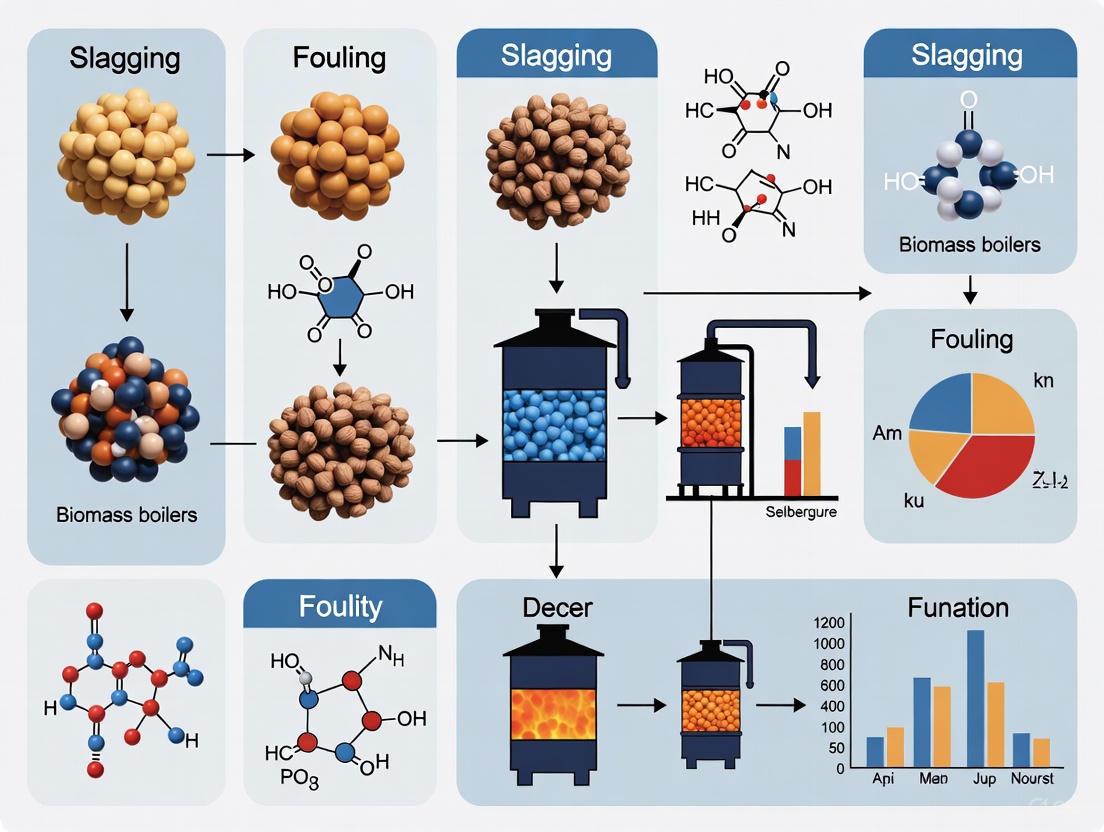
This comprehensive review addresses the persistent operational challenges of slagging and fouling in biomass boilers, which compromise combustion efficiency and system reliability.
Advanced Strategies for Addressing Slagging and Fouling in Biomass Boilers: Mechanisms, Mitigation, and Modeling
Abstract
This comprehensive review addresses the persistent operational challenges of slagging and fouling in biomass boilers, which compromise combustion efficiency and system reliability. We systematically examine the fundamental thermochemical mechanisms governing ash deposition, focusing on alkali metal, chlorine, and sulfur interactions. The article evaluates practical mitigation methodologies including fuel preprocessing, aluminosilicate additives, and advanced control systems. Through comparative analysis of predictive indices, computational modeling approaches, and real-world case studies, we provide researchers and engineers with validated frameworks for optimizing boiler performance and durability. The synthesis of current research highlights emerging trends in hybrid mitigation strategies and intelligent control systems for sustainable biomass energy integration.
Understanding Ash Transformation Mechanisms: The Science Behind Slagging and Fouling
For researchers investigating slagging and fouling in biomass boilers, understanding ash composition is not merely a preliminary step but the foundation of predictive and mitigation strategies. Biomass ash is a complex inorganic-organic mixture with extremely variable composition, directly influencing deposition behavior, corrosion potential, and overall boiler efficiency [1]. This technical resource provides targeted methodologies and data to support your experimental work in characterizing ash properties and addressing the technological challenges associated with different biomass fuel types.
FAQ: Understanding Biomass Ash Fundamentals
What defines the basic chemical composition of biomass ash?
Biomass ash is primarily composed of major elements including silicon (Si), calcium (Ca), potassium (K), phosphorus (P), aluminum (Al), magnesium (Mg), and iron (Fe), along with minor elements and heavy metals [1] [2] [3]. These elements are typically expressed and analyzed as their oxide forms (e.g., SiO₂, CaO, K₂O, P₂O₅) after complete combustion [2]. The composition is highly variable, but when recalculated on a dry ash-free basis, many characteristics show relatively narrow ranges [3].
Why does biomass ash composition vary so significantly across different fuel types?
The variability stems from multiple factors, including the biological origin of the biomass (woody, agricultural, animal waste), cultivation conditions (soil type, fertilizers), climate, and contamination during harvesting or processing [2] [4]. Agricultural residues and animal-origin biomass typically contain significantly higher ash content with different elemental distributions compared to clean woody biomass [2].
How is biomass ash classified based on its chemical composition?
Researchers often classify biomass ashes using identified systematic chemical associations [1] [5]. A widely used classification system defines four main types:
- S-type: Rich in Si, with significant Al, Fe, Na, and Ti (mostly glass, silicates, and oxyhydroxides)
- C-type: Dominated by Ca, with Mg and Mn (commonly carbonates, oxyhydroxides, and silicates)
- K-type: Rich in K, with P, S, and Cl (typically phosphates, sulphates, chlorides, and glass)
- CK-type: Contains characteristics of both C and K types [5]
Experimental Protocols for Ash Analysis
Protocol 1: Comprehensive Ash Composition Analysis
Purpose: To determine the elemental composition of biomass ash for slagging and fouling prediction.
Materials and Methods:
- Sample Preparation: Dry biomass samples at 105°C until constant weight is achieved. Pulverize to a fine powder (<250 μm) to ensure homogeneity [6].
- Ashing: Convert biomass to ash using a standardized procedure (e.g., ASTM D3174) in a muffle furnace at 575±25°C [7].
- Elemental Analysis:
- X-Ray Fluorescence (XRF): Prepare pressed powder pellets of the ash and analyze using XRF spectroscopy to determine major oxide compositions (SiO₂, Al₂O₃, Fe₂O₃, CaO, MgO, K₂O, etc.) [7].
- Inductively Coupled Plasma (ICP) Techniques: For higher sensitivity analysis of trace elements, digest ash samples with acid and analyze using ICP-OES or ICP-MS [7].
- Mineral Phase Analysis:
- X-Ray Diffraction (XRD): Identify crystalline mineral phases in the ash using XRD with Cu-Kα radiation. Scan typically from 5° to 80° 2θ [7].
- SEM-EDS: Examine ash morphology and perform semi-quantitative microanalysis using Scanning Electron Microscopy with Energy Dispersive X-ray Spectroscopy [7] [6].
Protocol 2: Ash Fusion Temperature Determination
Purpose: To evaluate the melting behavior of biomass ash, which directly correlates with slagging propensity.
Materials and Methods:
- Ash Preparation: Create ash pyramids from the prepared biomass ash according to standard methods (e.g., ASTM D1857) [6].
- Instrumentation: Use an ash fusion analyzer equipped with a camera and image processing software.
- Testing Procedure: Heat ash pyramids in both oxidizing (air) and reducing (60% CO, 40% CO₂) atmospheres at a controlled rate to a maximum of 1500°C [6].
- Key Temperature Measurements: Record four critical temperatures through image analysis:
- Initial Deformation Temperature (DT): First rounding of ash pyramid edges.
- Softening Temperature (ST): Ash pyramid height equals width (ash fusion temperature).
- Hemispherical Temperature (HT): Ash forms a hemisphere (height = ½ width).
- Fluid Temperature (FT): Ash spreads out in a layer (height ≤ 1.6 mm) [6].
Protocol 3: Drop-Tube Furnace Combustion for Slagging/Fouling Simulation
Purpose: To simulate ash deposition behavior under controlled laboratory conditions that mimic industrial boilers.
Materials and Methods:
- Fuel Preparation: Dry and pulverize biomass fuels to particle sizes below 250μm [7] [6].
- Combustion System: Utilize a laboratory-scale drop-tube furnace (DTF) with controlled temperature zones (typically 1050-1300°C) and a cooled probe to simulate heat exchanger tubes [7] [6].
- Deposit Collection: Introduce pulverized fuel into the DTF at a controlled feed rate (e.g., 0.3 g/min). Collect ash deposits on the temperature-controlled probe over a specified duration [7].
- Deposit Analysis: Quantify deposit weight, then analyze morphology (SEM), composition (EDS), and mineralogy (XRD) to understand deposition mechanisms [7] [6].
Data Tables: Composition and Properties Across Biomass Types
Table 1: Inorganic Element Distribution in Major Biomass Categories
Table summarizing the typical ash content and major oxide composition ranges for different biomass categories, based on peer-reviewed data compilation [1] [2] [3].
| Biomass Category | Ash Content (% dry basis) | SiO₂ (%) | CaO (%) | K₂O (%) | P₂O₅ (%) | Cl (ppm) |
|---|---|---|---|---|---|---|
| Woody Biomass (wood chips, pellets) | 0.5 - 2 | 15 - 40 | 15 - 40 | 5 - 15 | 2 - 10 | 500 - 2000 |
| Agricultural Residues (straw, rice husk) | 4 - 20 | 40 - 80 | 2 - 10 | 10 - 30 | 1 - 5 | 2000 - 15000 |
| Animal Waste (poultry litter) | 10 - 60 | 10 - 25 | 15 - 35 | 10 - 25 | 10 - 25 | 5000 - 25000 |
| Sewage Sludge | 20 - 50 | 20 - 40 | 5 - 15 | 1 - 5 | 10 - 30 | 1000 - 10000 |
Table 2: Key Slagging and Fouling Indices for Biomass Ash Evaluation
Table of empirical indices used to predict ash-related problems from ash composition data [8] [6].
| Index Name | Formula | Interpretation Threshold | Application |
|---|---|---|---|
| Base-to-Acid Ratio | (Fe₂O₃ + CaO + MgO + K₂O + Na₂O)/(SiO₂ + Al₂O₃ + TiO₂) | <0.5: Low slagging; 0.5-1.0: Medium; >1.0: High | Slagging propensity |
| Slagging Index | Rₛ = (B/A) × S (S=%S in dry ash) | <0.6: Low; 0.6-2.0: Medium; 2.0-2.6: High; >2.6: Severe | Slagging tendency |
| Fouling Index | R₍ = (B/A) × (Na₂O + K₂O) | <0.2: Low; 0.2-0.5: Medium; 0.5-1.0: High; >1.0: Severe | Fouling tendency |
| Bed Agglomeration Index | (K₂O + Na₂O)/(SiO₂ + Al₂O₃) | Higher values indicate increased agglomeration risk | Fluidized bed combustion |
The Scientist's Toolkit: Essential Research Reagents and Materials
Table 3: Key Research Reagent Solutions for Biomass Ash Analysis
Essential materials and their functions for experimental investigation of biomass ash properties.
| Reagent/Material | Function | Application Context |
|---|---|---|
| Muffle Furnace | Controlled ashing of biomass samples | Standardized ash preparation for composition analysis |
| XRF Spectrometer | Quantitative elemental analysis of major oxides | Bulk ash composition determination |
| ICP-OES/MS | Trace element and heavy metal analysis | Environmental risk assessment and catalytic effect studies |
| XRD Diffractometer | Crystalline phase identification | Mineral transformation studies during combustion |
| SEM-EDS System | Morphological and micro-area compositional analysis | Ash deposit mechanism investigation |
| Ash Fusion Analyzer | Determination of ash melting behavior | Slagging propensity prediction |
| Drop-Tube Furnace (DTF) | Laboratory-scale simulation of combustion conditions | Controlled study of ash deposition mechanisms |
Troubleshooting Guide: Common Experimental Challenges
Problem: Inconsistent ash fusion temperature results
- Potential Cause: Variations in ashing temperature or atmosphere during sample preparation.
- Solution: Strictly control ashing conditions (575±25°C) and use consistent pyramid preparation methods. Ensure proper atmosphere (oxidizing/reducing) during AFT testing [6].
Problem: Unexpectedly severe slagging in experimental combustion
- Potential Cause: High alkali metal content (especially K) combined with silica and low melting point eutectics.
- Solution: Pre-test using slagging indices. For high-risk fuels, consider blending with additives (e.g., kaolin, dolomite) or other biomass with high Si/Al content to increase ash fusion temperatures [7].
Problem: Rapid corrosion of experimental probes
- Potential Cause: High chlorine content in biomass leading to active oxidation.
- Solution: Select probe materials with higher corrosion resistance for high-Cl fuels. Implement surface temperature control to avoid condensation of alkali chlorides [6].
Problem: Poor reproducibility in drop-tube furnace deposition experiments
- Potential Cause: Inconsistent particle size distribution or feeding rate fluctuations.
- Solution: Standardize biomass grinding and sieving procedures. Use calibrated feeders and maintain constant feeding rates throughout experiments [7].
Biomass Ash Behavior and Research Methodology
This technical support resource synthesizes current research methodologies and data to assist in your investigation of biomass ash-related challenges. The provided protocols, classification systems, and troubleshooting guides are designed to enhance the reproducibility and effectiveness of your experimental work in addressing slagging and fouling in biomass boilers.
Frequently Asked Questions (FAQs)
What is the primary mechanism through which potassium contributes to slag formation? During biomass combustion, potassium (K) is released as gaseous species (KCl, KOH, K₂SO₄). These vapors interact with silicon dioxide (SiO₂) present in the ash to form potassium silicates (e.g., K₂O·nSiO₂). These silicates have low melting points and form a sticky, molten phase that captures other ash particles, leading to the formation of compact and strong deposits on heat exchange surfaces [9] [10] [11].
How does the combustion temperature affect potassium-silicate slagging? Temperature directly influences the severity of slagging. At temperatures above 700°C, there is a significant formation of silicate eutectic compounds [10]. As the temperature increases from 1050°C to 1300°C, dystectic solid compounds are transformed into eutectic compounds with even lower melting points, intensifying ash slagging and deposition [7].
Are some biomass types more prone to potassium-silicate slagging? Yes, biomass with high potassium and silicon content is particularly prone. Agricultural residues (e.g., cotton stalk, straw) often have high potassium and chlorine contents, making them major contributors to this issue. These are classified as K-type biomass ash in ternary phase diagrams [10] [11] [7]. Woody biomass typically has lower slagging tendency compared to agricultural residues.
What are the most effective methods to mitigate potassium-silicate slagging? Effective mitigation strategies include:
- Using aluminosilicate additives (e.g., kaolin, coal fly ash) which capture gaseous potassium into high-melting-point compounds like kalsilite (KAlSiO₄) [9] [11].
- Fuel pre-treatment such as water leaching to remove soluble potassium and chlorine before combustion [10].
- Operational controls like limiting combustion temperature and using suitable excess air levels [7].
Troubleshooting Guides
Problem: Severe Slagging and Fouling in Biomass Combustor
1. Initial Assessment and Symptom Identification
- Symptom: Rapid buildup of hard, sintered deposits on heat exchanger tubes or furnace walls.
- Symptom: Reduced thermal efficiency and increased pressure drop.
- Quick Check: Analyze your biomass fuel's ash composition. High K₂O and SiO₂ content indicates high risk [9] [11].
2. Diagnostic Procedure
Follow this logical workflow to diagnose the root cause of severe slagging.
3. Mitigation Strategies
Based on the diagnosed root cause, implement the following solutions.
| Root Cause | Primary Mitigation Strategy | Recommended Action |
|---|---|---|
| High K/Si Fuel | Fuel Blending or Pre-treatment | Blend with low-K fuel (e.g., coal) or implement water leaching of raw biomass [10] [7]. |
| Excessive Temperature | Operational Adjustment | Lower combustion temperature to below 700°C if possible, to avoid intensive silicate eutectic formation [10] [7]. |
| Molten Silicate Deposition | Use of Additives | Introduce aluminosilicate additives (e.g., Kaolin) to capture potassium into high-melting KAlSiO₄ [9] [11]. |
Problem: Inconsistent Results in Slagging Experiments
1. Initial Assessment: Verify fuel and additive preparation protocols. Inconsistent fuel particle size, moisture content, or additive mixing can cause significant variance [12] [13].
2. Diagnostic Checklist:
- Fuel Preparation: Is biomass dried, pulverized, and sieved to a consistent particle size (e.g., <400 μm)? [9]
- Additive Mixing: Are additives (e.g., kaolin) thoroughly and homogenously blended with the fuel before feeding? [9]
- Probe Conditioning: Are deposition probes cleaned and conditioned consistently before each experimental run to ensure comparable surface characteristics?
3. Solution: Implement and strictly adhere to a standardized Fuel and Additive Preparation Protocol.
Experimental Protocols & Methodologies
Protocol 1: Laboratory-Scale Deposition Test Using a Drop-Tube Furnace
This method is suitable for simulating deposit formation and studying slagging tendencies under controlled conditions [7].
1. Objectives
- To simulate ash deposition behavior during biomass combustion.
- To collect and analyze deposits for composition and morphology.
2. Materials and Equipment
- Drop-tube furnace (DTF)
- Pulverized biomass fuel (sieved to <100 μm for biomass, <80 μm for coal if co-firing)
- Specimen probes (air-cooled or uncooled) for deposit collection
- Scanning Electron Microscope with Energy Dispersive X-ray (SEM-EDX)
- X-ray Diffractometer (XRD)
3. Step-by-Step Procedure
- Step 1 (Fuel Prep): Dry biomass samples at 55°C for 3+ hours. Pulverize and sieve to desired particle size [7].
- Step 2 (Combustion): Feed the prepared fuel into the pre-heated DTF at a controlled rate (e.g., 0.3 g/min). Maintain desired combustion temperature (e.g., 1050-1300°C) and excess air coefficient [7].
- Step 3 (Deposit Collection): Insert a deposition probe into the hot flue gas stream for a predetermined time (e.g., 30-60 minutes) to collect ash deposits [9] [7].
- Step 4 (Sample Analysis):
Protocol 2: Evaluating Mitigation Effectiveness of Additives
This protocol assesses the performance of slagging mitigation additives like kaolin.
1. Objectives
- To determine the effectiveness of an additive in reducing deposit formation.
- To analyze changes in deposit chemistry and morphology.
2. Materials and Equipment
- Same as Protocol 1, plus the selected additive (e.g., kaolin, coal fly ash).
3. Step-by-Step Procedure
- Step 1 (Blend Preparation): Homogeneously mix the biomass fuel with a predetermined proportion of additive (e.g., 1-5% by weight) [9].
- Step 2 (Combustion & Deposition): Follow the same combustion and deposit collection steps as in Protocol 1, using the fuel-additive blend.
- Step 3 (Comparative Analysis): Compare the mass, tenacity, composition, and morphology of deposits from tests with and without the additive. Effective additives will change deposit morphology from molten to particulate and reduce the concentration of problematic potassium chlorides/silicates [9].
The following table consolidates critical data from research on alkali metal interactions and slagging.
| Parameter / Parameter | Key Finding / Value | Impact on Slagging |
|---|---|---|
| Critical Temperature | >700°C [10] | Formation of low-temperature silicate eutectics intensifies. |
| K₂O in Problematic Ash | High concentration (Significant component) [9] [10] | Primary driver for potassium silicate formation. |
| Additive Effectiveness | Kaolin captures K as KAlSiO₄ (kalsilite) [9] [11] | Increases ash fusion temperature beyond 1300°C. |
| Water Leaching Efficacy | Ash yield reduction up to 55.58% [10] | Significantly inhibits ash formation and slagging tendency. |
| SiO₂/K₂O Ratio in Ash | Low ratio (e.g., in K-type ash) [11] [14] | Indicates high slagging potential due to excess reactive K. |
The Scientist's Toolkit: Research Reagent Solutions
| Reagent / Material | Function in Experiment | Key Characteristics |
|---|---|---|
| Kaolin (Al₂Si₂O₅(OH)₄) | Aluminosilicate additive; captures gaseous K species to form high-melting KAlSiO₄ & KAlSi₂O₆ [9] [11] | Transforms to meta-kaolin upon dehydroxylation; effective at >900°C. |
| Coal Fly Ash | Alternative aluminosilicate additive; provides SiO₂ and Al₂O₃ to react with potassium [9] | Abundant by-product; cost-effective. |
| Simulated Biomass Fuels | Model fuels with controlled K, Cl, Si content for systematic study [9] [7] | Enables isolation of specific variable impacts. |
| Deionized Water | For water leaching pre-treatment of biomass to remove soluble K and Cl [10] | Reduces initial alkali and chlorine content in fuel. |
For researchers and scientists dedicated to advancing biomass combustion, the challenges of slagging and fouling are significant barriers to efficient and reliable system operation. These phenomena are primarily governed by the complex thermochemical behavior of inorganic elements, particularly chlorine and sulfur, present in biomass fuels. During combustion, these elements undergo intricate volatilization-condensation cycles, transforming from solid fuel constituents into gaseous compounds that subsequently condense on heat exchanger surfaces, leading to the formation of problematic deposits [11]. The core issue lies in the interaction of alkali metals (K, Na) with chlorine and sulfur, forming compounds with depressed melting points that facilitate ash deposition, reduce heat transfer efficiency, and accelerate high-temperature corrosion [7] [11]. A mechanistic understanding of these pathways is therefore fundamental to developing effective mitigation strategies for biomass combustion systems.
Fundamental Pathways: Chlorine and Sulfur Chemistry
The Chlorine-Driven Slagging Pathway
Chlorine plays a pivotal role in the initial release and transport of alkali metals. In biomass combustion, potassium (K) and sodium (Na) are frequently present as water-soluble chloride salts (e.g., KCl, NaCl) within the fuel matrix [15] [11].
- Volatilization: Upon combustion, these alkali chlorides exhibit high volatility, vaporizing at temperatures above 700°C. They are released into the flue gas stream as gaseous KCl(g) and NaCl(g) [15] [11].
- Condensation and Deposit Formation: As the flue gas cools upon contact with heat exchanger surfaces (e.g., superheaters), these gaseous alkali chlorides condense directly onto metal surfaces or onto the surface of entrained fly ash particles. This condensation forms a sticky layer that captures incoming ash particles, initiating deposit growth [11].
- Corrosion Initiation: The condensed chlorides react with the protective oxide layer (e.g., Fe₂O₃) on superheater metals, leading to active oxidation and severe high-temperature corrosion [11].
The Sulfur Interaction and Transformation Pathway
Sulfur's behavior is complex, existing in both organic and inorganic forms within biomass. Its pathway interacts critically with the chlorine cycle, influencing the final deposit chemistry.
- Volatilization: During pyrolysis and combustion, organic sulfur is released at lower temperatures (<500°C), while inorganic sulfur decomposes at higher temperatures. A significant portion of sulfur is released into the gas phase as SO₂, and to a lesser extent, H₂S and COS [15].
- Sulfation Reaction: A key mitigating reaction occurs when gaseous SO₂ interacts with condensed alkali chlorides on deposit surfaces. This sulfation reaction converts KCl (and NaCl) into alkali sulfates (K₂SO₄, Na₂SO₄), releasing gaseous HCl [11].
- Impact on Deposit Properties: This transformation is crucial because alkali sulfates have higher melting points and are less sticky and corrosive than their chloride counterparts. Therefore, the presence of sufficient sulfur can, to some extent, alleviate the severe slagging and corrosion caused by alkali chlorides [11].
The interplay of these pathways is summarized in the following diagram, which illustrates the sequential volatilization, condensation, and transformation processes that govern deposit formation.
Experimental Data and Slagging Indices
Empirical research has quantified the impact of fuel composition and operating conditions on slagging severity. The following table synthesizes key experimental findings from drop-tube furnace studies and compositional analysis, providing a reference for researchers to assess slagging propensity.
Table 1: Experimental Data on Fuel Composition and Slagging Behavior
| Fuel / Condition | Key Parameter | Observed Effect on Slagging/Deposition | Source |
|---|---|---|---|
| Cotton Stalk | High K & Cl content | Most severe agglomeration vs. rice husk/sawdust | [7] |
| Cotton Stalk Blend | Increased proportion (10% to 30%) | K in ash increased; agglomeration became more serious | [7] |
| Combustion Temperature | Increase (1050°C to 1300°C) | Transformation to eutectic compounds with lower m.p. | [7] |
| Agricultural Residues | Inorganic Cl (as KCl) | Chlorine only partly released during pyrolysis | [15] |
| Colza Straw Char | S association with Ca | Sulfur found as CaSO₄/CaS in char | [15] |
| Kaolin Additive | Aluminosilicate addition | Ash Fusion Temp elevated beyond 1300°C | [11] |
Beyond specific experiments, the field relies on predictive indices derived from ash composition to estimate a fuel's slagging and fouling propensity. These indices offer a convenient preliminary assessment tool for researchers [8].
Table 2: Common Predictive Indices for Slagging and Fouling Propensity
| Index Name | Basis of Calculation | General Interpretation | Applicability to Biomass |
|---|---|---|---|
| Base-to-Acid Ratio (B/A) | (Fe₂O₃ + CaO + MgO + K₂O + Na₂O) / (SiO₂ + Al₂O₃ + TiO₂) | Higher ratio indicates greater slagging propensity | Requires careful translation from coal |
| Alkali Index | (Kg K₂O + Na₂O) per GJ of fuel | >0.3 indicates high fouling/firing risk | Directly relevant for biomass |
| Silica Ratio | SiO₂ / (SiO₂ + Fe₂O₃ + CaO + MgO + Na₂O) | Lower ratio suggests higher slagging tendency | Applicable, but thresholds may differ |
The Scientist's Toolkit: Essential Reagents and Analytical Methods
To effectively study these pathways, a standard set of analytical techniques and reagents is required. The following toolkit outlines the critical components for experimental research in this domain.
Table 3: Research Reagent Solutions and Essential Materials
| Item / Reagent | Function in Experimentation | Example Application |
|---|---|---|
| Drop-Tube Furnace (DTF) | Simulates high-temp combustion conditions & particle time-temperature history | Validating deposition models; studying initial ash formation [16] [7] |
| Kaolin (Al₂Si₂O₅(OH)₄) | Aluminosilicate additive that captures volatile K via KAlSiO₄ formation | Mitigating slagging by elevating AFT and sequestering alkali vapors [11] |
| X-Ray Diffraction (XRD) | Identifies crystalline mineral phases in ash and deposits | Determining if K is present as KCl, K₂SO₄, or K-silicates [7] |
| SEM-EDX | Scanning Electron Microscopy with Energy-Dispersive X-ray analysis | Visualizing deposit morphology and mapping elemental composition [7] |
| Inductively Coupled Plasma (ICP) | Quantitative analysis of major inorganic elements in fuel and ash | Precise measurement of K, Na, Ca, Mg, Al, Si, P concentrations [7] [15] |
| Thermomechanical Analysis (TMA) | Measures ash shrinkage as a function of temperature, indicating softening | Predicting particle stickiness for CFD deposition models [16] |
Troubleshooting Guide: Frequently Asked Questions (FAQs)
Q1: In our co-combustion experiments, why does adding a small proportion (20%) of agricultural residue like cotton stalk to coal dramatically increase deposition rates, even though the overall ash content is lower? This occurs due to the synergistic interaction between coal and biomass ash. Biomass ash is often rich in volatile alkali chlorides (KCl), while coal ash typically contains higher levels of silica and alumina. Upon co-combustion, the gaseous KCl can condense and react with the aluminosilicates from the coal ash to form low-temperature eutectic mixtures (e.g., K-aluminosilicates), which have melting points significantly lower than those of the individual components from either fuel alone. This phenomenon means that slagging propensity is not a linear function of blend ratio and can be severe even at low biomass blending percentages [7].
Q2: What is the most effective method to mitigate chlorine-induced slagging and high-temperature corrosion: using a high-sulfur fuel blend or introducing an aluminosilicate additive? While both methods can be effective, introducing an aluminosilicate additive (e.g., kaolin) is generally considered superior. The sulfation reaction (where SO₂ converts KCl to the less problematic K₂SO₄) is limited by gas-solid contact and kinetics, and it still produces deposits (albeit less sticky ones). Kaolin actively captures potassium vapor in the gas phase or on particle surfaces through a chemical reaction that forms refractory kalsilite (KAlSiO₄), effectively removing the alkali from the volatilization-condensation cycle and elevating the ash fusion temperature beyond 1300°C [11].
Q3: During our pyrolysis experiments, why is a significant fraction of chlorine from agricultural residues (e.g., colza straw) retained in the char, while it is almost completely released from materials like PVC? The release mechanism is dictated by the initial chemical form of chlorine in the feedstock. In PVC, chlorine is present as organic chlorine (C-Cl bonds), which is thermally unstable and readily released as HCl gas at relatively low temperatures. In agricultural residues, chlorine is primarily present as inorganic chloride salts like KCl. These salts have higher vaporization temperatures and can be trapped within the char matrix or interact with other inorganic elements (e.g., K⁺ association with the organic structure), leading to only partial release during pyrolysis [15].
Q4: Our computational fluid dynamics (CFD) model for deposit formation is inaccurate. What is a critical input parameter we might be overlooking? A common oversight is using an oversimplified model for particle stickiness. Rather than assuming a fixed capture efficiency, integrate a stickiness criterion based on thermomechanical analysis (TMA) data or the melt fraction of the ash particles. The TMA shrinkage curve, which can be fitted to a function of temperature, provides a more accurate representation of the particle's softening behavior upon impact. Implementing this via a User-Defined Function (UDF) can significantly improve the prediction of deposition rates and locations in CFD simulations [16].
Frequently Asked Questions (FAQs)
1. What is Ash Fusion Temperature (AFT) Depression and why is it a critical issue in biomass combustion?
AFT depression refers to the significant lowering of the temperature at which biomass ash begins to melt and form slag, compared to coal ash. This occurs primarily due to the high concentration of alkali metals (Potassium - K, and Sodium - Na) and other fluxing elements in biomass [17] [18]. These elements form low-melting point eutectic mixtures during combustion. For instance, the presence of potassium can lead to the formation of compounds like potassium aluminosilicates which melt at temperatures as low as 764°C, far below typical furnace operating temperatures [18] [19]. This is a critical operational problem because it leads to slagging on furnace walls and fouling on heat exchanger surfaces, which reduces boiler efficiency, increases maintenance costs, and can cause unscheduled shutdowns [18].
2. Which biomass components have the greatest influence on lowering the Ash Fusion Temperature?
The key components that depress AFT are alkali oxides (K₂O, Na₂O) and alkaline earth metal oxides (CaO, MgO), which act as fluxing agents. Conversely, acidic oxides such as SiO₂ and Al₂O³ tend to increase the ash melting temperature [20]. The base-to-acid ratio (Rb/a) is a crucial indicator, where a higher ratio generally predicts a lower AFT [20]. The synergistic effect between alkali metals in biomass (e.g., K) and other elements like chlorine (Cl), sulfur (S), silicon (Si), and aluminum (Al) from coal during co-firing further accelerates the formation of sticky, low-melting-point deposits [19].
3. What are the standard methods for determining Ash Fusion Temperature, and what do the different measured points signify?
The standard ash fusion test involves heating a prepared ash cone under specific atmospheric conditions (either oxidizing or reducing) and visually determining four characteristic temperatures [6] [21]:
- Initial Deformation Temperature (IDT or DT): The temperature at which the first signs of rounding of the cone's edges occur.
- Softening Temperature (ST): The temperature at which the cone fuses and its height becomes equal to its width.
- Hemispherical Temperature (HT): The temperature at which the cone forms a hemisphere (height equals half the base width).
- Flow Temperature (FT): The temperature at which the ash spreads out into a flat layer.
For biomass ashes, the Initial Deformation Temperature (IDT) is often considered the most critical performance metric [21].
4. How can the slagging and fouling propensity of a biomass fuel be predicted from its ash composition?
Researchers use several empirical indices derived from the fuel's ash composition to predict slagging and fouling tendencies. The following table summarizes key indices and their interpretations [6]:
Table 1: Empirical Indices for Predicting Slagging and Fouling
| Index Name | Formula | Interpretation |
|---|---|---|
| Base-to-Acid Ratio (Rb/a) | (Fe₂O₃ + CaO + MgO + Na₂O + K₂O) / (SiO₂ + Al₂O₃ + TiO₂) | A higher ratio (>0.5) indicates a higher tendency for slagging and fouling. |
| Silica Ratio | SiO₂ / (SiO₂ + Fe₂O₃ + CaO + MgO) | A lower ratio suggests a higher slagging propensity. |
| Alkali Index | (kg K₂O + Na₂O) / GJ fuel | An index > 0.3 indicates a high probability of fouling. |
Troubleshooting Guides
Guide 1: Diagnosing Low Ash Fusion Temperature in Herbaceous Biomass
Problem: During combustion tests of herbaceous biomass (e.g., kenaf, straw, rice husks), severe slagging is observed at unexpectedly low temperatures, damaging the experimental setup.
Investigation Procedure:
- Confirm Ash Composition: Perform X-Ray Fluorescence (XRF) analysis on the biomass ash. Check for high concentrations of Potassium (K) and Silicon (Si). Herbaceous biomass often has high K₂O and SiO₂ content [18].
- Check for Chlorine: Analyze the fuel's chlorine content. High chlorine facilitates the vaporization of alkali metals, which subsequently condense on cooler heat exchanger surfaces as chlorides and sulfates, initiating fouling [18] [19].
- Calculate Empirical Indices: Use the ash composition data to calculate the Base-to-Acid Ratio (Rb/a) and Alkali Index. Compare them against the thresholds in Table 1.
- Identify Low-Melting Phases: Use X-Ray Diffraction (XRD) on ash deposits to identify specific low-melting-point minerals. Look for phases like KalSi₃O₈ (Potassium Aluminum Silicate) or Ca(Al₂Si₂O₈) (Calcium Aluminum Silicate), which can form from the reaction of biomass alkali with Si and Al, potentially from coal or soil contamination [19].
Solution: Consider pre-treating the biomass fuel. Ashless biomass technology, which involves leaching the raw biomass with mild acid or water, can effectively extract alkali metals and chlorine, thereby increasing the AFT and reducing slagging and fouling propensity [17].
Guide 2: Addressing Ash Deposition During Co-firing Experiments
Problem: When co-firing coal with biomass in a drop tube furnace (DTF), rapid ash deposition occurs on the probe, simulating fouling on superheater tubes.
Investigation Procedure:
- Analyze Deposit Morphology and Composition: Use Scanning Electron Microscopy with Energy Dispersive Spectroscopy (SEM-EDS) on the deposited ash. Look for:
- Melted and Sintered Particles: Indicate temperatures exceeded the ash melting point.
- Fine Particles Acting as "Glue": In coal-dominated combustion, fine particles can cement larger particles to the surface [22].
- Key Elements: High concentrations of K, Cl, S, and Ca in the deposits suggest they are key drivers [19].
- Vary Blending Ratio: Systematically test different biomass-coal blending ratios. Co-firing can sometimes inhibit deposit formation, but high biomass ratios (>50%) may aggravate it, especially under oxy-fuel conditions [22].
- Determine Capture Efficiency (CE): Calculate the CE from the deposition mass in the DTF. A high CE indicates a strong tendency for ash deposition [17].
Solution:
- Optimize Blend Ratio: Find a biomass co-firing ratio that minimizes deposition propensity for your specific fuel combination.
- Use Additives: Incorporate high-alumina additives like kaolin into the fuel mix. Kaolin reacts with gaseous potassium compounds to form high-melting-point potassium aluminosilicates, capturing problematic alkalis and reducing deposition [18].
Experimental Protocols
Protocol 1: Drop Tube Furnace (DTF) Testing for Slagging and Fouling Propensity
Objective: To simulate the combustion and ash deposition behavior of a solid fuel in a pulverized-fuel boiler and collect ash deposits for analysis.
Materials:
- Drop Tube Furnace (DTF) system
- Water-cooled suction probe
- Pulverized fuel sample (particle size < 250 µm)
- Scanning Electron Microscope with Energy Dispersive X-ray Spectroscopy (SEM-EDS)
- X-Ray Diffractometer (XRD)
Methodology:
- Preparation: Pulverize the biomass or coal-biomass blend to a fine powder (≤250 µm) and dry it at 60°C for 1 hour [6].
- Combustion: Feed the pulverized fuel into the DTF at a controlled rate. Maintain a furnace temperature of 1300°C to simulate boiler conditions [22].
- Deposit Collection: Insert a water-cooled probe into the hot zone of the DTF to simulate a heat exchanger tube. The temperature difference causes ash particles to condense and deposit on the probe surface.
- Analysis:
- Mass Measurement: Weigh the deposited ash to determine the total deposition mass and calculate the Capture Efficiency (CE) [17].
- Visual Inspection: Photograph the probe to observe the extent and physical nature of the deposits.
- Material Characterization: Analyze the deposit's microstructure and composition using SEM-EDS and identify the crystalline phases present using XRD [19] [6].
Diagram 1: DTF Ash Deposition Analysis Workflow.
Protocol 2: Determination of Ash Fusion Temperature (AFT)
Objective: To determine the four characteristic melting temperatures of fuel ash under standardized conditions.
Materials:
- Muffle Furnace
- Ash Fusion Determinator (e.g., model FTS-02)
- Dextrin solution (as a binder)
- Ash mould
Methodology:
- Ash Preparation: Place the raw biomass in a muffle furnace. Heat to 750°C - 815°C and hold for 90 minutes to ensure complete ashing [21]. Allow the ash to cool.
- Cone Preparation: Mix the resulting ash with a dextrin solution to a moldable consistency. Transfer it to an ash mould to form a triangular cone. Carefully remove and dry the cone at 60°C [21].
- Fusion Test: Place the dried ash cone on a ceramic slab inside the ash fusion determinator furnace.
- Heating and Observation: Heat the furnace at a controlled rate to a maximum of 1500°C - 1600°C in a defined atmosphere (e.g., reducing atmosphere: 60% CO, 40% CO₂) [6]. Use a built-in camera and image processing software to record the cone's shape changes.
- Data Recording: Identify and record the four key temperatures: Deformation (DT), Softening (ST), Hemispherical (HT), and Flow (FT) [21].
Table 2: Key Reagents and Materials for AFT and Slagging Experiments
| Research Reagent / Material | Function / Application |
|---|---|
| Kaolin | An additive that captures gaseous alkali compounds by forming high-melting-point potassium aluminosilicates, thereby reducing slagging [18]. |
| Mild Acid Solutions | Used in "ashless biomass" pre-treatment to leach and remove alkali metals and chlorine from the raw biomass, improving its combustion properties [17]. |
| Dextrin Solution | A binder used to prepare stable ash cones from powdery ash for the standard Ash Fusion Temperature test [21]. |
| Certified Gas Mixtures | Specific CO/CO₂ or air mixtures are required to create standardized oxidizing or reducing atmospheres during the AFT test, which significantly impacts the results [6]. |
Thermochemical Pathways to Low-Melting Point Phases
The depression of AFT is primarily due to the formation of low-melting point eutectic mixtures from the interactions of various ash components. The following diagram illustrates the key chemical pathways leading to these problematic phases.
Diagram 2: Thermochemical Pathways to Slagging and Fouling.
FAQ: Fundamental Ash Characteristics
What is the primary chemical difference between the ashes of agricultural residues and woody biomass?
The primary difference lies in the concentration of alkali metals (Potassium - K, Sodium - Na) and chlorine (Cl). Agricultural residues are typically rich in these elements, which leads to the formation of low-temperature melting compounds that drive slagging and fouling. In contrast, woody biomass ashes generally have higher concentrations of calcium (Ca) and silicon (Si) and lower levels of problematic alkalis, resulting in higher ash fusion temperatures and reduced slagging propensity [11] [2].
Table 1: Characteristic Ash Composition of Biomass Types
| Biomass Category | Typical Ash Content (% dry mass) | Key Slagging Elements | Key Inert/Refractory Elements |
|---|---|---|---|
| Agricultural Residues (e.g., straw, olive cake) | 4% - 20% [2] | High K, Cl, S [23] [11] | Variable Si |
| Woody Biomass (e.g., forest residues) | <1% - 5% [2] | Low to Moderate K, Na | High Ca, Si [2] |
| Animal Waste & Sewage Sludge | Can be up to 60% [2] | High P, potentially high heavy metals [2] | - |
Why does agricultural residue ash cause more severe slagging in boilers?
Slagging is primarily caused by the formation of sticky, low-melting-point deposits on heat-exchange surfaces. In agricultural residues, volatile alkali salts, particularly potassium chloride (KCl), vaporize during combustion. These vapors then condense on cooler heat exchanger surfaces, forming a sticky layer that captures incoming ash particles through inertial impaction, leading to rapid deposit growth [23] [11]. This mechanism is dominant in high-chlorine feedstocks.
How does fuel moisture content exacerbate ash-related problems?
While not directly related to ash chemistry, high moisture content is an operational factor that intensifies slagging issues. Wet fuel (e.g., 50% moisture) lowers the combustion temperature, leading to incomplete combustion and higher production of unburned carbon and particulates. This results in thicker ash deposits, fouling, and a significant drop in boiler efficiency, which can be as much as 20-30% [24].
FAQ: Advanced Analysis & Mitigation
What are the key experimental methods for analyzing slagging tendency?
The following methodologies are crucial for characterizing ash behavior and predicting slagging in a research setting [25]:
- X-Ray Fluorescence (XRF): Used for determining the elemental composition of ash (e.g., K, Ca, Si, Cl). This data is the foundation for calculating various slagging indices.
- X-Ray Diffraction (XRD): Identifies the crystalline phases and minerals present in the ash and deposits (e.g., identifying the formation of potassium silicates or muscovite), which is critical for understanding the chemical mechanisms of slag formation.
- Scanning Electron Microscopy (SEM): Reveals the morphology, size, and degree of sintering/adhesion of ash particles, providing visual evidence of slagging severity.
What strategies can mitigate slagging from agricultural residues?
Several pre-treatment and in-furnace strategies have been developed:
- Fuel Leaching: Washing biomass with water or dilute acid to remove water-soluble K and Cl components before combustion [23] [11].
- Use of Additives: Introducing aluminosilicate additives (e.g., kaolin) during combustion. These additives react with alkali metals to form high-melting-point compounds like kalsilite (KAlSiO4), effectively capturing problematic elements in the bottom ash and raising the ash fusion temperature beyond 1300°C [11].
- Co-firing: Blending high-risk agricultural biomass with woody biomass or coal can dilute the concentration of alkali metals and improve the overall ash melting behavior [25].
- AI-Optimized Combustion: Advanced control systems using deep learning (e.g., RNN-LSTM networks) can optimize combustion parameters in real-time, such as fuel-air ratios, to minimize conditions that promote slagging [26].
Troubleshooting Guide: Common Experimental and Operational Challenges
Problem: Inconsistent slagging evaluation results for a blended biomass fuel.
- Potential Cause: Traditional single slagging indices can give conflicting results when applied to complex fuel mixtures [25].
- Solution: Employ a multi-criteria decision analysis like the E-TOPSIS model. This method synthesizes multiple slagging predictive indices (e.g., RB/A, RS/A) using an objective entropy weight (EW) method, providing a more accurate and unified evaluation of slagging tendency that aligns with experimental observations [25].
Problem: Rapid fouling of heat exchangers during combustion trials with a new agricultural fuel.
- Potential Cause: High chlorine and potassium content leading to vapor condensation and inertial impaction of ash particles, especially at nominal load [23].
- Solution:
- Conduct ultimate and ash composition analysis to confirm K and Cl levels.
- Consider pre-treatment via water leaching.
- Evaluate the use of kaolin additives in a lab-scale reactor to quantify their effectiveness in raising the ash fusion temperature before scaling up.
Problem: Boiler efficiency is lower than calculated based on fuel calorific value.
- Potential Cause: High fuel moisture content, which is not an ash property but a critical fuel characteristic. Excess moisture wastefully consumes energy for evaporation, lowers combustion temperature and causes incomplete combustion [24].
- Solution: Implement fuel drying protocols to maintain moisture content within the optimal range of 10-20% for most boiler types [24].
The Scientist's Toolkit: Key Research Reagents & Materials
Table 2: Essential Reagents and Materials for Slagging and Fouling Research
| Item | Function/Application in Research |
|---|---|
| Kaolin | An aluminosilicate additive used to mitigate slagging by reacting with gaseous potassium to form refractory KAlSiO4, thereby increasing ash fusion temperature [11]. |
| XRF Standards | Certified reference materials used for calibrating X-ray fluorescence spectrometers to ensure accurate elemental analysis of ash samples. |
| Quartz Wool/Tubes | Used in lab-scale tube furnaces for ash preparation and deposit sampling under controlled temperature and atmosphere. |
| SEM Stubs & Sputter Coater | For preparing non-conductive ash samples for morphological and micro-analytical investigation via Scanning Electron Microscopy. |
| Dataset of Flame Images | Used for training Convolutional Neural Networks (CNNs) to predict potassium content and slagging tendency in real-time from combustion flame characteristics [26]. |
Experimental Protocol: Evaluating Slagging Tendency via Ash Composition and the E-TOPSIS Model
Objective: To quantitatively determine the slagging tendency of a biomass fuel or fuel blend.
Methodology Summary: This protocol involves preparing standard ash samples from fuel, analyzing their chemical composition, and applying a multi-index evaluation model to predict slagging severity [25].
Step-by-Step Procedure:
Sample Preparation:
- Dry the biomass fuel at 105°C for 10 hours to remove moisture.
- Pulverize the dried fuel to a fine particle size (<200 μm) to ensure homogeneity and complete ashing.
Ash Preparation:
- Create ash samples in a muffle furnace at a standardized temperature (e.g., 815°C) as per ASTM or other relevant standards.
Ash Composition Analysis:
- Analyze the prepared ash using X-Ray Fluorescence (XRF) to determine the weight percentages of major oxides (SiO₂, Al₂O₃, Fe₂O₃, CaO, MgO, K₂O, Na₂O, SO₃, P₂O₅).
Calculate Single Slagging Indices:
- Using the XRF data, calculate a set of common predictive indices. These often include:
- Base-to-Acid ratio (RB/A): (Fe₂O₃ + CaO + MgO + K₂O + Na₂O) / (SiO₂ + Al₂O₃ + TiO₂)
- Silica Ratio (RS/A): SiO₂ / (SiO₂ + Fe₂O₃ + CaO + MgO + Na₂O)
- Other relevant indices (e.g., Fu index, Sintering Index, etc.).
- Using the XRF data, calculate a set of common predictive indices. These often include:
Apply the E-TOPSIS Evaluation Model:
- Determine Weights: Use the Entropy Weight (EW) method to assign objective weights to each of the calculated slagging indices based on their data variability and informational content.
- Model Slagging: Input the weighted indices into the TOPSIS method, which ranks the slagging tendency by comparing the similarity of your fuel's ash profile to both a "severe slagging" ideal and a "non-slagging" ideal.
- The result is a composite score that provides a more reliable slagging prediction than any single index alone.
Mitigation Technologies: From Laboratory Research to Industrial Implementation
Troubleshooting Guide: FAQs on Biomass Preprocessing
FAQ 1: What is the most effective single pretreatment to reduce slagging and fouling?
Water leaching is highly effective for directly reducing slagging and fouling. It works by removing the water-soluble alkali metals (Potassium - K, Sodium - Na) and chlorine (Cl) that are primary contributors to these issues [27] [28]. The process can eliminate 25-80% of the ash content and significantly improves ash melting temperatures [27] [29]. One study noted that while leaching alone greatly improves ash sintering, it typically results in only a slight increase in the fuel's heating value [29].
FAQ 2: How does torrefaction change biomass to improve its combustion properties?
Torrefaction, a mild pyrolysis process at 200-300°C in an oxygen-deficient atmosphere, improves biomass properties in several ways [30]. It enhances energy density, grindability, and storage stability [31] [30]. Regarding slagging and fouling, torrefaction can remove portions of chlorine (Cl) and sulfur (S), which are elements that contribute to corrosive deposits and fouling [31]. However, its effectiveness in removing alkali metals is generally lower than leaching, and it can sometimes lead to a relative enrichment of ash content in the torrefied material [31] [29].
FAQ 3: Is it better to leach before or after torrefaction?
Research indicates that leaching before torrefaction is the more effective sequence [29] [32]. This sequence allows for the more effective removal of troublesome inorganic elements from the raw biomass before the thermal treatment. The studies show that the "leaching then torrefaction" sequence results in a solid biofuel with a higher heating value, lower ash content, and improved ash melting characteristics compared to the reverse order [29].
FAQ 4: Can I just mix my problematic biomass with another fuel instead of preprocessing it?
Yes, blending or co-firing a problematic herbaceous biomass (e.g., straw) with a cleaner fuel like coal or woody biomass is a valid and common strategy [31] [33]. This approach can dilute the concentration of alkali metals and chlorine, thereby reducing the overall slagging and fouling tendency of the fuel mix [33]. Co-combustion with coal has been shown to inhibit the formation of certain types of fouling deposits [31].
FAQ 5: Why is my biomass still causing problems after torrefaction?
This is a known issue. Torrefaction primarily removes chlorine and sulfur, but a significant portion of alkali metals may be retained in the char [31] [29]. These retained alkalis can still participate in the formation of problematic aluminosilicates during combustion, which contribute to fouling [31]. For biomass with very high alkali content, torrefaction alone may be insufficient, and a combined treatment with leaching is recommended.
Preprocessing Technique Comparison
Table 1: Comparison of Biomass Preprocessing Techniques for Slagging and Fouling Mitigation
| Technique | Key Mechanism | Impact on Slagging/Fouling | Advantages | Limitations |
|---|---|---|---|---|
| Leaching | Removes water-soluble alkali metals (K, Na) and Cl [27] [28]. | High effectiveness; can reduce ash content by 25-80% and raise ash melting point [27] [29]. | Simple operation, highly efficient at removing alkali elements, inexpensive [27]. | Slight increase in heating value; requires wastewater handling; does not improve energy density [29]. |
| Torrefaction | Removes Cl and S; decomposes hemicellulose [31] [30]. | Moderate/Variable; can reduce chlorides/sulfates-induced fouling but may concentrate some ash components [31]. | Improves grindability, energy density, and hydrophobicity [31] [30]. | Limited removal of alkalis; can sometimes increase fouling tendency of residual ash [31] [29]. |
| Blending | Dilutes concentration of problematic inorganic elements in the fuel blend [31] [33]. | Moderate effectiveness; depends on the co-fuel's properties [31]. | Simple to implement, no preprocessing equipment needed, can reduce overall emissions [33]. | Does not remove inorganics; requires a supply of clean co-fuel; potential for deposit formation remains. |
| Leaching + Torrefaction | Leaching removes alkalis & Cl; Torrefaction removes Cl & S and improves fuel properties [29] [32]. | Very high effectiveness; addresses limitations of single treatments [29]. | Produces high-quality solid biofuel with high heating value and high ash melting temperature [29]. | More complex process with multiple steps; higher operational costs. |
Experimental Protocols & Methodologies
Protocol 1: Water Leaching for Alkali Removal
This protocol is based on methods used in multiple studies to reduce alkali content [29] [32].
- Principle: Water-soluble inorganic species, particularly alkali chlorides, are dissolved and removed from the biomass.
- Materials: Raw biomass (e.g., straw, wood chips), deionized water, filtration setup (e.g., vacuum filter), drying oven.
- Procedure:
- Preparation: Oven-dry raw biomass at 105°C for 24 hours to determine baseline moisture content [29].
- Leaching: Mix the dried biomass with deionized water in a ratio of approximately 50 g biomass to 0.5 L water [32]. Stir the mixture constantly for 1 hour at ambient temperature.
- Filtration: Separate the leached biomass from the water using vacuum filtration. Rinse the biomass with a small amount of fresh deionized water.
- Repeat (Optional): For higher removal efficiency, a second leaching cycle can be performed [32].
- Drying: Dry the leached biomass in an oven at 105°C for 24 hours or until constant mass is achieved [32].
- Success Metrics: Measure the reduction in ash content and the removal efficiency of key elements (K, Na, Cl) via ultimate analysis.
Protocol 2: Torrefaction for Fuel Upgrading
This protocol outlines a standard dry torrefaction process [31] [32].
- Principle: Thermal decomposition of biomass in an inert atmosphere at 200-300°C, leading to devolatilization and decomposition of hemicellulose.
- Materials: Reactor (e.g., fixed bed, tubular furnace), inert gas supply (N₂ or Ar), raw or leached biomass.
- Procedure:
- Reactor Setup: Place the biomass sample in the reactor and purge the system with an inert gas (e.g., N₂) to establish an oxygen-free environment.
- Torrefaction: Heat the reactor to a target temperature between 250-300°C at a heating rate of <50°C/min [31] [30]. Maintain the temperature for a residence time of approximately 1 hour [30].
- Cooling & Collection: After the residence time, stop the heating and allow the reactor to cool under a continuous inert gas flow. Collect the solid product (torrefied biomass).
- Success Metrics: Calculate mass yield and energy yield. Analyze the solid for changes in elemental composition (especially Cl and S) and higher heating value (HHV).
Protocol 3: Combined Leaching and Torrefaction
This integrated protocol is designed to maximize fuel quality and minimize ash-related problems [29].
- Principle: Leaching first removes problematic inorganics, and subsequent torrefaction further upgrades the fuel properties.
- Materials: As in Protocols 1 and 2.
- Procedure:
- First Stage - Leaching: Subject the raw biomass to the Water Leaching protocol described above.
- Intermediate Drying: Completely dry the leached biomass.
- Second Stage - Torrefaction: Subject the leached and dried biomass to the Torrefaction protocol described above.
- Success Metrics: Evaluate the combined product for HHV, ash content, and ash fusion temperature. Compare results against individually pretreated samples.
The Scientist's Toolkit
Table 2: Essential Research Reagents and Materials
| Item | Function/Application in Preprocessing Research |
|---|---|
| Lignocellulosic Biomass | Feedstock for experiments; common types include empty fruit bunch (EFB), rice husk, wheat straw, wood chips, and fast-growing timber species [27] [29]. |
| Deionized Water | Primary leaching agent for removing water-soluble alkali salts and chlorine [27] [32]. |
| Acetic Acid (Dilute) | Mild organic acid leaching agent; more effective than water for removing some non-water-soluble inorganic elements [29]. |
| Inert Gas (N₂, Ar) | Creates an oxygen-deficient atmosphere during torrefaction to prevent combustion [31] [32]. |
| Muffle Furnace | Used for ashing samples to determine ash content and for ash fusion tests [29]. |
| Bomb Calorimeter | Instrument for measuring the Higher Heating Value (HHV) of raw and processed biomass fuels. |
| X-Ray Fluorescence (XRF) | Analytical technique for determining the elemental composition of biomass and ash [31]. |
Process Selection and Experimental Workflows
Experimental Workflow for Combined Treatment
FAQs: Kaolin for Slagging and Fouling Mitigation
Q1: What is the primary mechanism by which kaolin reduces slagging in biomass combustion?
Kaolin (Al₂Si₂O₅(OH)₄) primarily functions by capturing alkali metals like potassium (K) and sodium (Na) released during biomass combustion. It reacts with these volatile alkali species—particularly KCl and KOH—to form stable, high-melting-point aluminosilicates such as kalsilite (KAlSiO₄) and leucite (KAlSi₂O₆) [34] [35]. This chemical sequestration inhibits the formation of low-melting-point potassium silicates, which are a primary cause of slagging and ash deposition on heat exchange surfaces and in the combustion chamber [34] [36].
Q2: How does kaolin addition impact particulate matter (PM) emissions?
The addition of kaolin can lead to a significant reduction in fine and ultrafine particulate matter emissions. Studies in field-scale grate boilers have recorded PM reductions of 60-76% [37]. This occurs because kaolin captures alkali vapors that would otherwise condense to form fine PM. However, kaolin addition also increases the concentration of non-volatile oxides (SiO₂ and Al₂O₃) in the fly ash due to the adhesion and aggregation of airborne kaolin particles with the fine PM [37].
Q3: Under what conditions is kaolin most effective, and when should its use be avoided?
Kaolin is most effective for treating biomass fuels with high potassium and chlorine content and low inherent silica (SiO₂) levels [36]. Examples include many woody and herbaceous biomasses like straw, olive cake, and clean wood [35] [36]. Conversely, kaolin is unsuitable for biomasses already rich in silica (e.g., rice husks). In such cases, adding more silica via kaolin can worsen slagging by promoting the formation of low-temperature melts [36].
Q4: What is a common unintended consequence of kaolin addition, and how can it be managed?
A potential side effect is an increase in sintering and agglomeration in the bottom ash within the combustion chamber [34]. The same reactions that capture potassium in high-melting-point minerals can lead to a more sintered bottom ash structure. This can be managed by:
- Optimizing the kaolin dosage to the minimum required for effective alkali capture [34] [37].
- Ensuring proper fuel mixing and combustion control to prevent localized hotspots that exacerbate sintering.
Key Mechanisms and Experimental Workflows
The following diagram illustrates the chemical mechanism of kaolin and a general experimental workflow for evaluating its effectiveness.
Quantitative Data on Kaolin Application
Table 1: Optimal Kaolin Dosage and Performance for Different Biomass Fuels
| Biomass Fuel Type | Optimal Kaolin Dosage (wt%) | Key Performance Outcomes | Experimental Scale | Source |
|---|---|---|---|---|
| Virgin Wood (VW) / Recycled Wood (RW) | 1.55 - 2.5 | PM reduction: 60-76%; Deposition propensity reduced by ≥50% | 250 kW field-scale grate boiler | [34] [37] |
| Spruce & Short-Rotation Coppice Willow | 0.2 - 1.0 | Significant reduction in emitted particle mass; Decreased K-content in PM | 12 kW residential boiler | [35] |
| Herbaceous Biomass (e.g., Chamomile) | Specific dosage not given | Improved combustion parameters; Reduced CO emissions; Stabilized process | Low-power boilers | [38] |
| High-K, High-Cl Biomass (e.g., Olive Cake) | Effective at tested rates | Significantly improved ash flow properties; Eliminated severe sintering caused by KCl | Lab-scale viscosity/sintering tests | [36] |
Table 2: Key Analytical Methods for Evaluating Kaolin Effectiveness
| Method | Acronym | Parameter Measured | Function in Kaolin Evaluation |
|---|---|---|---|
| Inductively Coupled Plasma Mass Spectrometry | ICP-MS | Elemental composition of ash and PM | Quantifies partitioning of K, Al, Si, etc.; confirms alkali capture [34] |
| X-Ray Diffraction | XRD | Crystalline phase identification | Detects formation of kalsilite, leucite, etc. [34] |
| Scanning Electron Microscopy | SEM | Ash particle morphology and microstructure | Visualizes changes in ash structure; shows diminishment of KCl salts [37] |
| Ash Fusion Test | AFT | Deformation, Softening, Hemispherical, Flow temperatures | Determines improvement in ash melting behavior [39] [36] |
The Scientist's Toolkit: Essential Reagents and Materials
Table 3: Key Research Reagents and Materials for Kaolin Studies
| Item | Function/Explanation | Key Characteristics |
|---|---|---|
| Kaolin Powder | The primary aluminosilicate additive. High kaolinite content is crucial for effectiveness. | High-purity kaolin (Al₂Si₂O₅(OH)₄); Low iron content to avoid unwanted eutectics [36]. |
| Biomass Fuels | Representative feedstocks for testing. | Varied K, Cl, and Si content (e.g., woody, herbaceous, agricultural residues) [34] [35]. |
| Drop Tube Furnace (DTF) | Lab-scale reactor for controlled combustion experiments. | Allows for high heating rates and precise temperature control for initial screening [39]. |
| Pilot-Scale Grate Boiler | Field-scale reactor (e.g., 250 kW) for realistic testing. | Provides real-world conditions for slagging, fouling, and PM formation studies [34] [37]. |
| XRD Instrument | Identifies crystalline phases formed after kaolin addition. | Confirms the mechanism by detecting kalsilite, leucite, and other aluminosilicates [34]. |
| ICP-MS Instrument | Precisely measures elemental concentration in ash and PM. | Tracks the fate of alkali metals and the influx of Al and Si from the additive [34] [37]. |
Troubleshooting Guides and FAQs
This section addresses common challenges researchers face when developing and testing advanced coatings for mitigating slagging and fouling in biomass boilers.
Weld Overlay
Q1: What are the primary causes of cracking in weld overlay claddings, and how can they be mitigated? Cracking in weld overlays is often due to high residual stresses and dilution, where the base material mixes with the clad material, altering its chemistry and properties [40]. Mitigation strategies include:
- Pre- and Post-Heat Treatment: This helps to relieve stresses formed during the high-heat welding process [41].
- Material Selection: Using filler metals with a compatible composition that is more resistant to cracking under stress [42].
- Controlled Deposition: Employing techniques like pulsed Gas Metal Arc Welding (GMAW) or Submerged Arc Welding (SAW) with a controlled heat input to minimize dilution and residual stress [42].
Q2: How can a researcher address uneven bead geometry during automated weld overlay experiments? Uneven bead geometry can compromise the protective quality of the overlay. To address this:
- Parameter Optimization: Systematically calibrate wire feed speed, oscillation settings, current, and voltage [42] [43].
- Seam Tracking: Implement automated seam tracking systems to maintain consistent torch positioning, especially on curved surfaces like boiler tubes [43].
- Fixture Review: Ensure the component is securely and properly fixtured to prevent movement during the deposition process [43].
High Velocity Thermal Spray (HVTS) Cladding
Q3: Our HVTS coatings show signs of premature failure in high-temperature environments. What could be the root cause? Premature failure often stems from two key factors:
- Permeability: Conventional thermal sprays can have microscopic pathways due to surface oxides, allowing corrosive media to penetrate and attack the substrate [40]. HVTS is specifically engineered to create a dense, low-permeability layer that prevents this [44].
- Coating Stress: High stress levels in thick coatings can lead to cracking. HVTS is a "low stress state" process, which reduces this propensity and is capable of withstanding temperatures over 500°C / 932°F [40] [41].
Q4: What are the critical parameters for optimizing HVTS coating adhesion in a lab setting? Achieving strong adhesion is critical for coating performance.
- Surface Preparation: The substrate must be thoroughly clean-blasted to a white metal finish to ensure mechanical bonding [40] [41].
- Adhesion Strength: HVTS processes should achieve adhesion strength exceeding 35 MPa, as verified by standardized pull-off tests [41].
- Process Control: Utilize precise control of gas flows, particle velocity, and standoff distance to create a dense, well-bonded coating structure [44].
Ceramic Protections
Q5: The ceramic coating on our test coupons is flaking off. What application errors might be responsible? Flaking typically indicates a bonding failure, often caused by:
- Inadequate Surface Preparation: Failure to properly clean, decontaminate, and roughen the substrate surface before application [45] [46].
- Incorrect Curing Environment: Application in direct sunlight or at temperatures outside the optimal range (e.g., 50-80°F) can prevent proper bonding and curing [45].
- Excessive Coating Thickness: Applying the coating too thickly can lead to an uneven surface texture and poor internal cohesion [46].
Q6: How can the lifespan of a ceramic coating in an aggressive boiler environment be experimentally validated? Validation requires accelerated testing that simulates operational conditions.
- High-Temperature Exposure: Test coated samples in a furnace at the boiler's operational temperatures to assess thermal stability and resistance to sintering.
- Corrosion Testing: Expose samples to environments rich in sulfur, chlorine, and other corrosive species found in biomass combustion to evaluate chemical resistance [44].
- Erosion Testing: Subject samples to particle-laden gas flows to simulate fly ash erosion and measure material loss over time [44].
Quantitative Data Comparison of Coating Technologies
The table below summarizes key performance and application data for the three coating technologies, aiding in material selection for specific experimental parameters.
| Feature | Weld Overlay | HVTS Cladding | Ceramic Coating |
|---|---|---|---|
| Application Speed | Moderate | Fast (Up to 3x faster than weld overlay) [41] | Slow (Requires precise, controlled conditions) [45] |
| Application Temperature | Very High | High | Low to Moderate (cures at 50-80°F / 10-27°C) [45] |
| Maximum Service Temperature | Very High (Limited by alloy) | Very High (Up to 980°C / 1800°F) [44] | High (Varies by formulation) |
| Coating Thickness | Thick (mm+ range) | Thin to Moderate (Typically <50µm particles) [44] | Very Thin (Micron range) |
| Adhesion Strength | Metallurgical Bond (Very High) | High (>35 MPa) [41] | Mechanical/Chemical Bond (Moderate) |
| Residual Stress | High (Risk of distortion) | Low stress state [40] | Low (when correctly applied) |
| Permeability to Corrosives | Very Low | Very Low (Ultra-low permeability) [44] | Low (Non-porous when applied correctly) [44] |
| Key Advantage | Tough, thick repair | Fast, dense, no dilution | Anti-slagging, non-stick surface [44] |
Detailed Experimental Protocols
Protocol 1: Applying a Weld Overlay Cladding for Erosion Resistance
This methodology outlines the steps for depositing a corrosion-resistant alloy (CRA) weld overlay on a boiler tube substrate.
Step-by-Step Methodology:
- Base Material Preparation:
- Cleaning: Mechanically clean the substrate surface (e.g., via grit blasting) to remove all contaminants, including rust, oil, grease, and existing oxide scales [42].
- Inspection: Visually inspect for surface defects like cracks or pits that could undermine coating integrity.
- Equipment Setup: Secure the boiler tube in a lathe or positioning system. Set up the automated welding system (e.g., Submerged Arc Welding or GMAW) with the chosen CRA wire (e.g., nickel-or cobalt-based alloy) [42] [43]. Integrate a wire feeder and oscillation equipment for even deposition [42].
- Pre-Heat: Heat the substrate to a specified temperature (e.g., 200-300°C, depending on base and clad material) to prevent hydrogen-induced cracking and reduce thermal stress [41].
- Cladding Deposition:
- Initiate the automated weld sequence, coordinating the part manipulation with the welding torch movement [43].
- Maintain controlled parameters: voltage, amperage, travel speed, and oscillation width to achieve a consistent bead with minimal dilution.
- Deposit the required number of layers to achieve the target clad thickness.
- Post-Process Heat Treatment: Apply a post-weld heat treatment (PWHT) according to the material specification to temper the microstructure and relieve residual stresses [41].
- Inspection and Testing:
- Dye Penetrant Testing (PT): Check the clad surface for surface-breaking defects.
- Ultrasonic Testing (UT): Verify the integrity of the bond and check for internal discontinuities.
Protocol 2: High Velocity Thermal Spray (HVTS) Cladding for Sulfidation Resistance
This protocol details the application of an HVTS alloy cladding designed for high-temperature corrosion protection.
Step-by-Step Methodology:
- Substrate Repair and Preparation:
- Welding Repair: Address any pre-existing surface damage or pitting corrosion by welding and grinding the surface smooth [40].
- Clean Blasting: Abrasively blast the substrate to a white metal finish (SA 2.5) to create an anchor profile and a perfectly clean surface for optimal mechanical adhesion [40].
- HVTS System Setup: Prepare the High Velocity Thermal Spray gun with the specified high-chromium alloy powder. Confirm gas supplies and powder feeder operation.
- Coating Application:
- Using a robotic manipulator for consistency, traverse the HVTS gun across the prepared surface at a defined standoff distance and speed.
- The process accelerates powder particles to high velocities within a heated gas stream, creating a dense, low-oxide coating upon impact with the substrate [44].
- Apply the coating to the specified thickness, typically in a single layer due to the process's efficiency [41].
- Quality Assurance:
- Conduct adhesion tests on witness samples sprayed alongside the component using a portable pull-off adhesion tester (target >35 MPa) [41].
- Perform holiday detection (porosity testing) at specified voltages to ensure the coating is free of interconnected porosity.
The Scientist's Toolkit: Research Reagent Solutions
The table below lists essential materials and their functions for experiments in advanced boiler coatings.
| Item | Function / Explanation |
|---|---|
| Nickel-Based Alloy Wire | A common filler metal for weld overlay; provides excellent resistance to corrosion and high-temperature oxidation [42]. |
| Cobalt-Based Alloy Powder | Used in HVTS and some weld processes; offers superior wear and heat resistance, ideal for critical components like turbine blades [42]. |
| High-Chromium HVTS Powder | Engineered specifically for sulfidation resistance; forms a dense, stable oxide layer that protects against aggressive sulfur compounds in combustion environments [44]. |
| Specialized Ceramic Coating Formulation | A non-porous, non-wetting ceramic material that prevents molten slags from bonding to boiler tube surfaces, reducing slag accumulation [44]. |
| Granular Flux (for SAW) | Used in Submerged Arc Welding to shield the molten weld pool from atmospheric gases, prevent spatter, and stabilize the arc [42]. |
| Abrasive Grit (for Blasting) | Critical for surface preparation; creates a clean, roughened surface profile (anchor pattern) to maximize the mechanical adhesion of thermal spray coatings. |
Experimental Workflow and Coating Selection Diagrams
Coating Technology Selection Workflow
HVTS Coating Application Process
Troubleshooting Guides
Guide 1: Diagnosing and Mitigating Slagging and Fouling
Problem: Ash deposits (slagging and fouling) are forming on heat exchanger surfaces, reducing efficiency and increasing maintenance.
Primary Causes & Solutions:
Cause 1: Suboptimal Air Distribution Low furnace excess oxygen and air/fuel imbalances create localized reducing atmospheres that lower ash fusion temperatures and promote slagging [47]. Staged air distribution can also lead to incomplete combustion if not properly tuned [48].
- Solution:
- Measure and Balance: Use a water-cooled high-velocity thermocouple (HVT) probe to measure furnace exit gas temperature (FEGT) and oxygen profiles. Ensure all points are oxidizing, preferably above 3% excess oxygen [47].
- Optimize Air Modes: Implement a rear-enhanced or refined-staged primary air distribution. This expands the combustion zone, improves burnout, and can reduce NOx and CO concentrations, leading to more uniform temperatures and less slagging [49] [48].
- Inspect Hardware: Check for burner damage, pulverizer performance issues, and ensure coal fineness meets guidelines [47].
- Solution:
Cause 2: Excessive Furnace Temperature Operating with a furnace exit gas temperature (FEGT) too close to or above the ash softening temperature causes ash to become sticky and adhere to surfaces [47]. Biomass boilers can have internal temperatures from 500°C to 1200°C, making management critical [50].
- Solution:
- Determine Ash Softening Temperature: Conduct laboratory ash fusion tests (e.g., ASTM D1857) on your fuel [47] [8].
- Control FEGT: Maintain the FEGT approximately 100°F to 150°F (55°C to 85°C) below the ash softening temperature [47].
- Utilize Data: Implement closed-loop combustion optimization systems that use in-furnace laser measurements (O2, CO, temperature) to automatically adjust air and fuel settings, keeping operations within a non-slagging "optimum zone" [51].
- Solution:
Cause 3: High Alkali Content and Condensation in Biomass Fuels Biomass fuels often contain high levels of alkali metals (e.g., potassium). During combustion, alkali vapors (especially KCl) can condense on cooler superheater tubes, forming a viscous initial layer that captures fly ash particles and accelerates deposition [52] [8].
- Solution:
- Fuel Selection/Blending: Use biomass fuels with higher ash fusion temperatures or blend high-alkali fuels with cleaner woody biomass [53].
- Wall Temperature Management: For medium-temperature superheaters, moderate increases in wall temperature can inhibit condensation, though this may be offset by increased deposit viscosity [52].
- Apply Predictive Models: Use integrated slagging models that account for condensation fouling and ash viscous deposition to predict and mitigate deposition in specific boiler areas [52].
- Solution:
Guide 2: Addressing High CO Emissions and Low Combustion Efficiency
Problem: High carbon monoxide (CO) emissions and low combustion efficiency indicate incomplete combustion.
Primary Causes & Solutions:
Cause 1: Insufficient Combustion Air or Poor Mixing Inadequate air supply, or poor mixing of air with volatile gases, prevents complete combustion [54].
- Solution:
- Tune Secondary Air: Optimize the injection angle and velocity of secondary air to ensure proper turbulence and mixing in the freeboard [48].
- Adjust for Fuel Moisture: For high-moisture fuels, increase primary air in the drying zone and optimize secondary air to promote burnout and reduce CO [54].
- Apply Optimizer: Automated combustion optimizers can manipulate air control settings in closed-loop to maintain low CO without drifting into high-NOx or slagging conditions [51].
- Solution:
Cause 2: High Fuel Moisture Content High moisture absorbs combustion heat to evaporate water, reducing flame temperature and leading to incomplete combustion [53] [54].
Cause 3: Incorrect Primary Air (PA) Distribution A uniform PA distribution may not provide optimal conditions for all stages of fuel conversion on the grate, leading to high CO at the furnace outlet [48].
- Solution: Shift from a uniform to a refined-staged PA distribution. This strategy supplies air according to the combustion needs of different zones on the grate, significantly improving char burnout and reducing CO concentration [48].
Frequently Asked Questions (FAQs)
Q1: What are the most critical air distribution parameters to control for minimizing slagging? The most critical parameters are furnace excess oxygen levels and the primary air distribution profile along the grate. Maintaining sufficient oxygen (e.g., >3%) in the burner belt prevents secondary combustion and reducing atmospheres that lower ash fusion temperatures [47]. Optimizing the primary air distribution (e.g., using a rear-enhanced mode) ensures complete combustion and avoids localized high-temperature zones that initiate slagging [49] [48].
Q2: How does fuel moisture content impact boiler operation and temperature management? High fuel moisture content forces the boiler to use a significant portion of the combustion energy to evaporate water, thereby reducing the effective heating value and flame temperature [53] [54]. This leads to lower steam output, higher CO emissions, and increased flue gas temperatures, which can collectively reduce thermal efficiency by 10-25% [53]. The table below quantifies this impact.
Table 1: Impact of Fuel Moisture Content on Combustion Performance
| Moisture Content (%) | Effective Heating Value (MJ/kg) | Approx. Boiler Efficiency (%) | Flame Temperature (°C) | CO Emissions (mg/Nm³) |
|---|---|---|---|---|
| 10 | 16.8 | 90 | 1200 | <200 |
| 20 | 15.2 | 85 | 1050 | 250 |
| 30 | 13.5 | 80 | 950 | 350 |
| 40 | 11.6 | 72 | 850 | 500 |
Data compiled from [53] and [54]
Q3: What is the recommended furnace exit gas temperature (FEGT) to prevent slagging? The FEGT should be maintained approximately 100°F to 150°F (55°C to 85°C) below the fuel's ash softening temperature, as determined by a standard ash fusion test [47]. For many biomass boilers, this requires careful control to stay within a safe range, as furnace temperatures can reach up to 1200°C [50].
Q4: What are the key differences between front-enhanced, uniform, and rear-enhanced primary air distribution modes? The key difference lies in how primary air is allocated along the length of the grate, which significantly affects combustion behavior and emissions, as shown in the table below.
Table 2: Comparison of Primary Air Distribution Modes in a Grate Boiler
| Air Distribution Mode | Primary Air Fraction (Example) | Impact on NOx Emissions | Impact on Combustion Performance |
|---|---|---|---|
| Front-Enhanced | 30%, 40%, 15%, 15% | Higher (e.g., 133.5 mg/Nm³) | Can intensify combustion at the front, potentially leading to higher local temperatures and slagging. |
| Uniform | 25%, 25%, 25%, 25% | Medium (e.g., 104.4 mg/Nm³) | Provides a baseline; may not optimize burnout for all fuel types. |
| Rear-Enhanced | 15%, 20%, 35%, 30% | Lower (e.g., 76.6 mg/Nm³) | Expands the drying and devolatilization zone, improves burnout, and creates more uniform furnace temperatures [49]. |
Data adapted from [49] and [48]
Experimental Protocols
Protocol 1: Optimizing Primary Air Distribution in a Grate-Fired Boiler
Objective: To quantify the effects of different primary air (PA) distribution modes on combustion efficiency, CO emissions, and NOx formation.
Methodology:
- Baseline Setup: Establish a baseline using a uniform PA distribution. Ensure total air supply and fuel feed rate remain constant for all tests.
- Define Air Modes: Program at least three distinct PA distribution modes (e.g., Front-Enhanced, Uniform, Rear-Enhanced) by adjusting the damper settings on individual wind boxes along the grate. The total PA flow should be identical in all cases.
- Data Collection: For each mode, collect stable-state data over a sufficient period. Key measurements include:
- Gas Composition: Use extractive gas analysis at the furnace outlet to measure O2, CO, CO2, and NOx concentrations.
- Temperature: Record temperatures in the freeboard and at the furnace exit using thermocouples or a laser-based in-furnace measurement system [51].
- Solid Residue: Sample and analyze bottom ash for unburned carbon content to calculate burnout efficiency.
- CFD Modeling Coupling: For deeper insight, couple the experiment with a CFD simulation. Use a bed model (e.g., FLIC) to simulate the grate combustion and a CFD code (e.g., ANSYS Fluent) to model the freeboard. The Finite Rate/Eddy Dissipation (FR/ED) model is recommended for accurate simulation of gas-phase reactions in grate boilers [48].
Protocol 2: Validating an Integrated Slagging Model
Objective: To simulate and validate the formation of slagging deposits in a biomass boiler superheater region, accounting for alkali vapor condensation and ash deposition.
Methodology:
- Field Sampling: Conduct field tests on a target boiler (e.g., a 30 MW biomass unit). Extract deposit samples from the medium-temperature superheater tubes for chemical and physical analysis [52].
- Model Setup: Develop a computational model in a platform like ANSYS FLUENT. The geometry should include the superheater tube bundle.
- Define Submodels: Implement User Defined Functions (UDFs) to create an integrated model that includes:
- Inertial Impaction: For direct ash particle deposition.
- Alkali Vapor Condensation: To model the condensation of species like KCl on cooler surfaces, forming a sticky layer [52].
- Viscous Capture: To simulate how the condensed layer captures incoming fly ash particles.
- Simulation and Validation: Run transient simulations using dynamic mesh techniques to model deposit growth. Compare the simulated deposit mass, composition, and distribution with the physical samples obtained from the field. Validate the model's prediction of the contribution of each mechanism (e.g., viscous capture typically contributes ~26.9% of total deposition mass) [52].
Schematic Diagrams
Slagging Formation Mechanism
Air Distribution Optimization Workflow
The Scientist's Toolkit: Research Reagent Solutions
Table 3: Essential Computational and Analytical Tools for Combustion Research
| Tool / "Reagent" | Function / Application | Key Consideration |
|---|---|---|
| CFD Software (e.g., ANSYS Fluent) | Numerical simulation of combustion aerodynamics, temperature fields, and species transport. | Coupling with a dedicated bed model (e.g., FLIC) is crucial for accurate grate-firing simulation [49] [48]. |
| Integrated Slagging Model (UDF) | User Defined Function to predict ash deposition by modeling condensation, inertial impaction, and viscous capture. | Essential for biomass applications where alkali condensation is a key slagging mechanism [52]. |
| Finite Rate/Eddy Dissipation (FR/ED) Model | A turbulence-chemistry interaction model within CFD for predicting reaction rates in furnaces. | Verified as the most reasonable model for predicting freeboard combustion in grate boilers [48]. |
| High-Velocity Thermocouple (HVT) Probe | A water-cooled probe for direct measurement of furnace exit gas temperatures (FEGT) and oxygen concentrations. | Critical for identifying gas temperature stratifications and verifying the absence of secondary combustion [47]. |
| Laser-Based In-Furnace Analyzer (e.g., ZoloBOSS) | Provides real-time, in-situ grid mapping of O2, CO, H2O, and temperature at the furnace exit. | Enables closed-loop combustion optimization by providing direct measurements of key combustion parameters [51]. |
Frequently Asked Questions (FAQs)
FAQ 1: What are the most common causes of poor performance in intelligent sootblowing systems? Poor performance often stems from inaccurate input data, sensor failures, or model misconfiguration. Anomalies in heat flux measurements or flue gas temperature readings significantly impact the neural network's predictions of fouling levels [55]. If the system's fuzzy logic rules are not properly calibrated for your specific biomass fuel's ash composition, it can lead to suboptimal cleaning cycles, either causing over-blowing (wasting energy and causing erosion) or under-blowing (reducing heat transfer efficiency) [39] [56].
FAQ 2: How can I validate the predictions made by a neural network model for soot-blowing? Validation requires comparing model predictions against direct physical measurements. Systematically evaluate the quality of predictions using performance indices that measure differences between predicted and observed values [55]. For a furnace, a monitoring system based on heat-flux measurements in water-walls can provide real data for comparison [55]. Additionally, advanced diagnostic systems like boiler-specific performance monitoring programs that use temperature, pressure, and gas analysis data can provide a quantitative assessment of cleanliness to validate model outputs [56].
FAQ 3: My system's fuzzy logic controller is not stabilizing steam temperature. What could be wrong? This is frequently caused by improper tuning of the membership functions or rule base. The fuzzy logic controller's performance depends on correctly defined input parameters such as boiler liquor solids flow, moisture content in fuel, and gross calorific value [57]. Use sensitivity analysis to identify the most influential parameters and retune the system. Integration with a backpropagation neural network can help adjust the internal parameters automatically through a learning process for more stable control [57].
FAQ 4: What are the critical parameters to monitor when testing different fuel blends? When experimenting with fuel blends, closely monitor the ash composition, particularly the levels of alkali metals (K, Na) and alkaline earth metals (Ca, Mg), as they affect the ash fusion temperature and slagging tendency [39] [58]. Also track the moisture content, particle size distribution, and calorific value, as these impact combustion stability and the rate of deposit formation, thereby influencing the required soot-blowing frequency [58].
Troubleshooting Guides
Issue: Neural Network Model Provides Inaccurate Fouling Predictions
Symptoms:
- Predicted cleanliness factors deviate significantly from calculated thermal performance values.
- Model fails to anticipate rapid fouling events.
- Soot-blowing actions are triggered too frequently or too infrequently.
Diagnosis and Resolution:
- Verify Data Quality and Sensors:
- Re-train the Model with Relevant Data:
- Collect a robust historical data series that includes various operating conditions and fuel types [55].
- Ensure the training dataset includes information on the effectiveness of past soot-blowing manoeuvres. The model should learn to predict the probability that a soot-blowing action will be effective [55].
- For biomass boilers, use data specific to biomass combustion, as fouling dynamics differ from coal-fired units due to different ash chemistry [59].
- Re-assess Model Architecture:
- Consider using a structured combination of partial models instead of a single "black-box" model. For instance, one module to predict the benefit of cleaning and another to diagnose the current state of deposits [55].
- Explore hybrid techniques like Adaptive Neuro-Fuzzy Inference Systems (ANFIS), which combine the learning capability of neural networks with the interpretability of fuzzy logic [55].
Issue: Fuzzy Logic Controller Results in Aggressive or Ineffective Soot-Blowing
Symptoms:
- High consumption of blowing medium (steam/air).
- Tube erosion due to over-blowing.
- Persistent slagging and fouling due to under-blowing.
Diagnosis and Resolution:
- Analyze and Tune Rule Base:
- Review the fuzzy rules that map inputs (e.g., cleanliness deviation, rate of fouling) to outputs (soot-blowing action). The rules should reflect expert operator knowledge and boiler inspection reports [60].
- Implement a "fuzzy constrained" approach that incorporates operational limits to prevent over-blowing. The system should consider the cumulative blowing time and the time since the last activation to avoid excessive cleaning [60].
- Optimize Membership Functions:
- Adjust the membership functions for input variables like "foulingseverity" and output variables like "blowingaggressiveness" to ensure they accurately represent the current operating conditions [57].
- For highly variable biomass fuels, consider using Type-2 Fuzzy Logic, which better handles uncertainty and imprecision in measurements [57] [61].
- Integrate with Performance Models:
- Use a real-time cleanliness assessment from a heat transfer model as an input to the fuzzy system. This provides a direct and quantitative measure of slagging and fouling, moving beyond simple temperature or pressure thresholds [56].
Experimental Data and Protocols
Quantitative Comparison of Additives for Slagging and Fouling Mitigation
The following table summarizes experimental data on the effectiveness of different additives, based on drop tube furnace tests. This data is crucial for researchers selecting additives for specific fuel blend experiments [39].
Table 1: Effectiveness of Additives (at 1 wt%) on Slagging and Fouling Tendencies of Blended Coal
| Additive Type | Key Mechanism of Action | Effect on Ash Fusion Temperature (AFT) | Impact on Slagging/Fouling | Effect on Combustion Stability |
|---|---|---|---|---|
| Aluminum Silicate-based (e.g., Kaolin) | Captures volatile alkali metals (e.g., Na, K) via chemical reactions, reducing their availability for deposit formation [39]. | Can increase the AFT of high-risk coals under reducing conditions [39]. | Significantly reduces deposition rate and sintered deposits [39]. | -- |
| Aluminum-based (e.g., Al₂O₃) | Prevents interaction between sodium, iron, and calcium aluminosilicates, making ash less sticky [39]. | Can lower AFT, but reduces slagging deposits more effectively than other additives [39]. | Shows the optimum impact on slagging and fouling reduction among the tested additives [39]. | Increases the maximum combustion rate (Rmax), enhancing stability [39]. |
| Magnesium-based (e.g., MgO) | Tends to form high-melting-point aluminosilicates (e.g., cordierite) with coal ash components [39]. | Can increase AFT in samples with high K₂O content [39]. | Effective at reducing slagging risks and particulate matter emissions [39]. | -- |
Performance Metrics for Intelligent Soot-Blowing Models
When developing and testing neural network or fuzzy logic models, use the following performance indices for systematic evaluation and comparison [55].
Table 2: Performance Indices for Evaluating Predictive Soot-Blowing Models
| Performance Index | Description | Application in Model Evaluation |
|---|---|---|
| Mean Absolute Error (MAE) | Measures the average magnitude of errors between predicted and observed values. | Used to assess the average accuracy of a model's prediction of a parameter like heat absorption. |
| Root Mean Squared Error (RMSE) | The square root of the average of squared differences; penalizes larger errors more. | Useful for understanding the model's precision and sensitivity to large deviations. |
| Coefficient of Determination (R²) | Indicates the proportion of variance in the dependent variable that is predictable. | Measures how well the model explains the variability of the real system, e.g., fouling dynamics. |
| Hit Rate (for binary events) | The ratio of correctly predicted events to the total number of events. | Evaluates the model's ability to correctly predict the need for a soot-blowing action. |
Experimental Protocol: Developing a Hybrid ANFIS Model for Soot-Blowing Optimization
This protocol outlines the key steps for creating a model that predicts the optimal timing for soot-blowing actions [55].
Objective: To develop a robust predictive model using ANFIS that can be integrated into an advisory tool for recommending soot-blowing in a biomass boiler.
Materials and Equipment:
- Industrial biomass boiler or a suitable pilot-scale reactor.
- Data acquisition system connected to boiler sensors (heat flux meters, thermocouples, pressure transducers, gas analyzers).
- Soot-blowing system with operational log.
- Computational software with neural network and fuzzy logic toolboxes (e.g., MATLAB).
Procedure:
- Data Collection: Gather a comprehensive historical dataset covering at least several months of operation. Data should include:
- Inputs: Operational parameters (fuel flow rate, air flow rates, steam temperature, flue gas O₂), and heat flux measurements at key locations (furnace water-walls, superheaters) [55] [59].
- Output/Target: A calculated measure of effectiveness for each historical soot-blowing event, often derived from changes in heat absorption before and after the event [55].
- Data Preprocessing: Clean the data to handle missing points and remove outliers. Normalize the dataset to ensure all variables have a similar scale, which improves model training [55].
- Model Structure Definition: Divide the predictive system into logical modules. A proposed structure includes:
- MOD1: A model trained to continuously predict the probability that a virtual soot-blowing action will be effective if activated.
- MOD2: A model that diagnoses the current state of deposits and identifies which specific area (e.g., furnace, superheater) requires cleaning [55].
- ANFIS Training: Use a subset of the historical data (training set) to build the ANFIS model. The training process automatically identifies the membership function parameters and the fuzzy rules that best map the inputs to the output [55].
- Model Validation and Testing: Evaluate the trained model using a separate, unseen dataset (testing set). Use the performance indices from Table 2 to quantify the quality of predictions [55].
- Integration into Advisory Tool: Implement the validated model in a real-time system. The tool should recommend soot-blowing when the predicted benefit (e.g., recovery of thermal efficiency) outweighs the cost of the operation (energy cost of blowing medium, tube wear) [55].
The Scientist's Toolkit: Research Reagent Solutions & Essential Materials
Table 3: Essential Materials and Computational Tools for Intelligent Soot-Blowing Research
| Item | Function/Application in Research | Example/Note |
|---|---|---|
| Drop Tube Furnace (DTF) | A laboratory-scale reactor used to simulate combustion conditions and study ash deposition tendencies of fuel blends [39]. | Allows for controlled testing of different additives and fuel mixtures before pilot-scale trials. |
| Heat Flux Sensors | Measure the rate of heat transfer through boiler surfaces, providing direct data on fouling levels for model training and validation [55]. | Critical for monitoring furnace water-walls. |
| Kaolin (Aluminum Silicate) | A common additive used in experiments to mitigate slagging by capturing alkali vapors and increasing ash melting points [39]. | Effectiveness is tested at specific proportions (e.g., 1 wt%) blended with the fuel [39]. |
| ANFIS Software Toolbox | Provides a computational environment for developing and training hybrid neuro-fuzzy models without building algorithms from scratch [55]. | Integrated in platforms like MATLAB. |
| Type-2 Fuzzy Logic Library | Extends standard fuzzy logic to better handle high levels of uncertainty and imprecise data from boiler sensors [57] [61]. | Useful for managing the variability inherent in biomass fuels. |
| Boiler Performance Monitoring Software | A computer-based system that performs real-time heat transfer analysis to quantitatively assess surface cleanliness [56]. | Serves as a "ground truth" for validating intelligent soot-blowing models. |
Workflow and System Diagrams
Intelligent Soot-Blowing System Workflow
Diagram 1: Workflow of an intelligent soot-blowing advisory system.
Hybrid ANFIS Model Structure
Diagram 2: Structure of an Adaptive Neuro-Fuzzy Inference System (ANFIS).
Operational Challenges and Performance Enhancement Strategies
Frequently Asked Questions
What are slagging and fouling in the context of biomass boilers?
Slagging and fouling are ash-related deposition problems that impair boiler operation and efficiency. Slagging refers to the formation of molten or partially fused ash deposits on the furnace walls and other surfaces exposed to radiant heat. Fouling describes the accumulation of ash deposits, typically more powdery or sintered, on convection pass surfaces like superheaters and reheater tubes. These deposits reduce heat transfer, cause corrosion, and can lead to unscheduled shutdowns [8] [47].
Why are predictive indices for biomass different from those for coal?
While extensive experience exists with coal firing, its translation to biomass fuels is insufficient due to the different nature of the mineral and phase composition of biomass ash. Biomass generally has lower ash content than coal but is often rich in volatile alkalis. The mineral deposits in biomass boilers are frequently comprised of alkali compounds, which behave differently from coal ash components, making coal-based indices inaccurate for biomass [8] [62].
What is the most reliable method for predicting slagging propensity?
Laboratory-observed ash fusion temperatures (AFT) are commonly used to evaluate slagging and fouling propensity. However, these tests can be time-consuming. For woody biomass, a new semi-empirical index (I~n~), developed using thermodynamic equilibrium modelling and partial least squares regression, has shown a substantially greater success rate in predicting slagging propensity compared to conventional indices designed for coal [8] [62].
Troubleshooting Guides
Problem: Frequent Slagging in the Furnace
Possible Causes and Solutions:
- Low Furnace Excess Oxygen: This is a primary cause. Insufficient oxygen leads to secondary combustion at the furnace exit, elevating gas temperatures and, for ashes with high iron content, significantly lowering the ash fusion temperature in the resulting reducing atmosphere.
- Solution: Optimize burner belt combustion performance. Ensure measured excess oxygen at the economizer outlet is accurate and account for air in-leakage to guarantee sufficient oxygen in the furnace itself [47].
- Fuel and Air Imbalance: Extreme stratification of flue gas lanes at the furnace exit can create localized reducing atmospheres and hot spots.
- Solution: Balance coal distribution to each burner to within ±10%. Ensure uniform distribution of secondary and overfire airflow to the individual burners [47].
- Unsuitable Fuel Ash Composition: The fuel's ash chemistry may have a low inherent ash fusion temperature or a high slagging propensity according to predictive indices.
Problem: Excessive Fouling of Superheaters
Possible Causes and Solutions:
- High Alkali Content in Fuel: Biomass fuels are often rich in potassium and other alkalis that form sticky compounds which bind ash particles to tube surfaces.
- Solution: Select biomass feedstocks based on their fouling propensity indices. For agricultural waste with high alkali content, this is a particular concern [8].
- Furnace Exit Gas Temperature (FEGT) Too High: If the FEGT is not cooled below the ash softening temperature, sticky ash will carry over into the convection pass.
- Solution: A good approximation is to have the FEGT about 100°F to 150°F (about 55°C to 85°C) cooler than the ash softening temperature. Optimize combustion to avoid secondary combustion that elevates FEGT [47].
Predictive Slagging and Fouling Indices
The following table summarizes key indices used to predict slagging and fouling behavior based on ash composition [8].
Table 1: Common Predictive Indices for Slagging and Fouling
| Index Name | Formula / Basis | Typical Application | Interpretation Notes |
|---|---|---|---|
| Base-to-Acid Ratio (B/A) | (Fe~2~O~3~ + CaO + MgO + K~2~O + Na~2~O) / (SiO~2~ + TiO~2~ + Al~2~O~3~) | Coal, Biomass | High ratio suggests higher slagging propensity. |
| Slagging Index (R~s~) | B/A * %S (Sulfur in dry fuel) | Coal | Applied to biomass, but with limited accuracy. |
| Fouling Index (R~f~) | (B/A) * (%Na~2~O) in ash | Coal | For biomass, alkalis (K) are often more relevant than Na. |
| Bed Agglomeration Index | (K~2~O + Na~2~O) / (SiO~2~ + CaO) | Biomass (FB boilers) | Predicts tendency for bed material to agglomerate. |
| Improved Index (I~n~) | Semi-empirical model based on thermodynamic equilibrium and ash composition. | Woody Biomass | Specifically developed for woody biomass; reported high accuracy [62]. |
Experimental Protocols
Detailed Methodology: Ash Fusion Temperature (AFT) Test
The Ash Fusion Temperature test is a standardized laboratory method to assess the melting behavior of fuel ash, which is directly correlated to its slagging and fouling propensity [8] [47].
1. Scope and Principle: This test method covers the determination of the temperature at which ash residues from a combusted fuel will fuse and melt. A prepared ash cone is heated in a controlled atmosphere, and the temperatures at which specific deformations occur are visually recorded.
2. Reagents and Equipment:
- Laboratory Muffle Furnace: Capable of heating to over 1600°C and equipped with a transparent window for observation.
- Ash Cone Molds: To form the standard triangular ash test cone.
- Gas Supply: For maintaining either an oxidizing (air) or reducing (gas mix of CO/CO~2~) atmosphere as required.
- High-Temperature Viewing System: May include a video camera to record the deformation process.
- Analytical Balance.
3. Step-by-Step Procedure:
- Step 1: Ash Preparation. Prepare the fuel ash according to the relevant standard (e.g., ASTM D1857). This typically involves burning the fuel at a controlled temperature to produce a representative ash sample.
- Step 2: Cone Formation. Grind the ash to a fine powder. Mix it with a binder (e.g., dextrin solution) and form it into a triangular pyramid cone using the standard mold.
- Step 3: Furnace Setup. Place the dried cone on a refractory tray and insert it into the cold furnace. Set the desired atmosphere and begin the heating program with a controlled ramp rate.
- Step 4: Observation and Recording. Continuously observe the cone through the furnace window or via video. Record the temperatures at which the four characteristic shapes are achieved:
- Initial Deformation Temperature (IT): The temperature at which the tip of the cone first becomes rounded.
- Softening Temperature (ST): The temperature at which the cone has fused down to a spherical lump in which the height is equal to the width at the base.
- Hemispherical Temperature (HT): The temperature at which the cone has fused down to a hemispherical lump at which the height is one half the width of the base.
- Fluid Temperature (FT): The temperature at which the ash has fused down to a flat liquid layer [47].
4. Data Interpretation: The resulting temperatures, particularly the Softening Temperature (ST), are used to guide boiler design and operation. For stable operation, the furnace exit gas temperature should be maintained 100°F-150°F (55°C-85°C) below the ash softening temperature [47].
Workflow for Slagging Propensity Assessment
The following diagram illustrates a logical workflow for assessing the slagging propensity of a biomass fuel, integrating both traditional and advanced methods.
Diagram 1: Workflow for assessing biomass slagging propensity.
The Scientist's Toolkit
Table 2: Key Research Reagent Solutions and Essential Materials
| Item / Reagent | Function / Application |
|---|---|
| FactSage Thermochemical Software | Widely applied thermodynamic equilibrium calculation software used to model slag formation and predict the phase composition of ash at high temperatures [62]. |
| X-ray Fluorescence (XRF) Spectrometer | Essential instrument for determining the elemental oxide composition (e.g., SiO~2~, CaO, K~2~O) of the fuel ash, which is the foundational data for all predictive indices [8]. |
| Laboratory Muffle Furnace | Used for preparing standard fuel ash samples by controlled ashing and for conducting the Ash Fusion Temperature (AFT) test [47]. |
| High-Velocity Thermocouple (HVT) Probe | A water-cooled probe for measuring furnace exit gas temperatures (FEGT) and oxygen profiles in operational boilers to validate design and operational assumptions [47]. |
| Partial Least Squares Regression (PLSR) | A statistical method used with cross-validation to develop new, more accurate predictive indices (like I~n~) from experimental and modelled data [62]. |
Frequently Asked Questions (FAQs): Core Concepts
FAQ 1: What are the primary mechanisms governing ash deposit formation in biomass boiler systems? Ash deposition is primarily governed by four key mechanisms. Inertial impaction affects larger particles that cannot follow the fluid streamlines and collide with surfaces. Thermophoretic attraction causes smaller particles to move from hotter to colder regions due to a temperature gradient in the gas, depositing on cooler heat exchanger surfaces. Condensation of volatile compounds occurs when the surface temperature falls below the dew point of certain ash species. Lastly, chemical reaction can occur between the deposited ash and the surface or between ash components themselves [63]. The dominance of each mechanism depends on particle size, temperature gradient, and fuel composition.
FAQ 2: Why is simulating deposit growth particularly challenging for CFD? Simulating deposit growth is complex because it is a dynamic, multi-physics problem. Key challenges include the long simulation times required to model deposit formation over minutes or hours of operational time, which is often computationally prohibitive [64]. The process also involves complex chemistry, such as the transformation of urea into biuret, cyanuric acid (CYA), and ammelide in SCR systems [64]. Furthermore, the process is geometrically dynamic, meaning the shape and size of the deposit change over time, which in turn alters the flow, temperature fields, and subsequent deposition patterns, requiring techniques like dynamic mesh to capture these effects [63].
FAQ 3: My CFD simulation of deposit formation will not converge. What are the first parameters I should check? Start by investigating these common issues:
- Mesh Quality: Check for highly skewed or non-orthogonal cells. A minimum orthogonal quality above 0.1 is generally recommended. Poor mesh quality can severely impact numerical stability [65].
- Boundary Conditions and Units: Verify that all boundary conditions (velocity inlets, pressure outlets) are physically realistic and that their units are consistent (e.g., m/s vs. mm/s). Incorrect direction vectors on inlets or rotating walls are a common source of error [65].
- Physics Models: Ensure the selected physical models (e.g., turbulence, multiphase) are appropriate for your problem. If the simulation struggles to converge, simplify the physics (e.g., solve for laminar flow before adding turbulence) and then build complexity back in [65].
- Solver Settings: If residuals oscillate, try reducing the under-relaxation factors for key variables. For inherently transient deposit formation processes, switching from a steady-state to a transient solver may be necessary [65].
Troubleshooting Guide: Common CFD Simulation Issues
Problem: Unrealistically high or rapid deposit growth.
- Potential Cause 1: Inaccurate particle sticking criteria. The sticking probability of an ash particle is highly dependent on its temperature and viscosity relative to the deposition surface.
- Solution: Implement and tune a user-defined function (UDF) that defines a critical viscosity or a sticking/rebounding model based on particle and surface temperature [63].
- Potential Cause 2: Overestimation of thermophoretic forces due to an incorrect temperature gradient.
- Solution: Verify the accuracy of conjugate heat transfer (CHT) simulations between the fluid and solid walls. Ensure that wall boundary conditions and material properties are correctly defined to yield accurate surface temperatures [64] [63].
Problem: Simulation fails to predict any deposit formation.
- Potential Cause 1: Key deposition mechanisms are not activated in the discrete phase model (DPM).
- Solution: In your CFD solver, enable thermophoresis and inertial impaction models within the DPM settings. Confirm that particle injection rates and size distributions are representative of the real feedstock [63].
- Potential Cause 2: The wall boundary condition for particles is set to "reflect" or "trap" instead of a more sophisticated "stick" model linked to wall and particle properties.
- Solution: Change the DPM wall boundary condition to "stick" or apply a custom UDF that governs the sticking/rebounding behavior based on local conditions like particle velocity and wall temperature [63].
Problem: Simulation runs are prohibitively long, preventing practical analysis.
- Potential Cause: The computational cost of tracking a sufficient number of particles and resolving the small time-steps needed for a fully transient simulation.
- Solution 1: For systems with pulsed injection, like urea-water-solution (UWS) in SCR systems, use a fixed flow solver approach. This technique solves the full Navier-Stokes equations only during the spray pulse and holds the flow field fixed between pulses, achieving speedups that allow simulations of tens of seconds per day [64].
- Solution 2: Utilize dynamic mesh techniques with careful control of the re-meshing frequency and criteria. This allows the mesh to adapt to the growing deposit without requiring excessively small time-steps globally [63].
Quantitative Data and Experimental Protocols
Key Deposition Mechanisms and Parameters
Table 1: Primary ash deposition mechanisms and their governing parameters [63].
| Mechanism | Particle Size Range | Governing Parameters | Key Influencing Factor |
|---|---|---|---|
| Inertial Impaction | > 10 µm | Particle inertia, velocity, impact angle | Fluid velocity, particle size/density |
| Thermophoresis | < 10 µm | Temperature gradient between gas and surface | Gas temperature, surface cooling |
| Condensation | Volatiles & vapors | Vapor pressure, saturation temperature | Concentration of alkali vapors (K, Na) |
| Chemical Reaction | N/A | Reaction kinetics, temperature | Fuel composition (e.g., Fe, S content) |
Dynamic Mesh Simulation Parameters
Table 2: Key parameters and sub-models for a dynamic mesh simulation of ash deposit growth, as validated in a 300 kW test furnace [63].
| Model Component | Recommended Setting/Model | Purpose & Notes |
|---|---|---|
| Mesh Update Method | Dynamic Layering / Smoothing | Manages mesh deformation and addition of new cells as the deposit grows. |
| Turbulence Model | Realizable k-ε / SST k-ω | Captures the turbulent flow field accurately, especially near walls. |
| Discrete Phase Model | Inertial Impaction & Thermophoresis | Tracks particle trajectories and calculates deposition via these two primary mechanisms. |
| Sticking Criterion | User-Defined Function (UDF) | Defines critical viscosity or temperature for a particle to stick upon impact. |
| Time-Step Size | Small enough to ensure solver stability | Highly case-dependent; must be determined through a sensitivity study. |
Detailed Experimental Protocol: Validating a Dynamic Deposit Growth Model
This protocol is based on a validated study simulating ash deposit growth on a probe in a 300 kW coal-fired furnace, which is directly applicable to biomass boiler research [63].
Objective: To validate a CFD dynamic mesh model for predicting the temporal growth, shape, and surface temperature of an ash deposit.
Materials:
- Reactor: A 300 kW pulverized fuel test furnace (ID: 350 mm, Length: 3950 mm).
- Fuel: Prepared biomass or coal feedstock (e.g., Zhundong coal was used in the reference study).
- Probe: An air- or oil-cooled deposition probe equipped with heat flux sensors and thermocouples to measure online heat transfer and surface temperature.
- Software: Commercial CFD software (e.g., ANSYS Fluent) capable of running a Discrete Phase Model (DPM) with user-defined functions (UDFs) and dynamic mesh.
Methodology:
- Geometry and Mesh: Create a 2D or 3D computational domain representing the test section of the furnace containing the deposition probe. Generate a high-quality mesh, ensuring sufficient refinement near the probe to capture boundary layer effects and initial deposit growth.
- Flow and Combustion Simulation: First, establish a converged steady-state solution of the non-reacting or reacting flow within the furnace, excluding particle tracking. This provides the background gas phase velocity, temperature, and species fields.
- Picle Injection and Tracking: Introduce biomass ash particles upstream of the probe using the DPM. Define the particle size distribution, injection velocity, and temperature based on experimental fuel analysis.
- Activate Deposition and Dynamic Mesh:
- Implement UDFs to define the sticking/rebounding behavior of particles upon impact with the probe surface.
- Activate the dynamic mesh model. Configure it to add new mesh layers or smooth existing cells based on the calculated deposition rate, thereby physically growing the geometry of the deposit.
- Transient Simulation: Run a transient simulation for a defined physical time (e.g., corresponding to the experimental duration). The solver will iteratively calculate particle trajectories, add deposited mass, update the mesh, and recalculate the flow and temperature fields around the new deposit geometry.
- Data Collection: Monitor and record over time: deposit thickness and shape, surface temperature of the deposit, and heat flux through the probe.
Validation: Compare the CFD results (deposit profile, surface temperature, and heat flux over time) directly with experimental measurements from the probe. Effective thermal conductivity of the deposit layer can be back-calculated from this data for model refinement [63].
Essential Diagrams for Deposit Modeling
CFD Deposit Growth Workflow
Deposit Formation Mechanisms
The Scientist's Toolkit: Research Reagent Solutions
Table 3: Essential computational tools and physical parameters for CFD modeling of deposits.
| Item / Solution | Function / Purpose | Application in Deposit Modeling |
|---|---|---|
| ANSYS Fluent | General-purpose commercial CFD solver. | Platform for implementing DPM, dynamic mesh, and UDFs for ash deposition [63]. |
| CONVERGE CFD | CFD solver with detailed chemistry and fixed-flow capability. | Used for simulating urea deposit formation in SCR systems with detailed chemistry [64]. |
| User-Defined Function (UDF) | Custom code to define complex physics not native to the solver. | Implements particle sticking criteria, deposit growth logic, and custom chemical reactions [63]. |
| Dynamic Mesh Technology | Allows the computational mesh to change shape over time. | Critical for simulating the physical growth and changing shape of the deposit layer [63]. |
| Biomass Ash Composition Data | Quantitative analysis of inorganic elements (K, Ca, Si, Fe, etc.). | Used as input for determining ash melting behavior and sticking probability [66] [67]. |
| Ash Fusion Temperature | Measured temperature at which ash softens and melts. | A key parameter for calibrating temperature-dependent sticking models in UDFs [66] [67]. |
The transition to renewable biomass energy is often hampered by operational challenges specific to fuel type. Slagging and fouling—the formation of undesirable deposits on boiler heating surfaces—reduce thermal efficiency, increase maintenance frequency, and pose serious safety risks. These issues are intrinsically linked to the inorganic composition of the biomass fuel. Woody biomass (e.g., forest residues, wood chips, pellets) and agricultural biomass (e.g., straw, miscanthus, sunflower husks) have fundamentally different ash chemistry, leading to distinct slagging behaviors and requiring unique diagnostic and mitigation approaches. This guide provides a structured framework for researchers and engineers to diagnose and address these fuel-specific problems.
Comparative Analysis: Agricultural vs. Woody Biomass
Understanding the core compositional differences between biomass types is the first step in diagnosis. The table below summarizes key differentiators based on combustion product analysis [68].
Table 1: Fundamental Compositional Differences Between Agricultural and Woody Biomass
| Characteristic | Agricultural Biomass | Woody Biomass |
|---|---|---|
| Primary Inorganic Components | High Potassium (K), Chlorine (Cl), Sulfur (S), Phosphorus (P) [68]. | High Calcium (Ca), Silicon (Si), Magnesium (Mg), Aluminum (Al) [68]. |
| Dominant Slagging/Fouling Mechanism | Vaporization and condensation of alkali salts (e.g., KCl, K₂SO₄) forming a sticky initial layer that captures fly ash [52] [68]. | Inertial impaction and direct deposition of ash particles; melt-induced slagging due to calcium-rich silicates [52]. |
| Typical Ash Melting Point | Generally lower due to high potassium content, promoting sintered deposits. | Generally higher, but can be reduced by specific mineral impurities. |
| Key Environmental Concern | Higher fine dust emissions of alkali compounds. | Fine dust significantly enriched with Potentially Toxic Elements (PTEs) like Zn, Cu, Pb, and Cd [68]. |
| Potential Ash Utilization | Ash is a promising source of potassium and phosphorus for fertilizer [68]. | Ash is more commonly used in construction materials or as a soil amendment for pH correction. |
These compositional differences manifest in clear, quantifiable trends in solid combustion products, as shown in the analytical results below.
Table 2: Inorganic Elemental Composition of Solid Combustion Products (Representative Data in wt.-%) [68]
| Biomass Type | Combustion Product | Calcium (Ca) | Potassium (K) | Phosphorus (P) | Potentially Toxic Elements (Zn, Cu, Pb, Cd) |
|---|---|---|---|---|---|
| Coniferous Wood Pellets | Bottom Ash | ~50% | ~14% | Low | Low |
| Fine Dust | Lower Concentration | Lower Concentration | Low | Significantly Enriched | |
| Deciduous Wood Pellets | Bottom Ash | ~43% | ~25% | Low | Low |
| Fine Dust | Lower Concentration | Lower Concentration | Low | Significantly Enriched | |
| Sunflower Husk Pellets | Fine Dust | Low | 30-50% | High | Relatively Low |
| Straw Pellets | Fine Dust | Low | 30-50% | High | Relatively Low |
Troubleshooting Guides and FAQs
Troubleshooting Q&A: Diagnosing Fuel-Specific Issues
Q1: Our boiler, switched from forest wood chips to wheat straw pellets, is experiencing rapid buildup of sticky, sintered deposits on the superheater tubes. What is the likely mechanism?
- A: This is a classic case of alkali salt condensation fouling, typical for agricultural biomass. The high potassium and chlorine content in straw vaporizes during combustion. These vapors condense on the cooler surfaces of the superheater tubes, forming a sticky layer of KCl and K₂SO₄. This viscous layer then efficiently captures incoming fly ash particles, leading to accelerated deposit growth. This mechanism is more dominant in agricultural biomass compared to the inertial impaction seen in woody biomass [52] [68].
Q2: When burning coniferous wood pellets, our particulate matter emissions show elevated levels of heavy metals. Why does this occur, and is it unique to wood?
- A: Yes, this is a documented issue specific to certain woody biomasses. Research on combustion products has shown that the fine dust fraction from coniferous wood pellets can be significantly enriched with potentially toxic elements (PTEs) like Zinc (Zn), Copper (Cu), Lead (Pb), and Cadmium (Cd). This is likely due to the natural bio-accumulation of these metals in the wood. Agricultural biomass fine dust, while high in alkalis, tends to have relatively lower concentrations of these particular heavy metals, making this a key diagnostic differentiator [68].
Q3: What is the role of particle size and flue gas temperature in the deposition process for different fuels?
- A: The deposition mechanism is particle-size and temperature-dependent, but the dominant effect varies by fuel:
- For Agricultural Biomass: The initial deposition is driven by vapor condensation, which is highly dependent on surface temperature. Condensation is inhibited with increasing deposited surface temperature [52]. The subsequent capture of fly ash affects particles of various sizes.
- For All Biomass Types: Inertial impaction dominates the deposition of smaller particles (10–30 μm). Viscous capture behavior (relevant after a sticky layer has formed) has a more obvious effect on capturing larger particles (50 μm and 80 μm) [52]. Flue gas velocity also affects the critical impact velocity of particles.
Experimental Protocol: Slagging Prediction and Analysis
For researchers investigating slagging, an integrated modeling and validation approach is recommended.
Objective: To simulate and validate the multi-mechanism slagging behavior in the superheater area of a biomass-fired boiler.
Methodology:
- Integrated Model Setup: Develop an integrated slagging model that couples three key mechanisms:
- Ash Direct Deposition: Model inertial impaction of fly ash particles.
- Gaseous Condensation: Model the condensation of alkali vapor (e.g., KCl) on heat exchange surfaces.
- Subsequent Ash Capture: Model the ability of the condensed viscous layer to capture additional fly ash particles [52].
- Simulation Execution: Implement the model using Computational Fluid Dynamics (CFD) software (e.g., ANSYS FLUENT). Use User Defined Functions (UDFs) to incorporate the fouling and deposition criteria. Employ a Dynamic Mesh technique to simulate the dynamic growth of deposits, which alters surface conditions and subsequent particle behavior [52].
- Model Validation: Conduct field experiments on a target boiler (e.g., a 30 MW biomass power plant). After a set operational period, perform field sampling of slagging deposits from the medium-temperature superheater area. Compare the chemical and mineralogical composition of the samples with the model's predictions to validate its accuracy [52].
Expected Output: A validated model that can predict the contribution weight of each mechanism (e.g., inertial impaction vs. viscous capture) and quantify deposition mass under different operational conditions (e.g., varying wall temperatures, particle sizes).
Visualization: Slagging Mechanism Workflow
The following diagram illustrates the integrated slagging process, highlighting the different pathways for agricultural and woody biomass.
The Scientist's Toolkit: Key Research Reagents & Materials
Table 3: Essential Materials and Tools for Biomass Slagging Research
| Item / Reagent | Function / Application in Research |
|---|---|
| ANSYS FLUENT with UDF | Industry-standard CFD software used to implement integrated slagging models and simulate deposition dynamics [52]. |
| Dynamic Mesh Technique | A computational method critical for modeling the transient growth of ash deposits and their feedback on the combustion environment [52]. |
| Biomass Pellets (Woody & Agro) | Standardized fuel forms for controlled experiments. Woody (coniferous/deciduous) and agro (straw, sunflower, miscanthus) pellets allow for comparative studies [68]. |
| X-Ray Diffraction (XRD) | Analytical technique used to determine the crystalline phase composition of ash and deposits, identifying key compounds like KCl, K₂SO₄, or calcium silicates [68]. |
| Inductively Coupled Plasma (ICP) | Analytical technique for precise quantification of inorganic elemental composition (e.g., K, Ca, Cd, Pb) in fuel, ash, and deposit samples [68]. |
| Lab-Scale Boiler Setup | A controlled, instrumented boiler system (e.g., low-power domestic boiler) for conducting repeatable combustion experiments and collecting deposition samples [68]. |
| Deposit Sampling Probes | Water-cooled or air-cooled probes inserted into the flue gas path to collect ash deposits for subsequent analysis under controlled surface temperatures [52]. |
Frequently Asked Questions (FAQs)
Q1: What is the fundamental difference between slagging and fouling in a biomass boiler? A1: Slagging and fouling are both ash deposition issues, but they occur in different boiler zones due to distinct mechanisms. Slagging is the formation of molten or partially fused deposits on furnace walls and other surfaces exposed to primarily radiant heat. Fouling is the formation of deposits on convection heat surfaces further downstream, such as superheaters and reheaters [69].
Q2: Why are biomass fuels particularly prone to causing slagging and fouling compared to coal? A2: While biomass often has a lower total ash content than coal, its ash is frequently rich in volatile alkalis (potassium and sodium) and chlorine [8]. During combustion, these alkalis can vaporize and then condense on cooler heat exchanger tubes, forming sticky layers that capture fly ash particles and initiate deposit growth [7].
Q3: Can I prevent slagging simply by switching biomass types? A3: Yes, the type of biomass has a significant impact. Research shows that agricultural residues like cotton stalk, with high potassium and chlorine content, cause more severe agglomeration and slagging compared to woody biomass like sawdust or silica-rich rice husks [7]. Selecting a fuel with a lower alkali index is a primary strategy.
Q4: How do operational changes, like adjusting temperature, affect slagging? A4: Combustion temperature is a critical factor. Increasing the temperature from 1050°C to 1300°C can transform dystectic solid compounds into eutectic compounds with lower melting points, thereby increasing the slagging tendency [7]. Maintaining a lower combustion temperature, where possible, can help mitigate this.
Q5: What is the role of ceramic coatings in a hybrid protection system? A5: Proactive ceramic coatings are engineered to be non-wetting (preventing slag adhesion) and abrasion-resistant. They are applied to waterwalls and superheater tubes to create a physical barrier that prevents deposits from chemically bonding to the surface, thereby reducing large agglomeration build-up [69].
Troubleshooting Guides
Problem 1: Rapid Slag Buildup on Furnace Walls (Slagging)
| Symptom | Possible Cause | Recommended Investigation | Solution |
|---|---|---|---|
| Frequent, hard slag deposits on burner zone walls and bottom hopper. | High concentration of alkali metals (K, Na) and calcium in fuel ash [7]. | Perform ultimate and ash composition analysis of the biomass fuel. | Fuel Switching/Blending: Blend primary fuel with a biomass lower in alkalis (e.g., sawdust) or coal [7]. |
| Combustion temperature too high, creating low-melting-point eutectics [7]. | Review boiler operating logs for temperature set points. | Operational Modification: Reduce combustion temperature to the lowest practical level without compromising combustion efficiency [7]. | |
| Lack of a protective surface on waterwall tubes. | Conduct a visual inspection during shutdown. | Coating Application: Apply a non-wetting ceramic coating on waterwalls to prevent slag adhesion [69]. |
Problem 2: Excessive Deposit Formation on Superheaters (Fouling)
| Symptom | Possible Cause | Recommended Investigation | Solution |
|---|---|---|---|
| Reduced steam flow and boiler efficiency over short periods (e.g., weeks). | Fuel with high chlorine content promoting alkali vaporization and sticky sulfate formation [7]. | Analyze fuel chlorine content and ash chemistry. | Additive Use: Investigate use of alumina-silicate based additives (e.g., kaolin, bauxite) to capture volatile alkalis in high-temperature fly ash [7]. |
| Ineffective or inefficient sootblowing cycles. | Review sootblower operation history and steam consumption. | Operational Intelligence: Implement an AI-based control system (Neural Network & Fuzzy Logic) to optimize sootblowing activation based on real-time fouling predictions, not a fixed schedule [70]. | |
| Surface condition promoting deposit bonding. | Inspect superheater tubes for surface roughness or corrosion. | Coating Application: Protect superheater tubes with a high-temperature, non-wetting ceramic coating designed for the tube's metallurgy [69]. |
Experimental Protocols for Slagging and Fouling Research
Protocol 1: Evaluating Fuel Blending and Additives Using a Drop-Tube Furnace
Objective: To determine the slagging and fouling propensity of a new biomass fuel or fuel-additive combination under controlled, laboratory-scale conditions.
Materials:
- Drop-Tube Furnace (DTF) system
- Test biomass and additive samples (e.g., kaolin)
- Scanning Electron Microscope with Energy Dispersive X-ray (SEM-EDX)
- X-ray Diffractometer (XRD)
Methodology:
- Sample Preparation: Pulverize and sieve biomass fuel and any additives to a specified particle size (e.g., <100 μm). Pre-dry all samples.
- Ash Composition Analysis: Perform X-ray fluorescence (XRF) analysis on the test fuels to establish baseline levels of K, Na, Ca, Si, Al, and Cl [7].
- Combustion Experiment: Feed the fuel or fuel-additive mixture into the DTF at a controlled rate (e.g., 0.3 g/min). Conduct tests at various temperatures (e.g., 1050°C, 1175°C, 1300°C) to simulate different boiler zones [7].
- Ash Collection: Use a specialized deposition probe inserted into the DTF to collect ash particles and deposits. The probe temperature can be controlled to simulate superheater conditions.
- Deposit Analysis:
Protocol 2: Field Validation of Anti-Slagging Coatings
Objective: To quantify the performance and durability of a ceramic anti-slagging coating in an operational industrial boiler.
Materials:
- Ceramic coating material (e.g., engineered to match tube metallurgy's thermal expansion)
- Application equipment (e.g., thermal spray system)
- Temperature sensors and boiler efficiency monitoring system
Methodology:
- Baseline Data Collection: Before coating application, record operational data over a set period. Key metrics include: slag buildup rate (requiring shutdowns to measure), boiler efficiency, steam output, and sootblower steam consumption [69].
- Coating Application: During a planned shutdown, prepare the tube surfaces and apply the ceramic coating according to the manufacturer's specifications, ensuring full coverage of the target areas (e.g., waterwalls, specific superheater panels) [69].
- Post-Application Monitoring: After returning to service, monitor the same operational metrics as in the baseline period.
- Performance Analysis: Compare pre- and post-coating data. Key performance indicators are:
- Extended operational run times between shutdowns for de-slagging.
- Reduced sootblower usage and associated steam consumption.
- Increased boiler efficiency and steam output due to cleaner heat transfer surfaces [69].
- Visual inspection of coated surfaces during the next shutdown for evidence of reduced slag adhesion.
Research Reagent Solutions & Essential Materials
The following table details key materials used in the research and mitigation of slagging and fouling.
| Item | Function / Explanation |
|---|---|
| Kaolin (Alumina-Silicate Additive) | An additive that captures volatile potassium in the gas phase, forming high-melting-point potassium aluminosilicates (e.g., KAlSi₃O₈), thereby preventing the formation of sticky potassium sulfates and chlorides on superheater tubes [7]. |
| Anti-Slagging Ceramic Coating | A proactively applied coating that creates a non-wetting, abrasion-resistant, and thermally compatible barrier on boiler tubes. It prevents deposited ash from chemically bonding to the metal surface, making deposits easier to remove via sootblowing [69]. |
| Drop-Tube Furnace (DTF) | A laboratory-scale reactor that simulates the high-temperature, turbulent environment of a full-scale boiler. It is essential for conducting controlled, repeatable experiments on ash formation and deposition behavior of new fuels before costly industrial trials [7]. |
| Low-Alkali Biomass (e.g., Sawdust) | Used as a blend component with high-alkali agricultural residues (e.g., straw, cotton stalk). Diluting the overall alkali content of the fuel blend is a fundamental method to reduce slagging and fouling propensity [7]. |
Visualizing the Hybrid Protection System Workflow
The following diagram illustrates the logical workflow for diagnosing and addressing slagging and fouling issues using an integrated hybrid approach.
Hybrid Protection System Decision Workflow
Quantitative Data for Experimental Design
Table 1: Ash Composition and Slagging Severity of Different Biomass Types [7]
| Biomass Type | SiO₂ (%) | Al₂O₃ (%) | CaO (%) | K₂O (%) | Cl (ppm) | Relative Slagging Severity |
|---|---|---|---|---|---|---|
| HL Coal | ~78.6 | High | Low | Low | Low | Baseline (Low) |
| Sawdust | ~51.3 | Low | High | Medium | Low | Low-Medium |
| Rice Husk | ~90.6 | Low | Low | Medium | Medium | Medium |
| Cotton Stalk | Variable | Low | High | High | High | High |
Table 2: Impact of Operational Parameters on Slagging [7]
| Parameter | Tested Range | Observed Effect on Slagging/Fouling |
|---|---|---|
| Combustion Temperature | 1050°C - 1300°C | Significant increase in slagging severity at higher temperatures due to formation of low-melting-point eutectic compounds. |
| Biomass Blending Ratio | 0% - 30% | Slagging propensity increases with the proportion of high-alkali biomass (e.g., cotton stalk) in the blend. |
| Excess Air Coefficient | Varied | Increased excess air accelerated sulfur reaction but did not relieve heavy sintering. A suitable level must be found. |
Frequently Asked Questions (FAQs)
1. What are slagging and fouling, and why are they particularly problematic in biomass boilers?
Slagging and fouling are types of ash deposition that reduce boiler efficiency and availability. Slagging refers to hard, sintered deposits that form on the furnace walls and other radiant heat-transfer surfaces. Fouling is the buildup of a thicker, insulating blanket of ash in the convective pass of the boiler, such as on superheaters and economizers [71].
These issues are acute in biomass boilers due to the chemical composition of biomass ash. Biomass fuels often contain high levels of alkali metals (like potassium), chlorine, and other elements that create ash with a low melting point. This ash becomes sticky, promotes corrosion, and hardens into cement-like deposits that are difficult to remove, directly threatening boiler lifespan and thermal efficiency [71] [12].
2. How does ash deposition directly lead to a loss in boiler efficiency?
Ash deposits act as a barrier to heat transfer, a process known as thermal resistance. When a layer of ash insulates the boiler tubes, heat cannot transfer effectively from the flue gas to the water or steam inside the tubes. To maintain the same steam output, the boiler must consume more fuel, reducing its thermal efficiency. Studies indicate that severe ash accumulation can reduce boiler efficiency by up to 20% [12].
3. What are the primary techniques for removing ash deposits?
The main techniques can be categorized as follows:
| Technique | Description | Key Consideration |
|---|---|---|
| Steam Sootblowing | Uses high-pressure steam jets to blast away deposits [72] [12]. | Can be highly effective but may cause tube erosion and thermal shock if not optimized [71]. |
| Infrasound Cleaning | Uses low-frequency sound waves to fluidize ash particles, preventing them from sticking to surfaces. It is a non-intrusive, preventative method [71]. | Eliminates mechanical wear on tubes and is effective for preventative maintenance in hard-to-reach areas [71]. |
| Chemical Additives | Compounds (e.g., kaolin, dolomite) are introduced to alter ash chemistry, raising its melting point and making deposits more friable and easier to remove [53] [73]. | Helps manage the slagging tendency of fuels with high alkali content [53]. |
| Manual Cleaning | Physical removal of ash during scheduled shutdowns using tools like scrapers and wire brushes [12]. | Necessary for severe blockages or in areas inaccessible to automated systems, but requires downtime [12]. |
4. How should cleaning cycles be scheduled for optimal results?
Cleaning cycle scheduling should move from a fixed timetable to a condition-based approach:
- Daily/Weekly: Visually inspect the burner and perform basic cleaning of the combustion chamber and ash pan [74].
- Condition-Based: The frequency of sootblowing or infrasound pulses should be based on operational data. This can be optimized using advanced tools like Computational Fluid Dynamics (CFD) models that predict deposit growth rates and their impact on heat transfer. This prevents the steam waste associated with excessive cleaning and the efficiency loss from infrequent cleaning [72].
- Annually: A comprehensive service by a qualified technician, including internal inspection, flue sweeping, and replacement of worn components like grates [75] [76].
Troubleshooting Guides
Problem: Rapid Drop in Boiler Thermal Efficiency
- Possible Cause: Heavy fouling on heat exchanger surfaces.
- Solution:
- Check the differential temperature across the convective pass.
- Increase the frequency of your ash removal system (sootblower or infrasound).
- Verify fuel quality; high moisture or high-ash fuel can accelerate fouling [53] [12].
- Consider using a CFD model to pinpoint the areas of worst deposition and optimize the cleaning strategy for those specific zones [72].
Problem: Sootblower is Operating but Ash Removal is Ineffective
- Possible Cause: Suboptimal sootblower operation parameters.
- Solution:
- Validate steam pressure: Excessive pressure wastes energy and damages tubes; insufficient pressure is ineffective [72].
- Check nozzle angle and position: CFD analysis can determine the optimal spray pattern for maximum deposit removal based on the boiler's internal geometry [72].
- Investigate ash characteristics: The hardness and cohesion of the deposit may require a different removal strategy or the use of chemical additives to soften the ash [73].
Problem: Frequent Tube Failures or Erosion in Areas Reached by Sootblowers
- Possible Cause: Overly aggressive or misdirected sootblowing causing mechanical and thermal stress.
- Solution:
- Immediately review and adjust sootblower steam pressure and duration.
- Consider retrofitting with non-intrusive technologies like infrasound cleaners in sensitive areas to eliminate mechanical wear [71].
- Conduct a detailed inspection and non-destructive testing (e.g., ultrasound) on affected tubes to assess wall thickness loss.
Experimental Protocols for Research
Protocol 1: Quantifying the Insulating Effect of Fouling
This protocol outlines a method to experimentally measure the thermal resistance of ash deposits.
1. Objective: To quantify the reduction in heat transfer coefficient and the corresponding increase in flue gas temperature downstream of a fouled heat exchanger surface.
2. Materials:
- Research-scale biomass boiler or a dedicated test rig.
- Thermocouples (positioned at the inlet and outlet of a specific heat exchanger section).
- Flow meters for flue gas and water/steam.
- Data acquisition system.
- Specific biomass fuel with known ash composition.
3. Methodology: 1. Baseline Data Collection: Operate the boiler with clean tubes at a steady state. Record the flue gas inlet temperature (Tgas,in), flue gas outlet temperature (Tgas,out), heat transfer fluid flow rate, and its inlet and outlet temperatures. 2. Deposit Accumulation: Continue operation with a fuel known to cause fouling until a steady-state efficiency drop is observed. Maintain constant fuel input and combustion conditions. 3. Fouled Data Collection: Record the same parameters as in step 1 without any cleaning. 4. Data Analysis: Calculate the heat transfer rate (Q) and the overall heat transfer coefficient (U) for both the clean and fouled conditions. The thermal resistance (Rf) of the deposit layer can be calculated as Rf = 1/Ufouled - 1/Uclean.
Protocol 2: Evaluating the Efficacy of a Chemical Additive
This protocol describes a procedure to test the effectiveness of a chemical agent in mitigating slagging.
1. Objective: To determine if a chemical additive reduces the hardness and adhesion strength of slag deposits.
2. Materials:
- Lab-scale drop-tube furnace or muffle furnace.
- Biomass fuel sample (e.g., wheat straw or rice husk with high slagging potential).
- Chemical additive (e.g., kaolin, alumina, CoMate [73]).
- Probe for deposit collection (e.g., an air-cooled tube).
- Mechanical strength tester (e.g., a device to measure shear or tensile strength of deposits).
3. Methodology: 1. Sample Preparation: Create two fuel batches: a control batch and a test batch blended with a precise dosage of the chemical additive. 2. Deposit Formation: In the furnace, expose the collection probe to the combustion gases of each fuel batch for a fixed duration and identical temperature conditions. 3. Deposit Analysis: * Physical Strength: Measure the force required to break or remove the deposited layer from the probe. * Morphological & Chemical Analysis: Use techniques like Scanning Electron Microscopy (SEM) and X-Ray Diffraction (XRD) to analyze changes in the deposit's structure and mineral composition compared to the control. 4. Conclusion: A successful additive will result in a deposit that is more friable (crumbly), has a higher melting point, and requires less force to remove.
Data Presentation
Table 1: Biomass Fuel Properties and Slagging/Fouling Potential
| Fuel Type | Typical Moisture Content (%) | Ash Content (%) | Primary Ash Components | Fouling/Slagging Tendency |
|---|---|---|---|---|
| Wood Pellets | 6-10 [53] | 0.3-1.0 [53] | CaO, MgO [53] | Low [53] |
| Wood Chips | 30-50 [53] | 1-2 [53] | CaO, K₂O | Medium |
| Wheat Straw | 12-20 [53] | 4-8 [53] | K₂O, SiO₂ [53] | High [53] |
| Rice Husk | 10-15 [53] | 15-20 [53] | SiO₂ (>80%) [53] | Very High [53] |
Table 2: Comparison of Ash Deposit Removal Techniques
| Technique | Mechanism | Advantages | Limitations | Ideal Application |
|---|---|---|---|---|
| Steam Sootblowing | High-impact momentum transfer [72] | High removal force for heavy slag [12] | Tube erosion, steam consumption, thermal shock [71] | Furnace walls; heavy slagging zones |
| Infrasound Cleaning | Low-frequency fluidization [71] | Non-intrusive, no wear, preventative, full-area coverage [71] | Lower impact force on established, dense slag | Convective passes (superheaters, economizers), hoppers [71] |
| Chemical Additives | Alters ash chemistry [73] | Targets root cause, can raise ash melting point [53] | Reagent cost, introduces foreign material into system | Fuels with high alkali/chlorine content [53] |
Research Reagent Solutions
The following table lists key reagents and materials used in experimental research on biomass slagging and fouling.
| Reagent/Material | Function in Research |
|---|---|
| Kaolin / Alumina | An additive that captures volatile alkali species in the gas phase, reacting with them to form high-melting-point compounds (e.g., potassium aluminosilicates), thereby reducing the stickiness of ash and preventing deposit growth [53]. |
| CoMate | A proprietary chemical treatment designed to condition ash, making slag and clinker deposits more friable and easier to remove. It activates in the combustion zone and helps keep the boiler clean throughout its operation cycle [73]. |
| CFD Simulation Software | A computational tool (not a physical reagent, but essential for modern research) used to model fuel combustion, ash formation, transport, and deposition on heat exchanger surfaces. It allows for the virtual testing of different fuels, boiler designs, and cleaning strategies before physical implementation [72] [77]. |
| Sintered Ash Samples | Artificially created or carefully collected real-world ash deposits used in lab-scale furnaces to study the fundamental mechanisms of deposit formation, strength development, and removal under controlled conditions. |
Visualized Workflows and Relationships
Deposit Formation and Mitigation Workflow
Technology Selection Logic
Performance Assessment and Technology Evaluation Frameworks
FAQs: Understanding Slagging in Biomass Fuels
Q1: What is the fundamental cause of slagging in biomass boilers?
Slagging is primarily caused by the inorganic components in biomass fuel, particularly alkali metals like potassium (K) and sodium (Na), as well as elements like chlorine and silicon [52] [7]. During combustion, these components can form low-melting-point compounds that become sticky, adhere to heat exchanger surfaces (like superheaters), and fuse into solid deposits [66] [8]. The specific ash composition and the combustion environment (e.g., temperature) are key factors determining the severity of slagging.
Q2: How does the slagging potential differ between woody and agricultural biomass feedstocks?
Agricultural residues generally have a significantly higher slagging potential compared to woody biomass. This is due to their typically higher content of alkali metals and chlorine [7]. For instance, cotton stalk ash is rich in potassium (K₂O) and can cause severe agglomeration, whereas sawdust, a woody biomass, has a lower chlorine and alkali metal content, resulting in less severe slagging [7]. Rice husk, while high in silica, can also present challenges in slagging gasifiers due to the high slag viscosity its silica content causes [78].
Q3: What operational conditions can exacerbate slagging during combustion?
Key operational conditions that worsen slagging include:
- High Combustion Temperature: Elevated temperatures (e.g., increasing from 1050°C to 1300°C) can transform minerals into low-temperature eutectic compounds that are more prone to form deposits [7].
- Insufficient Air/Fuel Mixing: Uneven fuel distribution and insufficient oxygen can create localized reducing atmospheres and high-temperature zones, promoting the melting of ash [66].
- High Wall Temperatures: The viscosity of a deposited layer can increase with higher wall temperatures, enhancing its ability to capture more ash particles [52].
Q4: What are the primary experimental methods for evaluating slagging propensity?
Standard experimental methods include:
- Ash Fusion Temperature (AFT) Test: Determines the temperatures at which ash samples soften, deform, and melt, indicating the fuel's slagging tendency [8].
- Chemical Composition Analysis: Using techniques like X-ray fluorescence (XRF) to determine ash elemental makeup, which is used in predictive indices [8] [7].
- Viscosity-Temperature Characteristic Tests: Measures how the fluidity of molten ash changes with temperature, which is critical for slagging gasifiers [78].
- Ash Deposition Experiments: Conducted in drop-tube furnaces or similar setups to simulate and collect ash deposits under controlled conditions for further analysis via SEM-EDX and XRD [7].
Q5: Can slagging be mitigated by blending different biomass feedstocks?
Yes, co-firing or blending is a recognized strategy. Blending a high-slagging potential fuel (e.g., agricultural residue) with a low-slagging potential fuel (e.g., coal or certain woody biomasses) can dilute the concentration of problematic alkali metals and alter the overall ash chemistry, thereby reducing slagging and fouling tendencies [7]. The blend ratio is a critical factor for effectiveness.
Troubleshooting Guides
Problem 1: Rapid Slag Buildup on Superheater Tubes
Symptoms: Observed decrease in heat transfer efficiency, increased flue gas temperature, and physical blockage of tube bundles in the superheater section.
Investigation & Solution Steps:
- Analyze Fuel Composition: Perform proximate and ultimate analysis, and particularly the ash composition of the fuel. Check for high levels of Potassium (K), Sodium (Na), and Silicon (Si) [8] [7].
- Verify Combustion Conditions:
- Consider Additives: Explore the use of fuel additives like kaolin or other high-melting-point compounds that can react with alkali metals to form more refractory (high-melting-point) compounds [58].
- Upgrade Cleaning Technology: If slagging is persistent, evaluate the effectiveness of your sootblowing system. Modern solutions like infrasound cleaners can provide non-intrusive, preventative cleaning without the tube erosion associated with traditional steam blowers [71].
Problem 2: Clinker Formation and Bed Agglomeration in Fluidized Bed Boilers
Symptoms: Defluidization of the bed material, formation of large, hardened ash agglomerates (clinkers), and unstable combustion.
Investigation & Solution Steps:
- Identify Agglomeration Cause: Analyze the bed material and agglomerates using XRD to identify the low-melting-point compounds (e.g., silicates of potassium) acting as the "glue" [7].
- Adjust Fuel Blend: Reduce the proportion of biomass feedstocks with very high alkali content (e.g., cotton stalk, straw) in the fuel mix [7].
- Optimize Bed Temperature: Ensure the bed operating temperature is maintained below the melting point of the identified sticky compounds. For many biomass ashes, this may require temperatures below 900°C [7].
- Use Alternative Bed Material: In some cases, using an alternative bed material with a higher melting point or one that is less reactive with alkali vapors can mitigate agglomeration.
Problem 3: High Slag Viscosity in Slagging Gasifiers
Symptoms: Difficulty in tapping slag from the gasifier, leading to blockages and unstable operation.
Investigation & Solution Steps:
- Measure Slag Viscosity: Conduct viscosity-temperature tests on the fuel's ash to establish its flow characteristics. The desirable viscosity for smooth slag tapping is typically between 2.5 and 25 Pa·s [78].
- Modify Ash Chemistry with Additives: Add fluxing agents like CaO (lime) or Fe₂O₃ to the fuel. These basic oxides act as network modifiers, depolymerizing the silicate chains in the slag and effectively reducing its viscosity [78].
- Select the Optimal Additive: Experimental results show that CaO generally has a superior ability to reduce viscosity compared to Fe₂O₃ because the Ca²⁺ ion has a smaller ionic potential, making it a more effective depolymerizer [78].
Quantitative Data on Fuel Properties and Slagging Indicators
Table 1: Typical Ash Composition and Slagging Indicators of Various Biomass Fuels
| Fuel Type | SiO₂ (%) | K₂O (%) | CaO (%) | Al₂O₃ (%) | Cl (ppm) | Ash Fusion Temperature (FT, °C) | Key Slagging Risk |
|---|---|---|---|---|---|---|---|
| Rice Straw Ash [78] | ~90 | ~15* | Varies | Low | >3000* | 1284 | High silica content leads to high viscosity. |
| Cotton Stalk Ash [7] | Major | High | Major | - | High | Low | Severe agglomeration due to high K and Cl. |
| Sawdust Ash [7] | Major | Lower | Major | - | Lower | Higher | Lower risk due to lower alkali and Cl content. |
| Woody Biomass (General) [79] | Varies | Low | Varies | - | Low | Typically High | Generally lower slagging propensity. |
Note: Values are representative from the search results. Specific values can vary based on source and growing conditions. K₂O and Cl content for rice straw are from general characterization in [7].
Table 2: Effect of Additives on Rice Straw Ash Flow Properties [78]
| Additive | Addition Ratio | Effect on Flow Temperature (FT) | Effect on Slag Viscosity | Mechanism |
|---|---|---|---|---|
| CaO | Low | Reduces FT | Reduces viscosity | Combines with SiO₂, forms less refractory phases, depolymerizes silicate network. |
| CaO | High | May increase FT | Effectively reduces viscosity | Forms refractory Wollastonite (CaSiO₃), but still acts as strong network modifier. |
| Fe₂O₃ | Low | Reduces FT | Reduces viscosity | Combines with SiO₂ to form fusible minerals like olivine. |
| Fe₂O₃ | High | - | Reduces viscosity | Continues to form low-melting-point compounds. |
Experimental Protocols
Protocol A: Assessing Slagging Propensity via Ash Fusion and Composition Analysis
Workflow:
Title: Ash Fusion Test Workflow
Procedure:
- Sample Preparation: Reduce the biomass fuel sample according to a standard procedure (e.g., Chinese Standard NY/T 1880) to a particle size of less than 180 μm. Oven-dry the sample at 55°C for 3 hours to remove moisture [7].
- Ash Preparation: Convert the prepared fuel sample to ash using a muffle furnace at a temperature of 550°C. This standardized ash is used for all subsequent analyses [7].
- Ash Fusion Temperature (AFT) Test: Form the ash into a pyramid and place it in an AFT analyzer. Under a controlled oxidizing or reducing atmosphere, heat the ash and record the four characteristic temperatures: Deformation Temperature (DT), Softening Temperature (ST), Hemispherical Temperature (HT), and Flow Temperature (FT) [8].
- Chemical Composition Analysis: Analyze the composition of the prepared ash using X-ray Fluorescence (XRF) spectroscopy. This provides quantitative data on the oxides present (e.g., SiO₂, Al₂O₃, K₂O, CaO, etc.) [7].
- Slagging Indices Calculation: Use the ash composition data to calculate predictive indices. Common indices include the Base-to-Acid ratio (B/A) and the Silica-to-Alumina ratio, which correlate with slagging propensity [8].
Protocol B: Investigating the Impact of Additives on Slag Viscosity
Workflow:
Title: Additive Impact Test Workflow
Procedure:
- Prepare Base Ash and Additives: Generate ash from the target biomass fuel (e.g., rice straw). Select additives such as CaO and Fe₂O₃, which are model compounds for common fluxes [78].
- Blend Ash with Additives: Mix the base ash with each additive at several defined mass ratios (e.g., 5%, 10%, 15%) to create a series of test samples [78].
- Viscosity-Temperature Measurement: Use a high-temperature viscometer to measure the viscosity of each blended sample over a defined temperature range (e.g., from the liquidus temperature down to the critical viscosity temperature). This generates a viscosity-temperature curve for each blend [78].
- Mineral Phase Analysis (XRD): Perform X-ray Diffraction (XRD) on the quenched slag samples to identify the crystalline minerals formed due to the additive. This helps explain changes in fusion temperatures (e.g., formation of wollastonite with high CaO addition) [78].
- Structural Analysis (FTIR): Use Fourier Transform Infrared (FTIR) spectroscopy to analyze the molecular structure of the slag. This technique can show how additives like CaO depolymerize the continuous silicate network, leading to reduced viscosity [78].
The Scientist's Toolkit: Key Research Reagents & Materials
Table 3: Essential Reagents and Materials for Slagging Research
| Item | Function/Application in Research | Key Consideration |
|---|---|---|
| Drop-Tube Furnace (DTF) | A laboratory-scale reactor to simulate combustion conditions and study ash deposition behavior in a controlled environment [7]. | Allows precise control over temperature, atmosphere, and particle residence time. |
| X-Ray Fluorescence (XRF) Spectrometer | To determine the elemental composition of fuel ash (e.g., Si, K, Ca, Al) [7]. | Essential for calculating empirical slagging indices. |
| X-Ray Diffractometer (XRD) | To identify and quantify the crystalline mineral phases present in ash and slag deposits [78] [7]. | Critical for understanding mineral transformation and formation of low-melting-point eutectics. |
| High-Temperature Viscometer | To measure the viscosity of molten slag as a function of temperature, a key property for gasifier operation [78]. | Must be capable of handling corrosive, high-temperature melts. |
| Ash Fusion Analyzer | Standard apparatus to determine the four characteristic ash melting temperatures under specified atmospheres [8]. | A direct and common method for initial slagging propensity assessment. |
| Fluxing Additives (CaO, Fe₂O₃) | Model compounds used to experimentally modify ash chemistry, reduce slag viscosity, and increase ash melting points [78]. | Purity is important. The ionic potential of the cation (e.g., Ca²⁺ vs. Fe³⁺) influences effectiveness. |
| Fourier Transform Infrared (FTIR) Spectrometer | To analyze the molecular structure of silicate slags, particularly the degree of polymerization of the network [78]. | Provides insights into the fundamental mechanism of how additives fluidize slag. |
Frequently Asked Questions (FAQs)
Q1: Why do additives that perform well in laboratory slagging tests sometimes fail in a full-scale boiler? Laboratory tests are conducted under controlled, idealized conditions, while full-scale boilers experience complex variables such as fluctuating fuel quality, varying temperatures, and different gas flow patterns. An additive that works in the lab might not account for the heterogeneous fuel mix and transient operating conditions of a real boiler, leading to different ash chemistry and deposition behavior [8] [54].
Q2: What are the key fuel properties that can influence additive performance? The key properties are ash composition, moisture content, and the presence of specific elements like alkalis (potassium, sodium) and chlorine. The table below summarizes critical fuel characteristics that must be characterized to evaluate additive effectiveness [8] [54] [80].
Table 1: Key Biomass Fuel Characteristics Affecting Slagging and Additive Performance
| Fuel Characteristic | Impact on Slagging/Fouling | Consideration for Additive Testing |
|---|---|---|
| Ash Composition | High potassium and silicon can form low-melting-point silicates that cause slagging [8]. | Additive selection should target these specific compounds. |
| Moisture Content | High moisture cools the combustion zone, potentially leading to incomplete combustion and altering deposit characteristics [54]. | Laboratory tests must replicate the moisture levels of full-scale fuels. |
| Chlorine Content | Chlorine species can react with metals to form corrosive chlorides and contribute to fouling [80]. | Additives aimed at binding chlorine may be necessary. |
| Ash Fusion Temperature (AFT) | A lower AFT indicates a higher propensity for slagging [8]. | A key metric to measure before and after additive introduction. |
Q3: Which laboratory indicators are most predictive of full-scale fouling behavior? While no single indicator is perfectly predictive, a combination of methods is most effective. Ash fusion temperatures and predictive indices based on ash composition (e.g., alkali index) are commonly used for their convenience. However, statistical evaluations on large datasets show that these should be supplemented with other tests for a reliable prediction [8].
Q4: How can operational data from a full-scale boiler be used to improve lab testing protocols? Data on real-world boiler performance is invaluable for validating lab methods. Key operational parameters to collect and compare with lab results include flue gas temperature, the rate of deposit buildup on superheater tubes, and the chemical composition of deposits. This data can be used to refine laboratory test conditions, making them more representative [81] [54].
Troubleshooting Guides
Problem: Inconsistent Additive Performance Between Lab and Field
Symptoms:
- Additive reduces slagging in laboratory furnaces but shows no effect in the industrial boiler.
- Additive causes unexpected operational issues, such as increased corrosion or different ash deposition patterns.
Possible Causes and Solutions:
Cause: Non-Representative Fuel Sample in Lab
- Solution: Ensure the laboratory fuel sample is identical to the blended fuel used in the full-scale boiler. Conduct a full proximate and ultimate analysis of the field fuel and replicate its exact particle size distribution and moisture content in lab tests [54].
Cause: Inaccurate Simulation of Combustion Environment
- Solution: Laboratory protocols should replicate the full-scale boiler's temperature profile, gas atmosphere (oxidizing/reducing), and particle residence time. The following workflow ensures a systematic validation approach.
- Cause: Insufficient Additive Mixing or Dosing in Full-Scale Operation
- Solution: Verify the additive delivery system in the full-scale plant. Ensure the injection point and mixing mechanism provide a homogeneous blend with the biomass fuel, mirroring the mixing efficiency achieved in the lab.
Problem: High Variability in Experimental Results
Symptoms:
- Inability to reproduce results from one lab test to another.
- High standard deviation in measured parameters like ash fusion temperature.
Possible Causes and Solutions:
Cause: Lack of Standardized Test Protocols
- Solution: Adopt and strictly follow established international standards for ash preparation and testing. Implement round-robin studies where multiple labs test identical samples to identify and correct procedural inconsistencies [82].
Cause: Inadequate Sample Size or Preparation
- Solution: Use a statistically significant sample size. Follow a rigorous sample preparation protocol, including drying, grinding, and quartering, to ensure a homogeneous and representative sample for all tests.
Experimental Protocols for Key Evaluations
Protocol 1: Evaluating Additive Impact on Ash Fusion Temperature (AFT)
Objective: To determine if an additive raises the ash fusion temperature, indicating a reduced slagging tendency.
Methodology:
- Ash Preparation: Create ash from the biomass fuel according to a standard method (e.g., ASTM D1857). Prepare two samples: one with the additive mixed homogeneously with the fuel prior ashing, and one without (control).
- Testing: Use an Ash Fusion Furnace to heat a molded ash cone under controlled conditions. The following temperatures are recorded [8]:
- Initial Deformation Temperature (IDT): First rounding of the cone tip.
- Softening Temperature (ST): Cone has fused to a spherical lump.
- Hemispherical Temperature (HT): Cone forms a hemisphere.
- Fluid Temperature (FT): Ash is fluid and spreads flat.
- Analysis: Compare the AFT values of the treated ash to the control. A significant increase (e.g., >100°C) in ST or FT suggests the additive is effective.
Protocol 2: Determining Slagging and Fouling Indices
Objective: To use ash composition analysis to predict slagging and fouling propensity and the effect of an additive.
Methodology:
- Composition Analysis: Perform a full elemental analysis (Si, Al, K, Na, Ca, etc.) of the fuel ash, both with and without the additive, using techniques like X-ray Fluorescence (XRF).
- Index Calculation: Calculate common predictive indices. The table below outlines key indices and their interpretation [8].
Table 2: Common Slagging and Fouling Indices Based on Ash Composition
| Index Name | Formula | Interpretation | Application |
|---|---|---|---|
| Alkali Index | (kg K₂O + Na₂O) / GJ fuel | >0.34 High Fouling<0.17 Low Fouling | Measures the concentration of alkali oxides available for condensation [8]. |
| Base-to-Acid Ratio | (Fe₂O₃ + CaO + MgO + K₂O + Na₂O) / (SiO₂ + Al₂O₃ + TiO₂) | <0.5 Low Slagging>1.0 High Slagging | Indicates the propensity to form silicates with low melting points [8]. |
| Silica Ratio | SiO₂ / (SiO₂ + Fe₂O₃ + CaO + MgO) | High Ratio = Low Slagging | Used primarily in coal systems, but can be informative for biomass blends. |
- Analysis: Compare the indices for the treated and untreated ash. A successful additive will shift the indices from a "high" to a "low" or "medium" risk category.
The Scientist's Toolkit: Key Research Reagents & Materials
Table 3: Essential Materials for Slagging and Fouling Research
| Item | Function/Description |
|---|---|
| Laboratory-Scale Muffle Furnace | Used for preparing standard fuel ash samples under controlled temperature atmospheres for consistent baseline testing [8]. |
| Ash Fusion Temperature (AFT) Furnace | A critical instrument for observing and measuring the temperatures at which ash samples deform and melt, providing a direct measure of slagging propensity [8]. |
| X-Ray Fluorescence (XRF) Analyzer | Provides precise elemental composition of ash, which is essential for calculating the predictive slagging and fouling indices [8]. |
| Proposed Additives (e.g., Aluminosilicates, Lime) | These materials are tested to mitigate slagging. For example, aluminosilicates can react with alkalis to form higher-melting-point compounds, preventing sticky deposits [8] [80]. |
| Pilot-Scale Combustion Test Rig | A small-scale boiler system that bridges the gap between lab tests and full-scale operation, allowing for the study of additive performance under more realistic conditions without the cost of a full-scale trial [83]. |
Diagram: Advanced control strategies using AI can optimize additive use and cleaning cycles based on real-time data, bridging the lab-to-field gap [81].
Troubleshooting Guides and FAQs
Frequently Asked Questions (FAQs)
1. What are the primary economic impacts of slagging and fouling on a biomass boiler's operation? Slagging and fouling directly increase operational costs by reducing thermal efficiency, leading to higher fuel consumption. They also cause unscheduled downtime for maintenance and cleaning, increase parasitic load from sootblowing steam consumption, and can result in costly equipment damage from corrosion and blockages. One case study showed that fouling reduced steam mass flow by approximately 30% after 4200 hours of operation, significantly impacting revenue generation [70].
2. Beyond fuel type, what operational parameters most influence slagging behavior? While fuel composition is critical, operational parameters significantly influence slagging. These include flue gas temperature and velocity, which affect particle inertial impaction; tube wall surface temperature, which governs the condensation of alkali vapors; and the boiler load, which impacts combustion conditions and flue gas characteristics [52]. Optimizing blower frequency (excess air) and fuel feeding rates is also crucial for stable combustion and minimizing deposits [84].
3. Can advanced control systems realistically mitigate these issues, and what is the cost-benefit? Yes, artificial intelligence (AI) and advanced control systems can optimize cleaning cycles and combustion parameters. One implementation using a Neural Network and Fuzzy Logic Expert System for sootblowing optimization achieved savings of 12 GWh/year and an average 3.5% increase in turbine power output in a case-study biomass boiler [70]. Another study optimizing operational parameters with a genetic algorithm reported an average 24.6% reduction in operating costs [84].
4. How does the choice of combustion technology (e.g., grate vs. fluidized bed) affect operational costs related to slagging? The combustion technology dictates fuel flexibility and inherent slagging propensity, directly impacting operating costs. Grate boilers are less capital intensive but best for uniform, low-ash fuels. Fluidized Bed (FBC) boilers, with higher initial investment, offer superior efficiency (up to 85-90% vs. 75-85% for grates) and can handle diverse, high-ash fuels with lower emissions, leading to better lifecycle savings and reduced slagging issues from stable, low-temperature combustion [58].
Troubleshooting Guide: Common Operational Problems and Solutions
Problem 1: Rapid Decline in Steam Output and Boiler Efficiency
- Symptoms: Gradual reduction in steam mass flow and overall thermal efficiency over weeks of operation.
- Investigation Protocol:
- Monitor the overall heat transfer coefficient (
U) value of key heat exchanger sections (superheater, economizer) over time. - Analyze the relationship between flue gas outlet temperature and steam output.
- Conduct a deposit analysis from a sampled tube to determine chemical composition and melting characteristics.
- Monitor the overall heat transfer coefficient (
- Evidence-Based Solutions:
- Implement AI-Optimized Sootblowing: Move from fixed time-based sootblowing to a condition-based system. Use a Hybrid AI system (Neural Networks + Fuzzy Logic) to determine the optimal cleaning time based on real-time predictions of energy recovery, rather than manual schedules [70].
- Optimize Excess Air: Use O₂ trim systems to control excess air. Data shows reducing excess air from 55% to 32% can improve efficiency by 3.8% and cut CO emissions by 42%, also stabilizing combustion and reducing ash problems [58].
Problem 2: Severe Slagging in Superheater Region with High Alkali Biomass
- Symptoms: Formation of a hard, sintered deposit that is difficult to remove, primarily on medium-temperature superheaters.
- Investigation Protocol:
- Perform a UDF-assisted CFD simulation of the superheater area using an integrated model that accounts for ash deposition, vapor condensation, and viscous capture [52].
- Validate the model against a physical deposit sample from the affected zone.
- Use the model to analyze the contribution of different particle sizes (e.g., 10-30 μm vs. 50-80 μm) and mechanisms (inertial impaction vs. viscous capture) to the total deposit mass.
- Evidence-Based Solutions:
- Fuel Pre-Treatment - Leaching: Leach agricultural fuels (e.g., olive kernels, straw) with water to remove soluble alkalis (K, Na) and chlorine. This significantly reduces the slagging and fouling propensity of the resulting ash [85] [11].
- Use of Aluminosilicate Additives: Employ additives like kaolin. These react with alkali metals in the flue gas to form high-melting-point compounds like kalsilite (KAlSiO₄, melting point >1300°C), effectively capturing problematic vapors and preventing the formation of a sticky initial layer [11].
Problem 3: High Operating Costs from Fuel Variability and Inefficient Combustion
- Symptoms: Inconsistent combustion, high levels of unburned carbon in ash, and fluctuating steam parameters.
- Investigation Protocol:
- Implement a fuel quality monitoring program to track moisture, ash content, and particle size distribution.
- Conduct a detailed mass and energy balance to identify specific losses.
- Use an orthogonal experimental design to systematically analyze the relationship between key parameters (blower frequency, feeding frequency, grate frequency) and operating costs [84].
- Evidence-Based Solutions:
- Fuel Preparation and Standardization: Invest in fuel drying (target <20% moisture) and sizing (uniform chipping/pelletizing) systems. A case study showed a shift to pre-dried, sized chips (15% moisture) yielded a 7% efficiency gain and $180,000 annual fuel savings [58].
- Operational Parameter Optimization: Develop a mathematical model of your specific boiler and apply optimization algorithms (e.g., adaptive genetic algorithms) to find the cost-minimizing setpoints for operational parameters, proven to reduce costs by 24.6% on average [84].
Table 1: Economic and Efficiency Impact of Different Mitigation Strategies
| Mitigation Strategy | Reported Efficiency Gain | Reported Operational Cost Reduction | Key Quantitative Outcome |
|---|---|---|---|
| AI-Optimized Sootblowing [70] | Not specified | Implied from energy savings | Savings of 12 GWh/year; +3.5% turbine power output |
| Operational Parameter Optimization [84] | Implied from cost reduction | 24.6% (average) | Maintained stable indoor temperature with lower fuel input |
| Fuel Pre-Drying & Sizing [58] | +7% | $180,000/year (case study) | Payback for drying system: 1.5 years |
| Excess Air Control [58] | +3.8% | $95,000/year (case study) | CO emissions reduced by 42% |
Table 2: Slagging Mechanism Contribution and Key Influencing Factors (Based on Integrated Model) [52]
| Factor | Impact on Deposition Mechanism | Quantitative Insight |
|---|---|---|
| Particle Size | Inertial impaction dominates for 10–30 μm particles; Viscous capture has obvious effect on 50 & 80 μm particles. | Critical velocity is higher for smaller particles. |
| Wall Temperature | Condensation is inhibited with increasing temperature; Deposition efficiency increases due to higher surface viscosity. | Proportion of viscous capture remains ~26.9% across different wall temperatures. |
| Primary Mechanism | Ash direct deposition, gaseous condensation, and subsequent ash capture. | Integrated model is essential for accurate prediction in medium-temperature superheater areas. |
Experimental Protocols and Workflows
Protocol 1: Application of an Integrated CFD Slagging Model
Purpose: To dynamically simulate and predict the slagging behavior in the superheater region of a biomass-fired boiler, quantifying the contribution of different deposition mechanisms.
Methodology:
- Geometry & Mesh: Create a 3D geometric model of the boiler's superheater section and generate a computational mesh.
- Model Setup in ANSYS FLUENT:
- Activate the standard Discrete Phase Model (DPM) to track fly ash particles.
- Implement User-Defined Functions (UDFs) to define custom deposition and fouling criteria. These UDFs should model:
- Inertial Impaction: Based on a critical viscosity or critical velocity model.
- Condensation Fouling: For alkali vapors (e.g., KCl) on tube surfaces.
- Viscous Capture: Where the condensed sticky layer captures incoming fly ash particles.
- Dynamic Simulation:
- Employ a dynamic mesh technique to account for the changing deposit shape and its effect on local flow and heat transfer over time.
- Run the simulation and validate the results against experimental data from field sampling of deposits [52].
- Data Analysis:
- Quantify the mass of deposits from each mechanism (inertial impaction, condensation, viscous capture).
- Analyze the effect of variables like flue gas velocity and tube wall temperature on deposition rates.
Protocol 2: Orthogonal Experiment for Operational Cost Optimization
Purpose: To systematically identify the optimal combination of operational parameters that minimizes the operating cost of a biomass boiler.
Methodology:
- Factor Selection: Identify key operational parameters as factors (e.g., Blower Frequency (A), Feeding Frequency (B), Grate Frequency (C)).
- Design Orthogonal Array: Select an appropriate orthogonal array (e.g., L9(3⁴)) that allows for the efficient testing of multiple factor levels.
- Experiment Execution: Run the boiler according to the combinations specified by the orthogonal array, ensuring all other conditions are held constant.
- Data Collection: Record the resulting operating cost (or a suitable proxy) for each experimental run.
- Modeling and Optimization:
- Develop a mathematical model quantifying the relationship between the parameters and operating cost.
- Apply an adaptive genetic algorithm to this model to find the parameter set that minimizes cost [84].
- Validation: Validate the optimized parameters with a final controlled run and monitor long-term performance.
Research Reagent Solutions
Table 3: Key Reagents and Materials for Slagging Mitigation Research
| Reagent/Material | Function in Research/Experimentation | Application Context |
|---|---|---|
| Kaolin (Aluminosilicate) | Additive that captures alkali vapors (KCl) via chemical reaction, forming high-melting-point kalsilite (KAlSiO₄) [11]. | Added to fuel or furnace to reduce superheater slagging and bed agglomeration in FBC. |
| Leaching Agents (Water, Dilute Acids) | Pre-treatment medium to remove water-soluble alkali metals (K, Na) and chlorine from biomass fuel before combustion [85] [11]. | Used in fuel preparation to fundamentally reduce the vapor phase alkalis that cause condensation fouling. |
| Other Mineral Additives (e.g., Carbonates, Clays) | Used as comparative agents to kaolin in experimental studies to assess efficacy in altering ash composition and reducing slagging propensity [85]. | For controlled lab-scale combustion tests to evaluate and rank the performance of different additives. |
Workflow and Relationship Visualizations
Frequently Asked Questions (FAQs)
1. What are the primary mechanisms of slagging and fouling in biomass boilers? Slagging and fouling occur through multiple mechanisms. Inertial impaction of fly ash particles on heat exchanger surfaces is a primary mechanism, particularly for smaller particles (10–30 μm). Simultaneously, condensation of alkali vapors (e.g., potassium salts) forms a viscous initial layer on cooler heat-exchange surfaces. This sticky layer then enhances the viscous capture of larger fly ash particles (50–80 μm), accelerating deposit growth. This multi-mechanism process is responsible for the rapid reduction in heat transfer and boiler efficiency [52] [86].
2. How can I predict the slagging tendency of a biomass fuel? Traditional empirical indices, such as the silica ratio (G) and alkali/acid ratio (B/A), are a starting point but can be inaccurate under varying combustion conditions. For more reliable prediction, a Modified Predictive Index (Gt) has been developed that incorporates the combustion zone temperature (T1), providing a more effective correlation with the actual slagging rate of agricultural fuels like corn stalks [87].
3. What operational strategies can mitigate slagging? Optimizing the air distribution strategy in the combustion chamber is a key operational method. Implementing multilayer secondary air distribution can lower the fuel bed temperature, creating a local low-temperature environment that reduces the slagging rate and also helps control NOx and CO emissions [87]. Furthermore, artificial intelligence-based control systems can optimize sootblowing cycles by deciding the ideal activation time, leading to significant energy recovery [70].
4. Are there computational models to simulate deposit growth? Yes, advanced integrated models are available. For instance, simulations using ANSYS FLUENT with User-Defined Functions (UDFs) can model the dynamic growth of ash deposits by coupling mechanisms of gaseous condensation, inertial impaction, and viscous capture. Using a dynamic mesh technique, these models can predict the contribution of each mechanism to the total deposition mass, providing insights for superheater area design and operation [52] [86].
5. What is the safe proportion for co-firing biomass with coal? Research on co-firing oil palm waste with coal suggests that limiting the biomass blend to 5 weight percent adheres to acceptable slagging and fouling risk thresholds. While theoretical indices might predict a high risk, experimental results show that at this low blending ratio, the actual slagging tendency and ash deposition remain low, allowing for sustainable and safe operation [88].
Troubleshooting Guides
Problem: Rapid Ash Deposition on Superheater Tubes
Symptoms: A rapid decline in steam mass flow and boiler thermal efficiency, along with visible ash accumulation on medium-temperature superheater surfaces.
Investigation and Resolution:
| Step | Action | Expected Outcome / Measurement |
|---|---|---|
| 1 | Analyze Fuel Ash Composition | Identify high concentrations of potassium (K), sodium (Na), and silicon (Si), which are primary drivers of low melting-point ash [87] [88]. |
| 2 | Check Superheater Surface Temperature | Confirm that the tube wall temperature is within a range that promotes alkali vapor condensation (a key initiator of fouling) [52]. |
| 3 | Evaluate Combustion Zone Temperature | Use thermocouples to measure the fuel bed temperature (T1). A lower T1 correlates with a reduced slagging rate [87]. |
| 4 | Implement Multilayer Air Staging | Adjust primary and secondary air ratios to lower the peak temperature in the fuel bed, thereby reducing slagging and pollutant emissions [87]. |
Problem: Ineffective Sootblowing Operations
Symptoms: Excessive steam consumption for sootblowing with no significant improvement in boiler performance; deposits become sintered and hardened over time.
Investigation and Resolution:
| Step | Action | Expected Outcome / Measurement |
|---|---|---|
| 1 | Audit Current Sootblowing Schedule | Compare fixed time-based cycles (e.g., once per shift) against boiler operational data [70]. |
| 2 | Monitor Real-time Fouling Indicators | Track parameters like flue gas temperature drop across heat exchangers and overall heat transfer coefficients [70]. |
| 3 | Implement AI-Based Control | Replace fixed schedules with a Hybrid System using Neural Networks (NN) and Fuzzy Logic (FLES) to activate sootblowing only when energetically favorable [70]. |
| 4 | Consider Alternative Cleaning | Evaluate pulse gas ash blowers, which use purging, acoustic fatigue, and local vibration to clear deposits, potentially overcoming the limitations of steam blowers [66]. |
Table 1: Slagging and Fouling Predictive Indices for Biomass Fuels
| Index Name | Formula / Basis | Risk Threshold | Application Note |
|---|---|---|---|
| Silica Ratio (G) | G = (SiO₂)/(SiO₂+Fe₂O₃+CaO+MgO) * 100% |
High if G > 72% | Adapted from coal schemes; not always accurate for biomass [87]. |
| Alkali/Acid Ratio (B/A) | (Fe₂O₃ + CaO + MgO + Na₂O + K₂O)/(SiO₂ + Al₂O₃ + TiO₂) |
High if B/A > 0.5 | General indicator; influenced by fuel type [88]. |
| Modified Predictive Index (Gt) | Based on silica ratio and combustion zone temperature (T1) | Effective prediction for corn stalks | Correlates well with experimental slagging rate [87]. |
Table 2: Performance of AI and Control Strategies in Mitigating Fouling
| Strategy | Key Technology | Reported Outcome | Source |
|---|---|---|---|
| Intelligent Sootblowing | Hybrid System (Neural Networks + Fuzzy Logic) | Savings of 12 GWh/year; 3.5% avg. increase in turbine power output [70]. | |
| Combustion Control via Deep Learning | CNN (GoogleNet) for potassium prediction; RNN-LSTM for control | 98.74% accuracy in predicting potassium levels from flame images; optimized fuel ratios [26]. | |
| Multilayer Air Staging | Optimized primary/secondary air distribution | Reduced slagging rate and controlled NOx/CO emissions by lowering fuel bed temperature [87]. |
Experimental Protocols
Protocol 1: Evaluating Slagging Tendency Using a Lab-Scale Combustion Test Bench
Objective: To determine the slagging propensity of a biomass fuel and validate modified predictive indices under controlled air staging conditions.
Materials:
- Biomass pellet combustion test bench with multilayer secondary air ducts (e.g., upper, middle, lower secondary air) [87].
- Mass flow meters for precise control of primary and secondary air volumes.
- Thermocouples to measure temperature profiles, especially the combustion zone temperature (T1).
- Flue gas analyzer to measure CO, NOx concentrations.
- X-ray fluorescence (XRF) spectrometer for ash composition analysis.
Procedure:
- Fuel Preparation: Prepare biomass pellets (e.g., corn stalks, rice husks) and characterize their proximate, ultimate, and inorganic composition.
- Baseline Test: Conduct combustion with a standard air distribution setting. Record T1, flue gas emissions, and collect ash samples.
- Air Staging Test: Systematically vary the ratios of primary air and upper/middle/lower secondary air.
- Data Collection: For each setting, record the temperature profile, pollutant emissions, and the amount and characteristics of slagging.
- Post-analysis: Weigh the slagging rate. Correlate the data with the calculated Gt index to validate its predictive capability.
Protocol 2: Dynamic Simulation of Ash Deposition using an Integrated Model
Objective: To simulate and quantify the contribution of different mechanisms (condensation, inertial impaction, viscous capture) to ash deposition growth on superheater tubes.
Materials:
- ANSYS FLUENT software with User-Defined Function (UDF) capability.
- Dynamic mesh model to account for the changing deposit surface geometry.
- Field experimental data from a biomass power plant for model validation (e.g., deposit sampling results) [52] [86].
Procedure:
- Model Setup: Create a geometric model of the superheater tube region. Define boundary conditions for flue gas velocity, temperature, and particle size distribution (10-80 μm).
- UDF Implementation: Write UDFs to define the integrated slagging criteria, including models for alkali vapor condensation and a critical viscosity model for particle capture.
- Simulation Execution: Run transient simulations with varying wall temperatures and particle sizes.
- Data Extraction: Quantify the deposition mass from each mechanism (inertial impaction, viscous capture). Calculate the deposition efficiency for different particle sizes.
- Validation: Compare the simulated deposit shape and mass with experimental samples from the field to validate the model's accuracy.
Research Reagent Solutions
Table 3: Essential Materials and Reagents for Slagging and Fouling Research
| Item | Function / Application | Specific Example |
|---|---|---|
| Defouling Inhibitor | A fuel additive with a high melting point that mixes with fly ash to alter its melting point and prevent slagging formation. Can also form a protective metal film on pipes [66]. | Commercial silicate-based additives. |
| Pulse Gas Ash Blower | Clears ash deposits from heating surfaces using high-pressure gas pulses, employing purging, acoustic fatigue, and local vibration to dislodge ash [66]. | Integrated boiler cleaning system. |
| Biomass Pellet Fuels | Standardized fuel for controlled combustion experiments. Properties like high potassium content are crucial for studying slagging mechanisms [87]. | Corn stalk pellets, rice husk pellets. |
| Multi-channel Mass Flow Meter | Precisely controls the volume of primary and secondary air in a combustion test bench, enabling the study of air staging on slagging and emissions [87]. | LZB-15 type mass flow meter. |
Experimental Workflow and System Diagrams
Frequently Asked Questions (FAQs)
FAQ 1: What is the fundamental link between reducing slagging and lowering NOx emissions in biomass boilers? The core synergy lies in manipulating the combustion atmosphere. Strategies that suppress slagging often involve creating a fuel-rich, reducing atmosphere in the primary combustion zone. This environment not only inhibits the formation of low-melting-point alkali silicates (a primary cause of slagging) but also converts fuel-bound nitrogen into harmless N₂ instead of NOx. Advanced strategies like the "Generation-Reduction-Burnout" (GRB) leverage this by using a deep pyrolysis-gasification zone to generate reducing gases (CO, H₂, CH₄), which simultaneously prevent alkali metals from forming problematic deposits and reduce existing NOx through gas-phase reactions [89].
FAQ 2: How do aluminosilicate additives (e.g., kaolin) mitigate both slagging and pollutant emissions? Kaolin (Al₂Si₂O₅(OH)₄) functions through multiple synergistic mechanisms. It chemically captures gaseous potassium chloride (KCl) in the flue gas, forming stable potassium aluminosilicates (e.g., KAlSiO₄, kalsilite). This reaction:
- Reduces Slagging: By removing alkali metals from the gas phase, it elevates the ash fusion temperature beyond 1300°C, preventing the formation of sticky, viscous deposits on heat exchanger surfaces [11].
- Reduces Corrosive Emissions: Capturing chlorine (Cl) reduces the formation of corrosive alkali chlorides, thereby mitigating high-temperature chlorine-induced corrosion [11].
- May Impact NOx: While not a primary NOx reduction agent, by modifying the combustion chemistry and ash properties, it can indirectly influence NOx formation pathways [11].
FAQ 3: What is the impact of fuel pre-processing (e.g., leaching) on slagging and emissions? Leaching biomass fuels with water or dilute acids is a pre-combustion mitigation technique. It effectively removes water-soluble alkali metals (K, Na) and chlorine from the fuel [11]. This directly addresses the root cause of many ash-related problems:
- Slagging Mitigation: Reduced alkali content leads to a higher ash melting point and less viscous ash, significantly lowering slagging and fouling propensity [11].
- Emission Reduction: Lower chlorine content directly translates to reduced emissions of HCl and dioxins. Furthermore, with less alkali available to catalyize reactions, the formation of particulate matter (PM) may also be reduced [11].
FAQ 4: How does flue gas recirculation (FGR) contribute to coordinated control? Flue gas recirculation is a key component of integrated strategies like the GRB. By injecting recycled flue gas (which is inert and has low oxygen) back into the combustion chamber, it achieves several goals at once:
- Reduces Thermal NOx: The inert gas dilutes the oxygen concentration and lowers peak flame temperatures, directly suppressing thermal NOx formation [89].
- Alters Slagging Environment: The lowered oxygen concentration helps maintain a reducing atmosphere, which can inhibit the oxidation of alkali metals into forms that contribute to slagging [89].
- Enhances Reduction Zone: The recirculated gas can strengthen the reducing atmosphere in the combustion zone, promoting the conversion of existing NOx back to N₂ [89].
Troubleshooting Guides
Problem 1: Rapid Slag Buildup with High NOx Emissions
Symptoms: Accumulation of sintered ash deposits on superheater tubes and furnace walls, coupled with high NOx concentration (>280 mg/m³ at 9% O₂) in flue gas [89] [7].
Root Cause: The combustion process is likely operating with excess oxygen and high peak temperatures in the primary zone. This promotes both the oxidation of fuel-bound nitrogen to NOx and the volatilization of alkali metals (K), which subsequently condense and form viscous layers on heat transfer surfaces [52] [89].
Solution: Implement Staged Combustion with a Defined Reduction Zone
- Step 1: Adjust the primary air supply to create a fuel-rich (sub-stoichiometric) primary combustion zone (target α ≈ 0.7-0.8). This establishes a deep pyrolysis-gasification zone to maximize the release of reducing gases without significant NOx formation [89].
- Step 2: Introduce recycled flue gas (≈15%) as secondary air to dilute oxygen, lower local temperatures, and strengthen the reducing atmosphere for NOx reduction [89].
- Step 3: Inject tertiary air at a higher location to complete the combustion of any remaining CO and unburned hydrocarbons, ensuring high burnout efficiency while keeping NOx low [89].
Validation Protocol:
- Use Computational Fluid Dynamics (CFD) modeling coupled with experimental validation to optimize air distribution and injection points [89].
- Install thermocouples and flue gas sampling points at the furnace outlet to monitor O₂, CO, and NOx levels, ensuring CO remains below 35 mg/m³ and NOx below 100 mg/m³ (at 9% O₂) [89].
Problem 2: Excessive Superheater Fouling by Sub-Micron Particles
Symptoms: Formation of a tenacious initial fouling layer on medium-temperature superheater tubes, primarily composed of condensed alkali salts and fine fly ash, leading to reduced heat transfer [52].
Root Cause: Condensation of alkali vapors (KCl) and subsequent viscous capture of incoming fly ash particles. This mechanism often dominates over inertial impaction for the formation of the initial layer in specific boiler areas [52].
Solution: Apply an Integrated Condensation-and-Capture Model for Prediction and Control
- Step 1: Utilize a dynamic slagging model (e.g., via ANSYS FlUENT with UDF) that accounts for gaseous condensation, inertial impaction, and viscous capture to predict deposition hotspots [52].
- Step 2: Based on model predictions, consider operational adjustments such as slightly lowering the superheater surface temperature, if possible, to inhibit condensation, though this must be balanced against thermal efficiency [52].
- Step 3: Implement targeted cleaning strategies, such as intelligent soot-blowing systems that activate based on actual deposition conditions rather than a fixed schedule [52] [90].
Validation Protocol:
- Conduct field sampling of the deposition layer at the superheater section.
- Analyze the chemical composition and particle size distribution of the deposit. A high KCl content and a significant proportion of 50–80 μm particles captured in a viscous layer would validate this mechanism [52].
Table 1: Performance of Slagging and Emission Control Additives
| Additive Type | Typical Dosing Rate | Impact on Ash Fusion Temp. (AFT) | Key Chemical Mechanism | Impact on Gaseous Pollutants |
|---|---|---|---|---|
| Kaolin | 1-5 wt.% of fuel | Increases to >1300°C [11] | Reacts with KCl to form KAlSiO₄ (kalsilite) [11] | Captures Cl, reducing HCl/corrosion [11] |
| Dolomite | 1-5 wt.% of fuel | Moderate Increase | Captures alkali and sulfur compounds | Can reduce SO₂ emissions [11] |
| Ammonium Sulfate | - | - | Sulfates alkali chlorides in gas phase | Reduces KCl, potentially increasing SO₂ [66] |
Table 2: Effect of Fuel Properties and Operating Conditions on Slagging and Emissions
| Parameter | Impact on Slagging/Fouling | Impact on NOx Emissions | Synergistic Control Recommendation |
|---|---|---|---|
| Fuel Moisture | High moisture (>30%) can lower combustion temp, potentially increasing incomplete combustion products [53]. | Can lower thermal NOx but may increase fuel-NOx due to incomplete combustion [53]. | Maintain moisture <20% for stable, high-temperature combustion [53]. |
| Primary Air Ratio | Excess O₂ in primary zone oxidizes alkali metals, worsening slagging [89] [7]. | Significantly increases fuel-NOx formation [89]. | Implement ultra-low primary air (α ≈ 0.7) to create a reducing pyrolysis zone [89]. |
| Combustion Temperature | Higher temp (>1000°C) increases alkali volatilization and sintering [7]. | Increases thermal NOx formation exponentially [89]. | Use Flue Gas Recirculation (FGR) to lower peak temperature [89]. |
| Biomass Blending Ratio | High biomass share (>20%) in coal co-firing increases K/Ca, intensifying slagging [7]. | Can be variable; depends on fuel-N content and combustion setup. | Limit high-alkali biomass (e.g., straw) proportion in blends [7]. |
Experimental Protocols
Protocol 1: Evaluating Additive Efficacy for Alkali Capture
Objective: To quantitatively determine the effectiveness of an aluminosilicate additive (e.g., kaolin) in capturing gaseous alkali species and elevating the ash fusion temperature.
Materials:
- Drop-Tube Furnace (DTF)
- High-purity kaolin additive (Al₂Si₂O₅(OH)₄)
- High-alkali biomass fuel (e.g., wheat straw, cotton stalk)
- Scanning Electron Microscopy with Energy Dispersive X-ray (SEM-EDX)
- X-ray Diffractometer (XRD)
- Ash Fusion Temperature (AFT) analyzer
Methodology:
- Fuel Preparation: Pulverize and sieve the biomass fuel to a particle size below 100 μm. Prepare fuel-additive mixtures with kaolin at 1, 3, and 5 wt.% [11] [7].
- Combustion Experiment: Feed the mixture into the DTF at a controlled rate (e.g., 0.3 g/min) under a set temperature (e.g., 1100°C) and excess air coefficient [7].
- Ash Collection: Use a sampling probe to collect fly ash and any deposits formed during combustion.
- Analysis:
- Mineralogy: Perform XRD analysis on the ash to identify the formation of refractory phases like kalsilite (KAlSiO₄) and the reduction of KCl peaks [11] [7].
- Chemistry & Morphology: Use SEM-EDX to examine the morphology of ash particles and quantify the distribution of K, Cl, Al, and Si, confirming the co-location of K and Al in reacted particles [7].
- Fusion Behavior: Measure the AFT of the resulting ash using standard procedures. A successful treatment will show a significant increase (e.g., >100°C) in deformation and hemisphere temperatures [11].
Protocol 2: Validating the "Generation-Reduction-Burnout" Combustion Strategy
Objective: To experimentally validate the synergy between low-NOx combustion and slagging mitigation achieved through advanced air staging and flue gas recirculation.
Materials:
- Industrial-scale chain grate boiler or a suitably equipped pilot-scale combustion rig
- Controlled air staging system (primary, secondary, tertiary air fans & ducts)
- Flue Gas Recirculation (FGR) system
- Thermocouples for in-furnace temperature profiling
- Flue gas analyzer for O₂, CO, NOx
- Ash sampling equipment
Methodology:
- Baseline Measurement: Operate the boiler under standard conditions with balanced air supply. Measure temperature profile, O₂, CO, and NOx at the furnace outlet. Collect a baseline ash sample from the grate and convection passes [89].
- GRB Implementation:
- Generation Zone: Set the primary air coefficient to ~0.7 to establish a deep pyrolysis-gasification zone on the grate. Verify the low O₂ environment (<3 vol%) [89].
- Reduction Zone: Activate the FGR system, injecting ~15% of the flue gas as secondary air. Monitor the reduction in peak furnace temperature and the establishment of a reducing atmosphere [89].
- Burnout Zone: Inject tertiary air to complete combustion, targeting low CO emissions (<50 mg/m³) [89].
- Performance Validation:
- Emissions: Continuously monitor flue gas to confirm NOx reduction to below 100 mg/m³ and controlled CO levels [89].
- Slagging/Combustion Efficiency: Analyze the slag and ash from the GRB operation. Compare the combustible content in the slag to the baseline to ensure combustion efficiency is maintained. Visually and chemically inspect superheater tubes for reduced deposition [89].
- Model Correlation: Use CFD simulations (coupling solid-phase combustion in tools like FLIC with gas-phase in FLUENT) to model the process and correlate with experimental findings [89].
Schematic Diagrams of Key Mechanisms and Workflows
Diagrams illustrating the chemical mechanism of alkali capture by additives and the operational workflow of the GRB strategy.
The Scientist's Toolkit: Research Reagent Solutions
Table 3: Essential Reagents and Materials for Slagging and Emission Research
| Item | Function in Research | Key Application Notes |
|---|---|---|
| Kaolin (Al₂Si₂O₅(OH)₄) | Aluminosilicate additive for capturing gaseous alkali metals (K, Na) and elevating ash fusion temperature [11]. | Effective dosing typically 1-5 wt.% of fuel mass. Reacts with KCl to form refractory kalsilite (KAlSiO₄) [11]. |
| Dolomite (CaMg(CO₃)₂) | Additive for capturing alkali and sulfur compounds, mitigating both slagging and SO₂ emissions [11]. | Can be used as a benchmark against kaolin. Effectiveness depends on temperature and specific fuel composition [11]. |
| Ammonium Sulfate | Fuel additive that sulfates alkali chlorides in the gas phase, reducing superheater fouling by KCl [66]. | Converts KCl to K₂SO₄, which is less sticky and corrosive. Requires careful control to avoid increasing SO₂ emissions [66]. |
| Sintered Ash Probes | Simulates heat exchanger tubes for studying deposit formation kinetics and strength in controlled environments [52]. | Allows for controlled surface temperature and gas velocity to study inertial impaction and condensation mechanisms [52]. |
| Drop-Tube Furnace (DTF) | Laboratory-scale reactor for simulating the high-temperature zone of a boiler under controlled conditions [7]. | Ideal for fundamental studies on ash transformation, alkali release, and initial deposit formation from small fuel samples [7]. |
Conclusion
The effective management of slagging and fouling in biomass boilers requires an integrated approach combining fundamental understanding of ash chemistry with practical mitigation technologies. Key advancements include the development of aluminosilicate additives that chemically bind problematic alkalis, intelligent control systems that optimize cleaning cycles, and sophisticated CFD models that predict deposition patterns. Future research should prioritize fuel-additive compatibility studies, advanced corrosion-resistant materials development, and AI-driven optimization systems that adapt to fuel variability. The successful implementation of these strategies will significantly enhance boiler reliability and efficiency, supporting the broader integration of biomass energy into decarbonization frameworks and sustainable energy systems.
References
- 1. An overview of the composition and application of biomass ... [https://www.sciencedirect.com/science/article/abs/pii/S0016236112007983]
- 2. Biomass Ash: A Review of Chemical Compositions and ... [https://www.mdpi.com/2071-1050/17/11/4925]
- 3. An overview of the chemical composition of biomass [https://www.sciencedirect.com/science/article/abs/pii/S0016236109004967]
- 4. Critical review of the role of ash content and composition in ... [https://www.frontiersin.org/journals/fuels/articles/10.3389/ffuel.2024.1378361/full]
- 5. An overview of the behaviour of biomass during combustion [https://www.sciencedirect.com/science/article/pii/S0016236113008533]
- 6. Investigation of the combustion and ash deposition ... [https://link.springer.com/article/10.1007/s13399-023-04418-z]
- 7. Fouling and slagging characteristics during co-combustion of ... [https://bioresources.cnr.ncsu.edu/resources/fouling-and-slagging-characteristics-during-co-combustion-of-coal-and-biomass/]
- 8. An overview of slagging and fouling indicators and their ... [https://www.sciencedirect.com/science/article/pii/S0378382021000837]
- 9. Role of potassium in deposit formation during wood pellets ... [https://www.sciencedirect.com/science/article/abs/pii/S037838201530196X]
- 10. Mechanistic insights into alkali metal migration and ... [https://www.sciencedirect.com/science/article/abs/pii/S0360544225024429]
- 11. Research progress on influencing factors and control ... [https://www.frontiersin.org/journals/energy-research/articles/10.3389/fenrg.2025.1634354/full]
- 12. Common Problems and Solutions for Biomass Fired Boilers [https://www.cnboilers.net/news/common-problems-and-solutions-for-biomass-fired-boilers.html]
- 13. Most Common Problems of Industrial Biomass Boilers and ... [https://en.tuffboiler.com/most-common-problems-of-industrial-biomass-boilers-and-solutions/]
- 14. Method for reducing slag in biomass combustion [https://patents.google.com/patent/EP2718626B1/en]
- 15. Characterization of sulfur and chlorine behavior during pyrolysis of... [https://pubs.rsc.org/en/content/articlehtml/2023/se/d3se00263b]
- 16. Prediction of ash deposition in a biomass boiler using ... [https://www.sciencedirect.com/science/article/abs/pii/S1226086X23006962]
- 17. Ashless herbaceous biomass for slagging and fouling ... [https://www.sciencedirect.com/science/article/abs/pii/S0016236124021069]
- 18. A review: problems related to ash deposition and ... [https://www.frontiersin.org/journals/energy-research/articles/10.3389/fenrg.2025.1652415/full]
- 19. Investigation on the mechanism of ash deposition ... [https://www.sciencedirect.com/science/article/pii/S1743967124003994]
- 20. Study on ash fusion temperature using original and ... [https://www.sciencedirect.com/science/article/abs/pii/S0378382012003050]
- 21. Exploring ash fusion characteristics and thermal ... [https://sustainenergyres.springeropen.com/articles/10.1186/s40807-024-00144-w]
- 22. Ash fouling behavior during the combustion of bituminous ... [https://www.sciencedirect.com/science/article/abs/pii/S0016236123015405]
- 23. Analysis of fouling in domestic boilers fueled with non- ... [https://www.sciencedirect.com/science/article/pii/S096014812400524X]
- 24. How Different Fuels Affect the Efficiency of Industrial Biomass ... [https://coalbiomassboiler.com/fuel-types-effect-industrial-biomass-boiler-efficiency/]
- 25. Slagging tendency analysis and evaluation of biomass ... [https://www.sciencedirect.com/science/article/abs/pii/S0360544224020905]
- 26. Optimizing biomass combustion and mitigating potassium ... [https://www.sciencedirect.com/science/article/pii/S0016236125015686]
- 27. The good, the bad, the advantage of washing pretreatment ... [https://www.sciencedirect.com/science/article/abs/pii/S0957582023005633]
- 28. Biomass fuel leaching for the control of fouling, slagging ... [http://ui.adsabs.harvard.edu/abs/2000PhDT.......226B/abstract]
- 29. Combination of torrefaction and leaching treatments on the ... [https://bioresources.cnr.ncsu.edu/resources/combination-of-torrefaction-and-leaching-treatments-on-the-solid-biofuel-characteristics-of-fast-growing-timbers-species-and-oil-palm-biomass/]
- 30. Torrefaction of Lignocellulosic Biomass: A Pathway to ... [https://www.mdpi.com/2071-1050/17/17/7738]
- 31. Effects of torrefaction on ash-related issues during biomass ... [https://www.sciencedirect.com/science/article/abs/pii/S0016236122036018]
- 32. Effect of pre-treatment of herbaceous feedstocks on behavior ... [https://pubs.rsc.org/en/content/articlehtml/2022/gc/d2gc02906e]
- 33. Adoption of strategies for clean combustion of biomass in... [https://www.degruyterbrill.com/document/doi/10.1515/corrrev-2020-0095/html?lang=en&srsltid=AfmBOoqaoMyt4AdfNjFcJKblkg3XGRGaEXXd7cqm_gHgZUyrWtyAqj86]
- 34. Effect of kaolin on ash partitioning and slagging for the ... [https://www.sciencedirect.com/science/article/abs/pii/S0961953425008293]
- 35. Kaolin as additive in wood pellet combustion with several ... [https://www.sciencedirect.com/science/article/abs/pii/S0016236118313875]
- 36. Additives to Mitigate against Slagging and Fouling in ... [https://etheses.whiterose.ac.uk/23571/]
- 37. Impact of the blending of kaolin on particulate matter (PM) ... [https://www.sciencedirect.com/science/article/pii/S0016236124016028]
- 38. Evaluation of the Combustion Process of Pellets from ... [https://www.mdpi.com/1996-1073/18/17/4507]
- 39. Effectiveness of different additives on slagging and fouling ... [https://www.sciencedirect.com/science/article/abs/pii/S1743967123000211]
- 40. The Science of Thermal Spray Coating Failures [https://integratedglobal.com/en/the-science-of-thermal-spray-coating-failures-understanding-permeability-and-stress/]
- 41. Understanding Pitting Corrosion [https://integratedglobal.com/en/industries/understanding-pitting-corrosion/]
- 42. Overlay Welding – Techniques, Applications, & Best ... [https://www.senlisweld.com/overlay-welding/]
- 43. Weld Cladding & Overlays – What to Know [https://bancrofteng.com/weld-cladding-overlays-what-to-know/]
- 44. Boiler Deslagging and Anti Slagging Technology [https://integratedglobal.com/en/industries/boiler-deslagging/]
- 45. 7 Reasons You Should Never DIY a Ceramic Coating [https://premierdetailingandwash.com/reasons-should-never-diy-ceramic-coating/]
- 46. What Happens if Ceramic Coating Is Applied Incorrectly? [https://www.presidentialdetailing.net/what-happens-if-ceramic-coating-is-applied-incorrectly]
- 47. Typical Causes of Slagging and Fouling Problems in Boilers [https://www.powermag.com/typical-causes-of-slagging-and-fouling-problems-in-boilers/]
- 48. Optimizing biomass combustion in a 130 t/h grate boiler [https://www.sciencedirect.com/science/article/pii/S1359431123020720]
- 49. Optimization of the Air Distribution in a Biomass Grate- ... [https://www.mdpi.com/1996-1073/16/22/7634]
- 50. Biomass boiler temperature ranges: Everything you need ... [https://glenfarrow.co.uk/blog/biomass-boiler-temperature-ranges/]
- 51. Combustion Optimization to Improve Heat Rate and Lower ... [https://www.powermag.com/combustion-optimization-to-improve-heat-rate-and-lower-nox/]
- 52. An integrated slagging model of biomass-fired boiler ... [https://www.sciencedirect.com/science/article/abs/pii/S0960148125005701]
- 53. Top 5 Key Factors Affecting Industrial Biomass Boiler Efficiency [https://coalbiomassboiler.com/industrial-biomass-boiler-efficiency-factors/]
- 54. Key Factors Influencing Heat Transfer and Combustion ... [https://coalbiomassboiler.com/heat-transfer-combustion-efficiency-industrial-biomass-boilers/]
- 55. Soft-computing models for soot-blowing optimization in ... [https://www.sciencedirect.com/science/article/abs/pii/S156849461000102X]
- 56. Effect of Operating Variables on Fuel Ash Corrosion ... [https://www.babcock.com/home/about/resources/learning-center/effect-of-operating-variables-on-fuel-ash-corrosion-in-boilers]
- 57. 2 Fuzzy Expert System for Increasing Productivity of a Boiler [https://www.ciitresearch.org/dl/index.php/fs/article/view/FS112011008]
- 58. How to Improve the Efficiency of Industrial Biomass Boilers? [https://coalbiomassboiler.com/improve-industrial-biomass-boiler-efficiency/]
- 59. Neural network for evaluating boiler behaviour [https://www.sciencedirect.com/science/article/abs/pii/S1359431105004333]
- 60. Method and System for Fuzzy Constrained Sootblowing ... [https://patents.google.com/patent/US20170023237A1/en]
- 61. A Review of the Application of Fuzzy Logic in Bioenergy ... [https://www.mdpi.com/2227-9717/13/7/2251]
- 62. An improved index to predict the slagging propensity of ... [https://www.sciencedirect.com/science/article/pii/S1743967123001010]
- 63. Simulating growth of ash deposit in boiler heat exchanger ... [https://www.sciencedirect.com/science/article/abs/pii/S0016236119314371]
- 64. Urea Deposits: Risk Assessment or Direct Prediction? [https://convergecfd.com/blog/urea-deposits-risk-assessment-or-direct-prediction]
- 65. Is your CFD simulation misbehaving? A troubleshooting ... [https://www.leapaust.com.au/blog/cfd/cfd-troubleshooting-checklist/]
- 66. How to solve the slagging of biomass boilers? - pellet making [https://www.pellet-making.com/blog/solve-biomass-boiler-slagging.html]
- 67. Slagging in PC boilers and developing mitigation strategies [https://www.sciencedirect.com/science/article/abs/pii/S0016236113006339]
- 68. Environmental impact of three distinct combustion products ... [https://www.sciencedirect.com/science/article/abs/pii/S1352231025003681]
- 69. Boiler Fuel Diversification Caused Slagging and Fouling [https://integratedglobal.com/en/case_studies/anti-slagging/]
- 70. Fouling control in biomass boilers [https://www.sciencedirect.com/science/article/abs/pii/S0961953409000191]
- 71. Innovative Infrasound Cleaning Applications for Extending ... [https://heatmanage.com/knowledge/innovative-infrasound-cleaning-for-biomass-boilers/]
- 72. Optimal operating strategy of ash deposit removal system ... [https://www.sciencedirect.com/science/article/pii/S1226086X22001253]
- 73. Boiler Cleaning & Biomass Energy Conversion [https://www.atlcombustion.com/applications/biomass-to-energy/]
- 74. Maintenance for Biomass and Pellet Boilers [https://www.renewableenergyhub.co.uk/main/biomass-boiler-information/biomass-boiler-maintenance]
- 75. How often and when biomass boiler require maintenance? [https://proadvance.co.uk/how-often-and-when-biomass-boiler-require-maintenance/]
- 76. A guide to servicing and maintaining your biomass boiler [https://www.reheat.uk.com/insights/guide-to-servicing-and-maintaining-your-biomass-boiler]
- 77. A comprehensive slagging and fouling prediction tool for ... [https://www.sciencedirect.com/science/article/abs/pii/S0378382007001439]
- 78. Investigation and regulation of flow properties of rice straw ... [https://www.sciencedirect.com/science/article/abs/pii/S0960148125014491]
- 79. Types of woodfuel [https://www.forestresearch.gov.uk/tools-and-resources/fthr/biomass-energy-resources/fuel/types-of-woodfuel/]
- 80. Adoption of strategies for clean combustion of biomass in... [https://www.degruyterbrill.com/document/doi/10.1515/corrrev-2020-0095/html?lang=en&srsltid=AfmBOoranPuqO-AcUv1gwWrPBVO1t5XeasL3KOxhJ-xg3eN4MY4OY2hs]
- 81. Fouling control in biomass boilers [https://ui.adsabs.harvard.edu/abs/2009BmBe...33..854R/abstract]
- 82. Recommended Protocols for Round Robin Studies in ... [https://www.nist.gov/publications/recommended-protocols-round-robin-studies-additive-manufacturing]
- 83. Metrology for AM Model Validation | NIST [https://www.nist.gov/programs-projects/metrology-am-model-validation]
- 84. Cost-Effective Optimization of Operational Parameters and ... [https://papers.ssrn.com/sol3/papers.cfm?abstract_id=5221159]
- 85. Control methods for mitigating biomass ash-related ... [https://pubmed.ncbi.nlm.nih.gov/17826986/]
- 86. An integrated slagging model of biomass-fired boiler ... [https://ideas.repec.org/a/eee/renene/v246y2025ics0960148125005701.html]
- 87. Reduced Pollutant Emissions and Slagging Rate of ... [https://pmc.ncbi.nlm.nih.gov/articles/PMC9404495/]
- 88. Thermal characteristics and slagging-fouling analysis in co ... [https://www.sciencedirect.com/science/article/abs/pii/S036054422500550X]
- 89. CFD Modeling and Industrial Experimental Validation [https://www.sciencedirect.com/science/article/abs/pii/S0360544225047048]
- 90. How to Deal with Ceaseless Slagging [https://www.power-eng.com/operations-maintenance/how-to-deal-with-ceaseless-slagging/]